• Key Features & Attributes
  • Ratings & Reviews
  • Know your Supplier
  • Product description from supplier

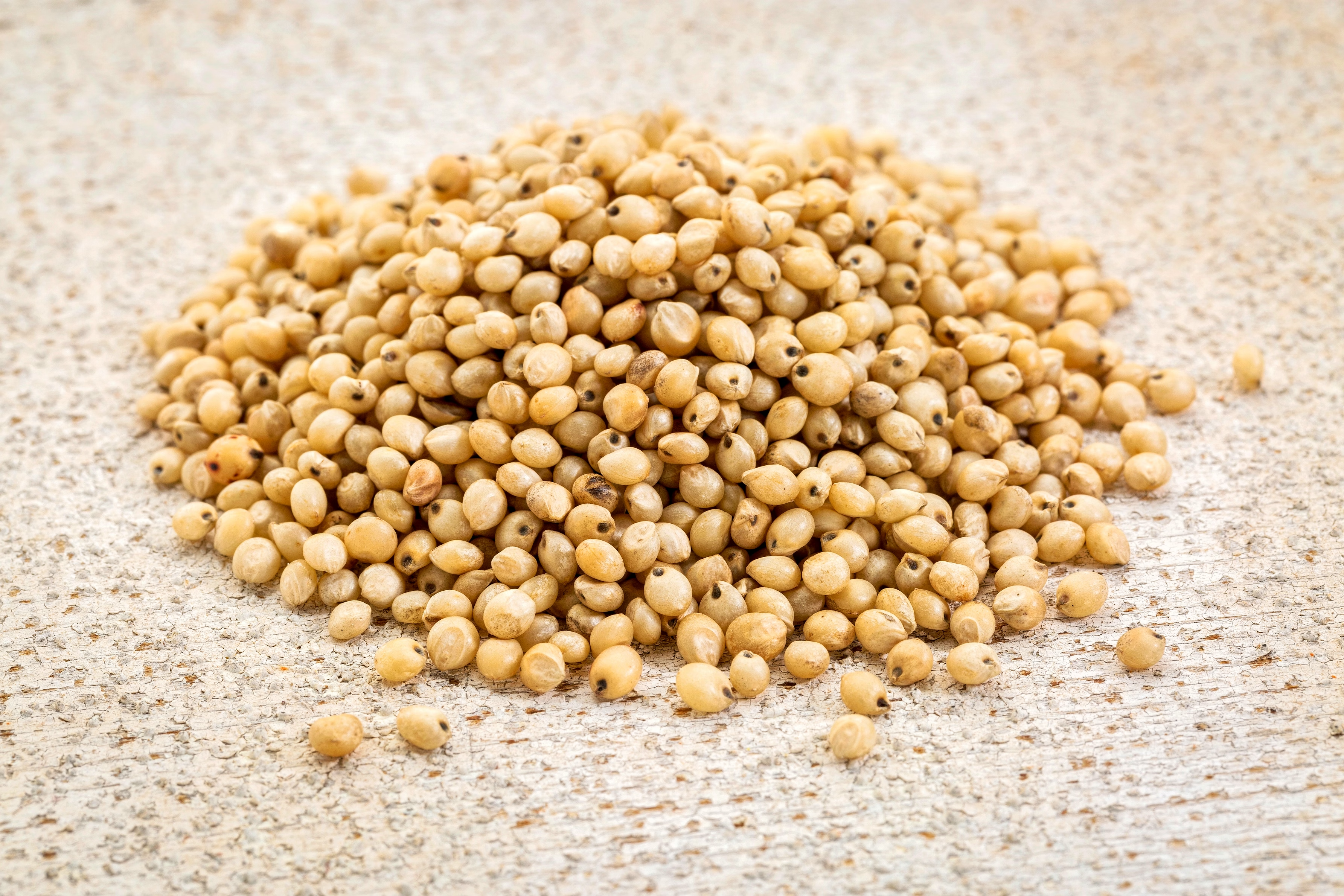
Sorghum

Inclusive of all taxes

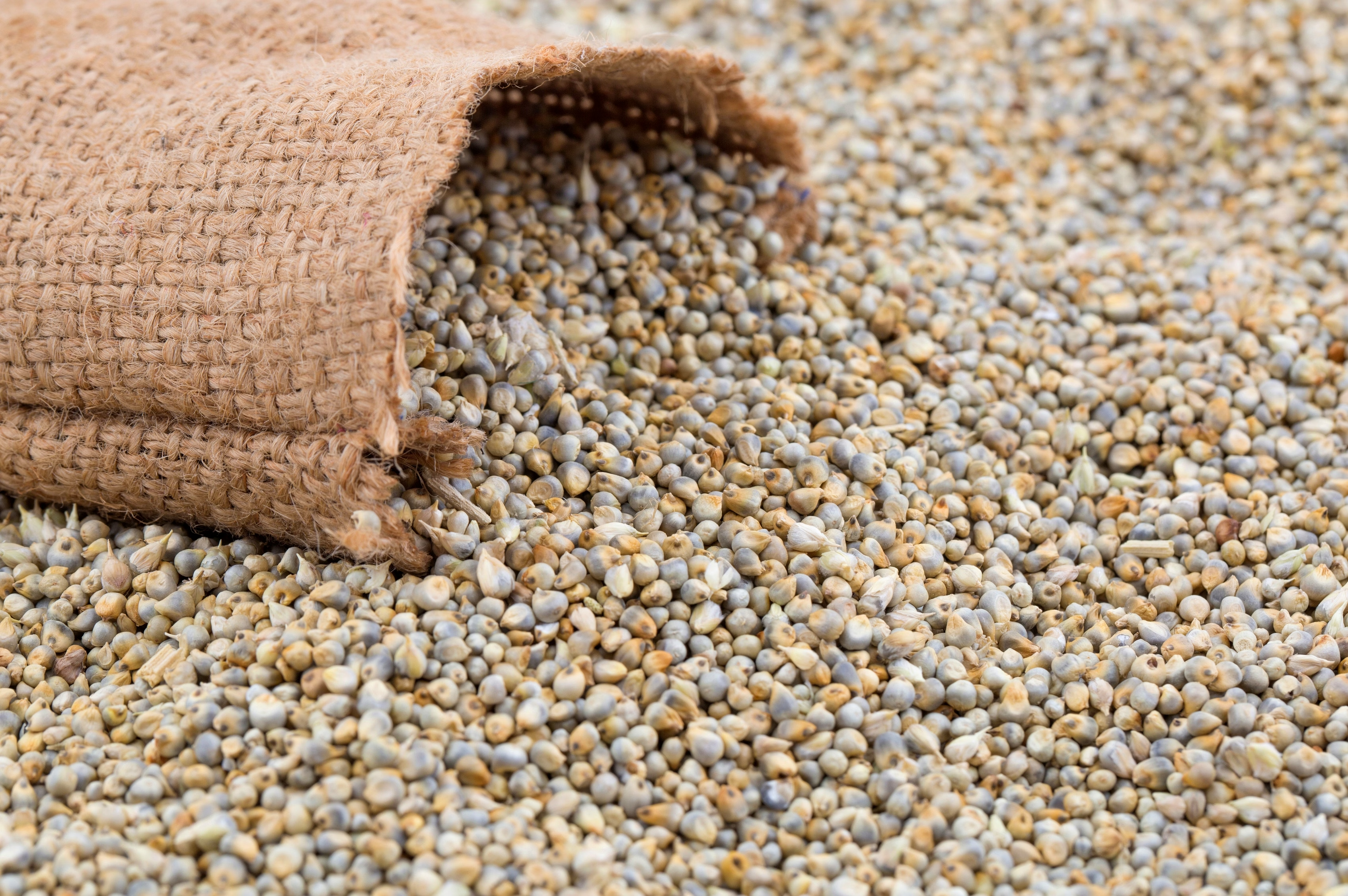
Sorghum is a highly versatile and drought-tolerant cereal grain that has become increasingly important in maintaining food security, particularly in arid and semi-arid regions. Available in two primary varieties—yellow sorghum and white sorghum—this nutritious grain serves multiple roles, including as a staple food for local communities, a gluten-free flour alternative, animal feed, syrup production, and as a component in alcoholic beverages and bioethanol. Packed with essential nutrients, sorghum offers numerous health benefits, making it an optimal choice for both human and animal consumption. Additionally, its bioenergy potential is being harnessed due to its high sugar content in specific cultivars, contributing to sustainable energy solutions. Understanding the extensive uses and nutritional benefits of sorghum can help businesses make informed decisions in sourcing a resilient crop that addresses both agricultural and commercial needs.

Key Features

Features Description
Gluten-Free Safe for individuals with celiac disease, making it suitable for a wide range of consumers.
High Fiber Content Promotes digestive health and aids in maintaining gut wellness.
Rich in Antioxidants Particularly in darker varieties which contain high levels of tannins and phenolic acids.
Protein Source Offers a good protein profile, especially beneficial when consumed with legumes.
Micronutrients Contains vital minerals like iron, magnesium, phosphorus, and B vitamins.
Staple Crop Widely cultivated in regions like Sub-Saharan Africa, India, and parts of the U.S.
Bioenergy Potential Used in bioethanol production due to its high sugar content in certain varieties.
Livestock Feed Grain and stalks effectively utilized for animal fodder and silage.
Industrial Uses Sorghum starch is utilized in various industries including adhesives, paper, and textiles.
Attributes Description
Types Yellow Sorghum, White Sorghum
Primary Uses Food, gluten-free flour, animal feed, syrup, beverages, ethanol
Nutritional Value Rich in protein, fiber, antioxidants, and micronutrients
Drought Resistance Highly resilient in arid and semi-arid climates
Availability Widely grown in Sub-Saharan Africa and parts of the U.S.
Bioethanol Production Utilized due to sugar content in certain varieties
Gluten-Free Certification Certified safe for gluten-intolerant individuals

*Disclaimer: The above description has been AI-generated and has not been audited or verified for accuracy. It is recommended to verify product details independently before making any purchasing decisions.

Be the first to write a review

Sorghum is primarily available in two types: yellow sorghum and white sorghum.

Yes, sorghum is gluten-free and safe for individuals with celiac disease.

Sorghum is used as food, gluten-free flour, animal feed, syrup production, and in alcoholic beverages and bioethanol.

Sorghum is high in protein, fiber, antioxidants, and contains essential micronutrients like iron and magnesium.

Sorghum's drought tolerance makes it a reliable staple crop, especially in regions prone to climate stress.

  • Incorporation Type

  • GST

  • GST Registration Date

  • Number of Employees

  • Import Export Code (IEC)

  • Year of Establishment

  • Nature of Business

  • GlobalLinker Member Since

Country Of Origin: India

Sorghum is a versatile, drought-tolerant cereal grain that plays a critical role in food security, especially in arid and semi-arid regions.


Types: Yellow sorghum, white sorghum.


Uses: Staple food in arid regions, gluten

free flour, animal feed, syrup, alcoholic

beverages, ethanol production.

Sorghum is packed with nutrients and offers several health benefits:


  • Gluten-Free: Safe for people with celiac disease.
  • High in Fiber: Aids digestion and promotes gut health.
  • Rich in Antioxidants: Especially in darker-colored varieties (tannins, phenolic acids).
  • Good Source of Protein: Especially when paired with legumes.
  • Contains Important Micronutrients: Such as iron, magnesium, phosphorus, and B vitamins.


Staple Crop: Especially in Sub-Saharan Africa, India, and parts of the U.S.


Bioenergy Potential: Used in bioethanol production due to high sugar content in some varieties.


Livestock Feed: Grain and stalks used for animal fodder and silage.


Industrial Uses: Sorghum starch is used in adhesives, paper, and textiles.


Food And Beverage

Cereals; Pulses And Food Grains

Sorghum

Gluten-free Grain

Drought-tolerant Crops

Cereal Grains

Animal Feed

Bioethanol Production

Nutritious Food

Health Benefits

Sorghum

Inclusive of all taxes

You Save: 0

Send Inquiry
oceanite international llp

Ahmedabad , India

Manufacturer, Retailer, Exporter, Importer, Wholesaler

GST- 24aajfo0021g1zu

  • Secure
    Transaction

  • Free
    Delivery

  • Day
    Dispatch

Report a problem with this product