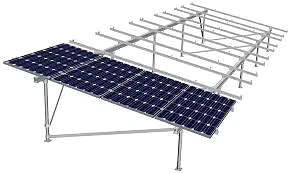
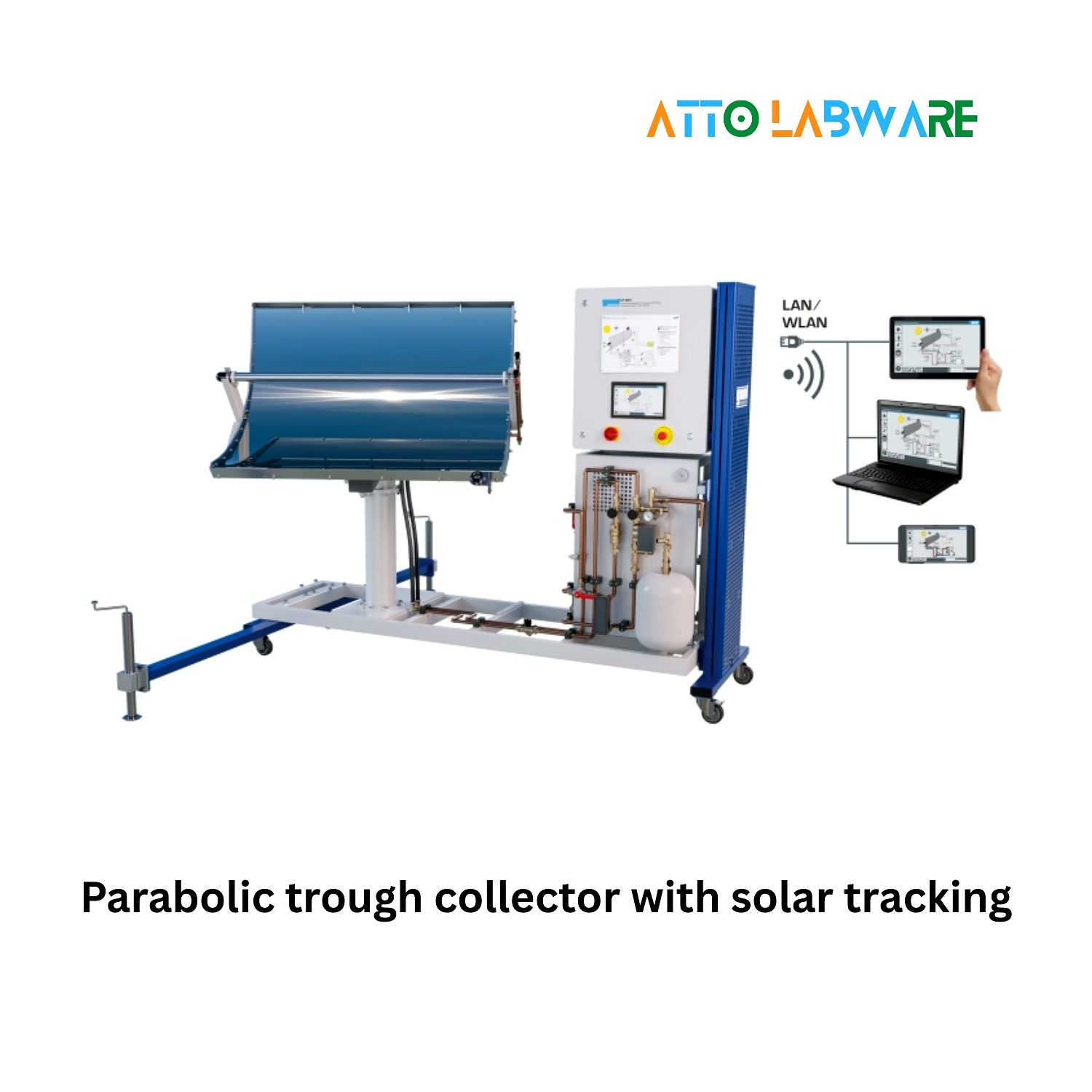
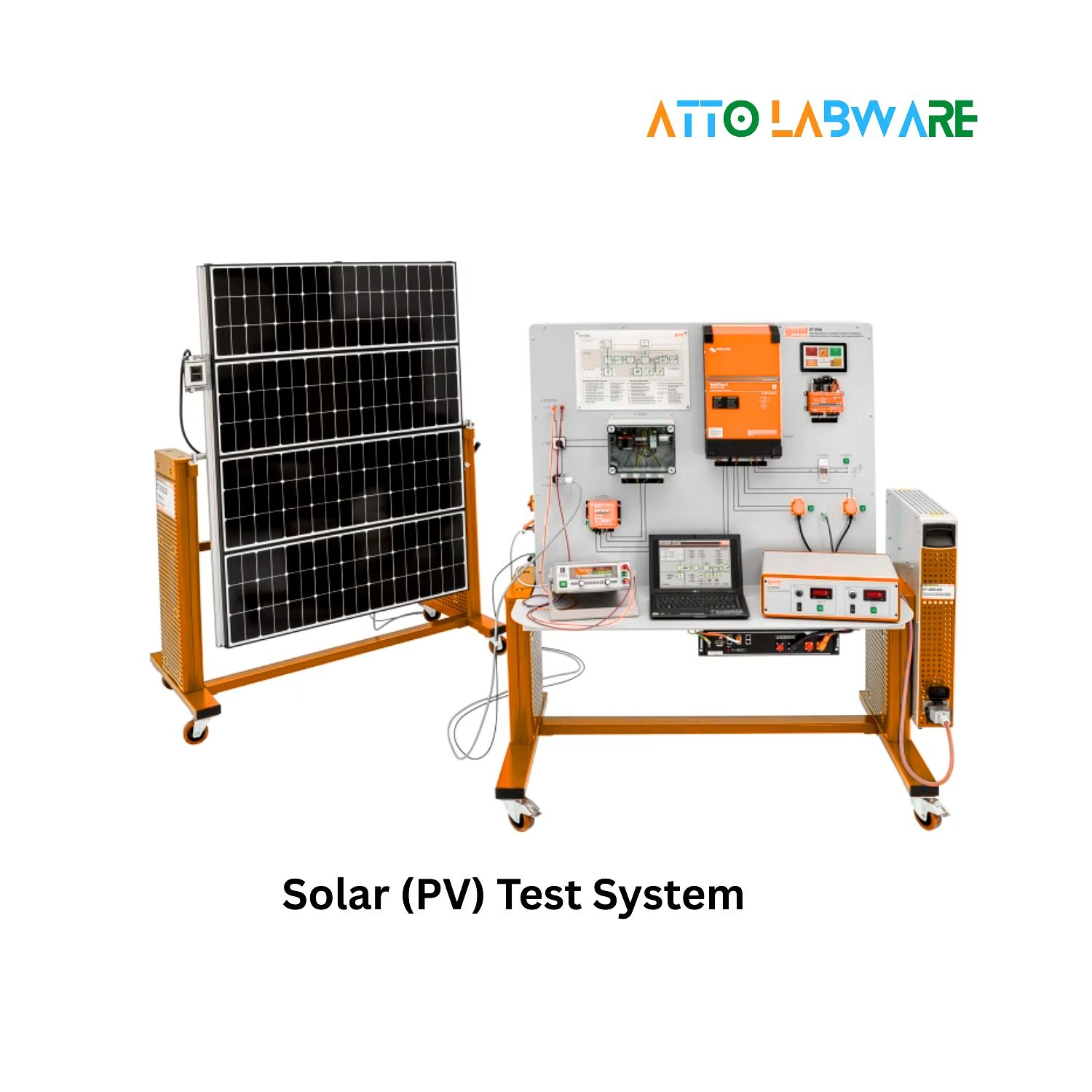
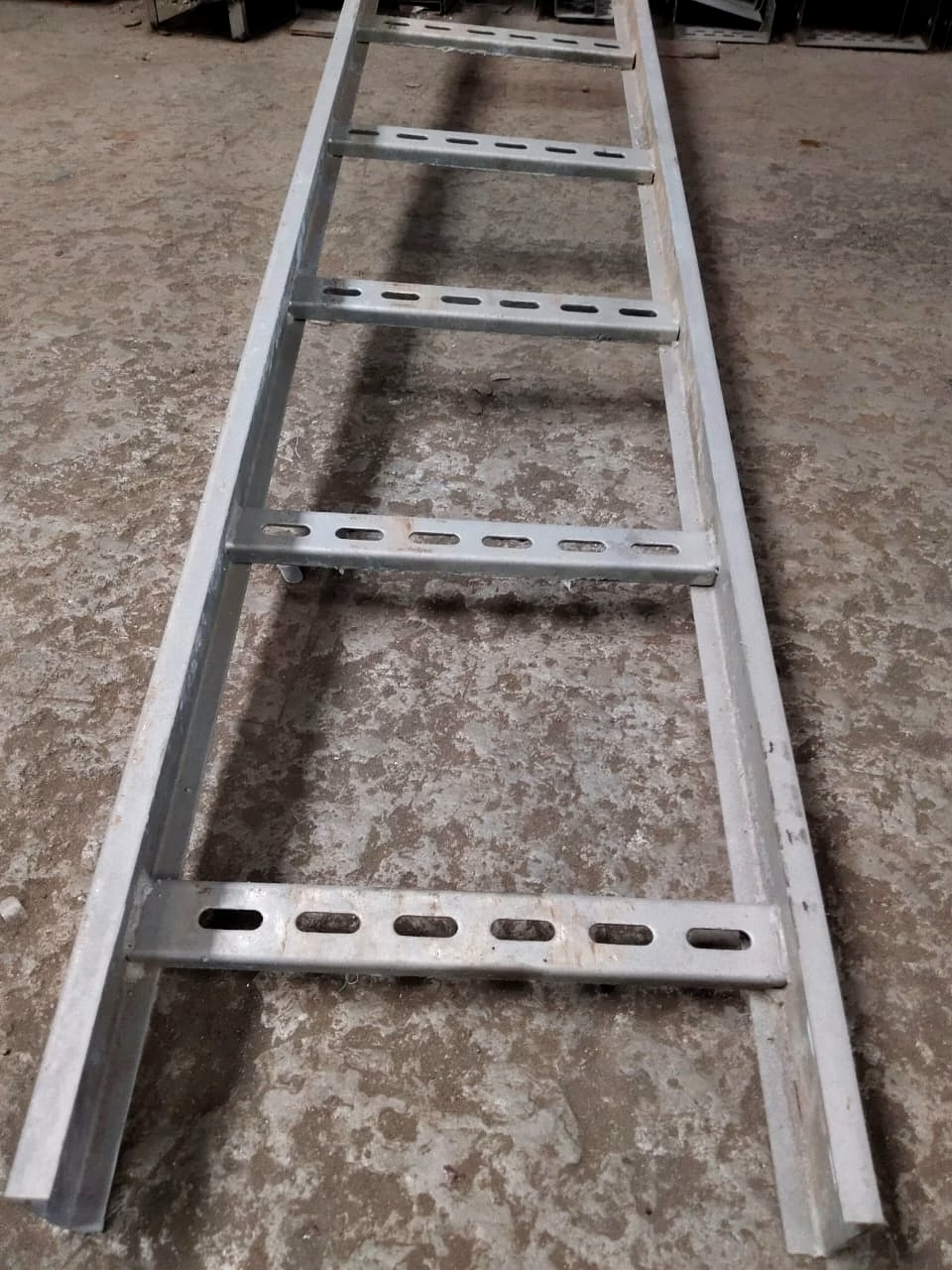
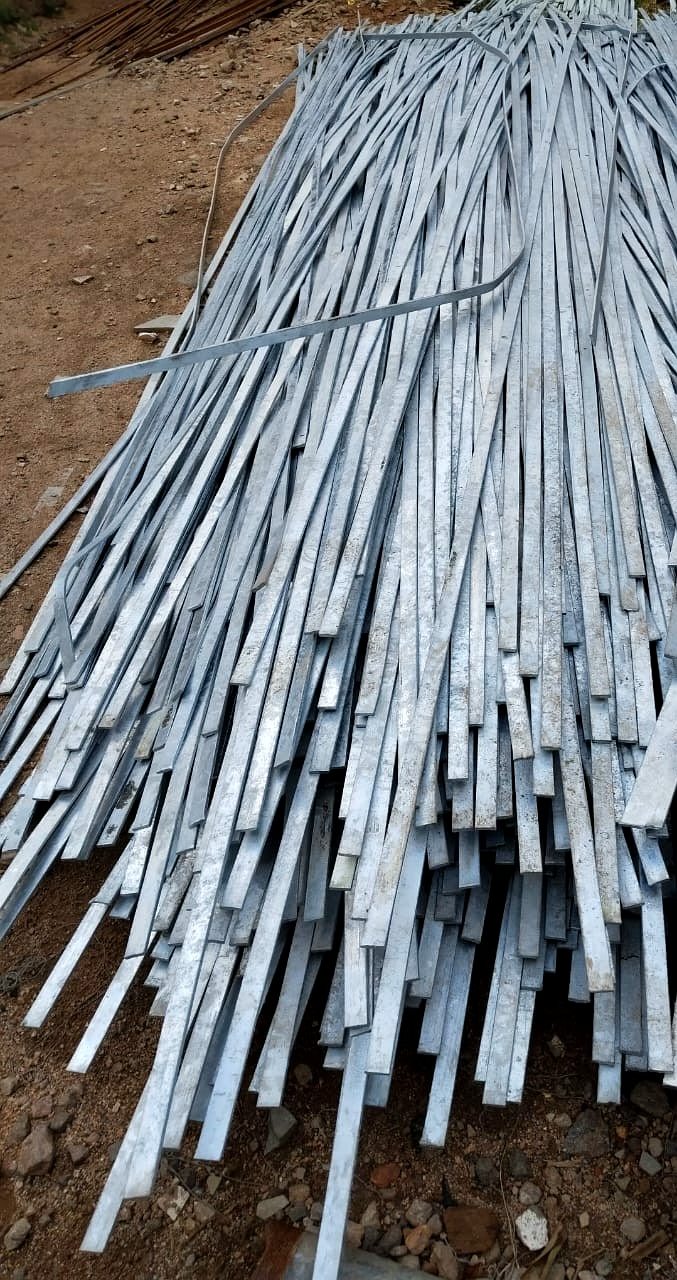
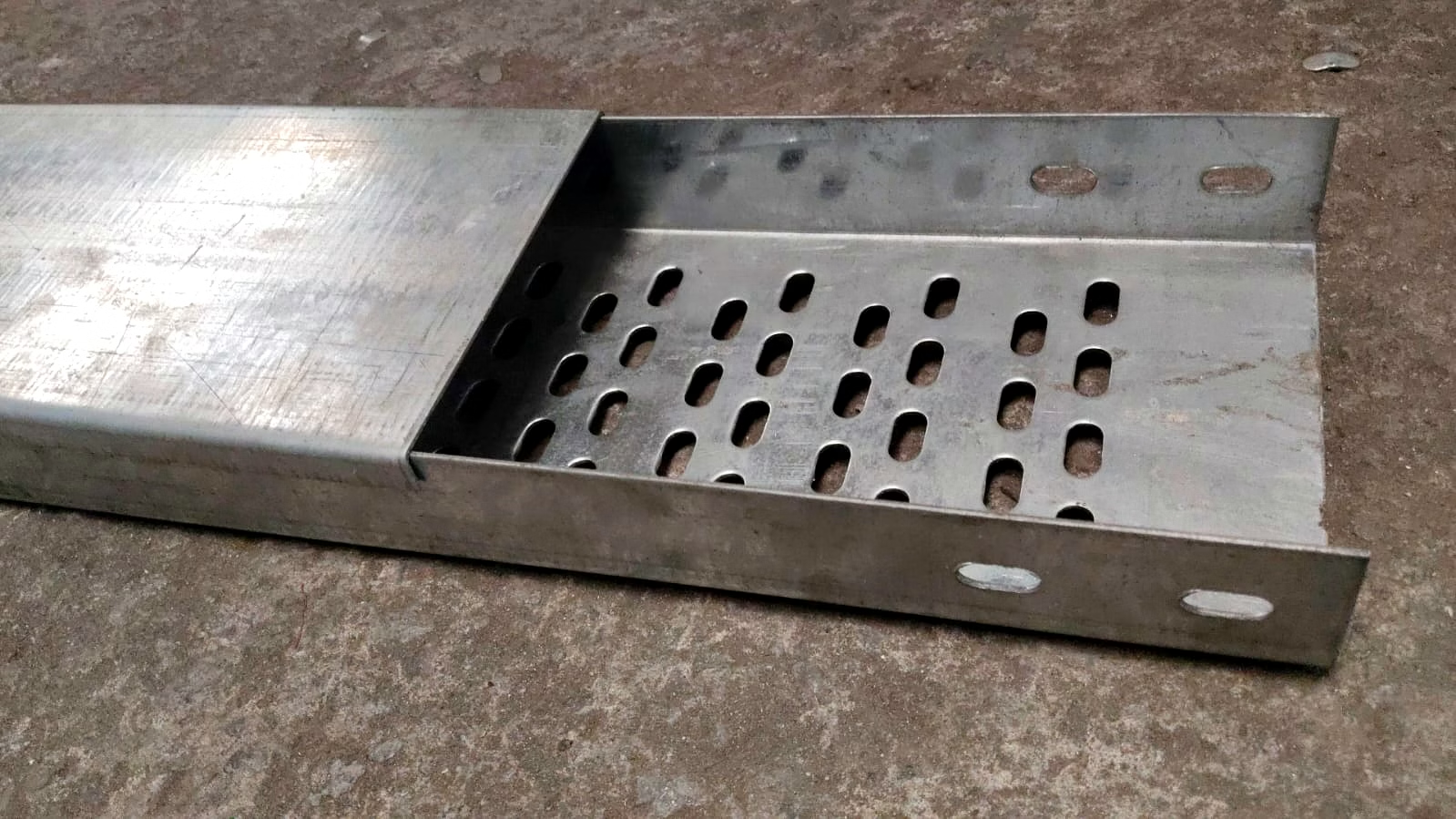
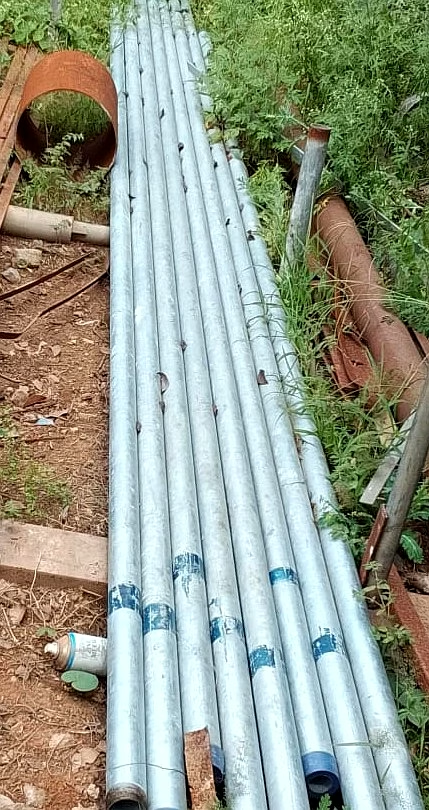
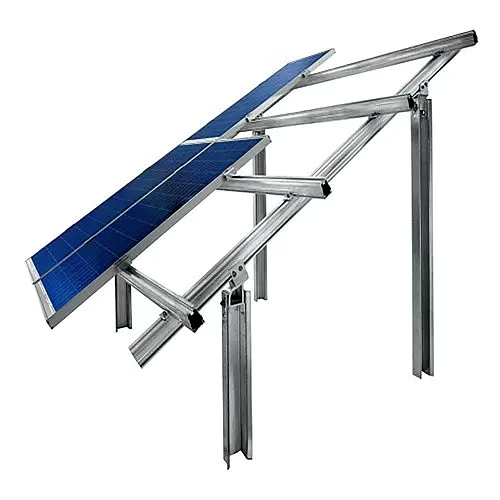
The Solar Structure is a robust and engineered mounting system designed specifically to secure solar panels in optimal positions for maximum sunlight exposure and energy generation. Crafted from high-grade aluminum or steel, this solar mounting framework is suitable for various installation settings including roof-mounted systems for residential or commercial buildings, ground-mounted systems for open land installations, and pole-mounted systems for flexible placement options. Designed to withstand harsh environmental conditions such as heavy winds, rain, and temperature fluctuations, the structure ensures long-term stability and durability. Advanced versions of the solar structure also include tracking systems that dynamically adjust the angle of the solar panels to follow the sun's path, significantly improving energy efficiency compared to fixed-tilt models. This product is ideal for solar energy project developers, commercial solar farm operators, and installation companies seeking reliable and customizable solutions tailored to different solar deployment needs.
Key Features
| Features | Description |
|---|---|
| Material | High-grade Aluminum or Steel |
| Installation Types | Roof-mounted, Ground-mounted, Pole-mounted |
| Durability | Weather-resistant ANSI-rated for wind and corrosion |
| Design Options | Fixed-tilt and Sun-tracking systems available |
| Customization | Modular design for scalable solar projects |
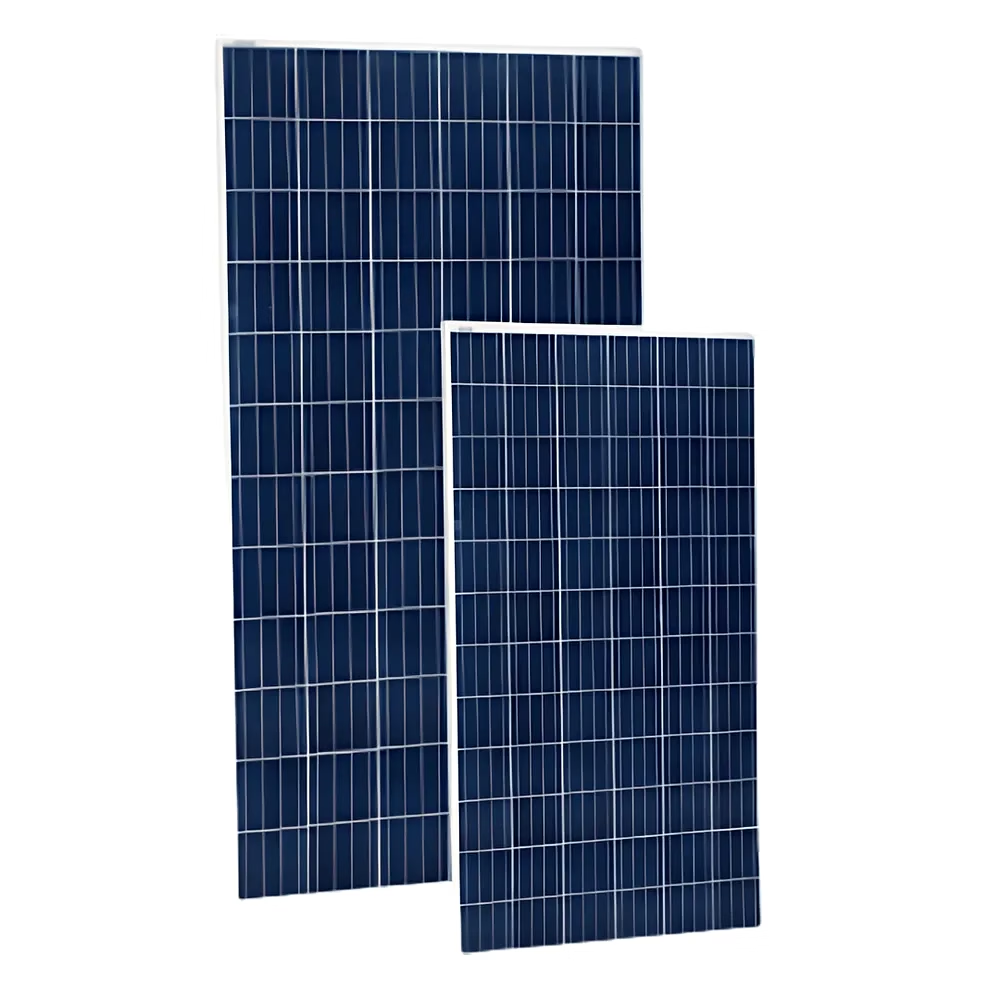
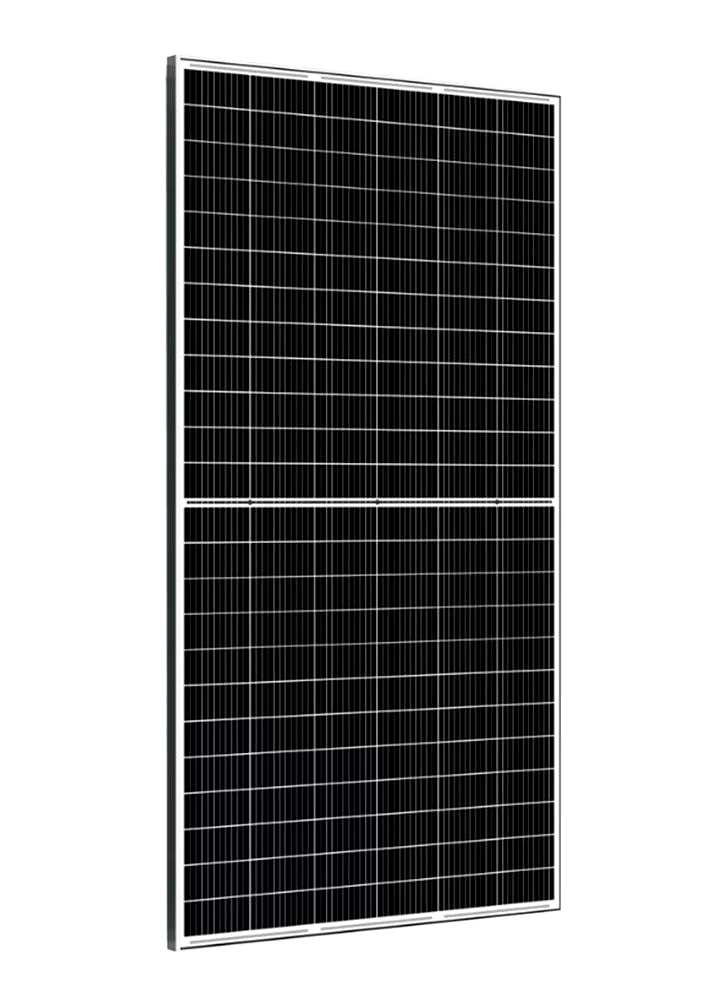
| Compatibility | Compatible with various standard photovoltaic solar panels |
| Load Capacity | Engineered to support heavy panel weights and snow loads |
| Corrosion Protection | Anodized coating or Galvanized steel options |
| Ease of Installation | Pre-fabricated components for quick assembly |
| Environmental Adaptability | Suitable for diverse climatic conditions |
| Attributes | Description |
|---|---|
| Material Type | Aluminum Alloy 6005-T5 or Galvanized Steel |
| Surface Finish | Anodized or Hot-dip Galvanized |
| Operating Temperature Range | -40°C to +85°C |
| Wind Load Resistance | Up to 240 km/h (150 mph) |
| Corrosion Resistance | Certified for coastal and industrial environments |
| Mounting Angle Range | Fixed angles from 10° to 60°, Adjustable for tracking models |
| Compatible Panel Size | Standard panel sizes from 60-cell to 72-cell modules |
| Track Type | Single-axis and Dual-axis tracking systems available |
| Installation Environment | Commercial rooftops, Ground-mounted solar farms, Remote pole sites |
| Load Bearing Capacity | Designed for 1.5 to 3 times the panel weight |
*Disclaimer: The above description has been AI-generated and has not been audited or verified for accuracy. It is recommended to verify product details independently before making any purchasing decisions.
This solar structure is made of high-grade aluminum alloy 6005-T5 or hot-dip galvanized steel, selected for corrosion resistance and robust mechanical strength to endure harsh weather conditions.
Yes, it supports both fixed-tilt mounting options and advanced single-axis or dual-axis tracking systems that adjust panel orientation throughout the day to maximize solar energy capture.
The structure is designed to be compatible with standard photovoltaic panels ranging from typical 60-cell to 72-cell module sizes, making it versatile for various solar panel brands and types.
It is engineered to resist wind speeds up to 240 km/h and is coated or anodized for corrosion resistance, ensuring performance in coastal, industrial, and general outdoor environments.
Yes, components come pre-fabricated and modular, allowing for faster on-site assembly and scalability for both small and large solar projects.
Country Of Origin: India
A solar structure, or mounting system, is the physical framework that holds solar panels, ensuring they are stable and angled correctly to maximize energy generation. Common types include roof-mount systems for buildings, ground-mount systems for open land, and pole-mount systems. These structures are built from durable materials like aluminum or steel to withstand environmental conditions and are designed for different needs, such as fixed-tilt or more advanced tracking systems that follow the sun's path