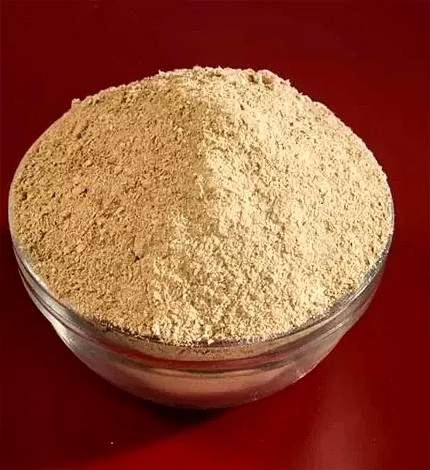
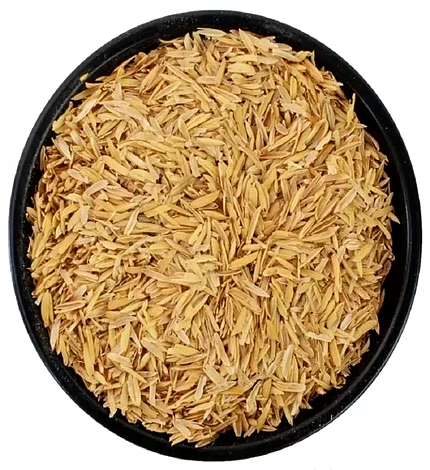
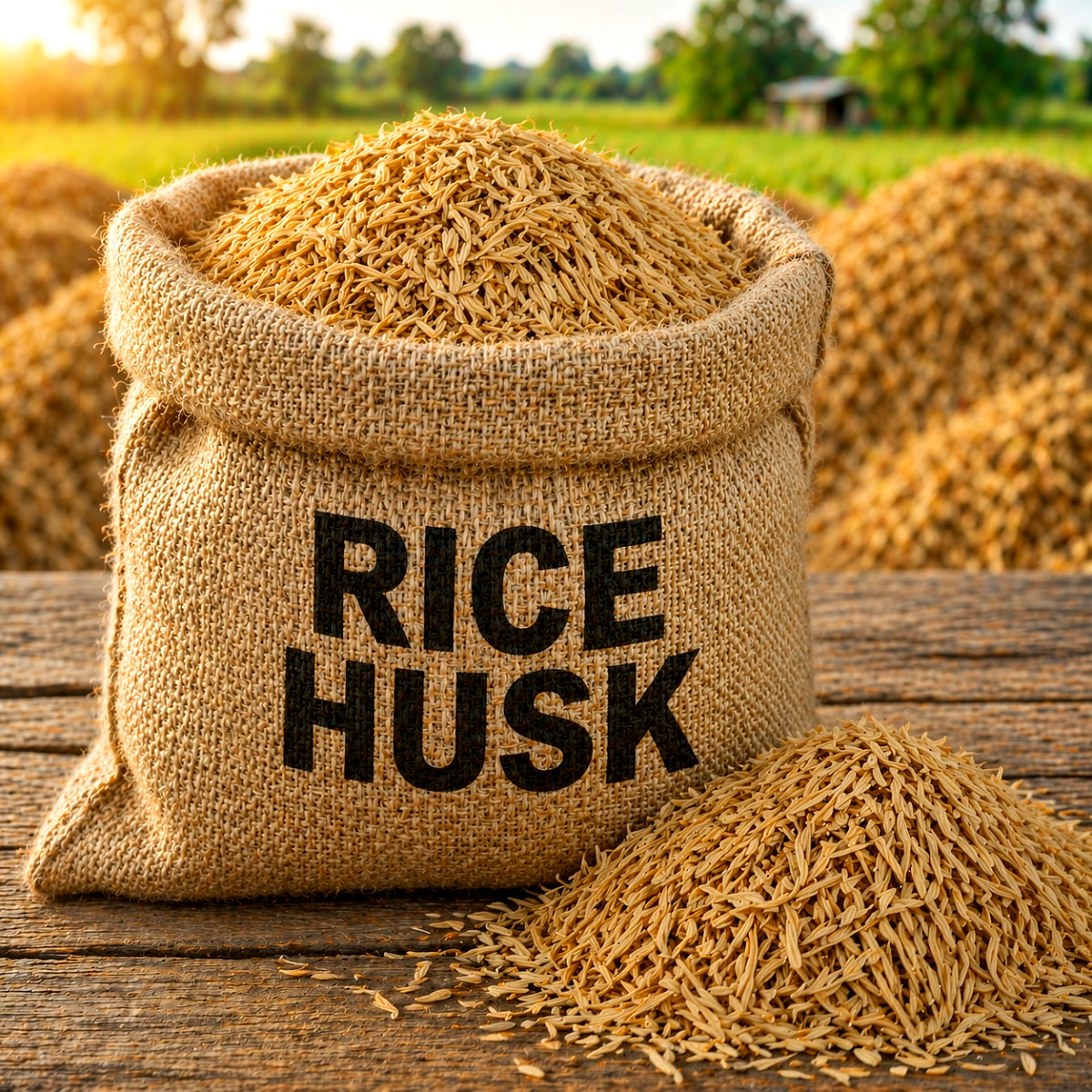
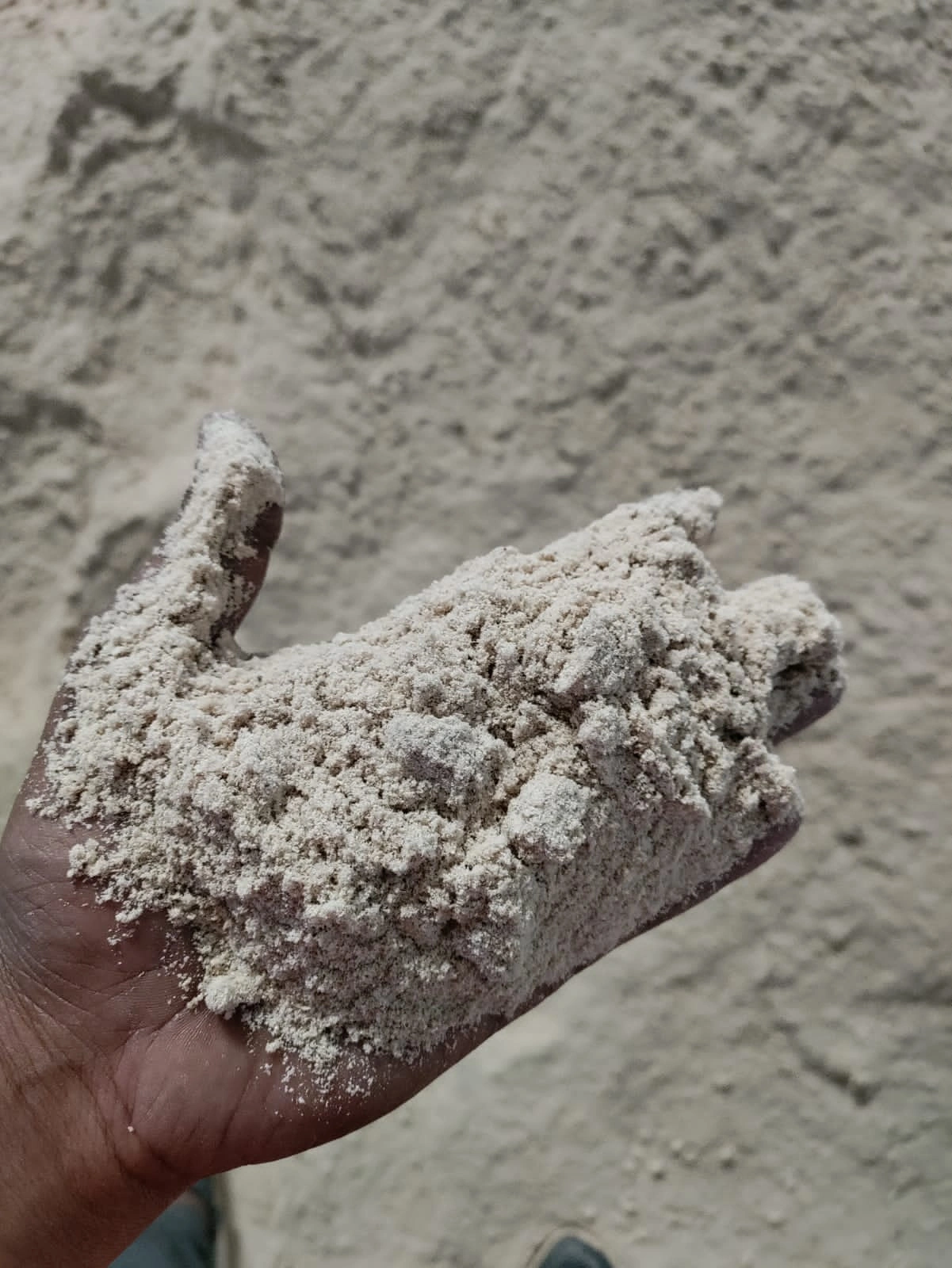
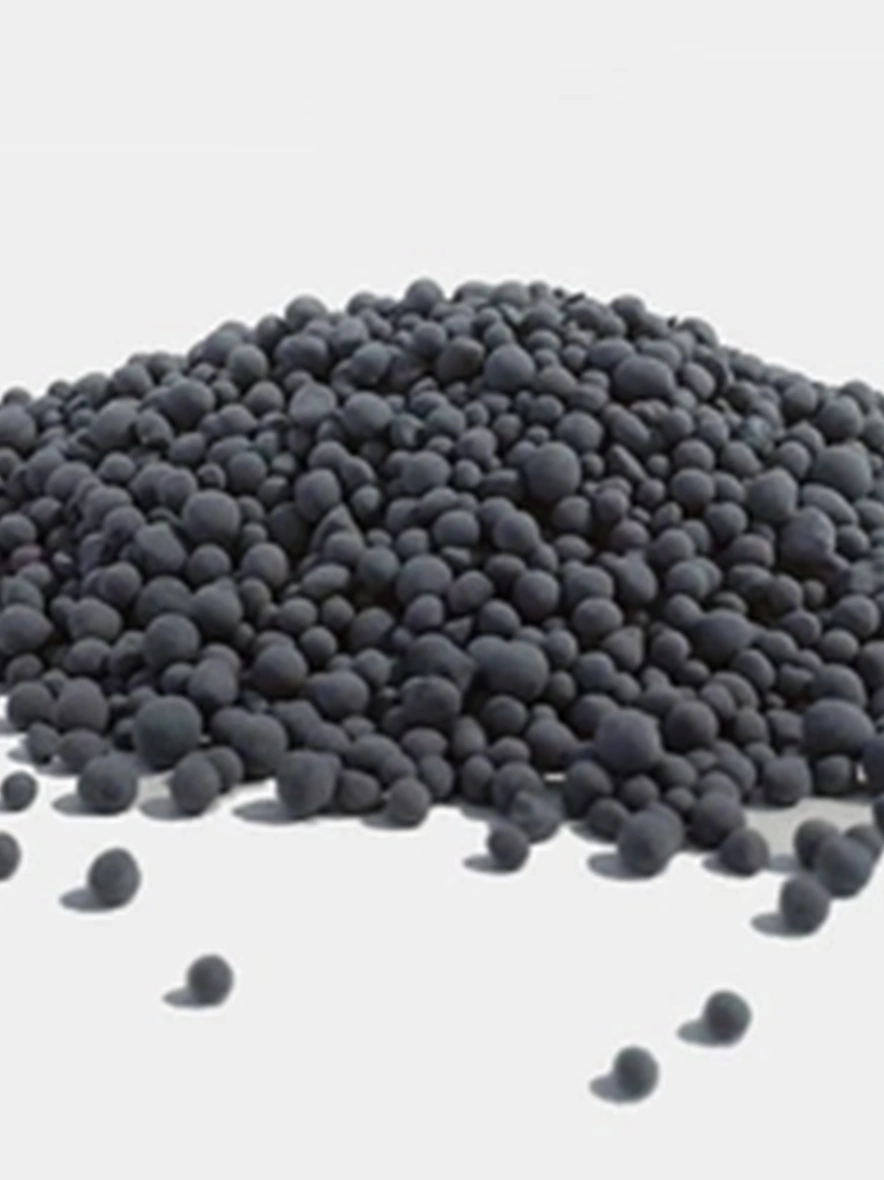
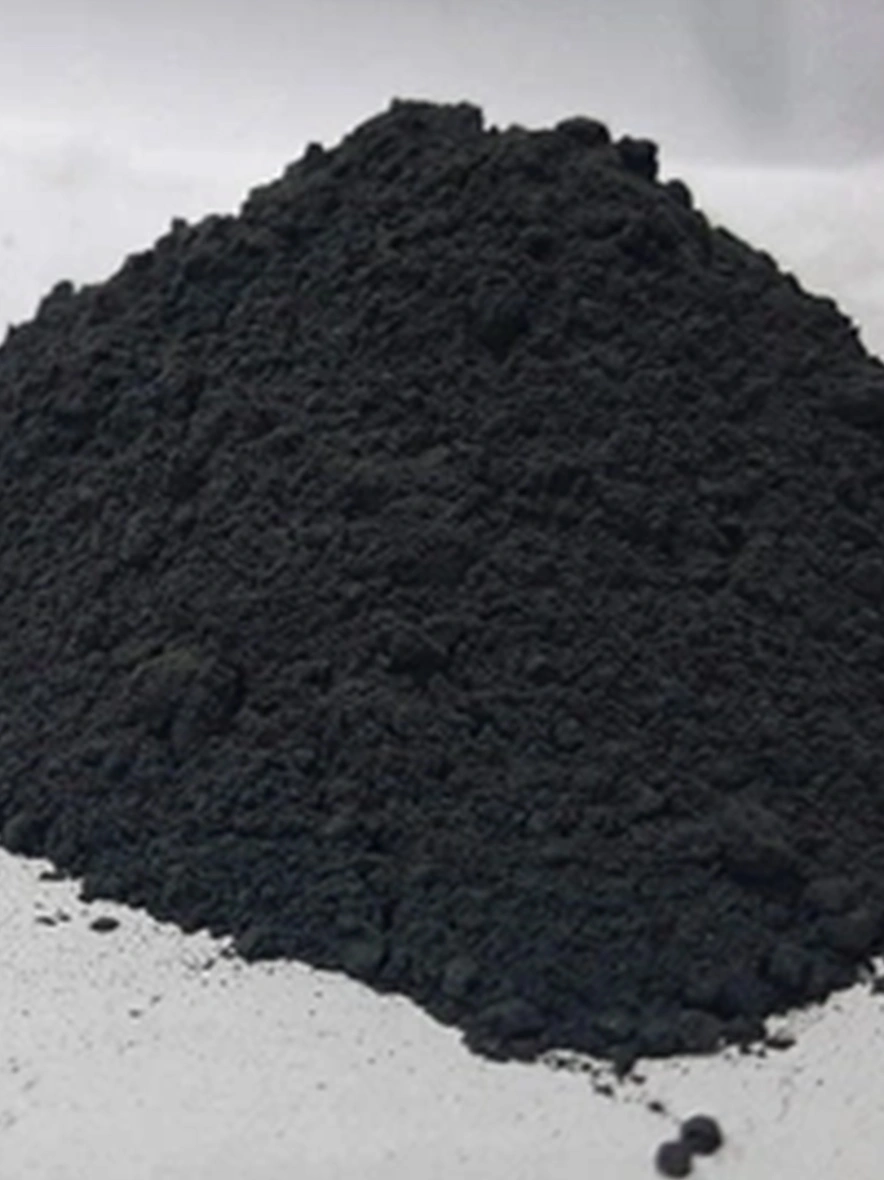
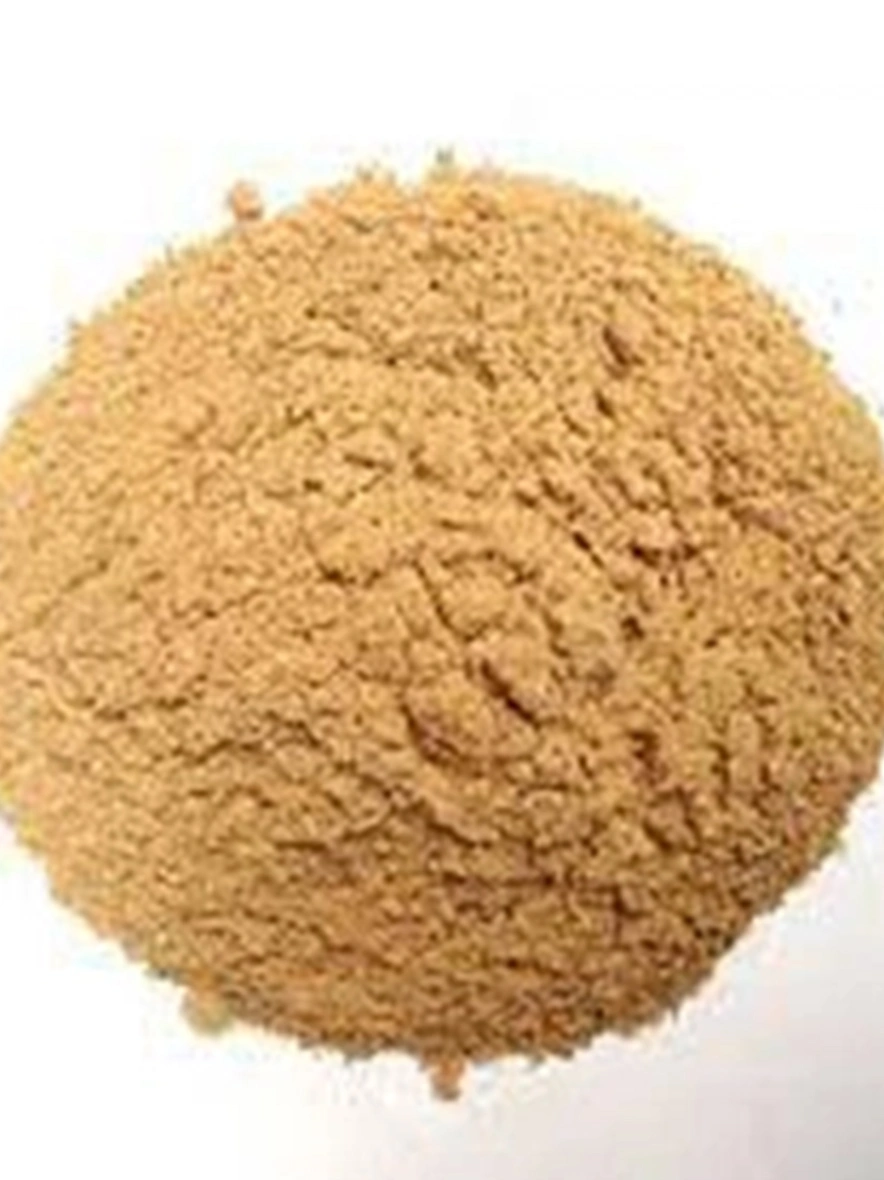
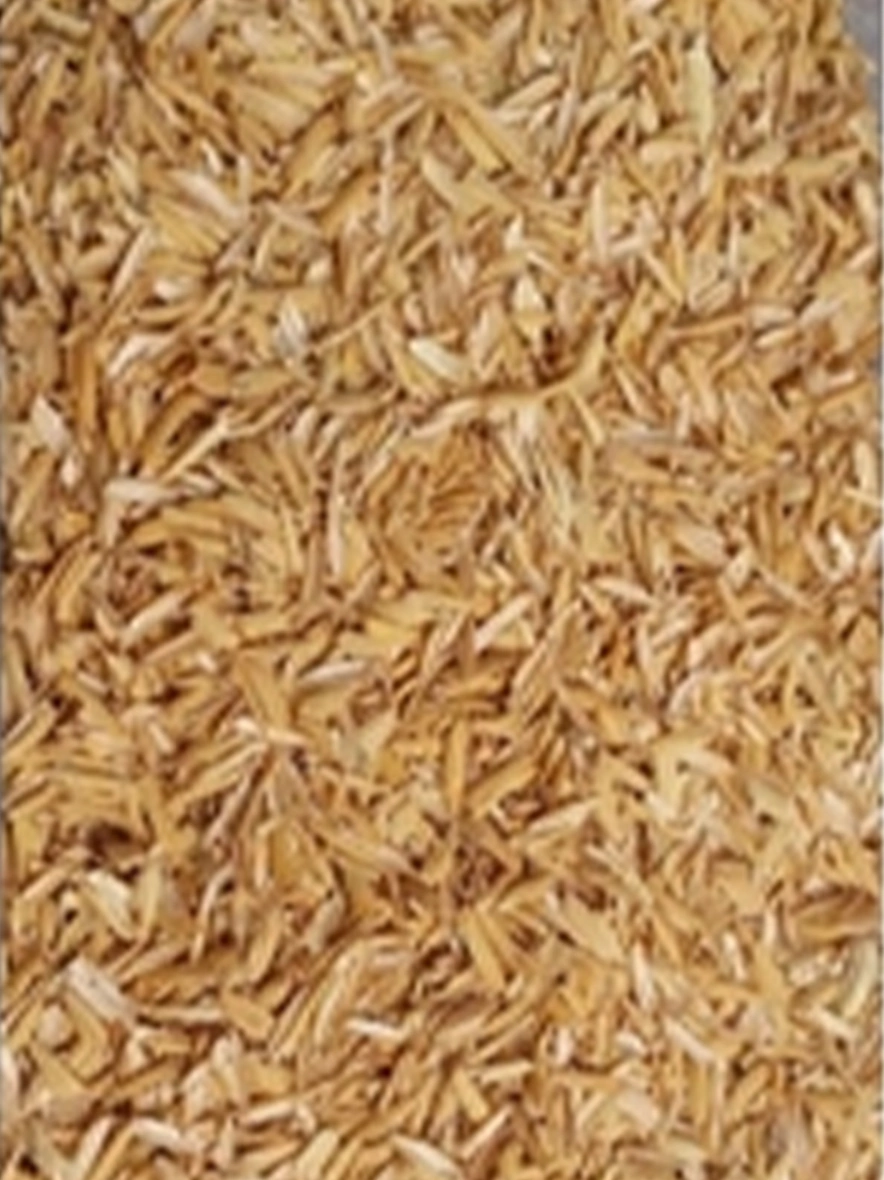
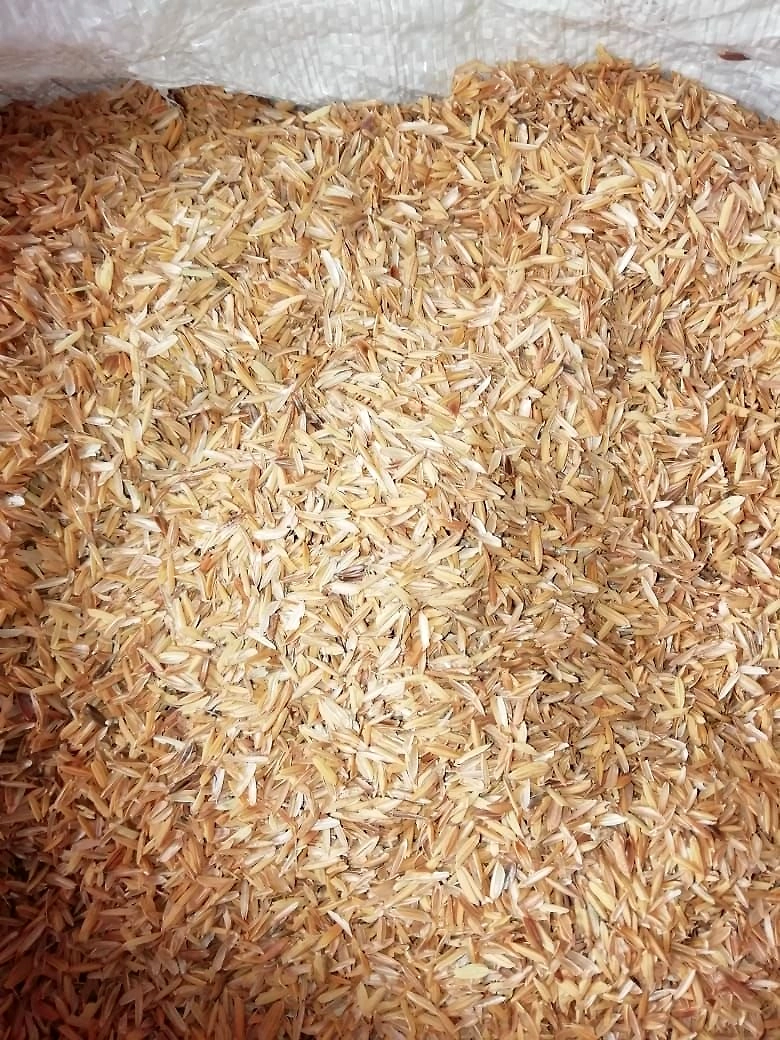
Rice husk is the fibrous outer covering of rice grains, removed during the milling process. This lightweight byproduct is characterized by its high silica content, which enhances its resistance to decomposition and infestation by pests. Rice husk serves multiple purposes across various industries, including being an efficient biofuel, a highly effective insulation material, and a raw material for creating silica-based products. Moreover, rice husk is utilized in agriculture as bedding for animals, in composting to enrich soil, and as a sustainable additive in cement and construction materials. With its impressive calorific value, rice husk is a prevalent choice in biomass power generation, aligning perfectly with eco-friendly practices. As a byproduct abundant in nature, rice husk presents significant opportunities for sustainable industries, responsible waste management, and innovative solutions for various applications.
Key Features
| Features | Description |
|---|---|
| Material Type | Natural Fiber |
| Silica Content | High |
| Resistance | Decomposition and Pest Resistance |
| Applications | Biofuel, Insulation, Cement Additive, Animal Bedding, Composting |
| Calorific Value | High |
| Attributes | Description |
|---|---|
| Appearance | Lightweight, Fibrous Material |
| Source | Rice Milling Process |
| Environmental Impact | Eco-friendly and Sustainable |
| Storage Conditions | Dry and Well-ventilated area |
| Biomass Energy Application | Widely used in Biomass Power Generation |
*Disclaimer: The above description has been AI-generated and has not been audited or verified for accuracy. It is recommended to verify product details independently before making any purchasing decisions.
Rice husk's high silica content contributes to its natural resistance against pests, as silica creates a harsh environment for insects.
Rice husk can be used as a sustainable additive in cement, enhancing the structural integrity and reducing the carbon footprint of buildings.
Rice husk should be stored in a dry, well-ventilated area to prevent moisture accumulation and ensure quality.
Yes, due to its high calorific value, rice husk is an efficient biofuel option for biomass power generation.
Yes, rice husk is excellent for composting, as it adds organic matter and helps improve soil fertility.
Country Of Origin: India
Rice Husk
Rice husk is the outer protective covering of rice grains, removed during milling. It is a lightweight, fibrous byproduct rich in silica, making it resistant to decomposition and pests. Rice husk has various applications, including as a biofuel, insulation material, and raw material for producing silica-based products.
Rice husk is the outer protective covering of rice grains, removed during milling. It is a lightweight, fibrous byproduct rich in silica, making it resistant to decomposition and pests. Rice husk has various applications, including as a biofuel, insulation material, and raw material for producing silica-based products. It is also used in animal bedding, composting, and as an additive in cement and construction materials. Due to its high calorific value, rice husk is widely used in biomass power generation. Its eco-friendly nature and abundance make it a valuable resource for sustainable industries and agricultural waste management.
Inclusive of all taxes
You Save: 0
Surat , India
Service Provider , Professional Services, Contractor, Brand Owner, Distributor, Exporter, Wholesaler, Women Entrepreneur, Startup