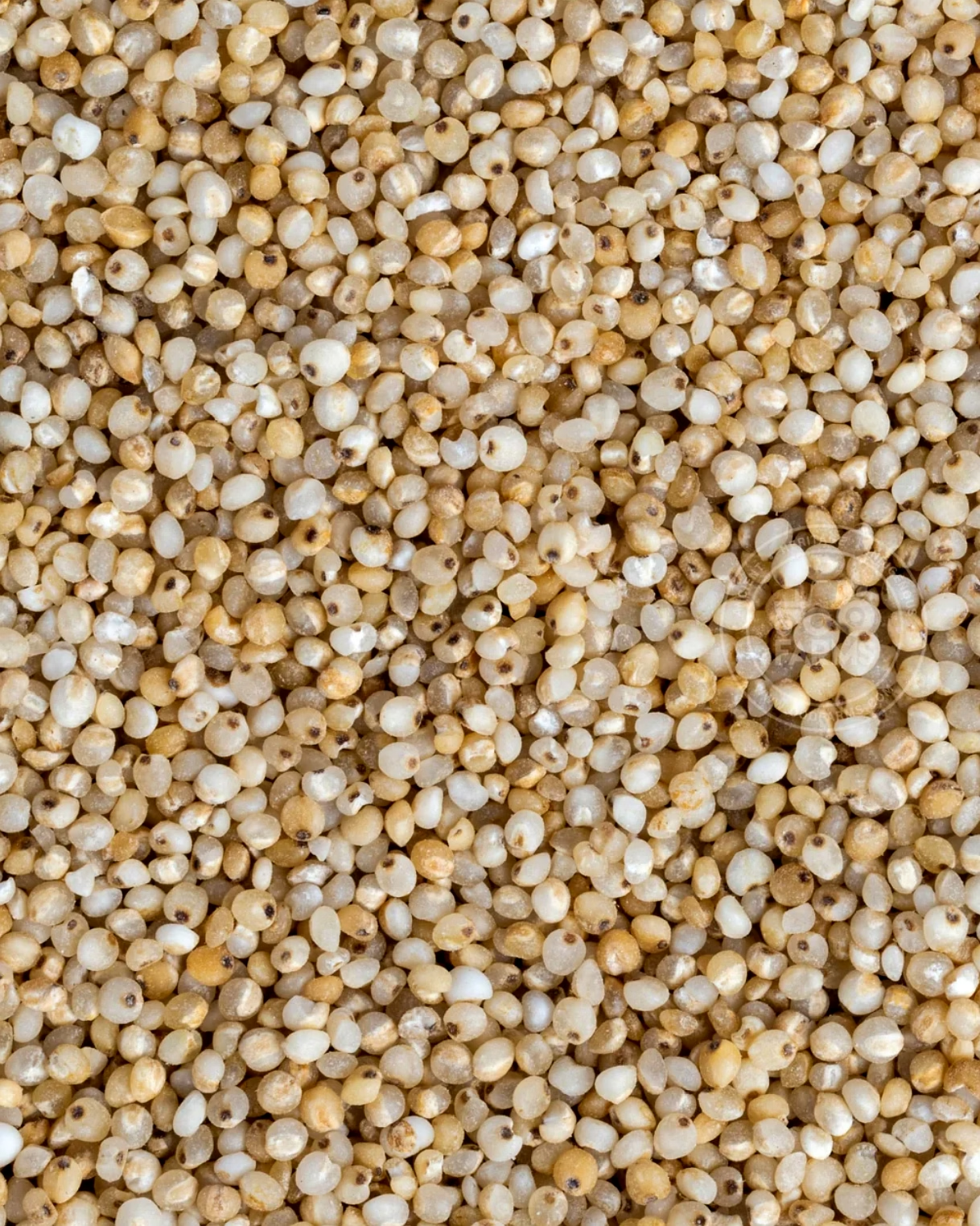
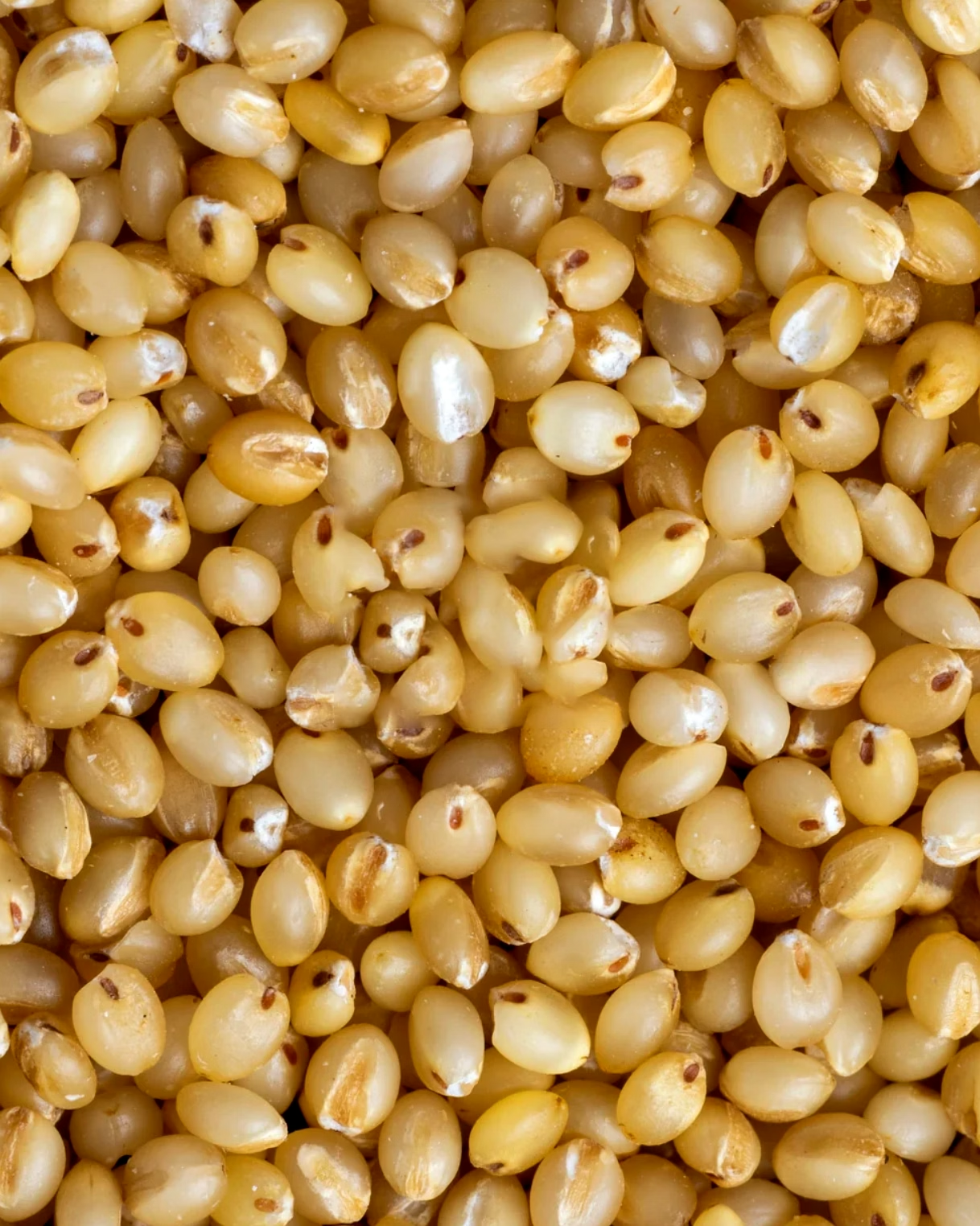
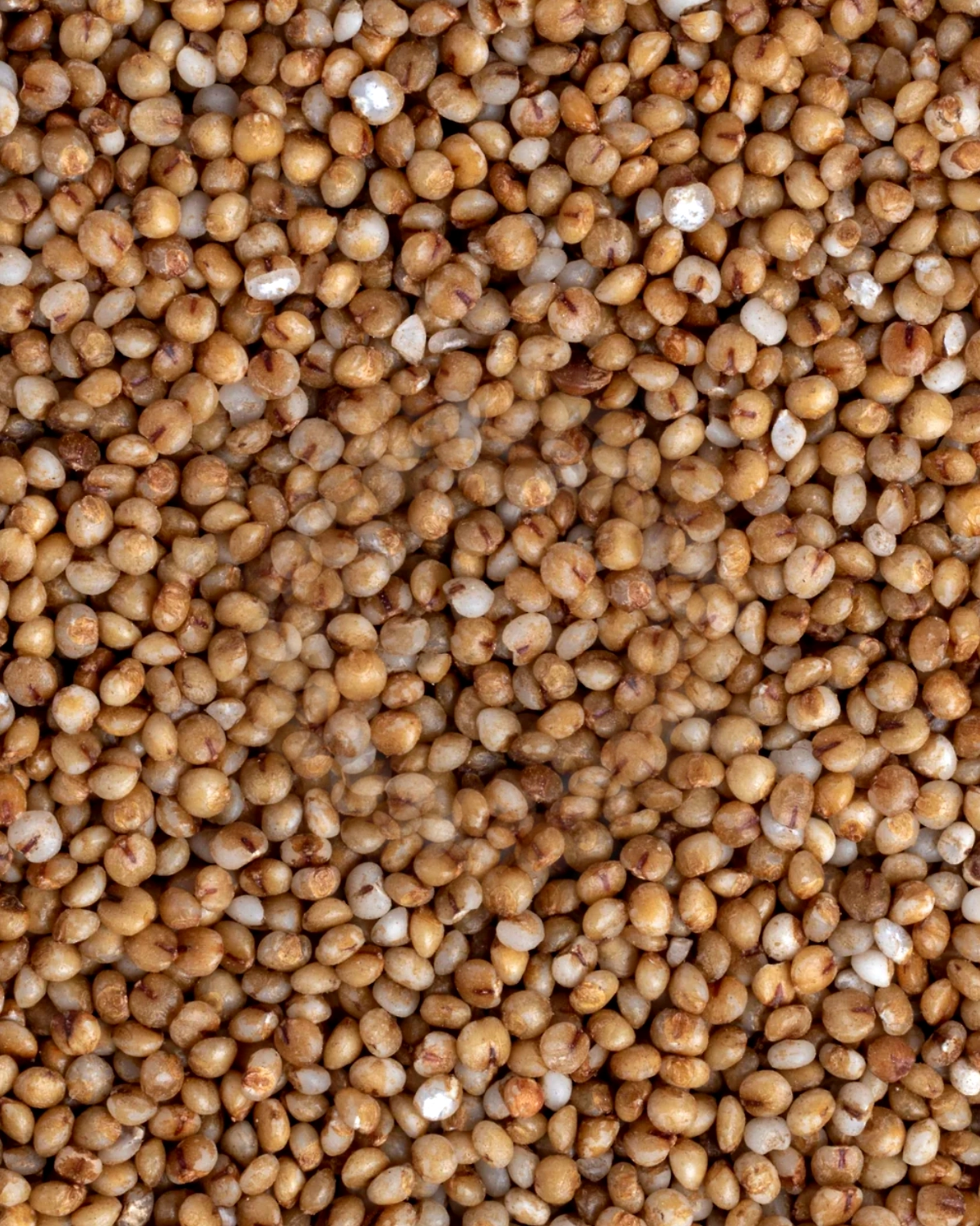
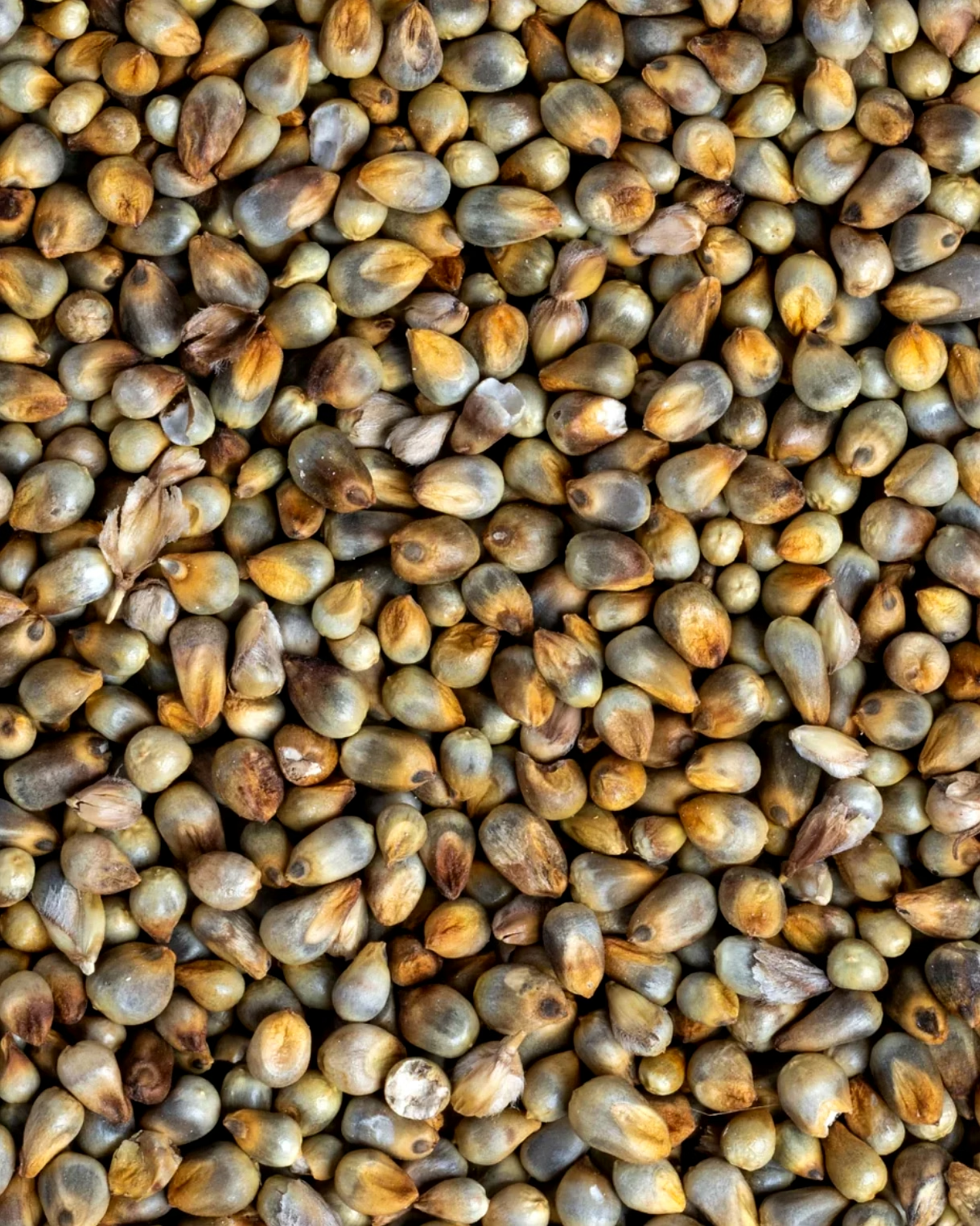
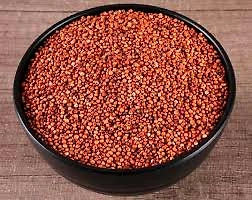
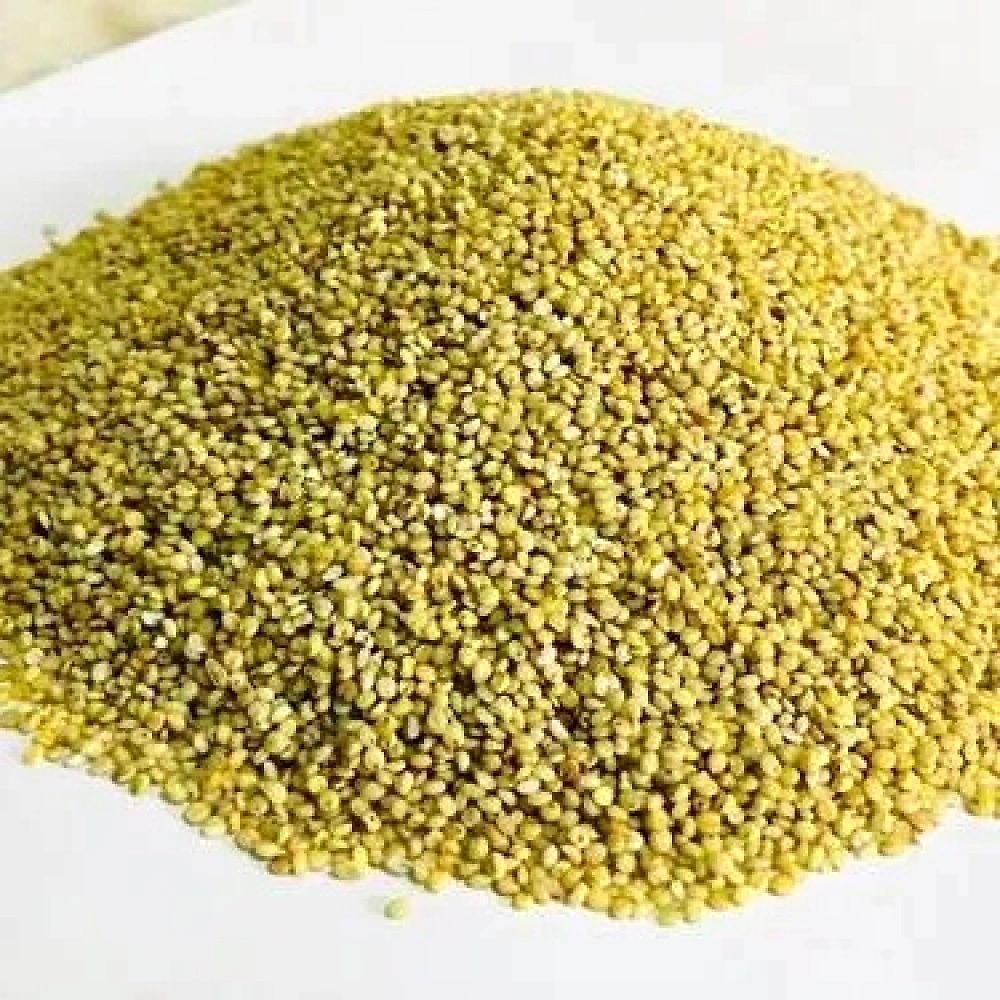
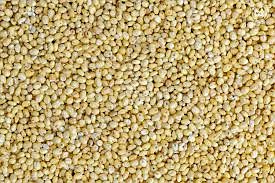
Proso millet (Panicum miliaceum) is a versatile and hardy small-seeded grass crop that is primarily cultivated for its nutritious grains. Commonly known for its culinary versatility and health benefits, proso millet thrives in diverse climates, especially in semi-arid regions where water is limited. It features small, round grains that vary in color from yellow to white and red, offering a mild and slightly nutty flavor. Proso millet is gluten-free and packed with essential nutrients, including carbohydrates, protein, fiber, and vital minerals such as magnesium and phosphorus. This grain can be enjoyed as a whole food, used to create flour, or incorporated into various dishes like porridges, pilafs, salads, and baked goods. As a historical staple in many cultures, proso millet is not only vital for human nutrition but also serves as a quality animal feed, particularly for poultry and livestock. The nutritious profile and health benefits of proso millet make it an excellent choice for those looking for a healthy, gluten-free alternative in their diets.
Key Features
| Features | Description |
|---|---|
| Scientific Name | Panicum miliaceum |
| Grain Color Options | Yellow, White, Red |
| Growing Conditions | Thrives in semi-arid regions |
| Nutritional Profile | High in carbohydrates, protein, fiber, magnesium, and B vitamins |
| Culinary Versatility | Can be used as a whole grain or flour in various dishes |
| Gluten-Free | Ideal for gluten-sensitive diets |
| Animal Feed Applications | Used for poultry and livestock feed |
| Health Benefits | Regulates blood sugar, promotes digestive and heart health |
| Attributes | Description |
|---|---|
| Grain Size | Small, round |
| Flavor Profile | Mild, slightly nutty |
| Maturity Time | Relatively quick compared to other grains |
| Culinary Uses | Porridges, pilafs, salads, baked goods |
| Historical Significance | Cultivated for centuries, especially in Asia and Europe |
*Disclaimer: The above description has been AI-generated and has not been audited or verified for accuracy. It is recommended to verify product details independently before making any purchasing decisions.
Proso millet is naturally gluten-free, making it a suitable grain for those with gluten intolerance or celiac disease.
Proso millet can be cooked and served as a whole grain side dish, used to create porridge, added to salads, or ground into flour for baking.
Proso millet is rich in fiber, which aids digestion, helps regulate blood sugar levels, and contributes to heart health due to its nutrient-dense profile.
Yes, proso millet is often used as a feed option for poultry and livestock due to its high nutritional value.
Proso millet matures relatively quickly, making it ideal for regions with short growing seasons.
Country Of Origin: India
Proso millet, is a type of small-seeded grass crop that belongs to the Poaceae family. It's commonly grown in many parts of the world for its grains, which have various culinary and nutritional uses.
Proso millet, scientifically known as Panicum miliaceum, is a type of small-seeded grass crop that belongs to the Poaceae family. It's commonly grown in many parts of the world for its grains, which have various culinary and nutritional uses. Here are some key points about proso millet:
Overall, proso millet is a versatile and nutritious grain that offers several culinary and health advantages, particularly for those seeking gluten-free and nutrient-dense alternatives in their diets.