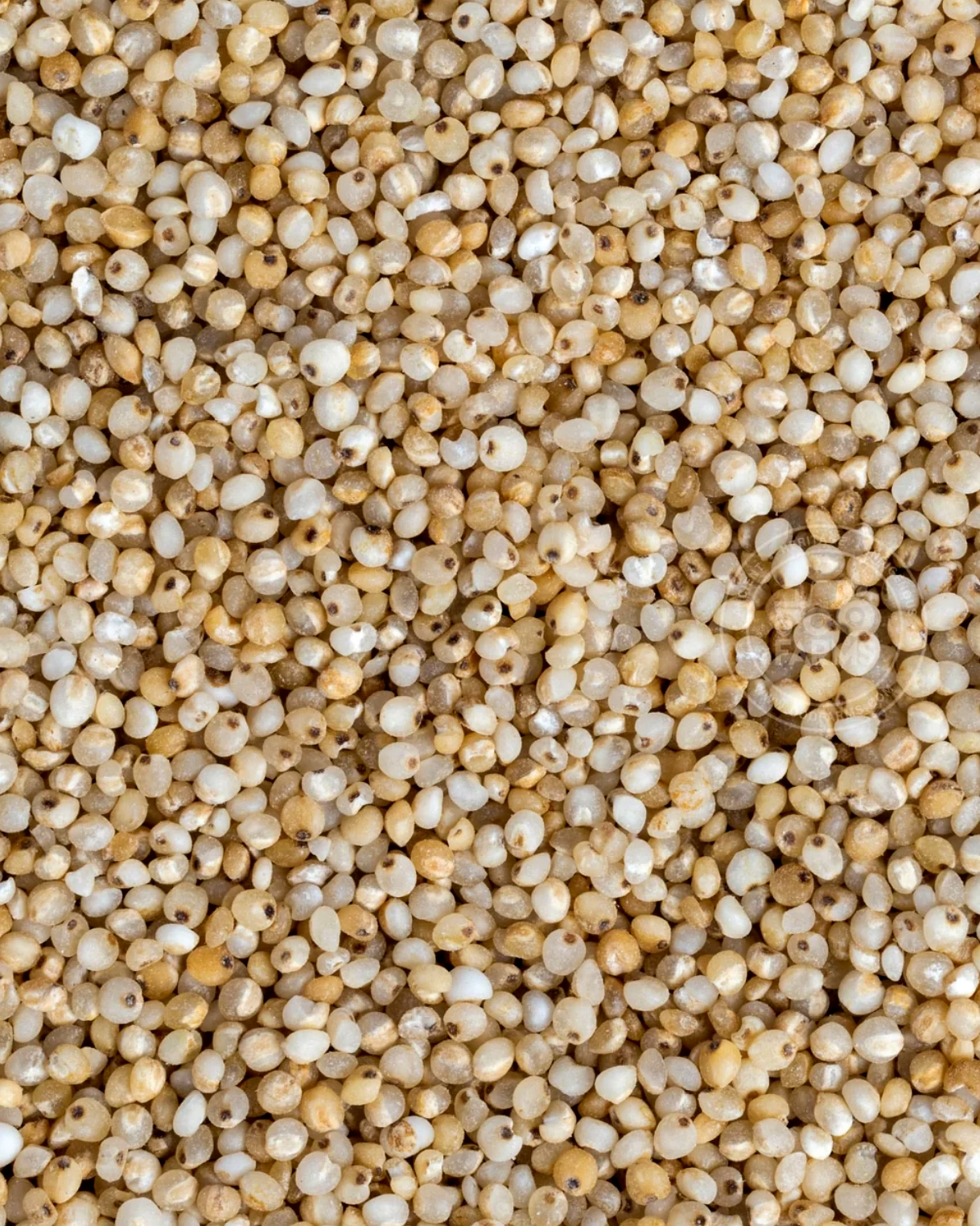
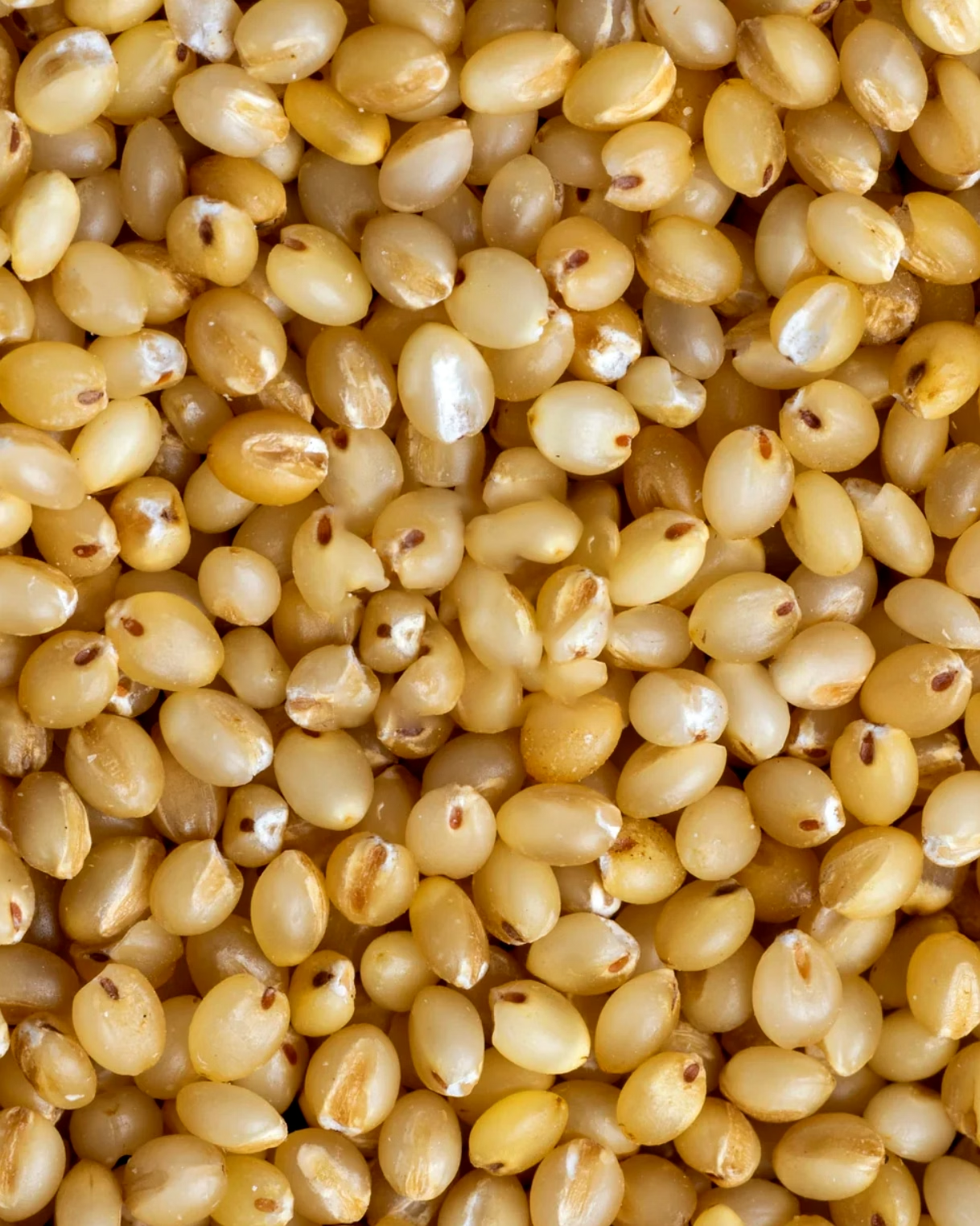
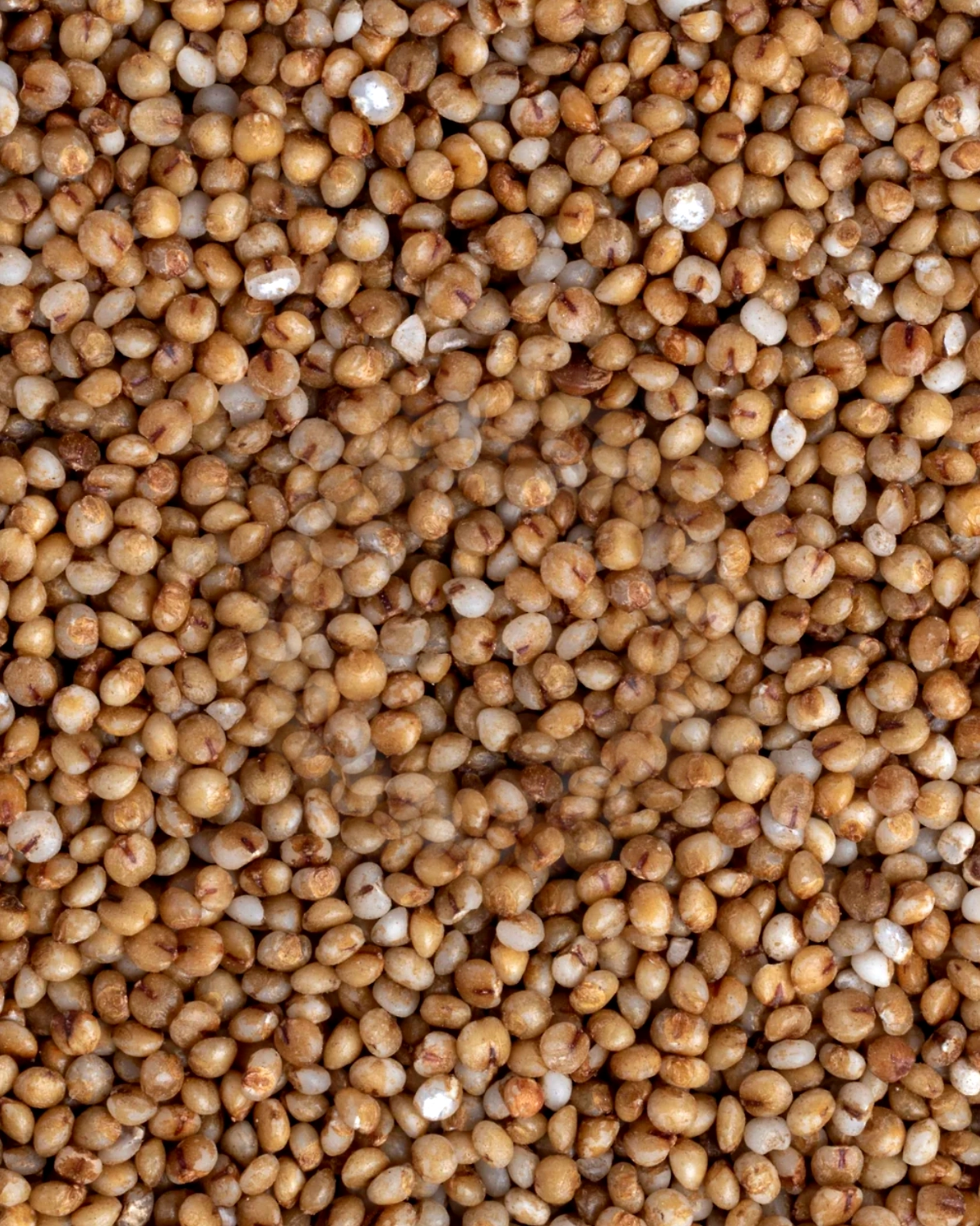
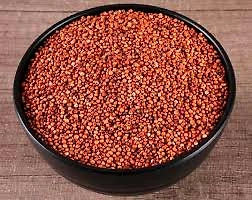
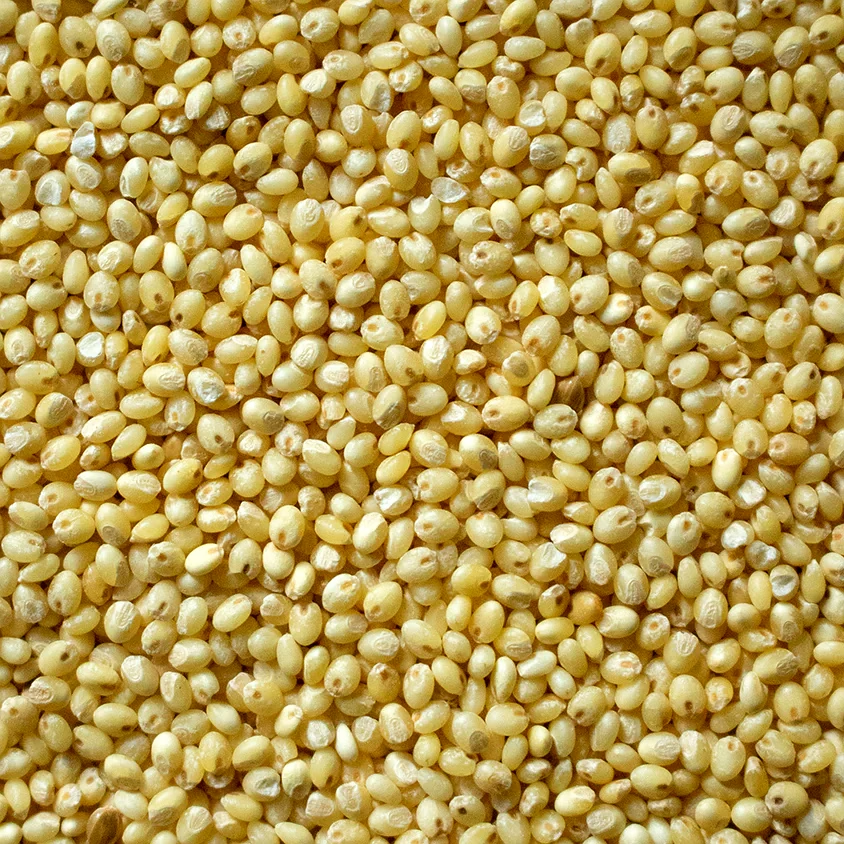
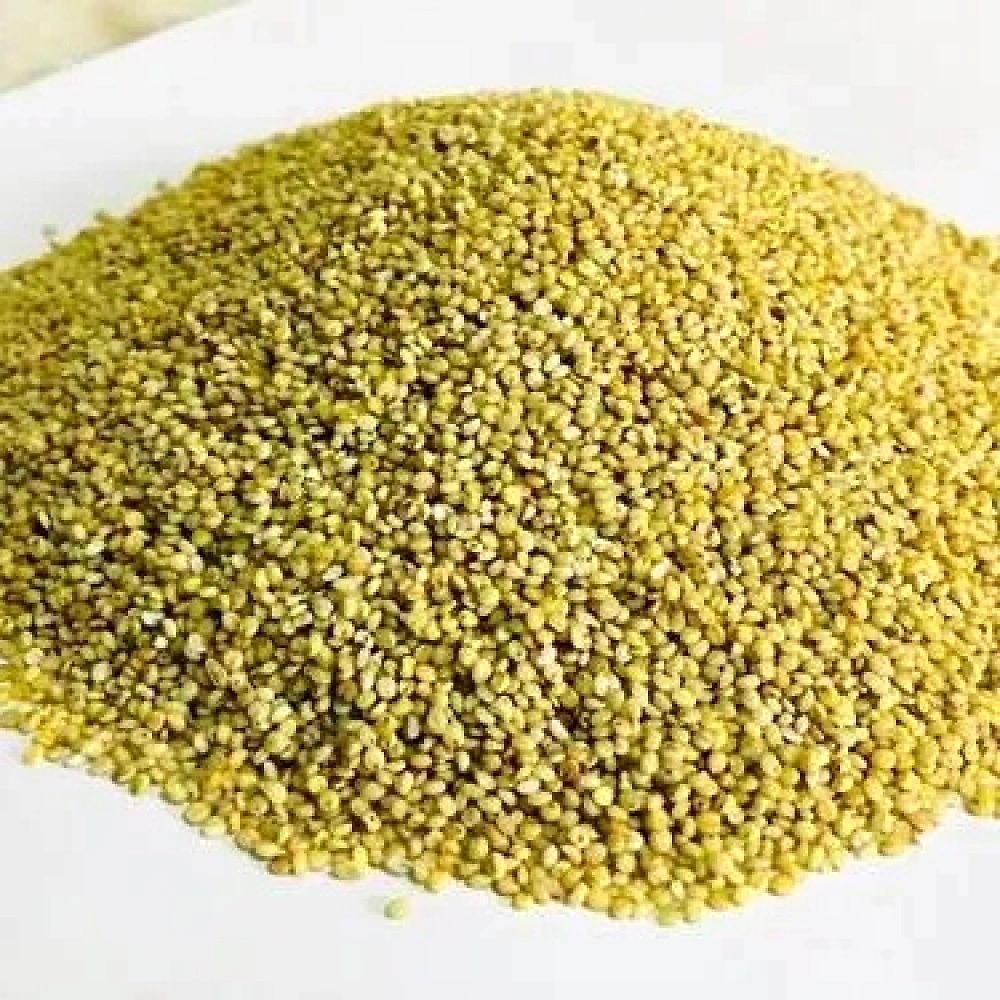
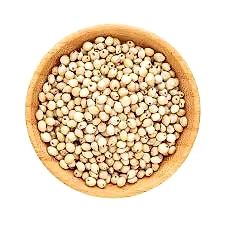
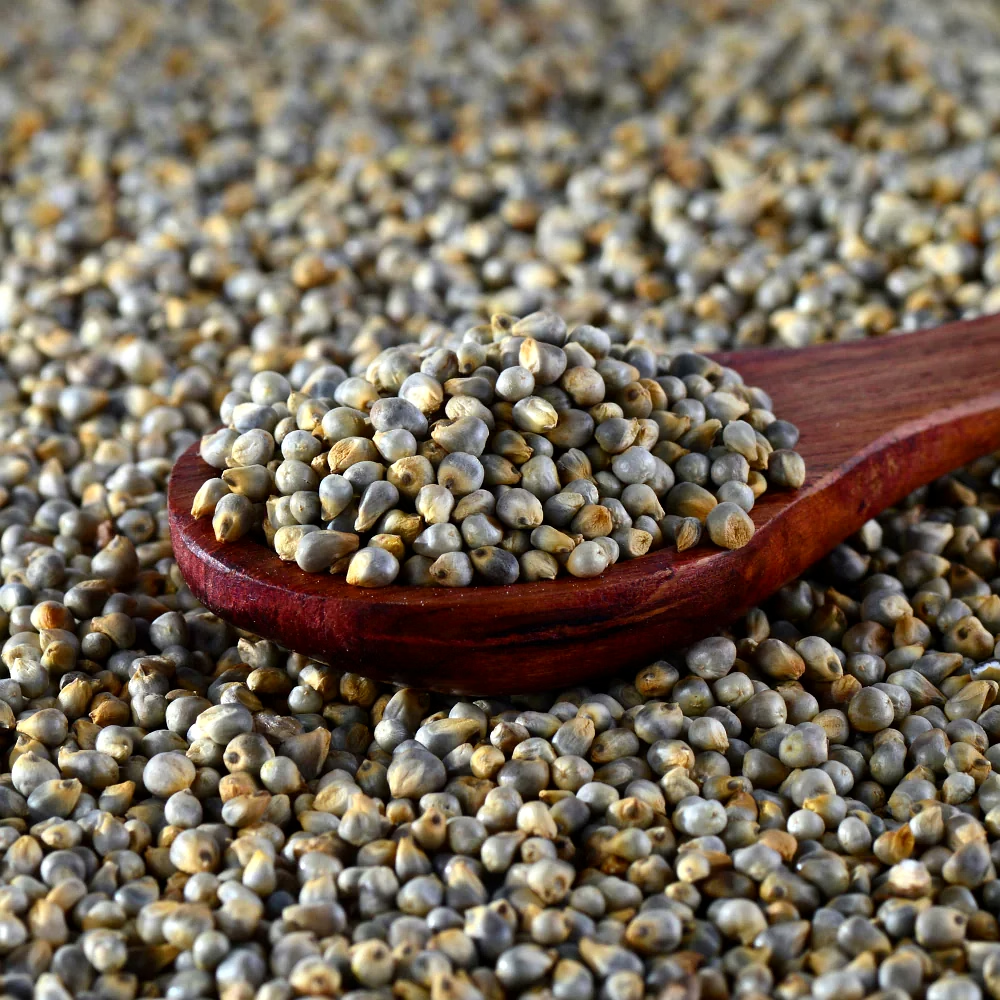
Pearl millet, scientifically known as Pennisetum glaucum, is a highly resilient cereal grain that thrives in arid and semi-arid regions, offering a sustainable solution to food security in challenging climates. Originating from Africa, this drought-resistant crop is a staple in many African and Asian countries, providing essential nutrients for millions. Rich in protein, fiber, and vital minerals like iron, phosphorus, and magnesium, pearl millet is an excellent source of nutrition, particularly for populations in regions where other staple crops may fail due to water scarcity. Its gluten-free nature makes it suitable for individuals with gluten intolerance, enhancing its versatility in various culinary applications. In India, this super grain is popularly known as 'bajra,' where it is traditionally ground into flour used for making flatbreads and porridge. Pearl millet’s added benefits, including its ability to serve as quality livestock feed and its ongoing research and development efforts aimed at improving its yield and resistance to pests, make it a critical component of sustainable agricultural practices and a vital ingredient in promoting health and well-being.
Key Features
| Features | Description |
|---|---|
| Drought Resistance | Thrives in arid and semi-arid regions with minimal water requirements. |
| Rich Nutritional Profile | High in protein, fiber, iron, phosphorus, and magnesium. |
| Gluten-Free | Safe for individuals with gluten intolerance. |
| Culinary Versatility | Can be used to make flatbreads, porridge, and other traditional dishes. |
| Animal Feed Potential | Serves as high-quality fodder for livestock. |
| Attributes | Description |
|---|---|
| Scientific Name | Pennisetum glaucum |
| Origin | Africa |
| Nutritional Elements | Protein, Fiber, Iron, Phosphorus, Magnesium |
| Climate Adaptability | Perfect for hot and arid climates |
| Gluten-Free | Yes |
| Forms of Use | Ground into flour, whole seeds, animal fodder |
| Research Focus | Improving yield, pest resistance, and climate adaptability |
*Disclaimer: The above description has been AI-generated and has not been audited or verified for accuracy. It is recommended to verify product details independently before making any purchasing decisions.
Pearl millet is rich in protein, fiber, iron, phosphorus, and magnesium, making it a highly nutritious option for maintaining good health.
Due to its drought resistance and adaptability to arid climates, pearl millet provides a stable food source, particularly in regions facing water scarcity.
In India, pearl millet flour, known as 'bajra,' is used to make traditional dishes like roti and porridge, while in Africa, it is often consumed as porridge or cooked grain.
Yes, pearl millet is an excellent source of nutrition for livestock and is often used as fodder due to its high nutritional value.
Research is focused on improving the yields of pearl millet, enhancing its resistance to pests, and increasing its adaptability to varying climatic conditions.
Country Of Origin: India
Pearl millet is a drought-resistant cereal crop widely grown in arid and semi-arid regions. Rich in fiber, protein, and essential nutrients, it is a staple food in many parts of Africa and Asia. Its resilience and nutritional benefits make it vital for food security and health.
Pearl millet, is a type of millet grain widely cultivated and consumed in various regions around the world. Here are some key points about pearl millet:
Overall, pearl millet is a versatile and nutritious grain that plays a vital role in food security and agriculture in many parts of the world, especially in regions with challenging climates. Its resilience and nutritional benefits make it an important crop for both human consumption and animal feed.