Inclusive of all taxes
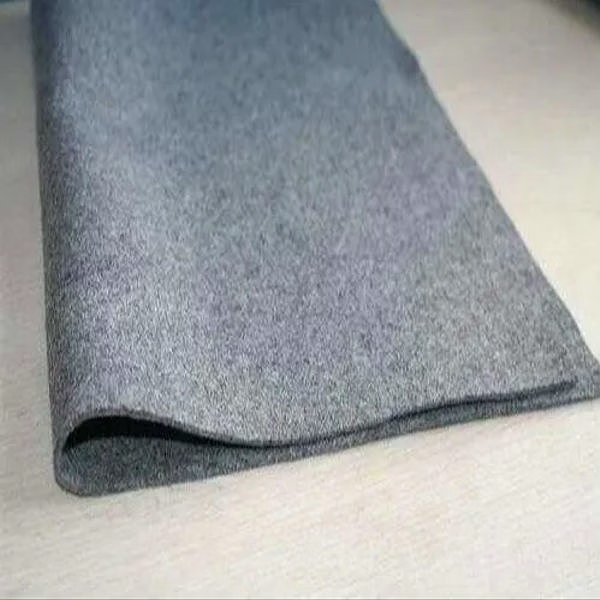
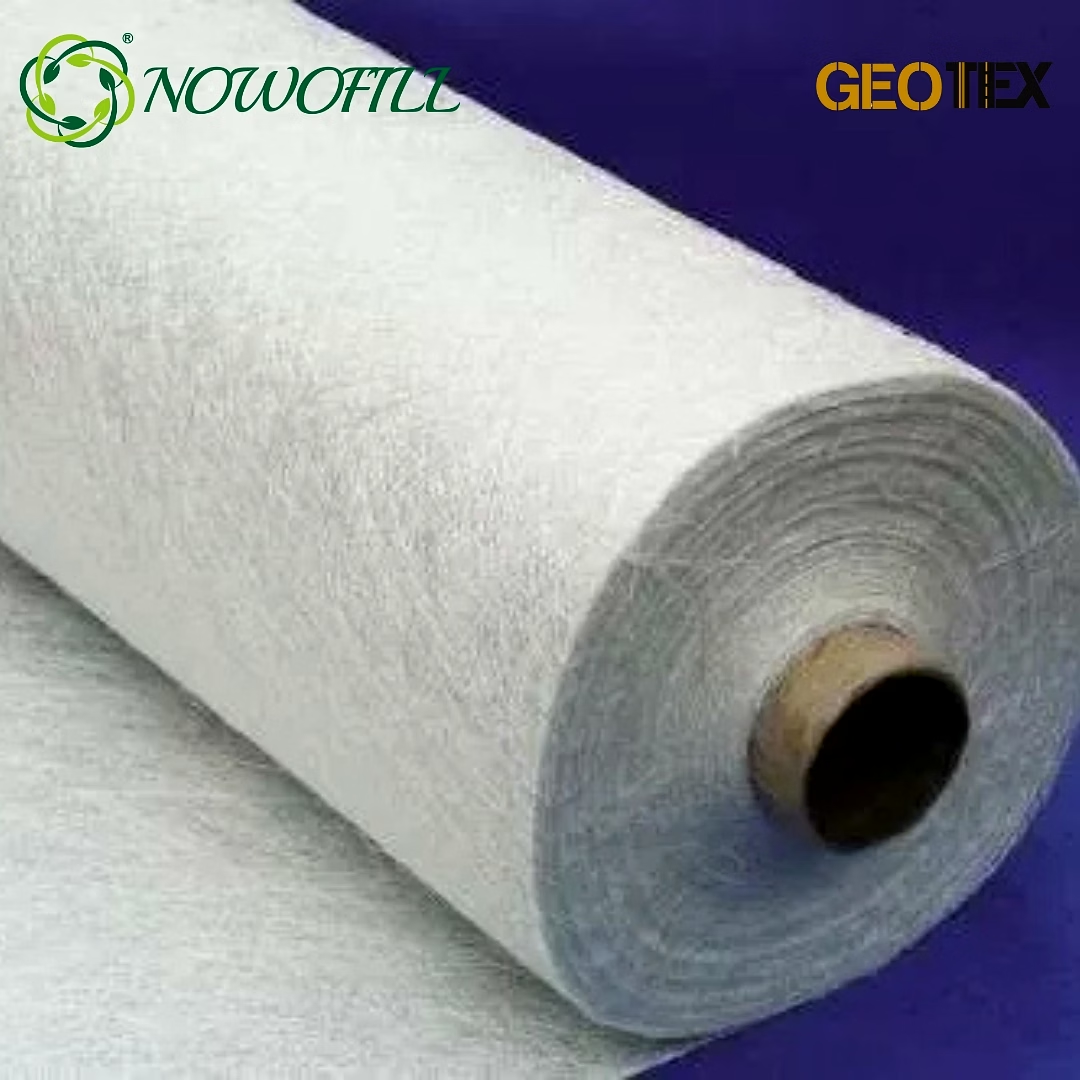
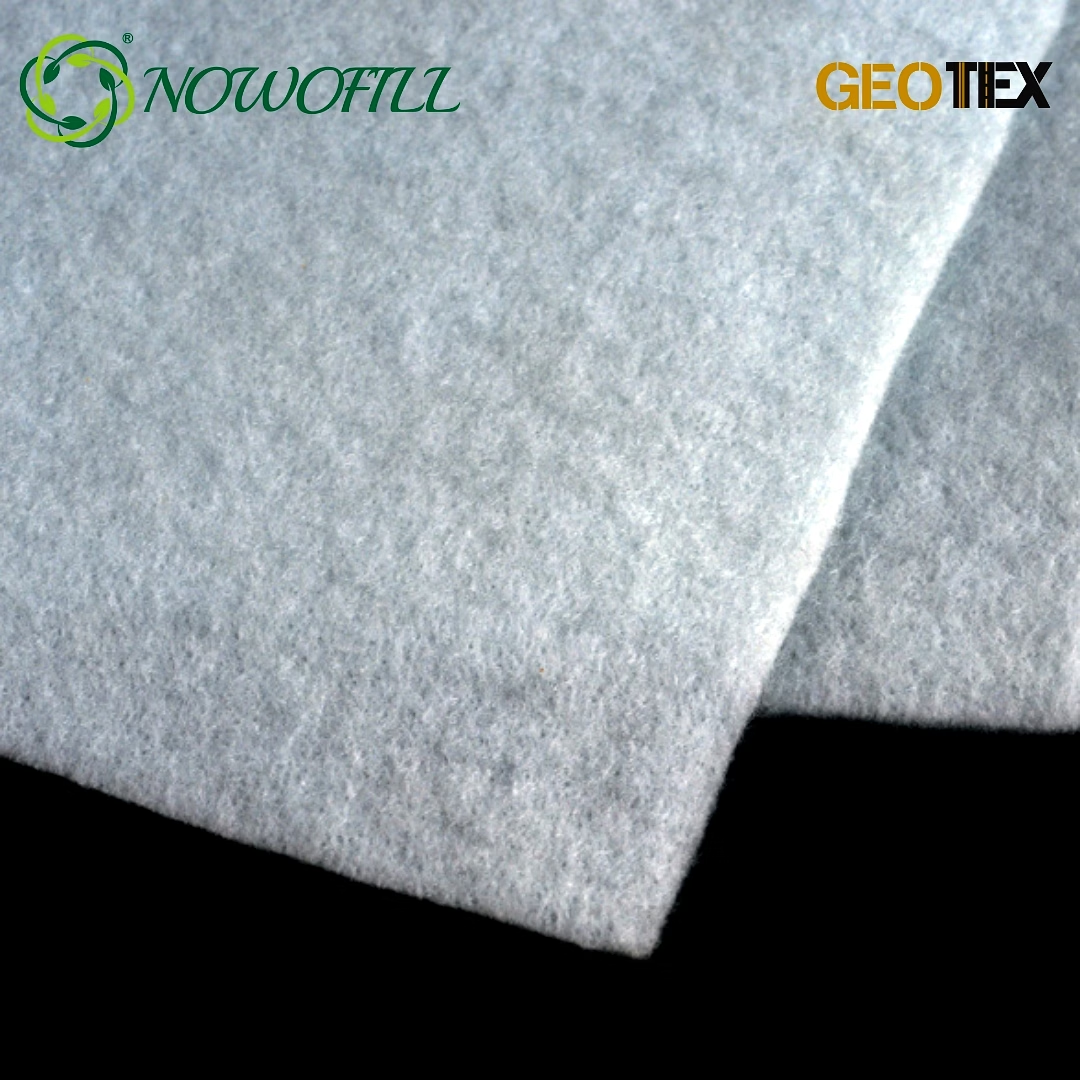
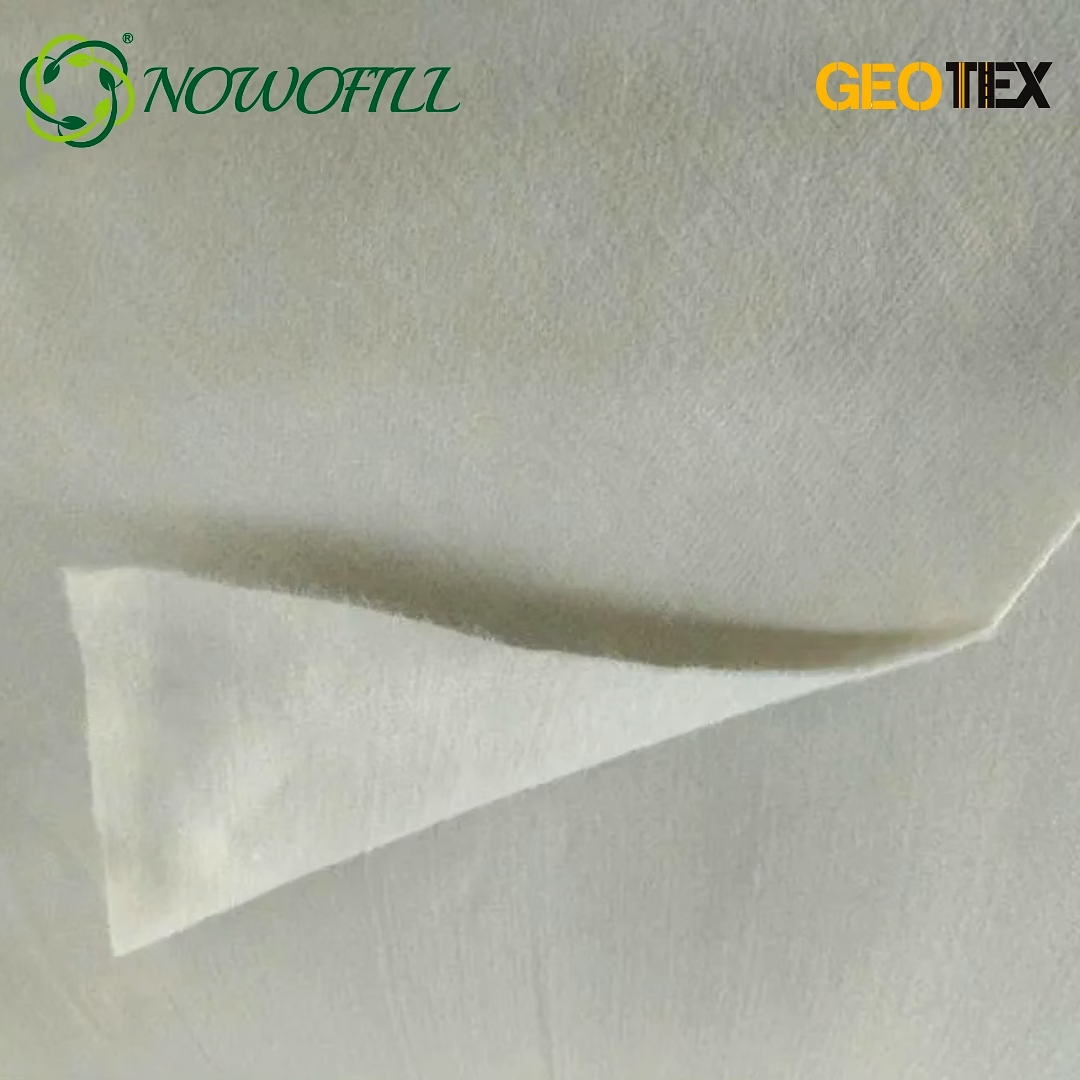
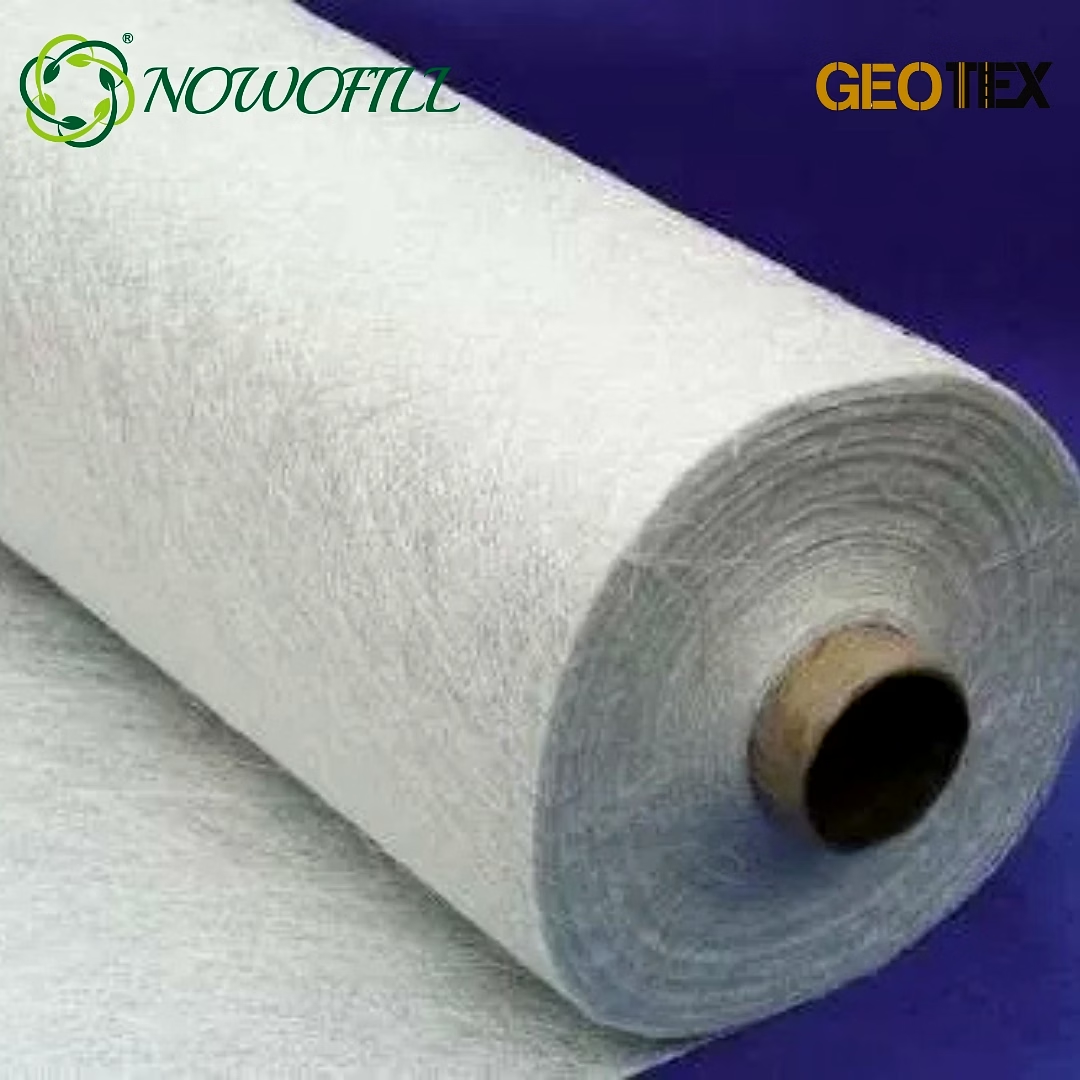
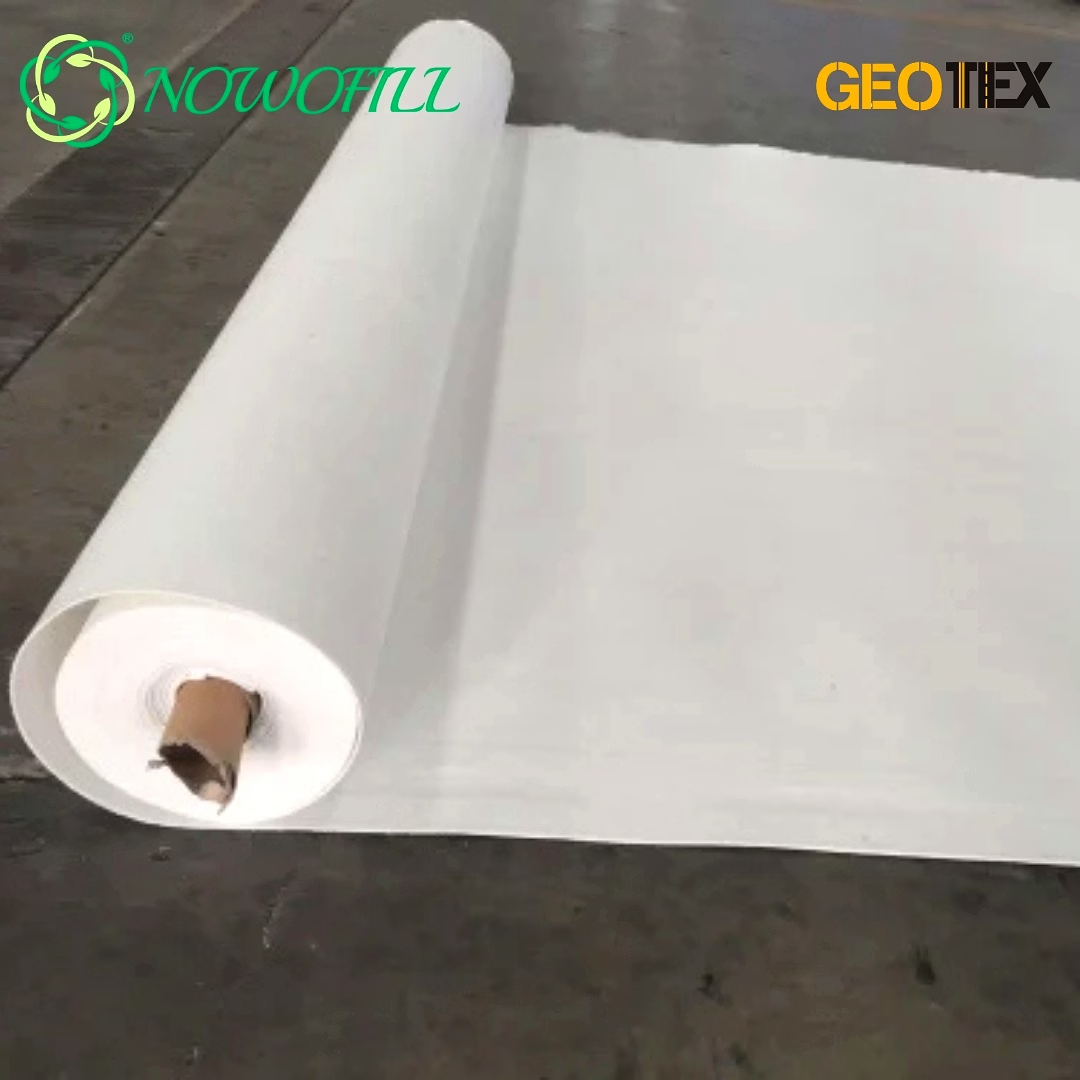
Nowofill PET Non Woven Needle Punched Geotextiles are premium-grade, polyester fiber fabrics produced using an advanced needle punching technique. These geotextiles are engineered to provide exceptional strength, permeability, and dimensional stability, making them indispensable in civil engineering projects requiring soil stabilization, filtration, separation, and reinforcement. Their robust construction ensures effective drainage and erosion control, enhancing the structural integrity of roads, embankments, retaining walls, and landfill sites. Designed for durability and performance, these PET geotextiles prevent soil contamination while facilitating water flow, thus significantly extending the lifespan and sustainability of infrastructure. Their lightweight yet tough nature allows easy handling and installation, contributing to faster project completion and reduced labor costs. Nowofill PET Non Woven Needle Punched Geotextiles deliver reliable, eco-friendly solutions adhering to stringent industry standards.
Key Features
| Features | Description |
|---|---|
| Material | Polyester (PET) fibers |
| Manufacturing Process | Needle punched non-woven technology |
| Tensile Strength | High tensile strength for soil reinforcement |
| Permeability | Excellent water permeability ensuring effective drainage |
| Durability | Resistant to UV, chemical degradation, and biological aging |
| Applications | Road construction, embankments, retaining structures, landfills |
| Thickness | Available in various thicknesses to meet project specifications |
| Installation | Lightweight and flexible for easy handling and installation |
| Environmental Impact | Eco-conscious and sustainable choice |
| Separation Function | Prevents soil mixing to maintain structural integrity |
| Attributes | Description |
|---|---|
| Fiber Type | Polyester (PET) |
| Fabric Type | Non-woven, needle punched |
| Weight Range | Typically 100 to 600 g/m² |
| Thickness Range | 1.0 mm to 7.0 mm |
| Tensile Strength | Ranges from 20 kN/m to 50 kN/m (varies by grade) |
| Elongation at Break | Typically between 40% to 70% |
| Water Permeability | High, ensures efficient filtration and drainage |
| UV Resistance | Durable against prolonged UV exposure |
| Chemical Resistance | Resistant to alkalis, acids, and biological degradation |
| Width Availability | Typically up to 6 meters-wide rolls |
*Disclaimer: The above description has been AI-generated and has not been audited or verified for accuracy. It is recommended to verify product details independently before making any purchasing decisions.
They provide superior tensile strength and dimensional stability, which reinforces soil layers, improves load distribution, reduces rutting, and extends the service life of roads.
Needle punching entangles polyester fibers mechanically, creating a durable, permeable fabric with excellent filtration and separation properties that withstand mechanical stresses better than woven alternatives.
Yes, these geotextiles exhibit high chemical resistance to alkalis, acids, and biological degradation, making them suitable for landfill liners and containment applications.
They come in a range of weights from 100 to 600 g/m² and thicknesses between 1.0 mm and 7.0 mm to suit applications from light filtration to heavy reinforcement.
Their permeability aids natural drainage preventing waterlogging, they reduce the need for additional aggregate materials, and their durability minimizes replacement frequency thereby lowering environmental impact.
Country Of Origin: India
PET Non Woven Needle Punched Geotextiles are strong, permeable fabrics made from polyester fibers. They provide excellent filtration, separation, and reinforcement for soil stabilization, road construction, drainage, and erosion control.
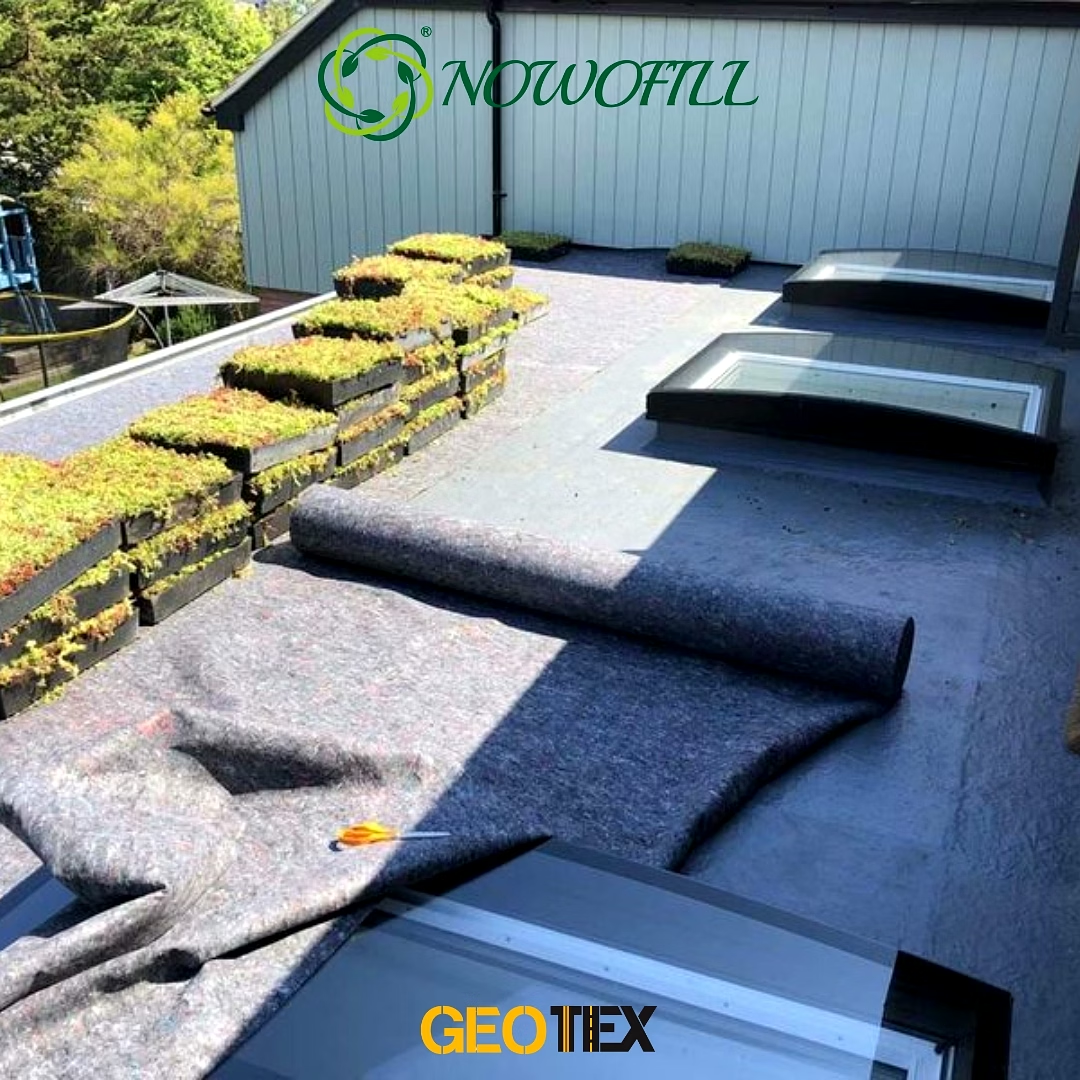
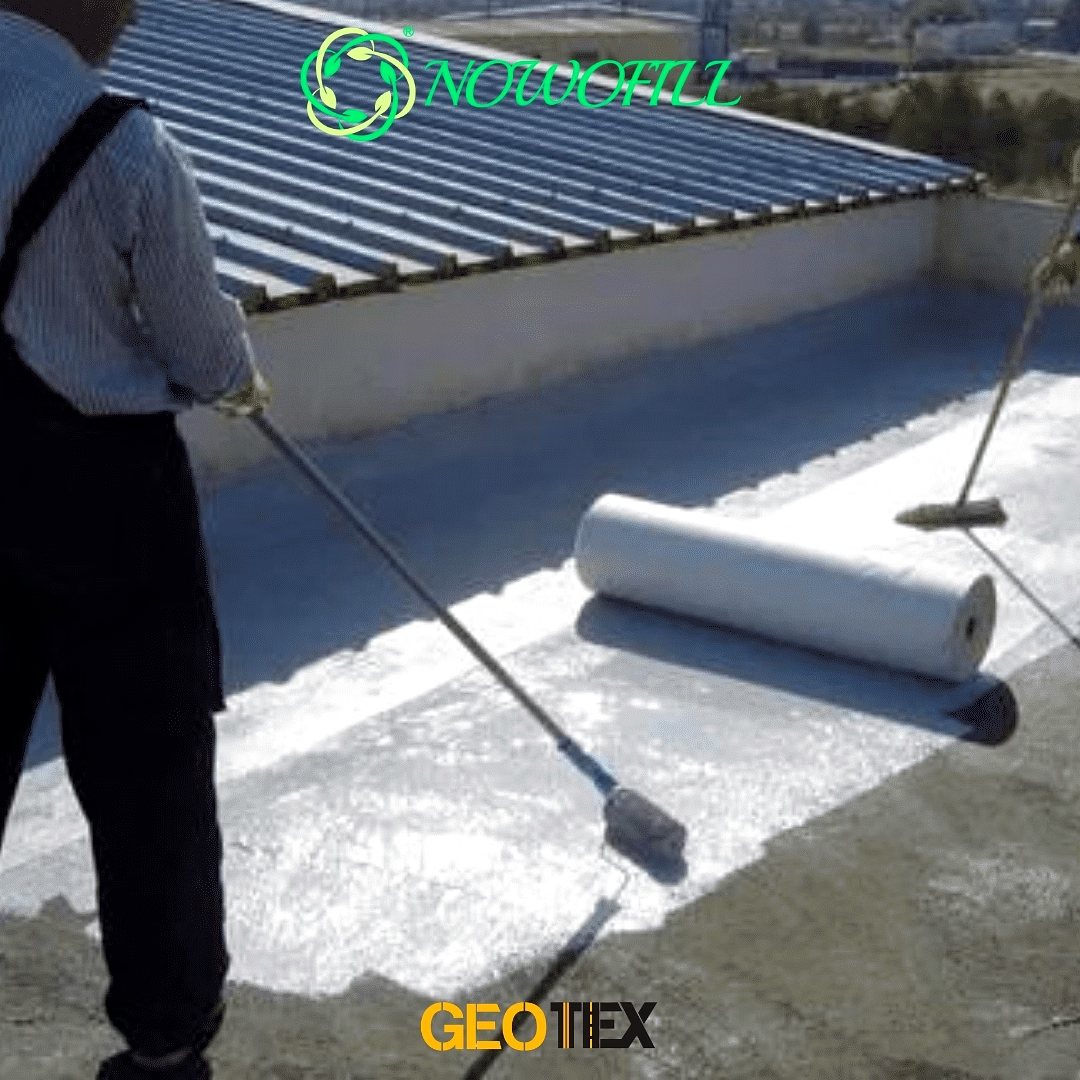
Nowofill PET Non Woven Needle Punched Geotextiles are high-performance, durable fabrics made from polyester fibers using the needle punching method. These geotextiles offer superior strength, dimensional stability, and permeability, making them ideal for applications such as soil reinforcement, drainage, filtration, and erosion control. Widely used in road construction, embankments, retaining structures, and landfills, they help improve ground performance while extending the life of infrastructure in a cost-effective and eco-conscious way.
Inclusive of all taxes
You Save: 0