Inclusive of all taxes
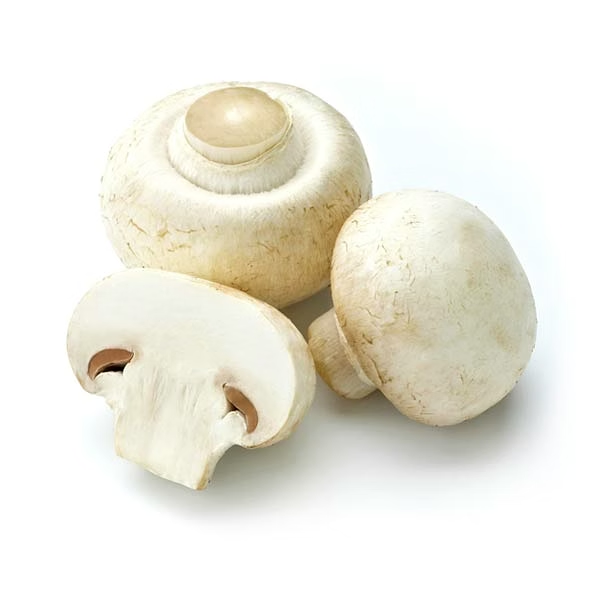
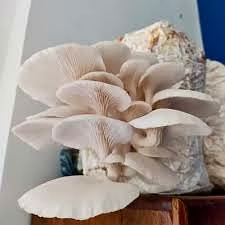
The Oyster Mushroom (Pleurotus ostreatus) is a highly sought-after edible fungus known for its delicate texture, mild savory flavor, and impressive nutritional profile. Widely cultivated for commercial supply, this mushroom variety thrives on a range of lignocellulosic agricultural waste substrates such as straw and sawdust, making it an eco-friendly choice for sustainable farming operations. Oyster mushrooms are not only prized for their culinary versatility—used in soups, stir-fries, and sauces—but also valued for their high protein content, essential vitamins (B-complex, D), antioxidants, and dietary fiber. These mushrooms exhibit rapid growth and high yield potential, making them an excellent crop for mushroom producers targeting both fresh and processed food markets. Due to their porous cap structure and minimal cultivation requirements, oyster mushrooms are cost-effective to produce and have a relatively short cultivation cycle of around 3-4 weeks. This product is ideally suited for food manufacturers, restaurants, health food suppliers, and wholesalers who demand top-quality oyster mushrooms with consistent size, freshness, and flavor.
Key Features
| Features | Description |
|---|---|
| Scientific Name | Pleurotus ostreatus |
| Flavor Profile | Mild, savory, slightly woody |
| Texture | Tender, delicate, oyster-shaped caps |
| Cultivation Substrate | Straw, sawdust, agricultural waste |
| Nutritional Benefits | Rich in protein, vitamins B & D, antioxidants, dietary fiber |
| Growth Cycle | 3-4 weeks from inoculation to harvest |
| Shelf Life | 7-10 days under refrigeration |
| Usage | Culinary applications including soups, stir-fries, sauces |
| Packaging | Bulk or MAP-packed for extended freshness |
| Sustainability | Cultivated on organic agricultural by-products, eco-friendly |
| Attributes | Description |
|---|---|
| Moisture Content | 85-90% |
| Cap Diameter | 5 to 25 cm |
| Color | White to light grey |
| Harvest Season | Year-round, depending on cultivation conditions |
| Storage Temperature | 0 to 4°C recommended |
| Packaging Weight Options | 1 kg, 5 kg, or custom bulk packaging |
| Origin | Varies by supplier, commonly Asia, Europe |
| Certification | Organic and food safety certifications available on request |
*Disclaimer: The above description has been AI-generated and has not been audited or verified for accuracy. It is recommended to verify product details independently before making any purchasing decisions.
Oyster mushrooms grow best on lignocellulosic substrates such as wheat straw, rice straw, and hardwood sawdust, which provide the necessary nutrients and moisture for rapid mycelial colonization and fruiting.
Yes, with controlled indoor environments regulating temperature, humidity, and light, oyster mushrooms can be cultivated and harvested throughout the year to meet consistent supply demands.
Modified Atmosphere Packaging (MAP) is commonly used to extend the freshness of oyster mushrooms by reducing oxygen exposure and moisture loss, thus maintaining quality during transit.
Yes, many suppliers offer organically certified oyster mushrooms that adhere to strict cultivation protocols excluding chemical pesticides and fertilizers.
Commercially supplied oyster mushrooms generally contain approximately 3-4% protein by fresh weight, making them an excellent alternative protein source in food industry applications.
Country Of Origin: India
Inclusive of all taxes
You Save: 0
Service Provider , Manufacturer, Retailer, Brand Owner, Exporter, Wholesaler, Startup
GST- 24cabpg0602d2zp