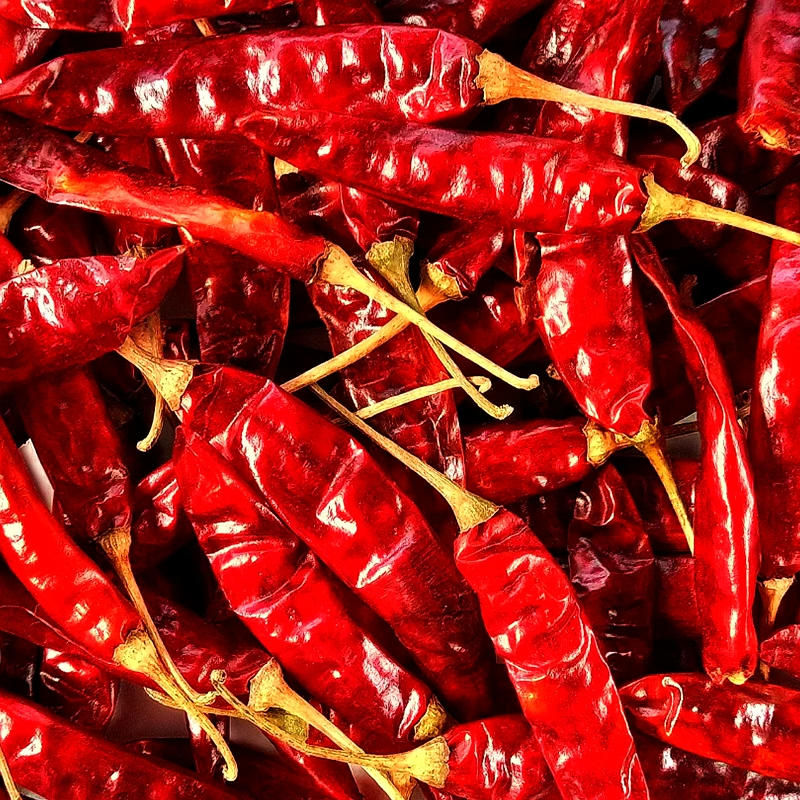
ONION (Allium cepa) is a versatile and widely cultivated vegetable renowned for its pungent aroma and rich sulfur compound content. This allium genus member is integral to global cuisines, adding depth and flavor to a variety of dishes whether used raw, sautéed, or caramelized. Available primarily in yellow, red, and white varieties, each type offers unique flavor profiles suited for different culinary applications. Beyond its culinary use, onion is celebrated for its health-promoting properties, including antioxidant benefits and anti-inflammatory effects, making it a valuable ingredient for both food industry professionals and health-conscious businesses.
Key Features
| Features | Description |
|---|---|
| Scientific Name | Allium cepa |
| Varieties Available | Yellow onion, Red onion, White onion |
| Flavor Profile | Pungent, slightly sweet or sharp depending on type |
| Culinary Uses | Raw, cooked, caramelized in various dishes |
| Health Benefits | Rich in antioxidants and has anti-inflammatory properties |
| Shelf Life | Several weeks when stored in dry, cool conditions |
| Cultivation | Widely cultivated worldwide with multiple harvest seasons |
| Storage Recommendations | Store in a cool, dry, well-ventilated place away from moisture |
| Attributes | Description |
|---|---|
| Botanical Family | Amaryllidaceae |
| Plant Type | Biennial, grown as annual |
| Common Varieties | Yellow, red, white |
| Average Bulb Size | 5-10 cm in diameter |
| Color Range | Yellow to red to white |
| Flavor Compounds | Sulfur-containing compounds |
| Nutritional Content | Contains Vitamin C, B6, manganese, antioxidants |
| Packaging Options | Bulk sacks, mesh bags, cartons |
| Typical Usage Industry | Food processing, culinary, fresh produce supply |
| Storage Temperature | 0-4°C (optimal for prolonged storage) |
*Disclaimer: The above description has been AI-generated and has not been audited or verified for accuracy. It is recommended to verify product details independently before making any purchasing decisions.
Yellow onions have a strong flavor suitable for cooking, red onions are milder and often used raw, while white onions are sharp and crisp, ideal for salads and fresh applications.
Onions should be stored in cool, dry, and well-ventilated areas at temperatures between 0°C to 4°C to ensure longer shelf life and maintain quality.
Yes, these onions are suitable for use in food processing due to their consistent quality, size, and flavor profiles.
Yes, onions can be supplied in bulk sacks, mesh bags, or cartons tailored to the buyer’s requirement for efficient handling and storage.
Onions supplied comply with Indian agricultural standards; any use of pesticides is controlled and within legal norms to ensure safety and quality.
The onion, scientifically known as Allium cepa, is a widely cultivated vegetable belonging to the genus Allium. It is known for its pungent aroma and distinct flavor, which arises from sulfur compounds within the onion cells. Onions are versatile in culinary use, adding flavor to dishes when raw, cooked, or caramelized. They come in various types, including yellow onions, red onions, and white onions, each with slightly different flavor profiles and uses in cooking. Additionally, onions are known for their health benefits, such as being rich in antioxidants and having anti-inflammatory properties.