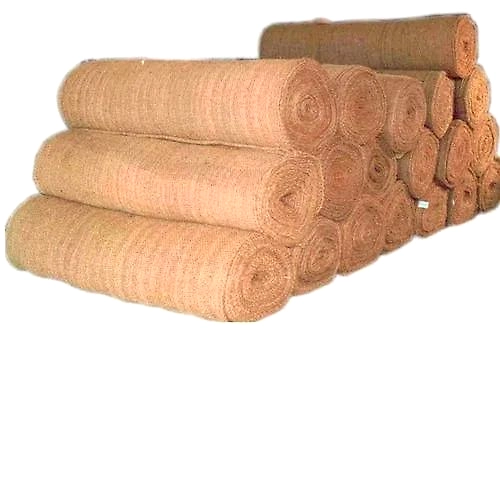
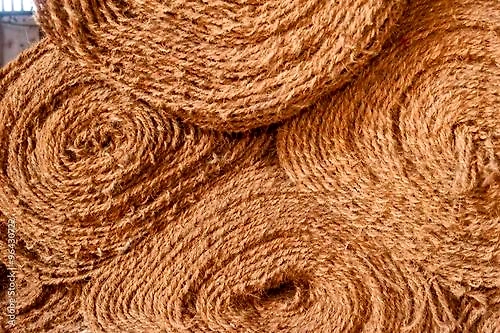
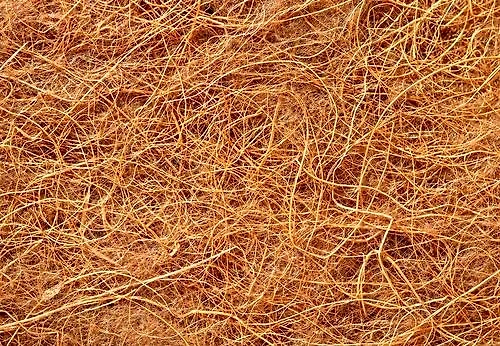
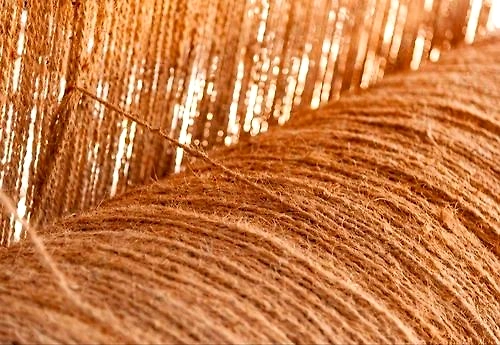
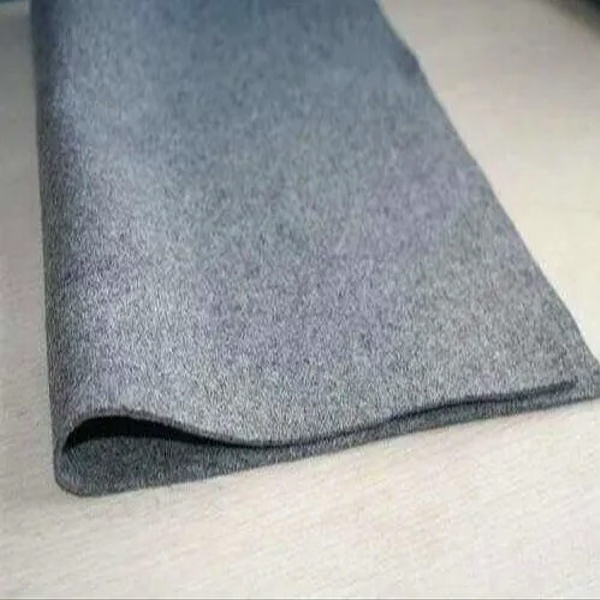
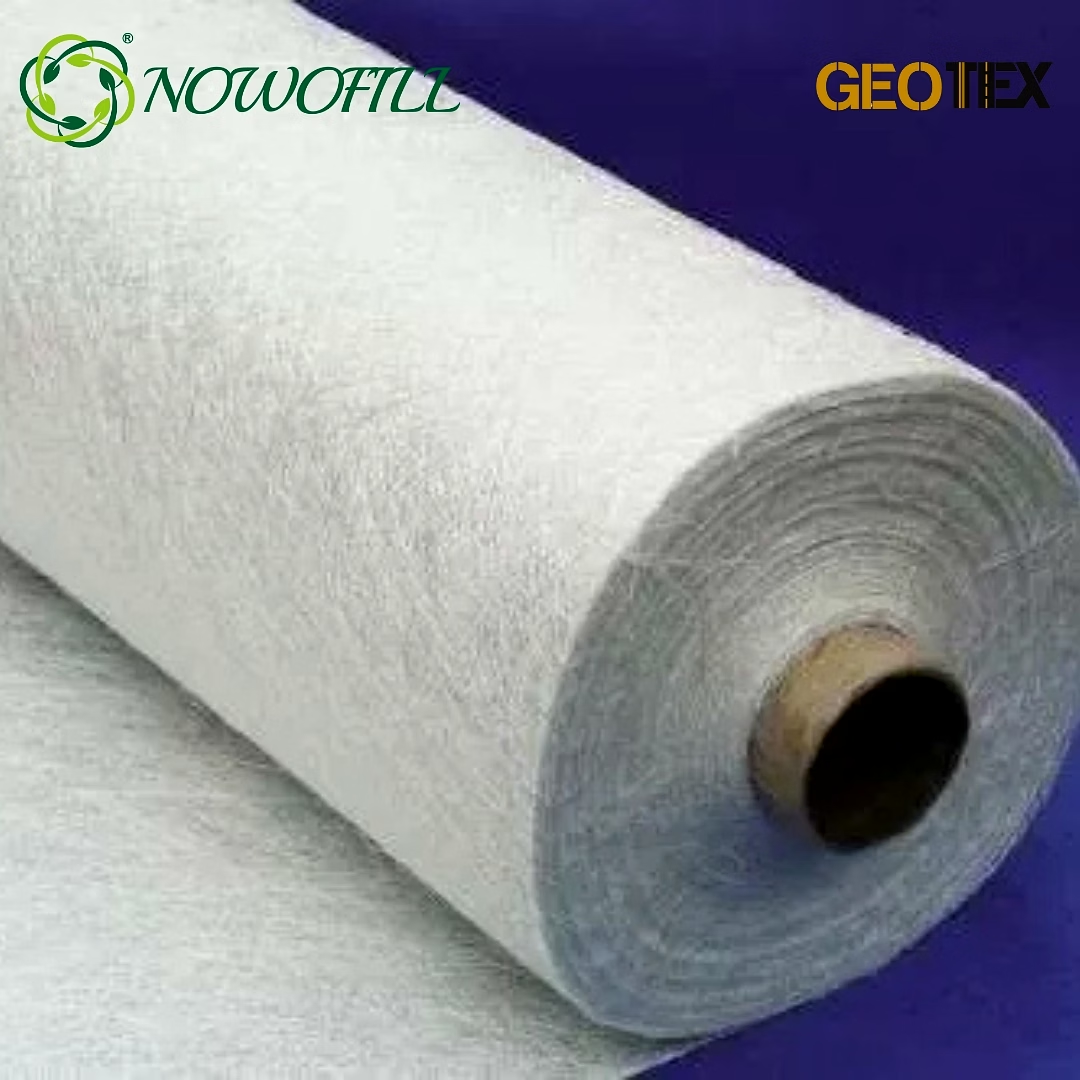
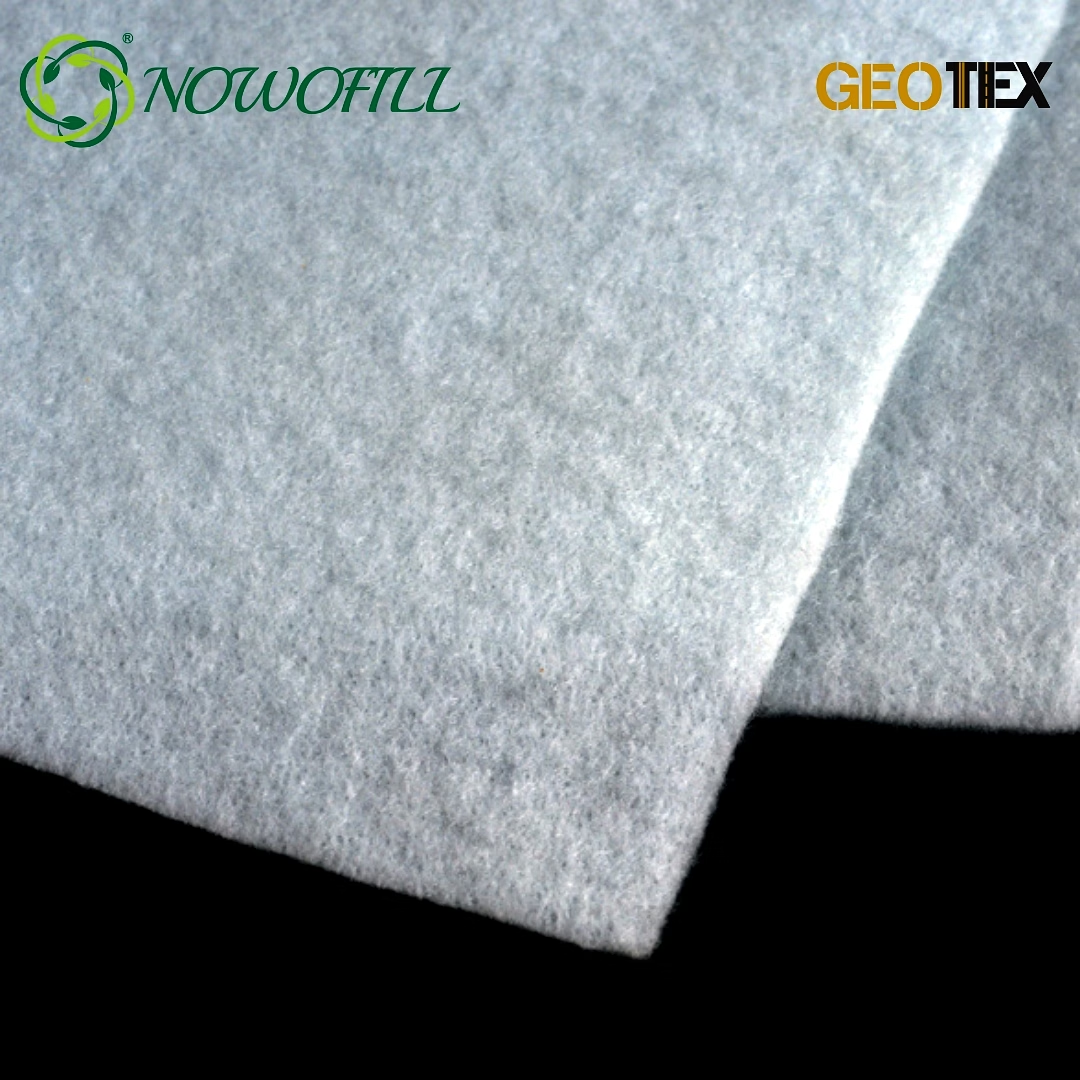
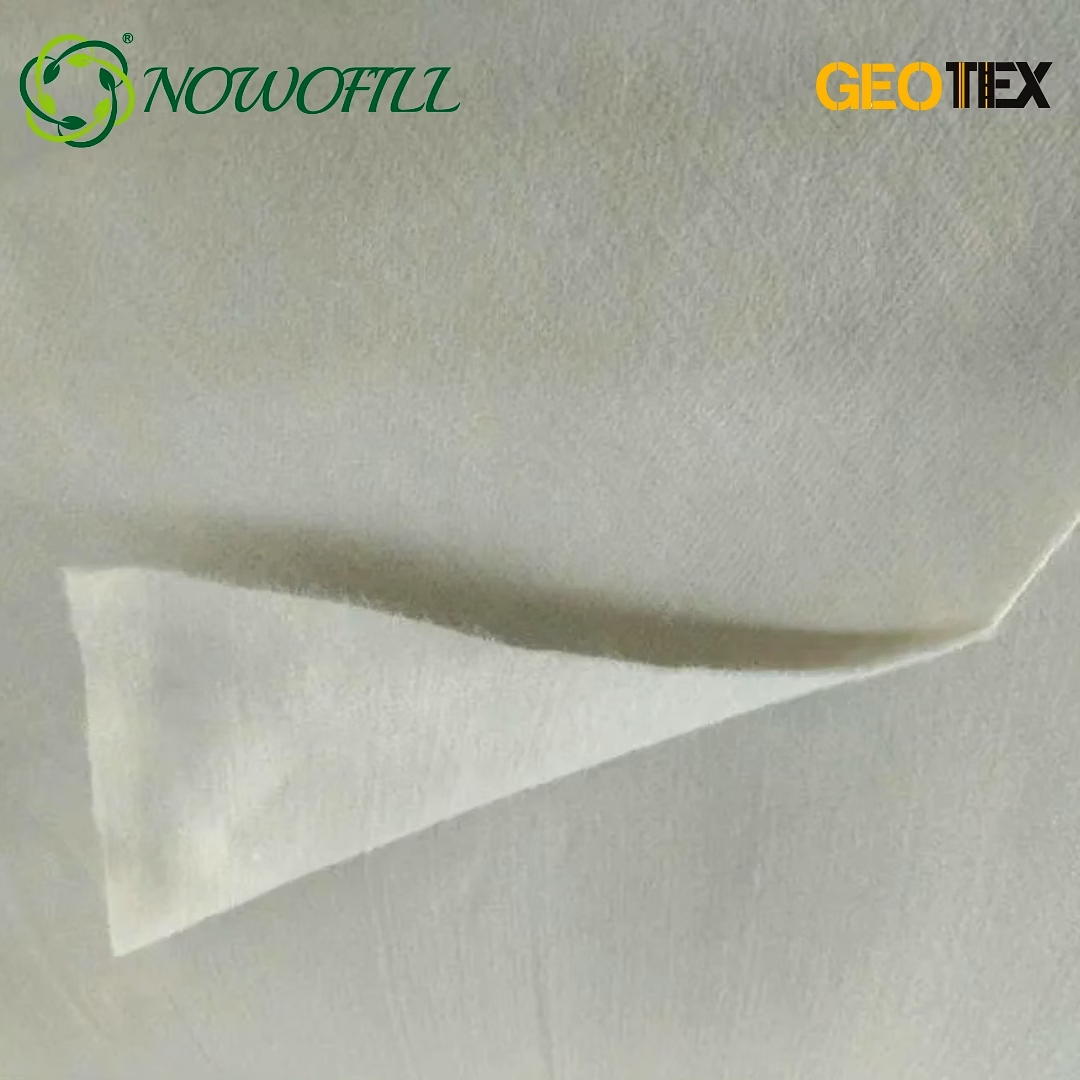
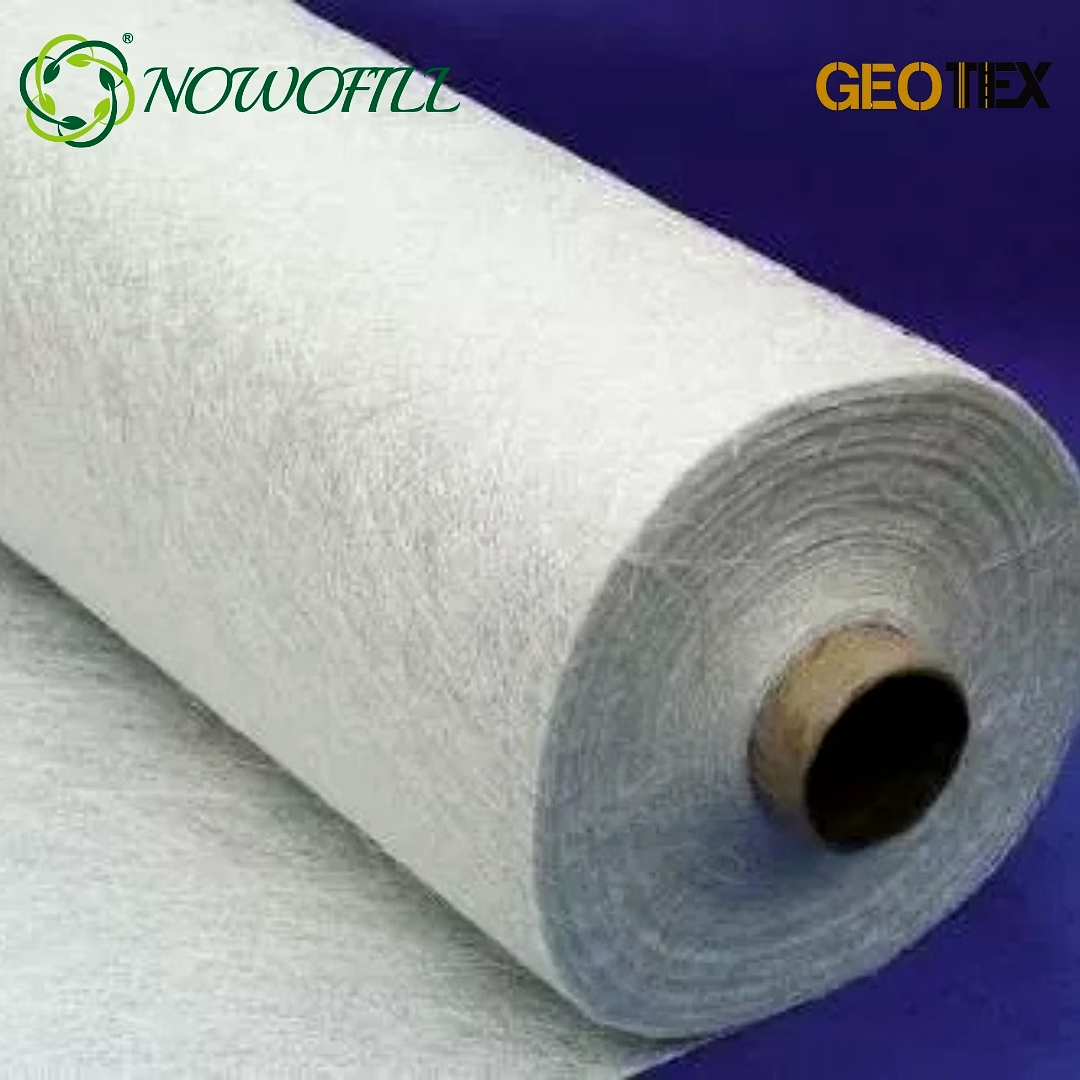
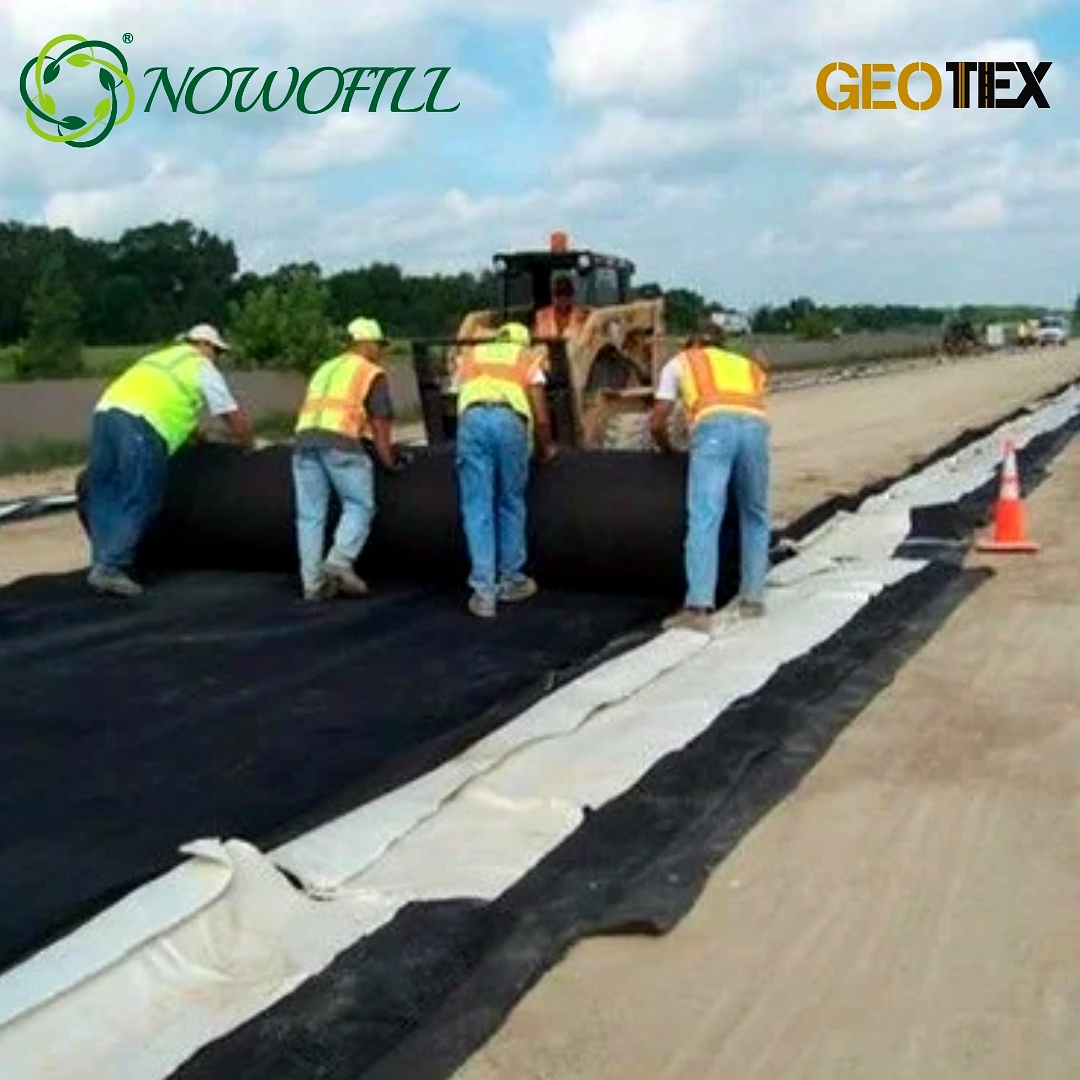
Nowofill Non-Woven Geotextile is a versatile and robust engineered fabric specifically designed to enhance infrastructure project performance through superior soil separation, filtration, drainage, and reinforcement. Manufactured from high-strength polyester or polypropylene fibers via a needle-punching bonding process, this geotextile offers exceptional durability and permeability that ensures optimum soil stabilization and erosion control. Ideal for critical applications such as road and railway subbase separation, landfill lining, pond lining, and retaining wall reinforcement, Nowofill Non-Woven Geotextile endures harsh environmental conditions without compromising on strength or functionality. Its unique combination of water permeability and mechanical resilience helps maintain soil structure, improves drainage efficiency, and extends the service life of civil engineering projects. Complimentary to both temporary and permanent installations, this product delivers reliable ground support, reduces maintenance costs, and promotes sustainable infrastructure development.
Key Features
| Features | Description |
|---|---|
| Material Composition | High-strength polyester or polypropylene fibers |
| Manufacturing Process | Needle-punching bonding |
| Primary Functions | Separation, filtration, drainage, soil reinforcement |
| Applications | Roads, railways, landfills, retaining walls, pond lining |
| Water Permeability | High permeability for efficient drainage |
| Durability | Designed for harsh environmental conditions |
| Soil Stabilization | Prevents soil erosion and improves soil stability |
| Flexibility | Suitable for both temporary and permanent civil engineering use |
| Longevity | Ensures long-lasting ground support and infrastructure protection |
| Attributes | Description |
|---|---|
| Fiber Type | Polyester or Polypropylene |
| Fabric Type | Non-woven geotextile |
| Bonding Method | Needle-punched |
| Water Permeability | High |
| Tensile Strength | Varies by GSM and specification, generally high for reinforcement |
| Thickness | Dependent on GSM selection |
| Color | Typically white or grey |
| Roll Size | Customizable, common widths range from 1m to 6m |
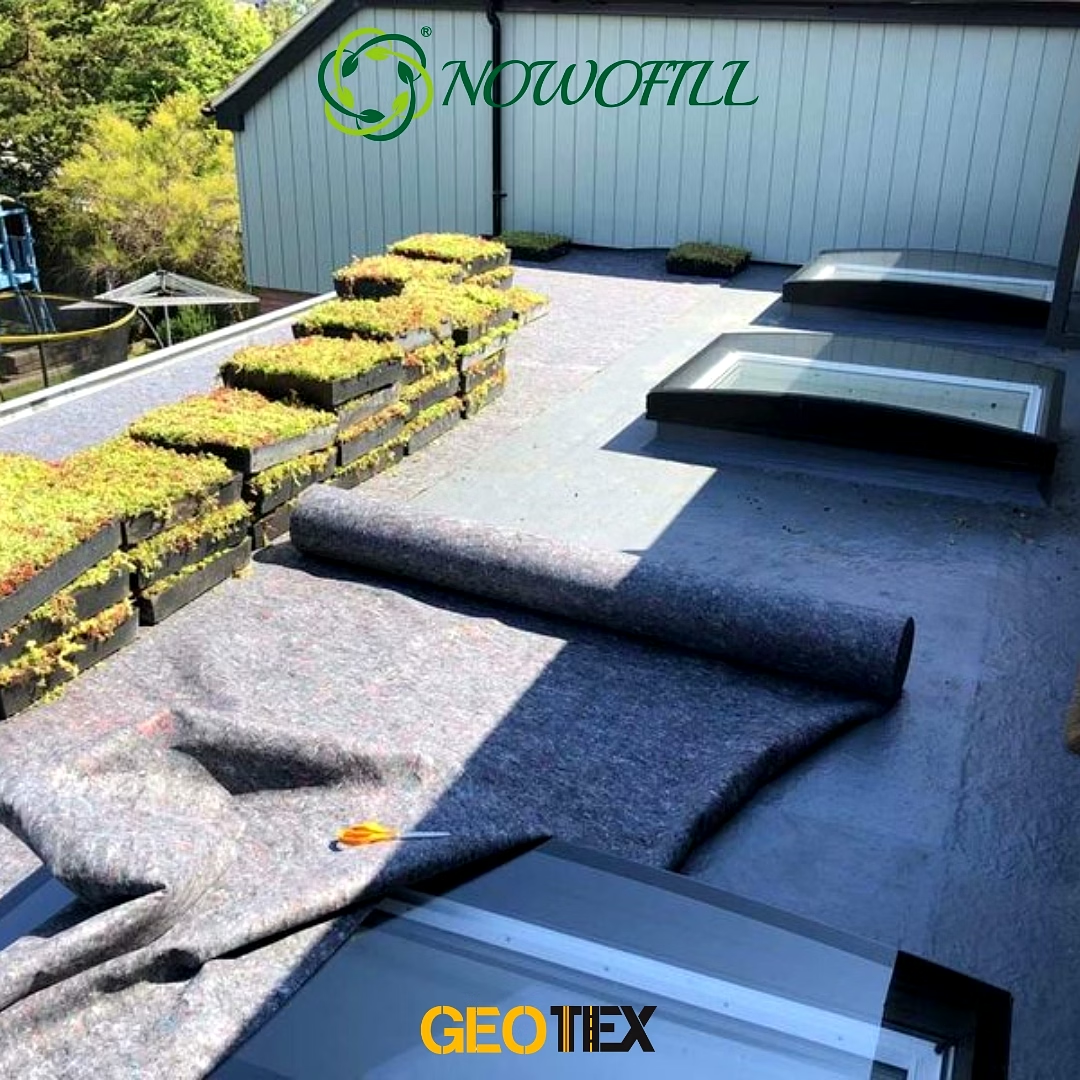
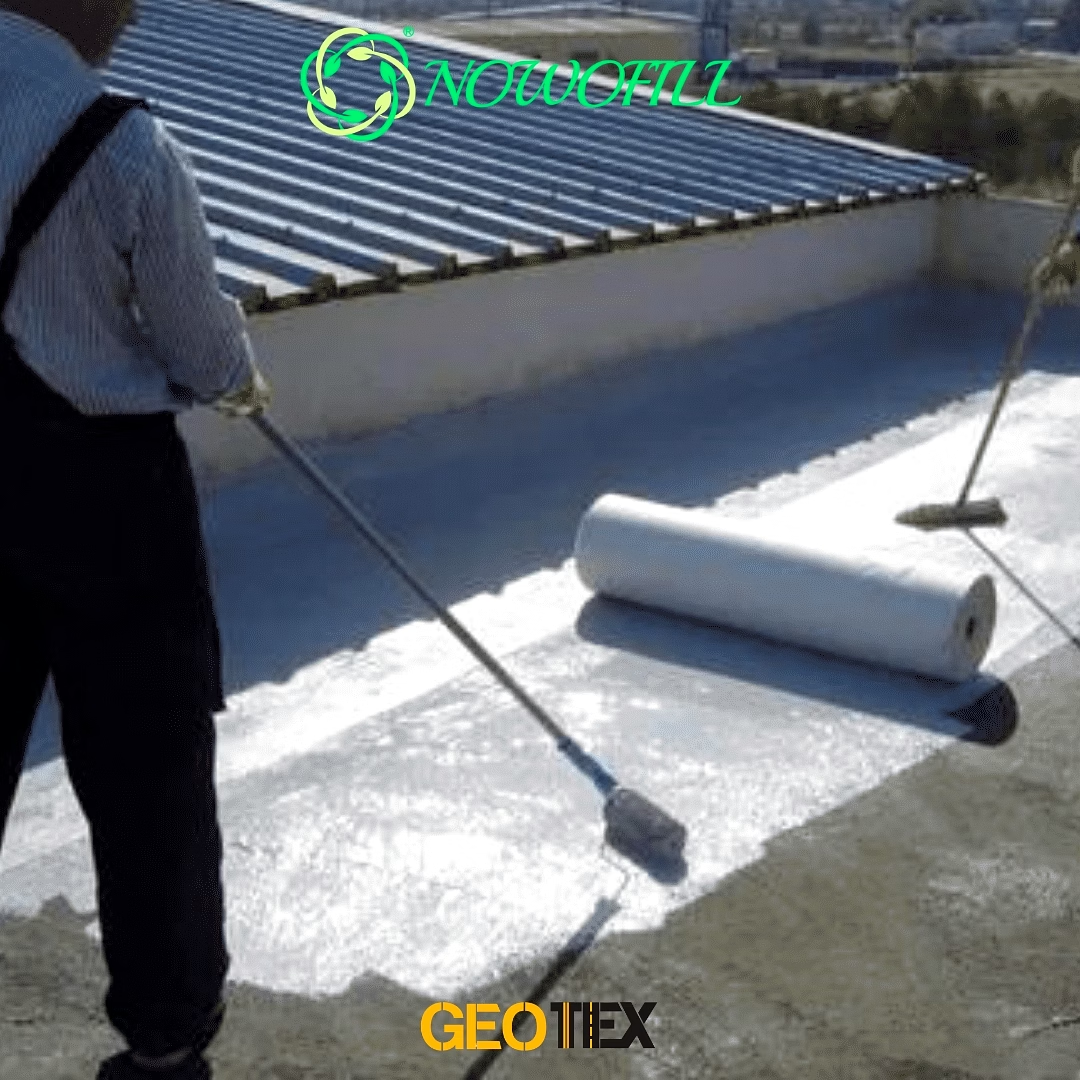
| Installation Method | Rollout and secure with pins or staples depending on application |
| Environmental Resistance | Resistant to UV, biological degradation, and chemical damage |
*Disclaimer: The above description has been AI-generated and has not been audited or verified for accuracy. It is recommended to verify product details independently before making any purchasing decisions.
Nowofill Non-Woven Geotextile features a needle-punched fiber structure that provides superior water permeability compared to woven geotextiles, enabling more efficient drainage and filtration for infrastructure applications.
The high durability, chemical resistance, and permeability of Nowofill Non-Woven Geotextile make it ideal for landfill lining, preventing soil contamination and allowing controlled leachate drainage.
Yes, Nowofill Non-Woven Geotextile is available in various GSM grades allowing customization of thickness and tensile strength to meet the specific demands of different civil engineering projects.
Nowofill Non-Woven Geotextile is engineered with additives and fiber compositions that enhance resistance against UV exposure, ensuring long-term stability in outdoor infrastructure environments.
Installation typically involves unrolling the geotextile over the subgrade and securing it with pins or staples; correct placement ensures effective separation and reinforcement of pavement layers.
Brand: nowofill
Country Of Origin: India
Nowofill Non-Woven Geotextile is a durable, permeable fabric designed for separation, filtration, drainage, and soil reinforcement. It ideal for roads, railways, landfills, retaining walls, pond lining and other infrastructure projects.
Nowofill Non-Woven Geotextiles are made from high-strength polyester or polypropylene fibers bonded using a needle-punching process. They offer superior filtration, prevent soil erosion, and improve soil stability. Widely used in road construction, drainage systems, retaining walls, and landfills, these fabrics perform reliably in harsh conditions. Their water permeability, durability, and flexibility make them suitable for both temporary and permanent civil engineering and infrastructure applications, ensuring long-lasting ground support and protection.