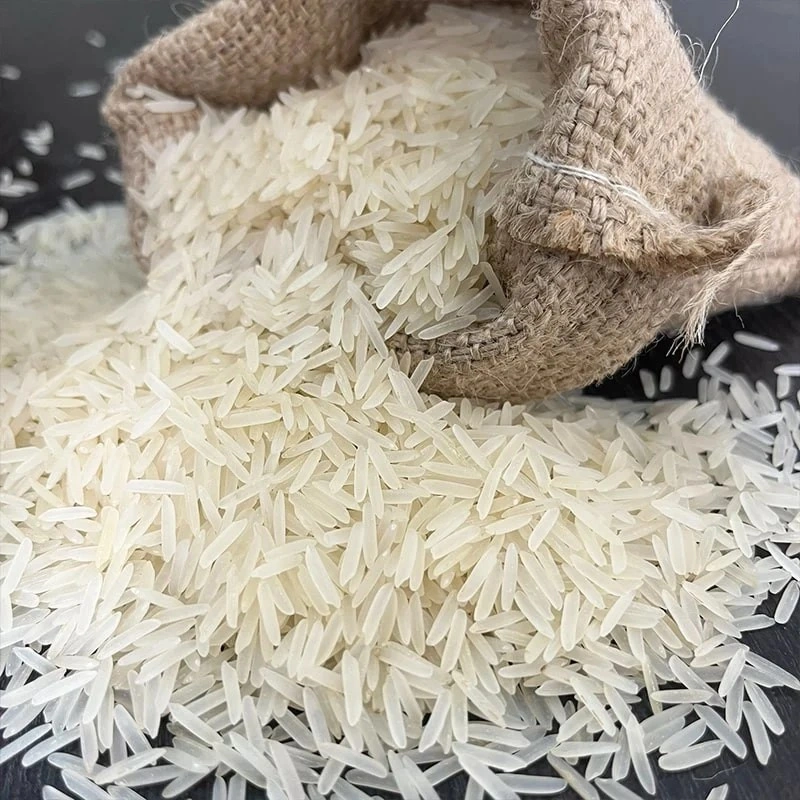
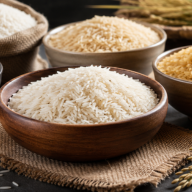
Non-Basmati Rice is a versatile food staple that encompasses a range of rice varieties celebrated for their unique characteristics and culinary applications. Sourced primarily from India, which ranks as one of the leading producers of rice, Non-Basmati Rice includes popular varieties such as IR64, IR36, Sona Masoori, Swarna, PR14, Sugandha, and Parmal Rice. Each type is distinct in grain size, texture, and cooking qualities, making them suitable for various cultural and regional dishes. Known for their robust flavors and firm textures, these rice varieties are not only affordable but also widely consumed in both domestic and commercial kitchens. Whether for everyday meals or traditional recipes, Non-Basmati Rice stands out as a reliable choice for chefs, restaurants, and households alike.
Key Features
| Features | Description |
|---|---|
| Variety | Includes IR64, IR36, Sona Masoori, Swarna, PR14, Sugandha, Parmal rice. |
| Grain Texture | Offers robust flavor and firm texture. |
| Culinary Versatility | Suitable for a wide range of culinary applications including daily meals and traditional dishes. |
| Country of Origin | Sourced primarily from India, a leading rice producer. |
| Affordability | Cost-effective compared to Basmati and other rice types. |
| Attributes | Description |
|---|---|
| Type | Non-Basmati Rice |
| Grain Length | Varies from short to medium grain depending on the variety. |
| Processing Type | Various; Includes parboiled, steamed, and raw. |
| Usage | Ideal for households, restaurants, and food industries. |
| Shelf Life | Typically 1 year under proper storage conditions. |
*Disclaimer: The above description has been AI-generated and has not been audited or verified for accuracy. It is recommended to verify product details independently before making any purchasing decisions.
The main varieties available include IR64, IR36, Sona Masoori, Swarna, PR14, Sugandha, and Parmal Rice.
Non-Basmati Rice differs in grain size, texture, and flavor, often being shorter and firmer compared to the long, aromatic grains of Basmati Rice.
Non-Basmati Rice is versatile and can be used in everyday meals, traditional recipes, and various cuisines, making it a staple ingredient in many households and food industries.
Non-Basmati Rice can be processed as parboiled, steamed, or raw, catering to various culinary needs.
The shelf life of Non-Basmati Rice is typically around 1 year when stored under proper conditions.
Country Of Origin: India
Non-Basmati rice is categorized into various grades based on grain size, texture, and processing type. Below are the key grades commonly exported from India:
Non-Basmati rice encompasses a variety of rice types that differ in grain size, shape, and texture from Basmati rice. India, one of the largest producers of rice, exports significant quantities of non-Basmati rice varieties, including Sona Masuri, Ponni, IR64, Swarna, and Matta rice. These rice types are favored for their affordability, versatility, and suitability for a wide range of culinary applications, from everyday meals to traditional dishes. Non-Basmati rice is often appreciated for its robust flavor and firm texture, making it a staple in many households and food industries globally.