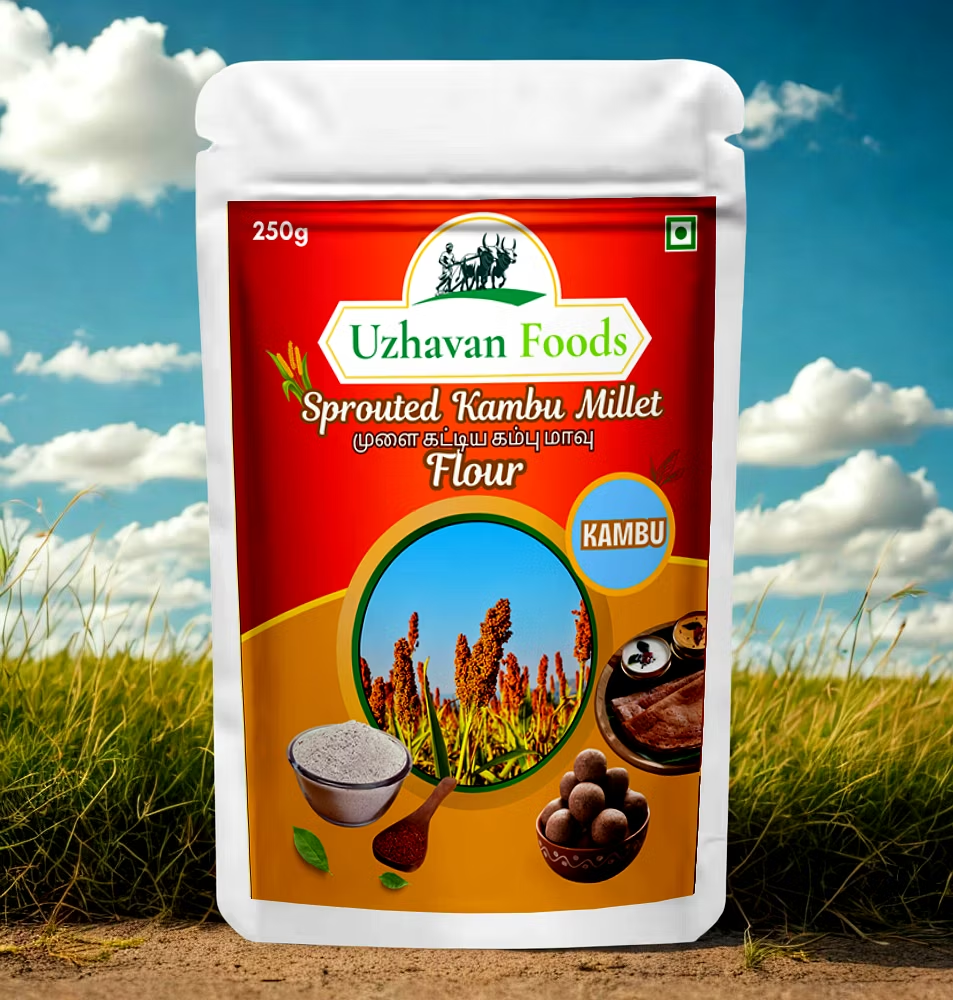
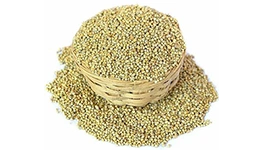
Millet, a nutritional powerhouse and staple grain, plays a vital role in health-focused diets around the globe. Indian millets, known for their high adaptability to diverse climatic conditions, are offered in various grades based on purity, size, color, and overall quality. The most popular types include Pearl Millet (Bajra), Finger Millet (Ragi), Foxtail Millet (Kangni/Thinai), and Proso Millet (Cheena/Mesta). Aside from being gluten-free, these millets are rich sources of fiber, vitamins, and essential minerals. The rising global interest in organic and traditional whole grains has positioned Indian millets favorably in markets across Europe, the Middle East, Africa, and Southeast Asia, making them a sought-after commodity for exporters. These attributes ensure that millets are not only nutritious choices but also support sustainable farming practices, making them an ideal addition for health-conscious consumers and businesses alike.
Key Features
| Features | Description |
|---|---|
| Types of Millet | Pearl Millet (Bajra), Finger Millet (Ragi), Foxtail Millet (Kangni/Thinai), Proso Millet (Cheena/Mesta) |
| Nutritional Benefits | Gluten-free, rich in fiber, vitamins, and minerals |
| Adaptability | Grows well in diverse climatic conditions |
| Global Demand | High demand across Europe, Middle East, Africa, and Southeast Asia |
| Organic Options | Available varieties include organic and traditional grains |
| Attributes | Description |
|---|---|
| Origin | India |
| Purity | Classified into various grades |
| Export Markets | Europe, Middle East, Africa, Southeast Asia |
| Uses | Health foods, baked products, porridges, and more |
| Grain Size | Various sizes based on grade classification |
*Disclaimer: The above description has been AI-generated and has not been audited or verified for accuracy. It is recommended to verify product details independently before making any purchasing decisions.
Indian millets are known for being gluten-free and are rich in dietary fiber, essential vitamins, and minerals, making them highly beneficial for digestive health and overall wellness.
Indian millets can be incorporated into a variety of dishes, such as porridges, baked goods, and salads, or used as a substitute for rice and wheat products.
The different types of Indian millets, such as Pearl, Finger, Foxtail, and Proso, vary in grain size, taste, nutritional content, and their adaptability to specific climates and growing conditions.
Yes, there are various organic options available for Indian millets, making them suitable for health-conscious markets looking for natural and sustainable food sources.
The increasing global demand for gluten-free and organic foods, combined with the health benefits of millets and their adaptability to different climates, has made them popular, especially in markets in Europe, Africa, and Southeast Asia.
Country Of Origin: India
Indian millets are classified into various grades based on their purity, size, color, and quality for specific uses. Some common grade names for different types of millets are:
Millet, known for its high nutritional value and adaptability to various climatic conditions, has gained immense popularity as a staple in health-conscious diets worldwide. India, being one of the largest producers of millet, offers a wide variety of this grain, including pearl millet, finger millet, foxtail millet, and barnyard millet, all of which are highly sought after for their health benefits, including being gluten-free and rich in fiber, vitamins, and minerals. The increasing demand for organic and traditional grains in markets across Europe, the Middle East, Africa, and Southeast Asia provides a robust platform for Indian exporters.