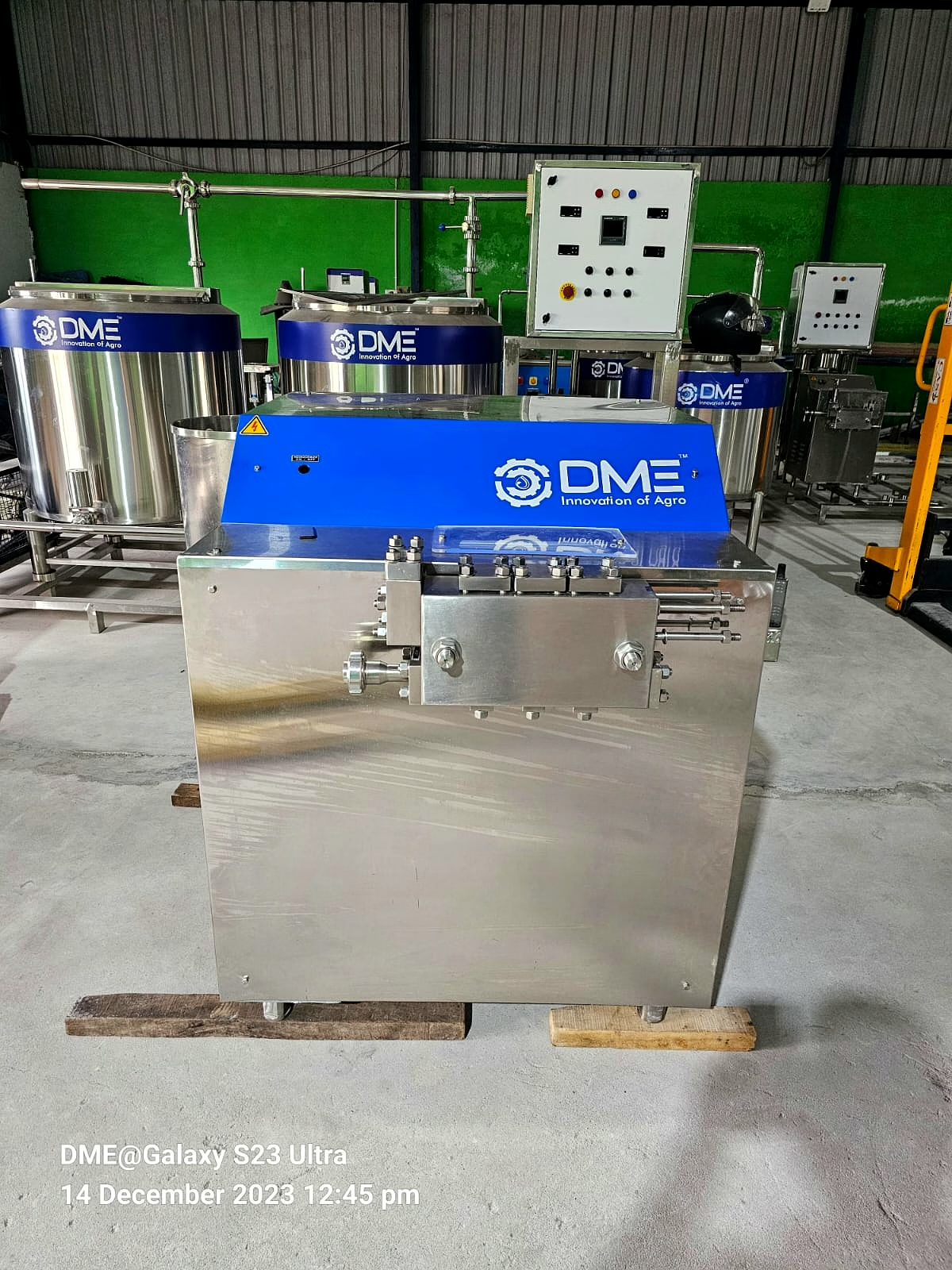
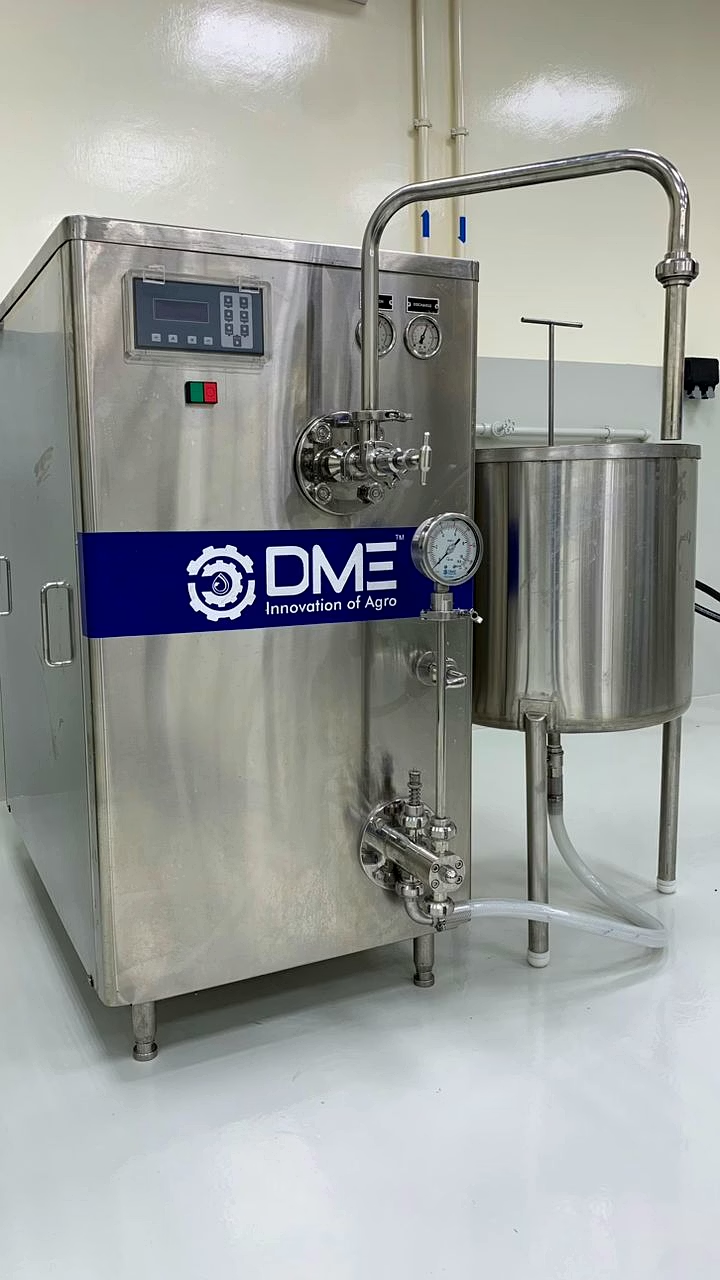
The MILK PROCESS PLANT featuring HTST (High-Temperature Short-Time) pasteurization is an advanced dairy processing system designed for efficient and safe milk treatment. This plant integrates multiple essential components including raw milk reception with quality testing, clarification and standardization to optimize fat and protein content, precise pasteurization at 72°C for 15 seconds to eliminate harmful bacteria, homogenization to ensure uniform texture by breaking down fat globules, rapid cooling to inhibit bacterial growth post-pasteurization, and hygienic packaging into bottles, cartons, or pouches. The continuous flow process maximizes throughput while preserving the milk’s taste and nutritional quality. It also supports rigorous quality control measures and adheres to strict hygiene and regulatory standards necessary in the dairy industry. Although requiring a significant initial investment and careful maintenance, this plant ensures consistent dairy product safety and quality for commercial-scale milk processing operations.
Key Features
| Features | Description |
|---|---|
| Pasteurization Method | High-Temperature Short-Time (HTST) at 72°C for 15 seconds |
| Milk Reception | Raw milk quality testing and reception system |
| Clarification and Standardization | Removes impurities and adjusts fat/protein levels |
| Homogenization | High-pressure valve to break down fat globules for uniform texture |
| Cooling System | Rapid cooling post-pasteurization to prevent bacterial growth |
| Packaging Options | Filling into bottles, cartons, or pouches with sealing |
| Process Type | Continuous flow pasteurization process for high throughput |
| Quality Assurance | Regular monitoring and hygienic standards maintained |
| Energy Consumption | Optimized heating and cooling systems with energy considerations |
| Compliance | Designed to meet food safety and regulatory requirements |
| Attributes | Description |
|---|---|
| Operating Temperature | 72°C (161°F) |
| Holding Time | 15 seconds |
| Milk Throughput Capacity | Varies by model, scalable for commercial dairy plants |
| Material Construction | Food-grade stainless steel for all milk contact parts |
| Control System | Automated with temperature and flow monitoring |
| Sanitation | CIP (Clean-In-Place) enabled for regular cleaning |
| Power Requirement | Depends on plant size, energy-efficient design |
| Packaging Compatibility | Compatible with multiple container types |
| Footprint | Compact modular design for space optimization |
| Regulatory Compliance | Complies with Indian food safety standards (FSSAI) |
*Disclaimer: The above description has been AI-generated and has not been audited or verified for accuracy. It is recommended to verify product details independently before making any purchasing decisions.
The HTST process heats milk to 72°C (161°F) for 15 seconds to effectively eliminate pathogenic bacteria while preserving milk quality.
The plant includes a clarification and standardization unit that removes impurities and adjusts milk components to desired fat and protein concentrations.
Yes, it supports packaging into bottles, cartons, and pouches with reliable sealing to suit various commercial requirements.
The plant is equipped with Clean-In-Place (CIP) systems allowing automated and effective cleaning without disassembly.
Yes, milk undergoes homogenization via a high-pressure valve to break down fat globules, ensuring uniform texture and improved product stability.
The system uses energy-efficient heating and cooling technologies tailored to balance performance with reduced energy use.
HTST stands for High-Temperature Short-Time pasteurization. It's a crucial process in the dairy industry to ensure the safety of milk by eliminating harmful bacteria without significantly altering its taste or nutritional value.
Components of an HTST Milk Process Plant
A typical HTST milk process plant consists of the following key components:
Raw Milk Reception: Milk is received and tested for quality parameters.
Clarification and Standardization: Milk is clarified to remove impurities and standardized to achieve desired fat and protein levels.
Pasteurization: The core of the process, where milk is heated to a specific temperature (usually 72°C or 161°F) for a short duration (15 seconds) to kill harmful microorganisms.
Homogenization: Milk is passed through a high-pressure valve to break down fat globules for a consistent texture.
Cooling: Pasteurized milk is rapidly cooled to prevent bacterial growth.
Packaging: Milk is filled into containers (bottles, cartons, or pouches) and sealed.
Advantages of HTST
Efficient: High throughput capacity.
Effective: Kills most pathogenic bacteria.
Preserves Quality: Minimal impact on taste and nutritional value.
Continuous Process: Ensures consistent product quality.
Challenges and Considerations
Equipment Cost: HTST plants require significant investment.
Maintenance: Regular cleaning and sanitization are essential.
Energy Consumption: The heating and cooling processes consume energy.
Product Loss: Some milk may be lost during the process.
Additional Considerations
Quality Control: Regular testing and monitoring are crucial to ensure product safety and consistency.
Hygiene: Maintaining strict hygiene standards throughout the plant is vital.
Regulatory Compliance: Adhering to food safety regulations is mandatory.
Would you like to know more about any specific component or process within an HTST milk process plant?
Or perhaps you're interested in the economic aspects or environmental impact of such plants?
Inclusive of all taxes
You Save: 0
Irugur , India
Service Provider , Manufacturer, Brand Owner, Exporter, Wholesaler, Startup