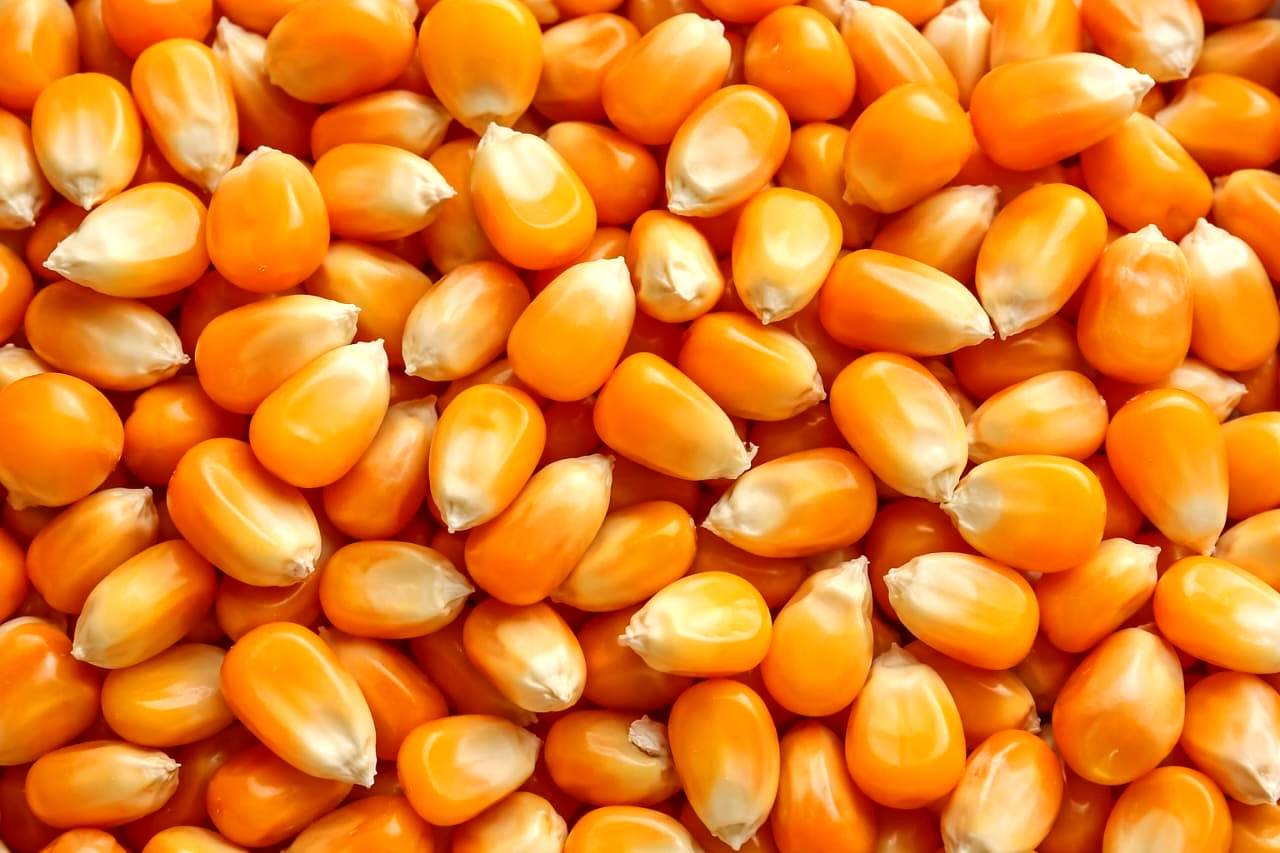
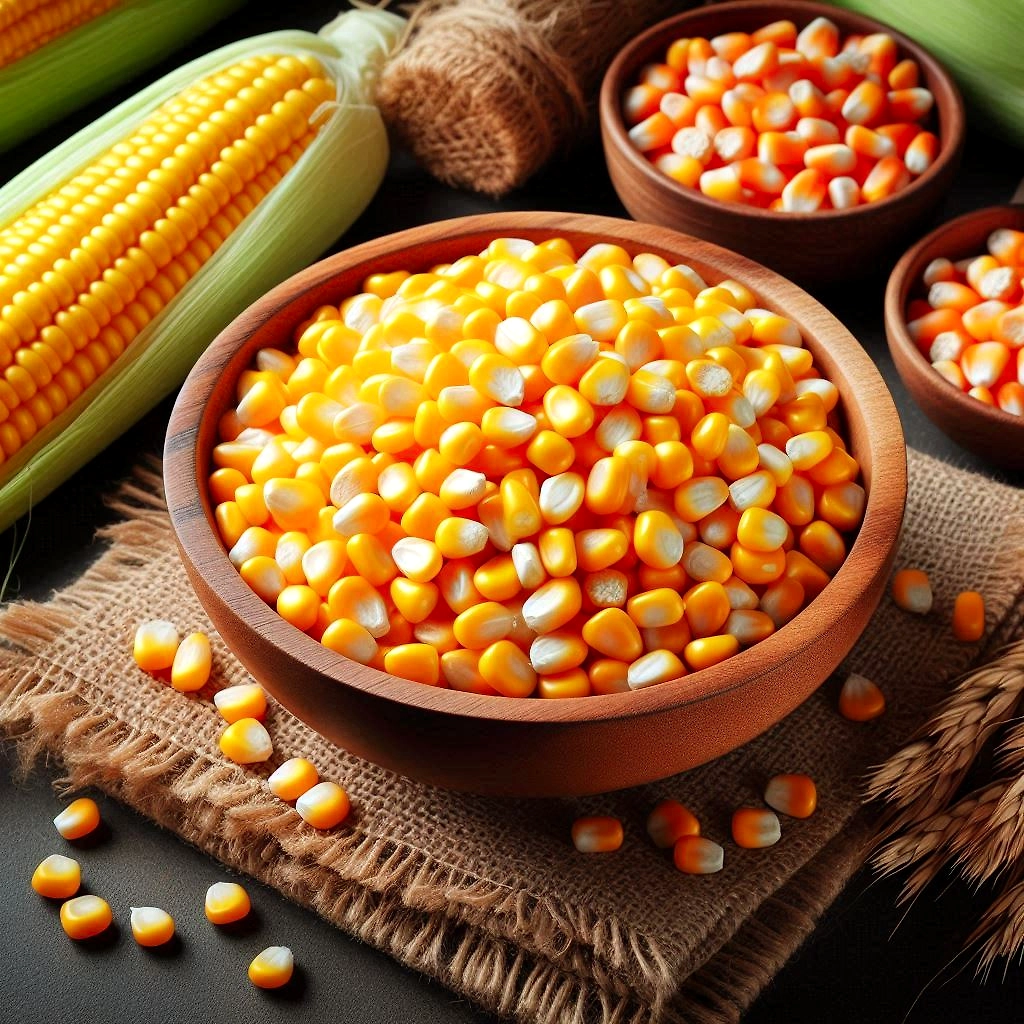
Maize seeds, derived from the robust maize plant, are a cornerstone of global agriculture, delivering not only food security but also creating vast economic opportunities across various sectors. With a rich heritage dating back to the ancient civilizations of Central America, maize has transcended its origins to become a vital crop that feeds millions and supports a range of industries. Maize seeds offer exceptional yield potential and adaptability, making them suitable for diverse agricultural environments. These seeds can be used for human consumption in various forms such as flour, cornmeal, and grits, as well as for animal feed, biofuels, and many industrial applications. Their versatility is matched by inherent genetic characteristics that enhance resilience against climate variability, thus ensuring a stable supply in an ever-changing agricultural landscape. Cultivating maize is a commitment to fostering food security and sustainability, essential in today's economy. Moreover, the global demand for maize remains strong, driven by a growing population and advancing technologies, reaffirming its status as the world's leading crop.
Key Features
| Features | Description |
|---|---|
| Historical Significance | Rooted in ancient civilizations, maize has been cultivated for thousands of years. |
| Global Leading Crop | Maize is the most widely grown crop in the world, serving as a dietary staple for many. |
| Versatile Uses | Used in food products, animal feed, biofuels, and various industrial applications. |
| High Yield Potential | Developments in maize genetics enhance yield and resilience against pests and diseases. |
| Adaptability | Maize is cultivated in diverse climates and soils, making it highly adaptable to different agricultural settings. |
| Attributes | Description |
|---|---|
| Seed Variety | Hybrid and Open-Pollinated |
| Germination Rate | Typically 90% or higher |
| Maturity Time | Varies by hybrid, generally 75 to 120 days |
| Plant Height | Can reach up to 2-3 meters |
| Optimal Growth Conditions | Thrives in warm temperatures (60°F to 95°F) and well-drained soil. |
*Disclaimer: The above description has been AI-generated and has not been audited or verified for accuracy. It is recommended to verify product details independently before making any purchasing decisions.
Maize seeds are used for human food products (such as flour and grits), animal feed, and industrial applications like biofuels.
Maize seeds are genetically enhanced for better yield, greater resilience to environmental challenges, and adaptability to varied climates.
Maize seeds thrive in warm temperatures ranging from 60°F to 95°F and require well-drained, nutrient-rich soil for optimal growth.
Hybrid maize seeds typically offer higher yields and better disease resistance compared to open-pollinated varieties, which are more traditional and can be saved for future planting.
Maize is resilient and can adapt to a range of conditions, but it performs best in full sunlight with warm temperatures and adequate moisture.
Country Of Origin: India
Maize, a domesticated marvel from Central America, is the world’s leading crop with deep historical roots. It has evolved from an ancient staple into a global agricultural powerhouse.
🌽 Rich Heritage – Traced back to ancient civilizations
🌍 World’s Leading Crop – Widely cultivated for food, feed, and industry
🔬 Versatile Applications – Used in flour, oil, biofuels, and more
A symbol of agricultural innovation and global sustenance.