Inclusive of all taxes
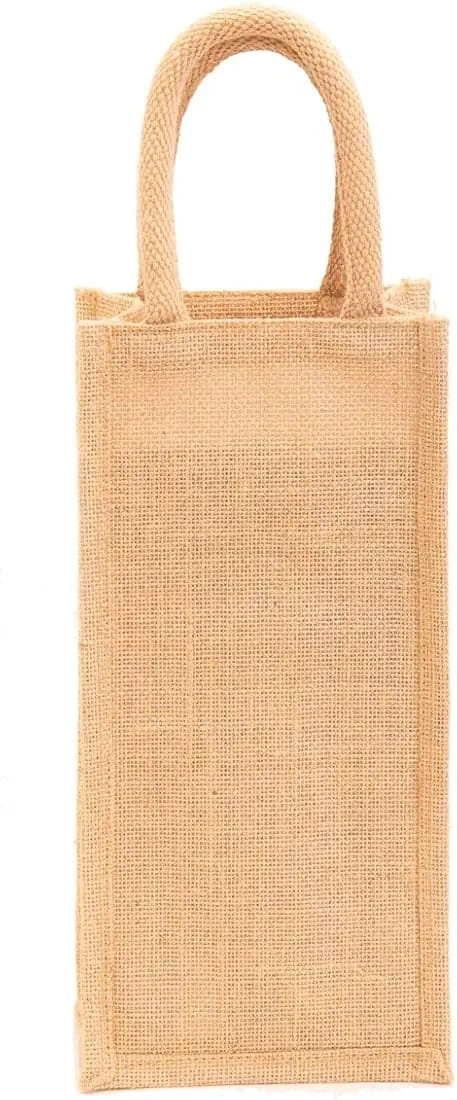
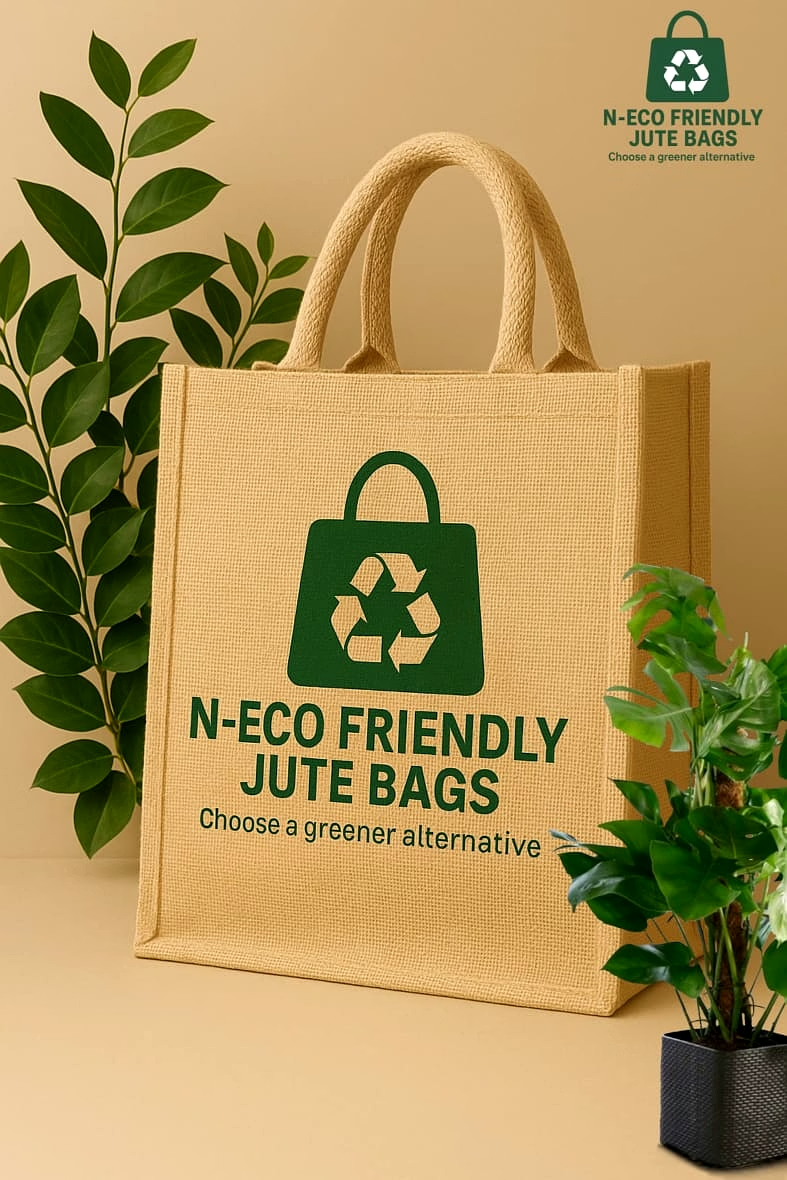
Premium quality Jute Bags designed expressly for packaging 50 kg foodgrains, manufactured in compliance with stringent Indian Standards (IS) 1943:1995, 12650:2003, and 18161:2023. These durable bags are made from a single piece of double warp twill weave jute fabric ensuring exceptional strength and reliability. The fabric weight for A-Twill bags is 750 g/m2 and 665 g/m2 for B-Twill variants, offering robust protection for agricultural commodities such as rice, wheat, mustard seed, niger seed, and ragi. Dimensionally precise with standardized length and width including tolerant allowances, these bags feature expertly sewn herakle stitches with safety stitching to guarantee superior seam strength and durability. The stitch density is optimized with a specified number of stitches per 10 cm, essential for load-bearing and longevity. Additional parameters such as moisture regain limits and compliance options for ECO-Mark certification ensure these jute bags meet environmental and performance benchmarks, making them ideal for agri-businesses, foodgrain packaging units, and exporters. The bags also allow customized size and mass agreements between buyers and sellers to suit specific logistical requirements.
Key Features
| Features | Description |
|---|---|
| Fabric Type | Single piece double warp twill weave jute fabric |
| Fabric Weight | 750 g/m2 for A-Twill bags; 665 g/m2 for B-Twill bags |
| Weave Type | 2/1 twill weave jute sacking |
| Dimensions | Standardized length and width for 50 kg packing with tolerance allowances |
| Stitching | Herakle stitches on the selvedge through two layers with safety stitches |
| Seam Strength | Stitch density specified per 10 cm ensuring superior seam durability |
| Moisture Regain | Limits included in standards to maintain quality under humid conditions |
| Standards Complied | IS 1943:1995, IS 12650:2003, IS 18161:2023 |
| ECO-Mark Certification | Available upon meeting additional environmental criteria |
| Customizability | Dimension and mass may be agreed between buyer and seller |
| Attributes | Description |
|---|---|
| Material | Natural jute fiber |
| Bag Capacity | 50 kg foodgrains |
| Fabric Specifications | A-Twill: 750 g/m2; B-Twill: 665 g/m2 |
| Construction | Single piece double warp; 2/1 twill weave |
| Dimensions (Length x Width) | As per IS standard with permissible tolerances |
| Stitch Type | Herakle stitches with safety stitching on seams |
| Stitch Density | Specified per 10 cm to ensure seam strength |
| Moisture Regain Limit | Specified in Indian Standards to maintain bag integrity |
| Compliance Standards | IS 1943:1995, IS 12650:2003, IS 18161:2023 |
| Certification | Eligible for ECO-Mark upon environmental compliance |
*Disclaimer: The above description has been AI-generated and has not been audited or verified for accuracy. It is recommended to verify product details independently before making any purchasing decisions.
Yes, aside from wheat and rice, these jute bags comply with IS 18161:2023 and are suitable for packaging other agricultural products such as mustard seed, niger seed, and ragi.
Stitch density per 10 cm is a critical factor ensuring seam strength and durability, preventing bag rupture under heavy loads and guaranteeing safe transportation of 50 kg foodgrain packaging.
Yes, although the bags comply with standard dimensions, buyers and sellers can mutually agree on alternative sizes and mass specifications to suit specific packaging requirements.
These bags are eligible for ECO-Mark certification, provided they meet additional environmental standards, such as the use of recyclable or biodegradable materials as stipulated by regulatory authorities.
The single piece double warp twill weave fabric provides enhanced tensile strength and resistance to wear, making the bags durable for large weight packaging and repeated handling.
Country Of Origin: India
Jute bags, particularly those used for packaging 50 kg of foodgrains, are specified in Indian Standard (IS) documents. These standards detail the fabric type, dimensions, construction, and other requirements for bags used for this purpose. Key aspects include the fabric weight, weave type, seam strength, and stitching details.
Key Specifications:
Fabric: Jute bags are typically made from a single piece of double warp, twill weave jute fabric.
Weight: The fabric weight is specified as 750 g/m2 for A-Twill bags according to IS 1943:1995 and 665 gms for B-Twill bags.
Weave: The bags are often made from 2/1 twill weave jute sacking.
Dimensions: B-Twill bags for 50 kg packing have specific length and width dimensions, with tolerances.
Stitching: Seams are typically sewn with herakle stitches on the selvedge through two layers of sacking, with a safety stitch.
Stitch Density:
Stitch Density: The number of stitches per 10 cm is specified to ensure seam strength.
Specific Standards:
This standard covers constructional details and other requirements for A-Twill jute bags.
IS 12650:2003:
This standard specifies requirements for jute bags for packing 50 kg foodgrains.
IS 18161:2023:
This standard outlines requirements for lightweight jute sacking bags for packaging 50 kg of agricultural products like mustard seed, niger seed, and ragi.
Other Considerations:
Buyer and Seller Agreement: Dimensions and mass of bags can be agreed upon between the buyer and seller if not specified in the standard.
Moisture Regain: Standards also include limits for moisture regain in the bags.
ECO-Mark: For bags seeking ECO-Mark certification, additional environmental standards must be met, such as using recyclable or biodegradable materials
Inclusive of all taxes
You Save: 0
North Twenty Four Parganas
Service Provider , Service Center, Professional Services, Contractor, Retailer, Brand Owner, Distributor, Exporter, Importer, Wholesaler, Women Entrepreneur, Startup
GST- 19hdkpm0640e1zj