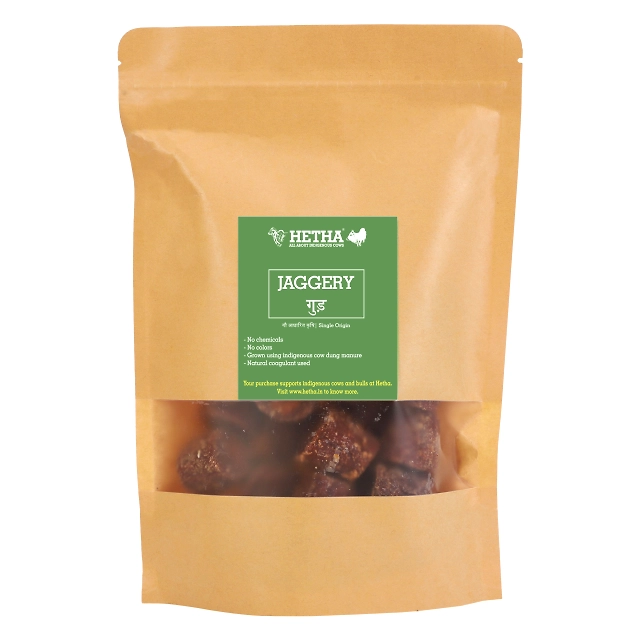
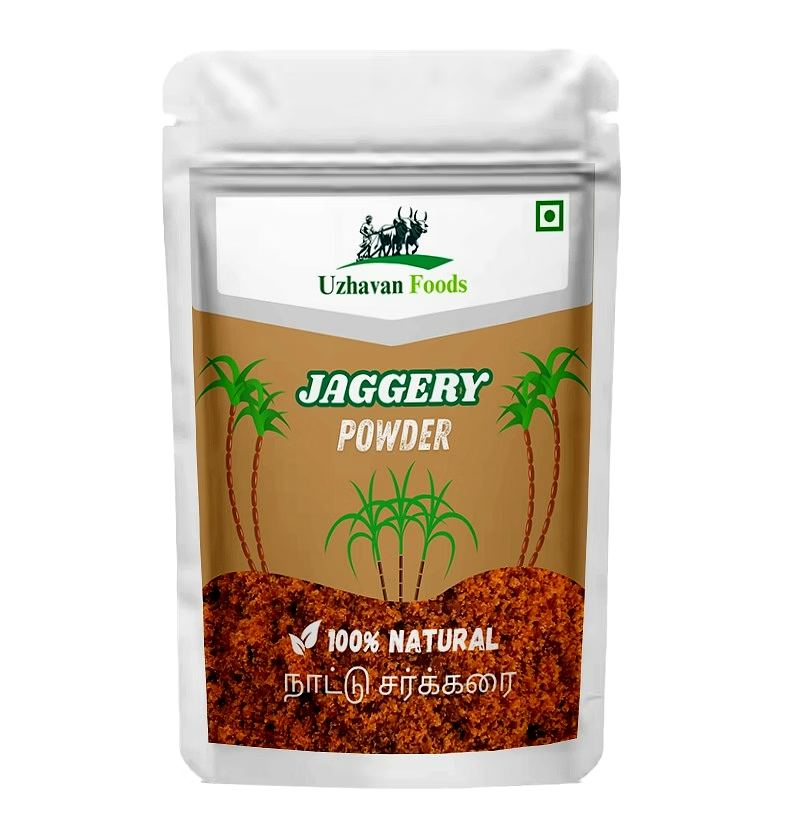
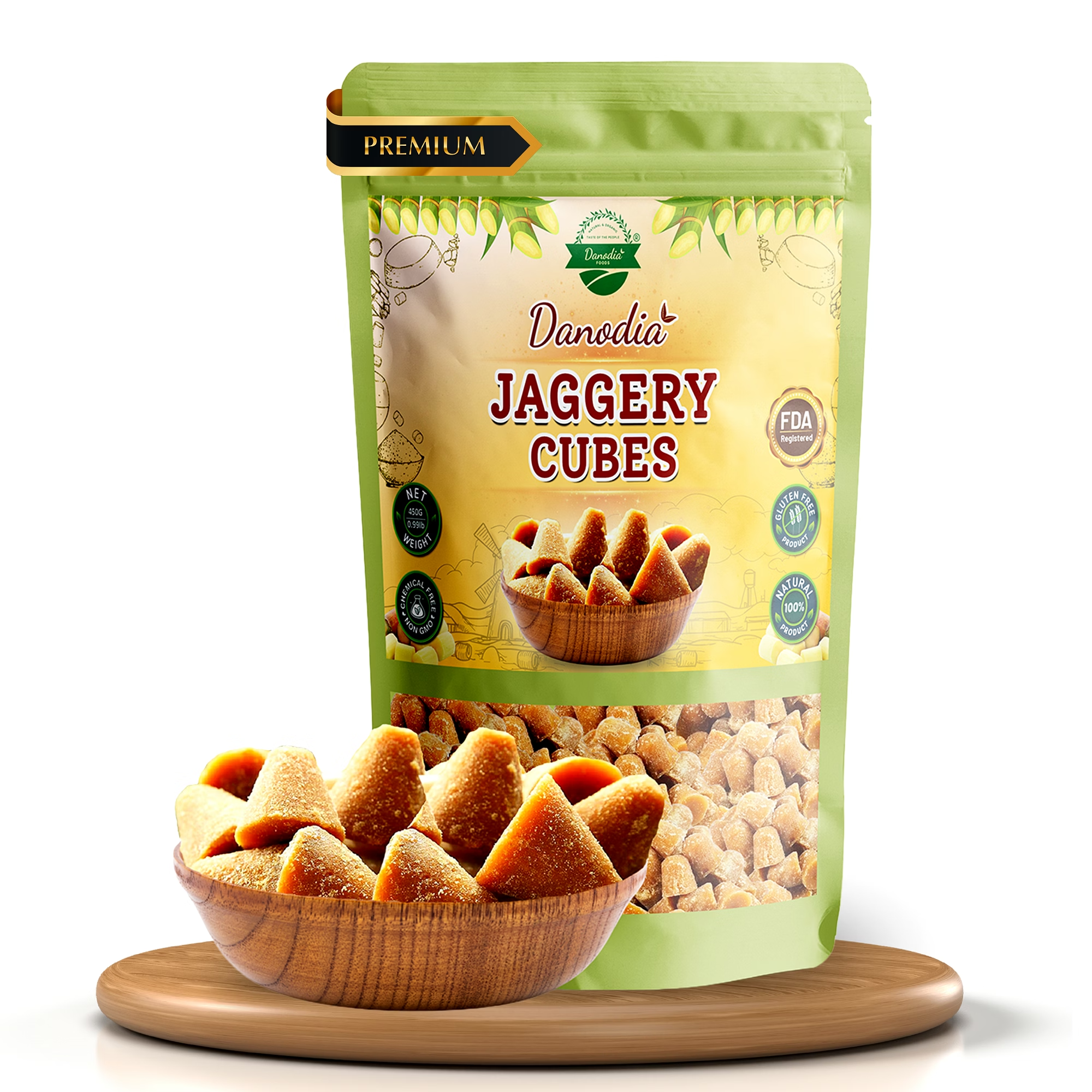
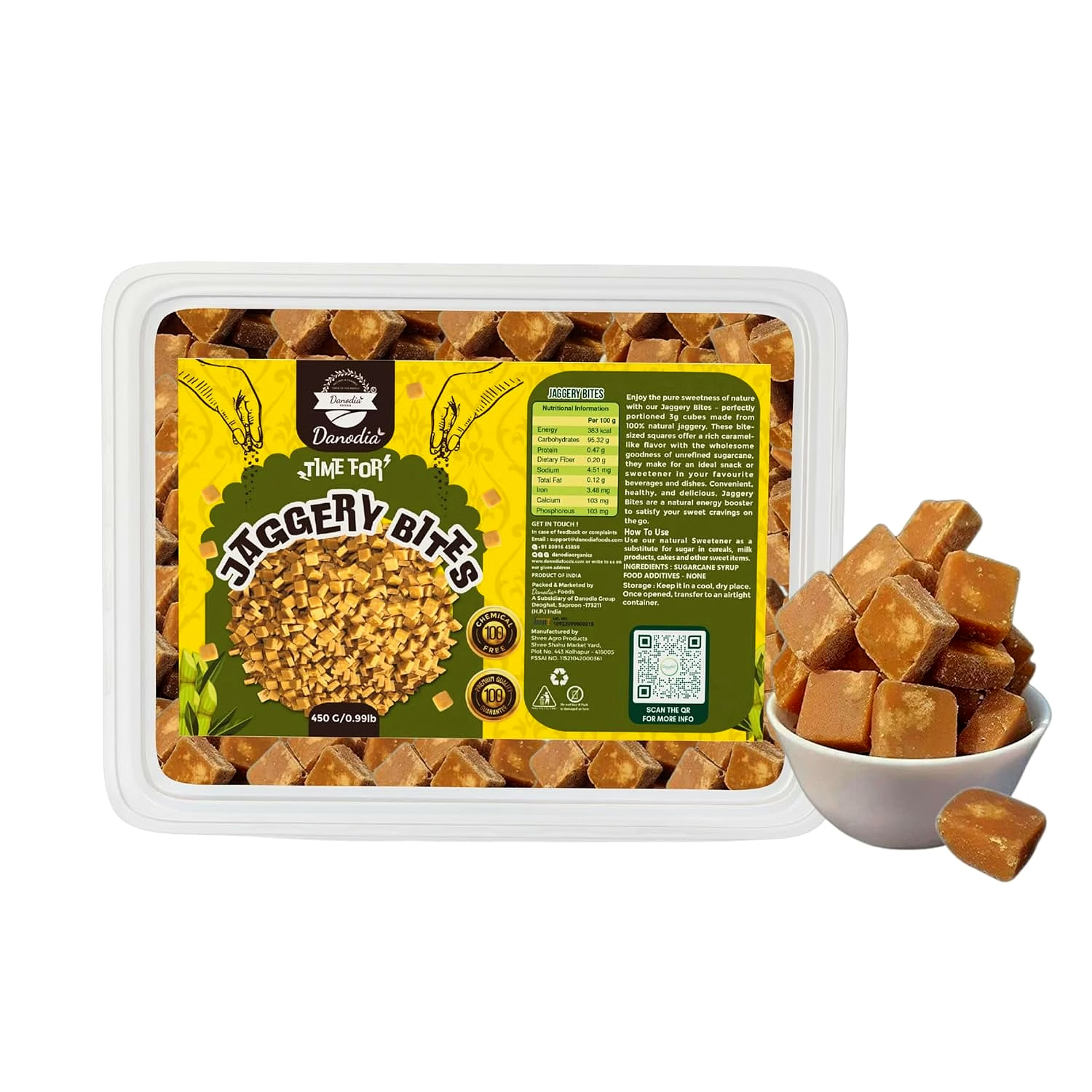
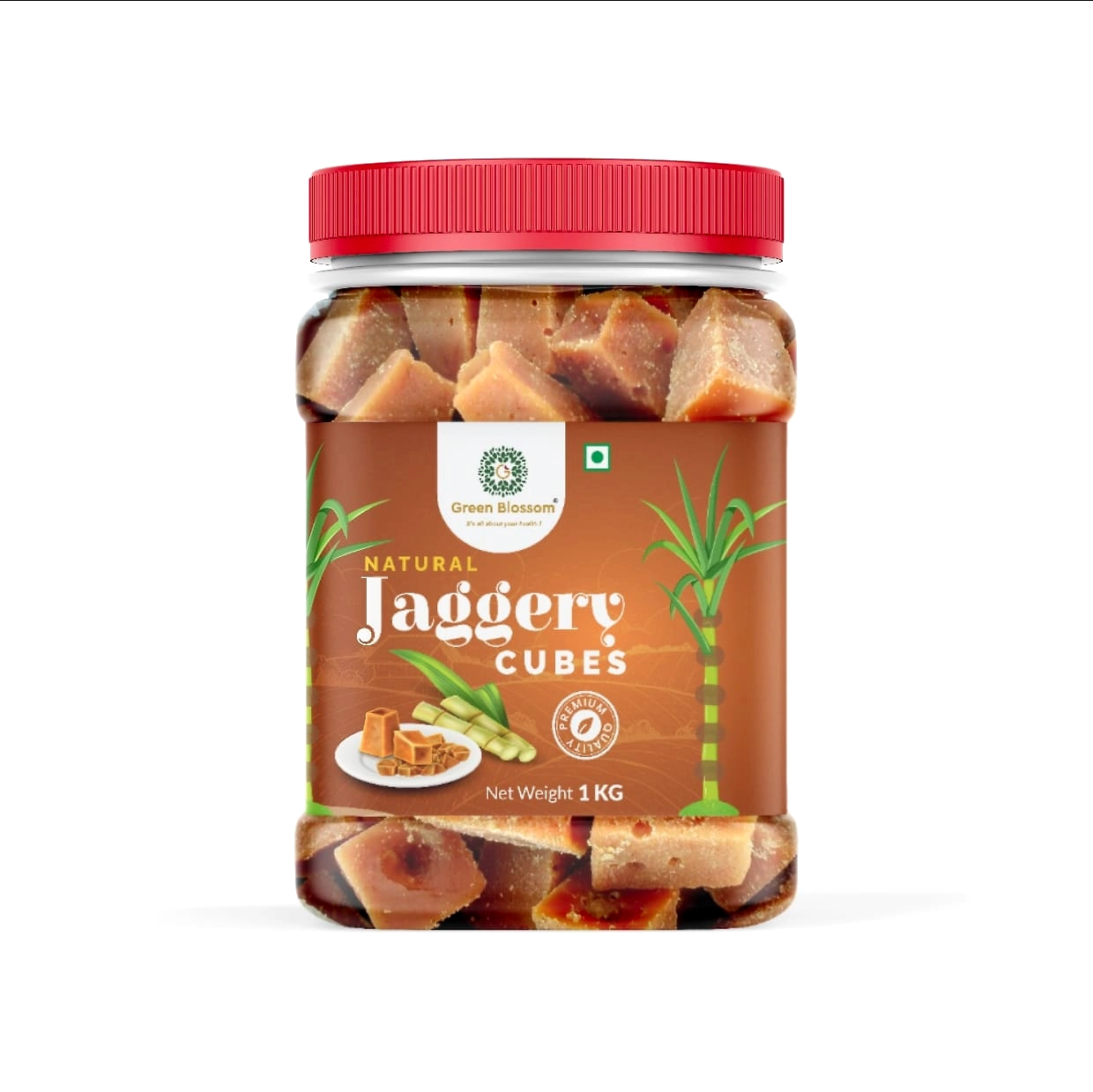
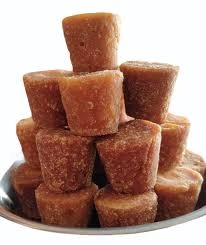
Jaggery, known as gur in India, is a versatile and natural sweetener derived from the sap of sugarcane or palm trees. This unrefined sweetener is not only celebrated for its rich, caramel flavor but also for its numerous health benefits that make it a preferred choice over refined sugar. Rich in essential minerals like iron, magnesium, and potassium, jaggery acts as a natural detoxifier and aids in digestion. Its use spans across culinary arts in various regions such as South Asia, Latin America, and Africa, making it an indispensable component in traditional recipes. Whether you’re utilizing sugarcane jaggery for its distinct texture or palm jaggery for its unique flavor, incorporating this ingredient enhances the taste of numerous dishes, from desserts and savory sauces to traditional sweets. Insist on quality jaggery to promote health-conscious cooking while embracing the authentic flavors of cultural dishes.
Key Features
| Features | Description |
|---|---|
| Natural Sweetener | Unrefined and made from sugarcane juice or palm sap. |
| Rich Nutritional Profile | Contains essential minerals including iron, magnesium, and potassium. |
| Digestive Aid | Often consumed post-meal to assist digestion and reduce acidity. |
| Versatile Culinary Ingredient | Used in desserts, marinades, traditional sweets, and beverages. |
| Lower Glycemic Index | Palm jaggery has a slightly lower glycemic index compared to refined sugars. |
| Attributes | Description |
|---|---|
| Calories (per 100g) | 383 kcal |
| Carbohydrates | 98 g (mainly natural sugars) |
| Protein | 0.4 g |
| Fat | 0.1 g |
| Fiber | 0.6 g |
| Iron Content | 11 mg |
| Magnesium Content | 70 mg |
| Potassium Content | 1050 mg |
| Calcium Content | 40 mg |
*Disclaimer: The above description has been AI-generated and has not been audited or verified for accuracy. It is recommended to verify product details independently before making any purchasing decisions.
We offer various types of jaggery including sugarcane jaggery, palm jaggery, and coconut jaggery, each with unique flavors and textures.
Jaggery is known to stimulate digestive enzymes and promote digestion, which is why it is often consumed after meals.
Yes, jaggery can be used as a natural sweetener in baking recipes, imparting a rich flavor and moisture to the final product.
Palm jaggery has a lower glycemic index compared to traditional sugar, making it a healthier alternative for regulating blood sugar levels.
Jaggery is rich in essential minerals, acts as a natural detoxifier, aids in digestion, boosts energy, and supports blood health.
Country Of Origin: India
Jaggery, known as gur in India, is an unrefined, natural sweetener made from sugarcane juice or palm sap. It is often used as a healthier alternative to refined sugar due to its higher nutritional content and minimal processing. Jaggery has a rich, caramel-like flavor and a distinct, earthy sweetness. It is widely used in cooking, baking, and traditional medicine, especially in South Asia, Africa, and Latin America.
Types of Jaggery:
Sugarcane Jaggery: Made from concentrated sugarcane juice, widely used and available in various textures and colors.
Palm Jaggery: Derived from the sap of palm trees (such as date or toddy palm), known for its unique flavor and slightly lower glycemic index.
Coconut Jaggery: Made from coconut palm sap, often softer and darker in color with a rich taste.
Nutritional Composition (per 100g):
Calories: ~383 kcal
Carbohydrates: 98 g (mainly natural sugars)
Protein: 0.4 g
Fat: 0.1 g
Fiber: 0.6 g
Minerals:
Iron: 11 mg (supports blood health)
Magnesium: 70 mg (essential for muscle and nerve function)
Potassium: 1050 mg (helps regulate blood pressure)
Calcium: 40 mg (important for bone health)
Health Benefits:
Rich in Minerals: Contains iron, magnesium, and potassium, supporting various bodily functions.
Natural Detoxifier: Helps cleanse the liver by flushing out toxins.
Aids Digestion: Often consumed after meals to stimulate digestion and reduce acidity.
Boosts Energy: Provides a quick source of natural energy without the sudden blood sugar spike that refined sugar can cause.
Culinary Uses:
Sweetening Agent: Used as a natural sweetener in desserts, sweets, and beverages.
Cooking Ingredient: Used in sauces, curries, and marinades, especially in Indian and Southeast Asian dishes.
Traditional Sweets: Integral in making traditional sweets like laddoos, chikkis, and various festival treats.
Beverages: Added to tea, herbal drinks, and homemade tonics for its flavor and health benefits.
Inclusive of all taxes
You Save: 0
Mumbai , India
Service Provider , Service Center, Manufacturer, Professional Services, Brand Owner, Exporter, Importer, Wholesaler, Women Entrepreneur, Startup