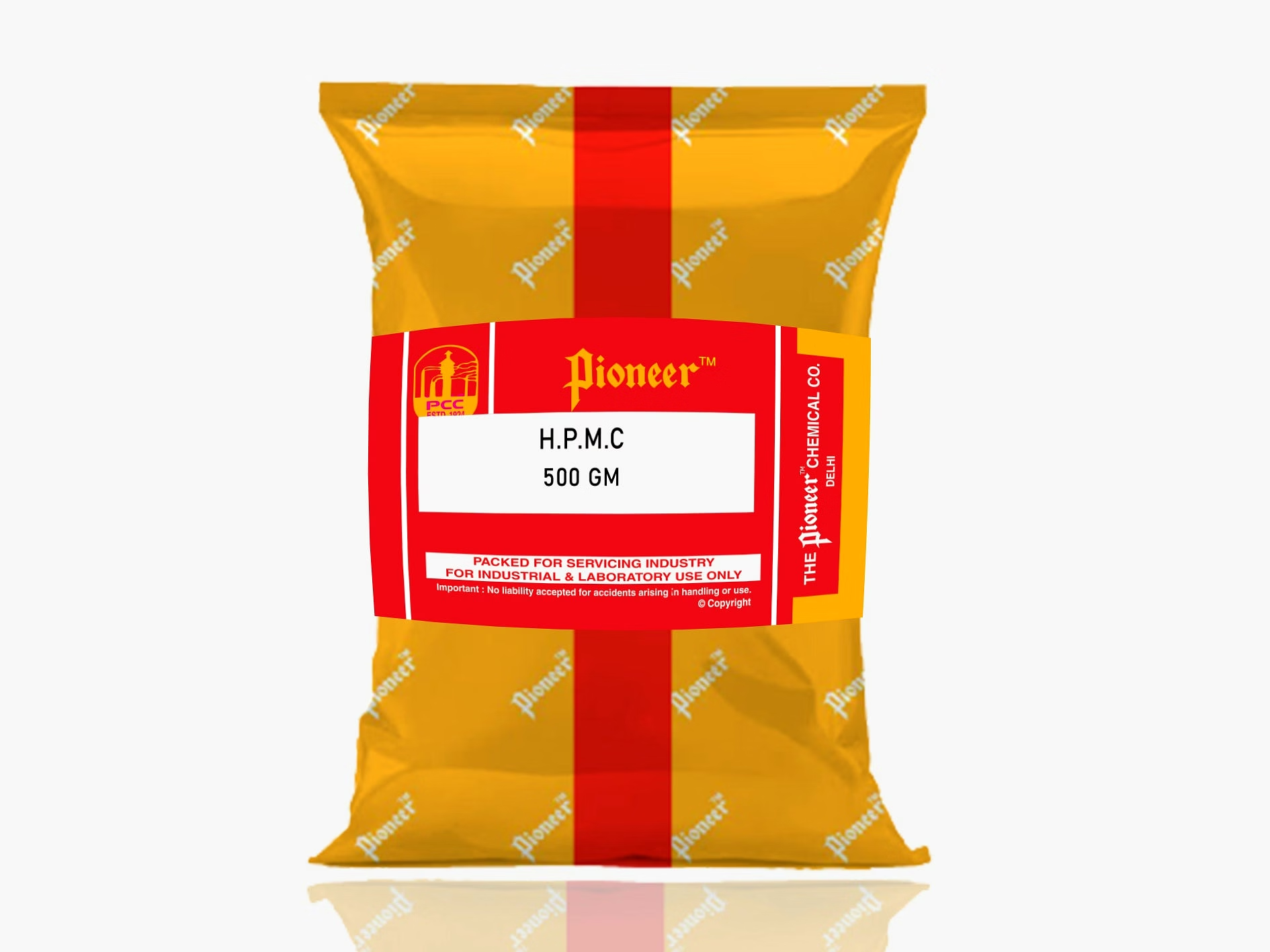
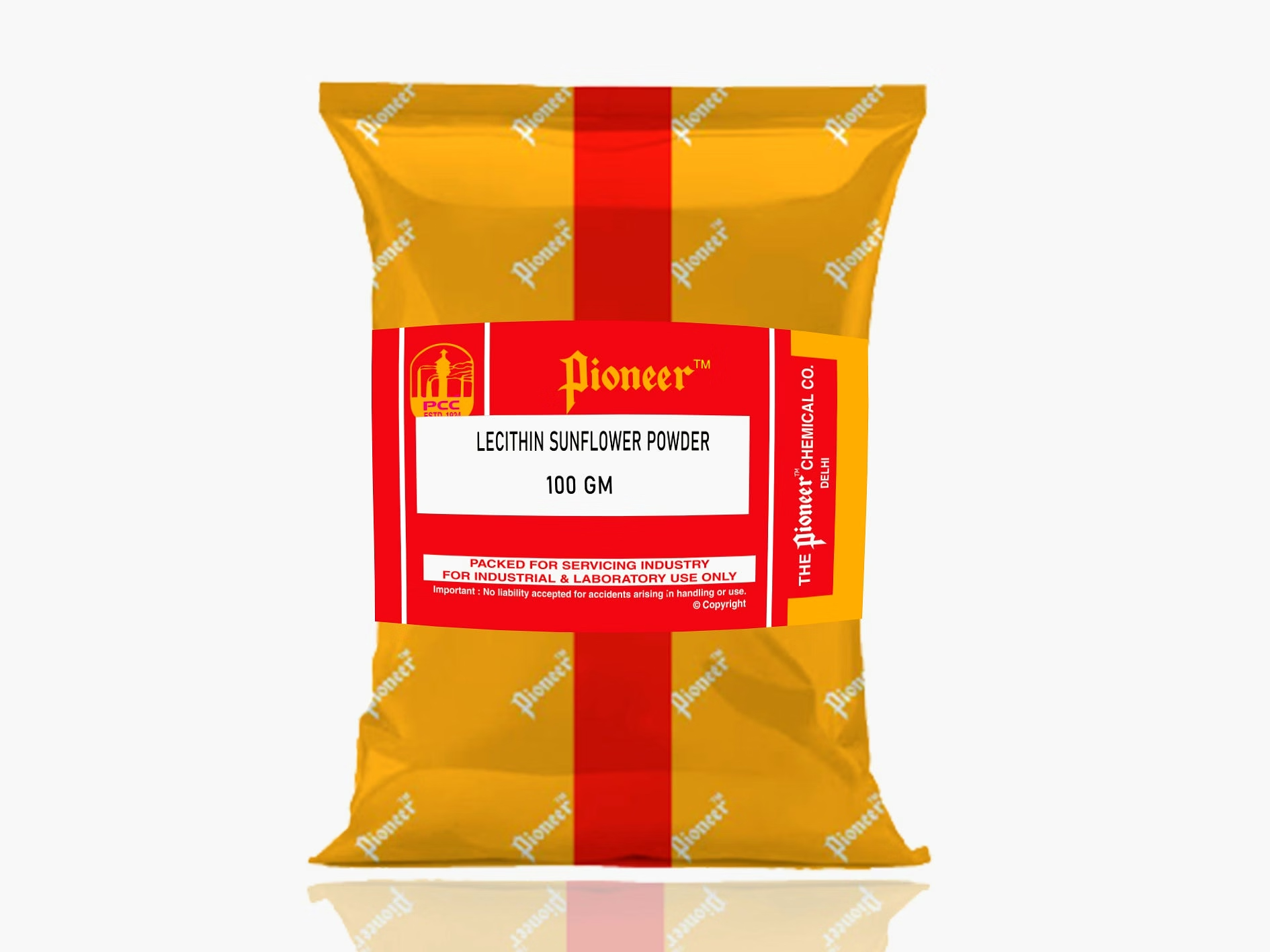
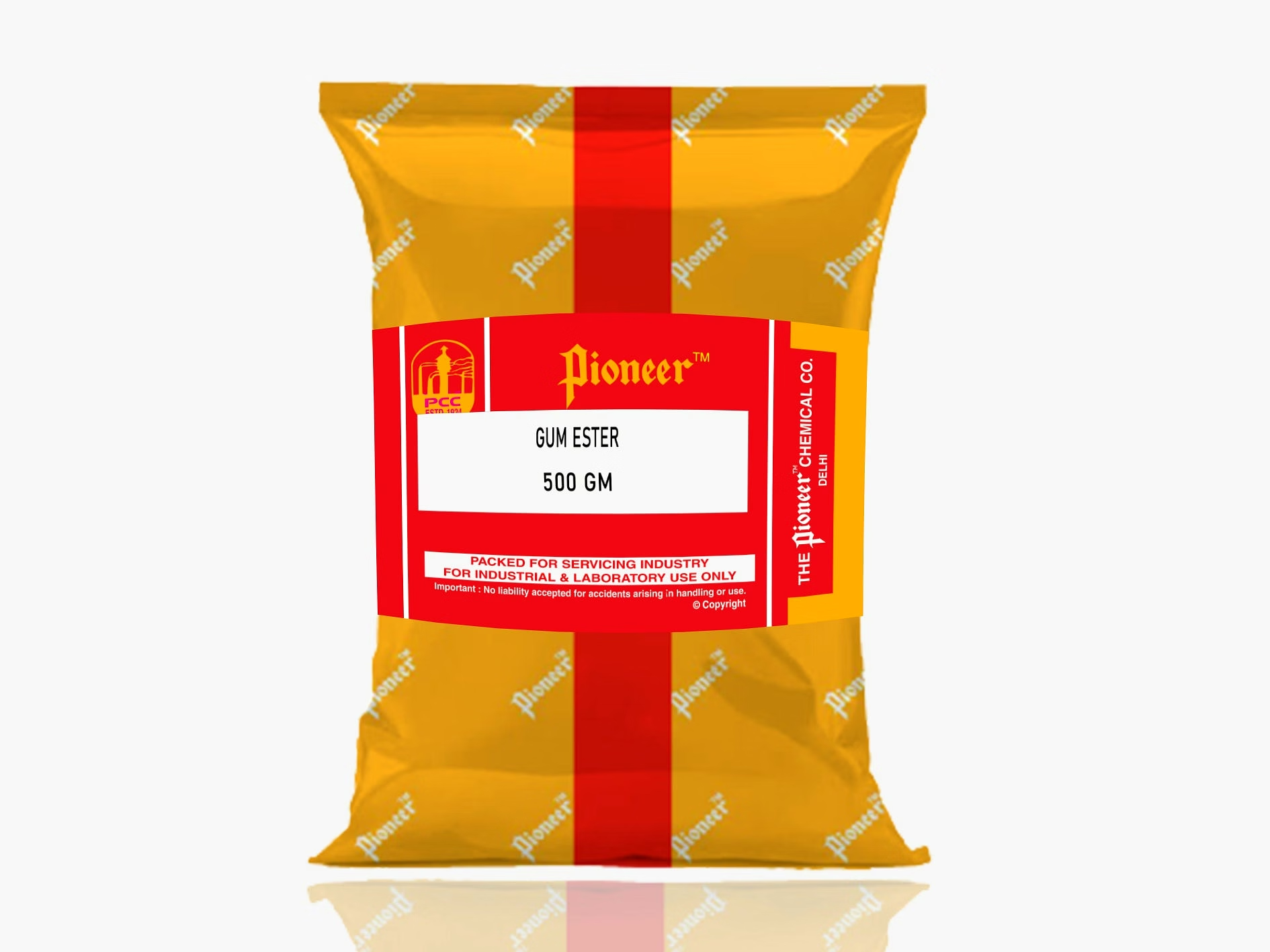
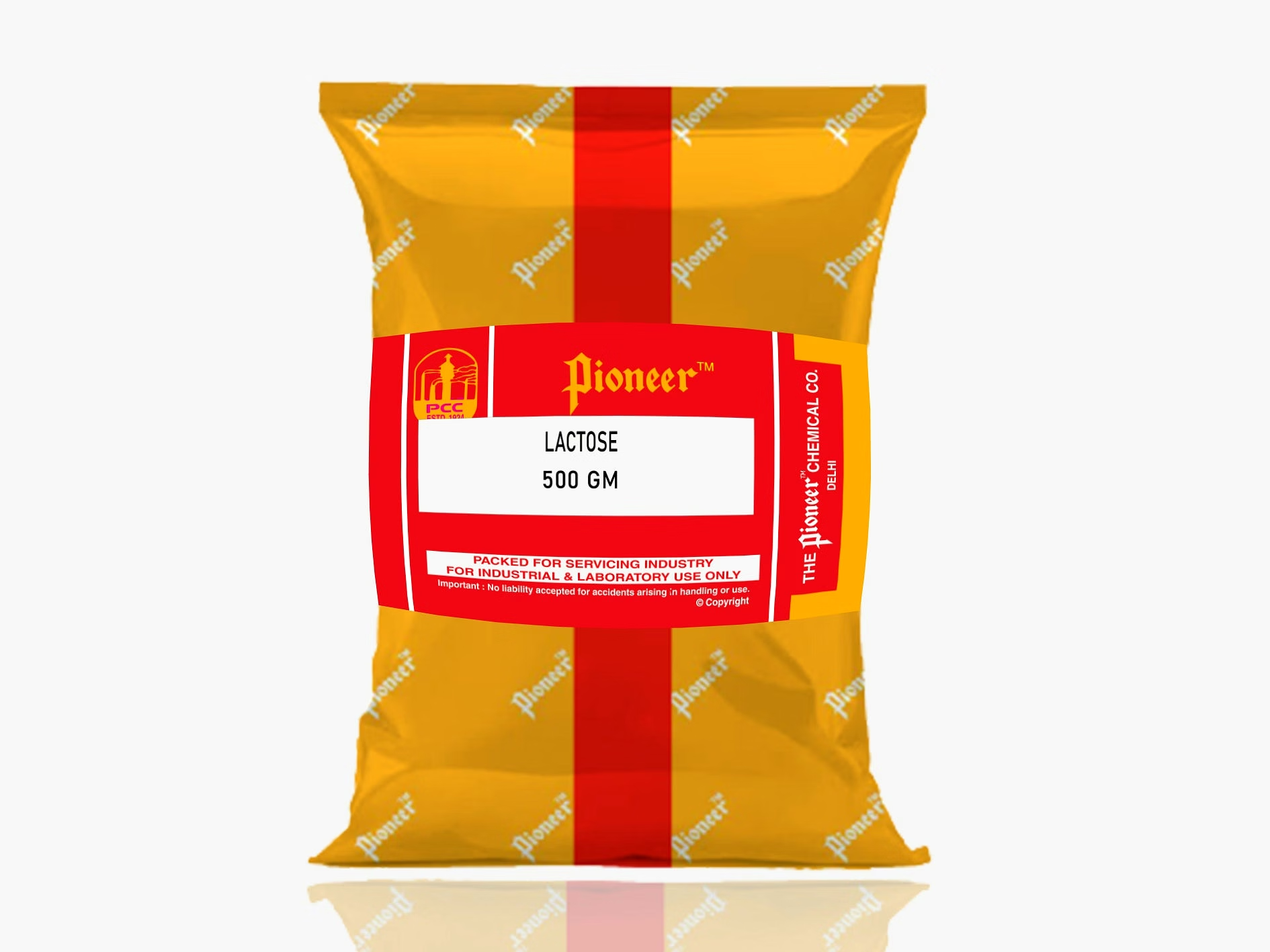
What It Is
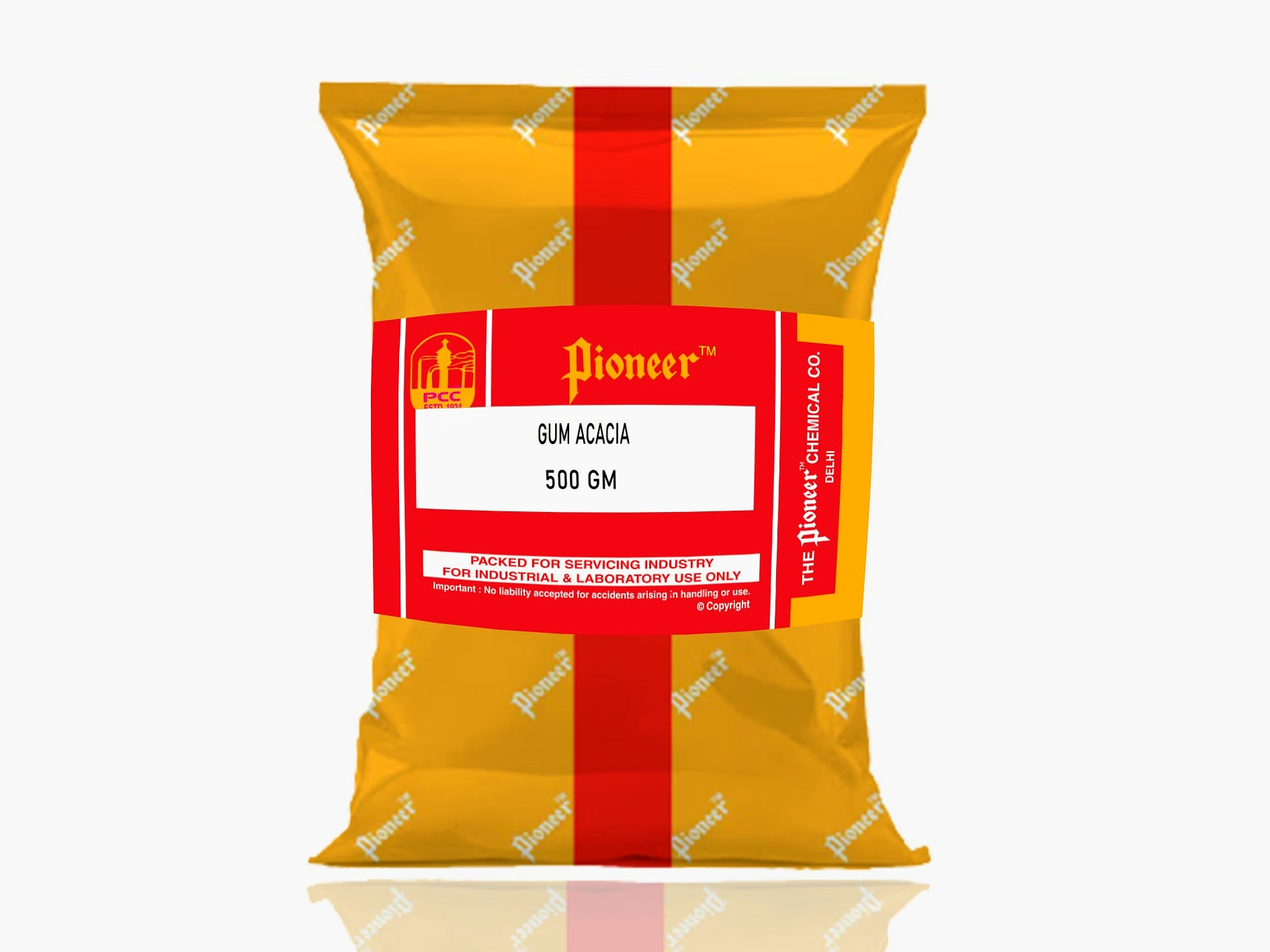
Pioneer Chemical Additives positioned for international B2B procurement and catalog resale. Key identifiers from the provided text include E414. Use the supplied description to match your intended application and buying specification.
Where It’s Used
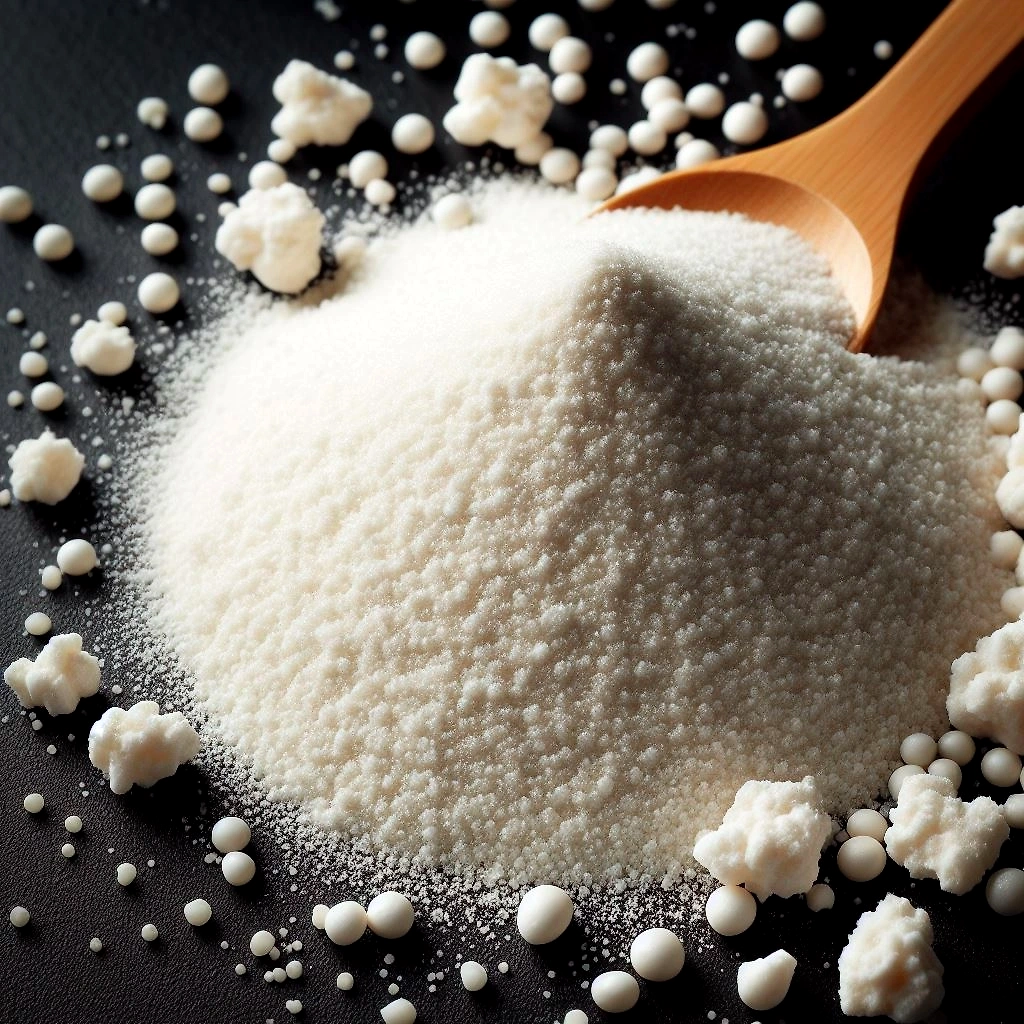
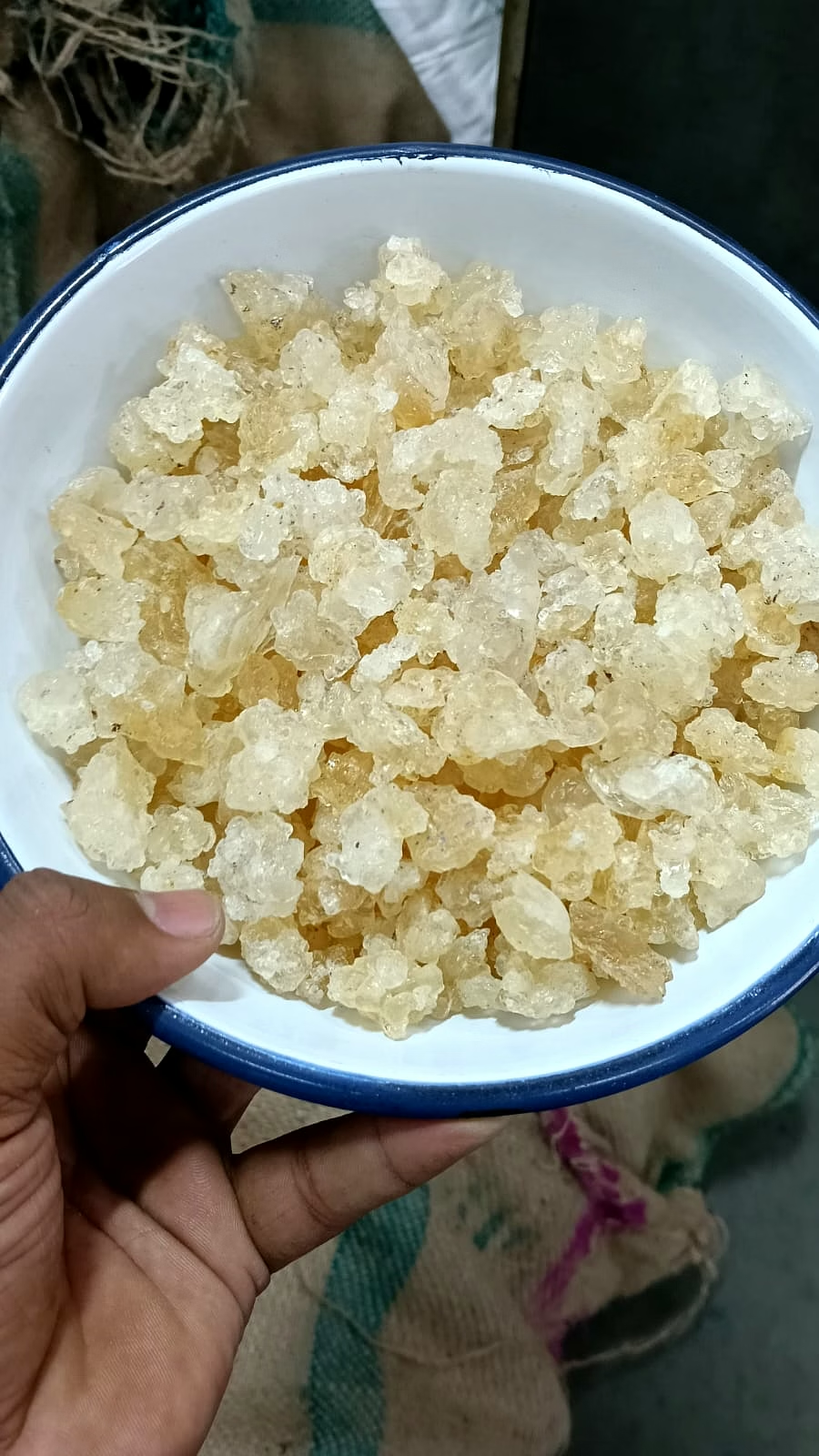
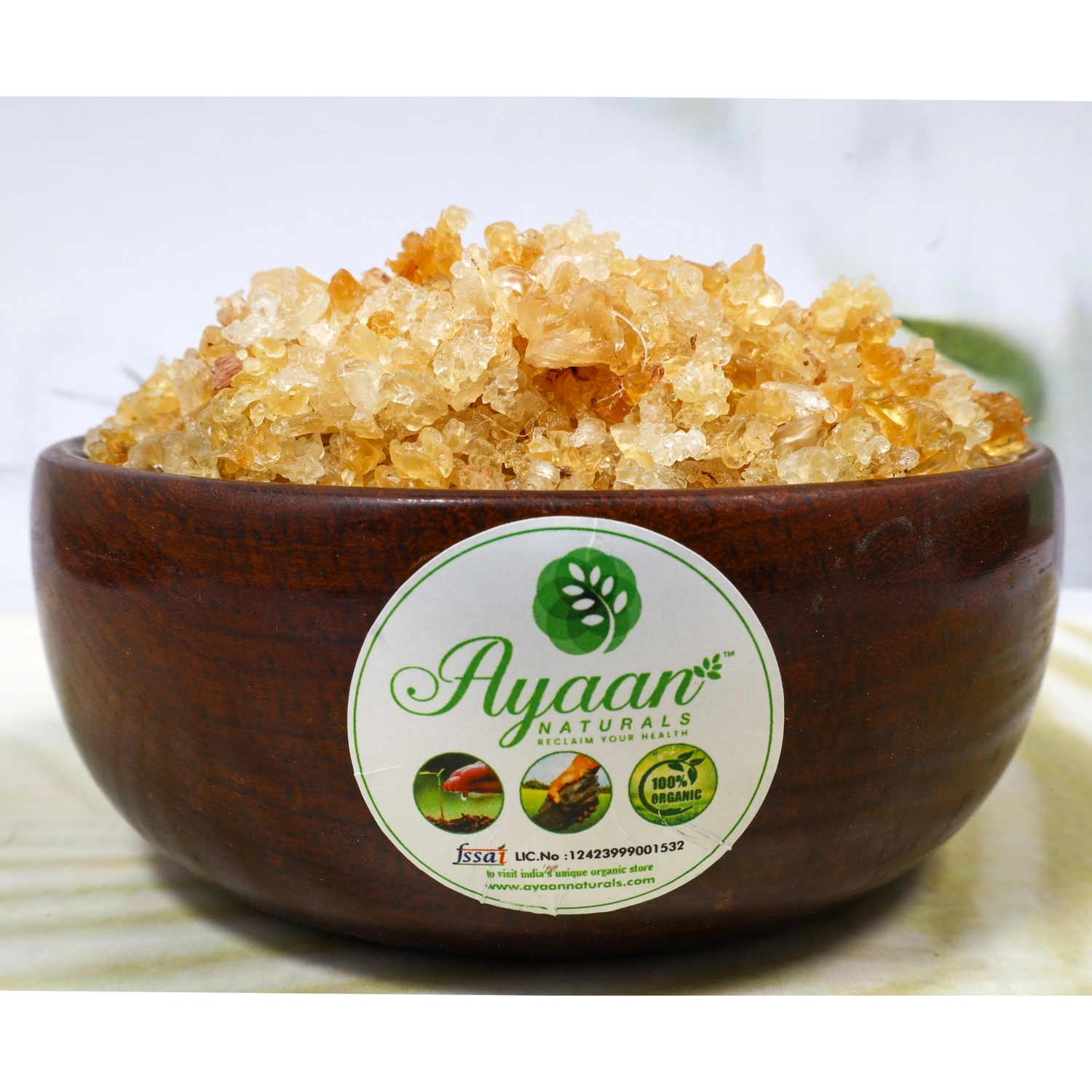
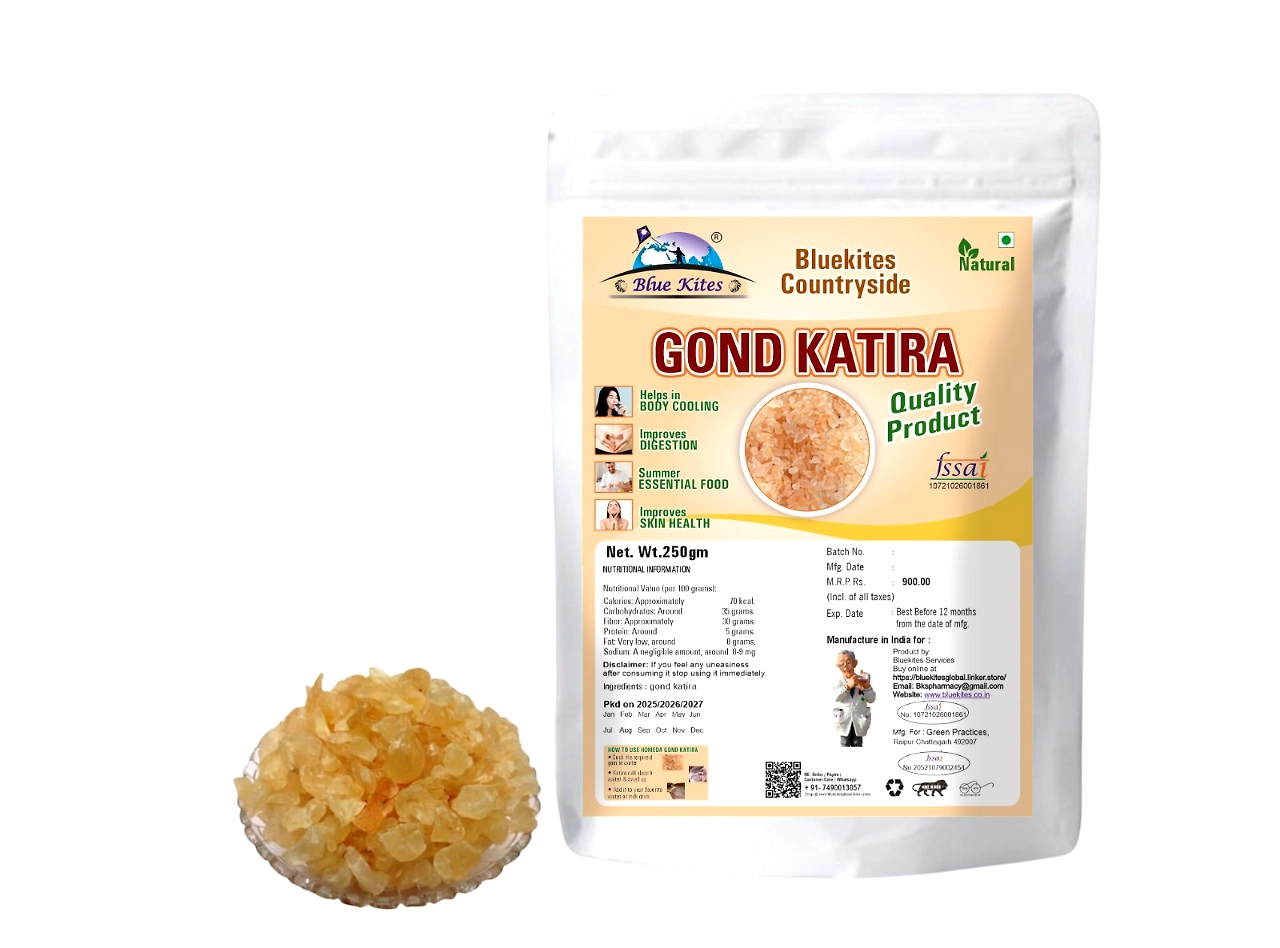
Application context follows the provided wording: Gum Acacia, also known as gum arabic, is a natural gum sourced from the Acacia tree. It has various applications. Gum Acacia is commonly used as a stabilizer, emulsifier, and thickening agent in the formulation of paints, adhesives, and coatings.
Key Characteristics
Material and build cues are limited to what is stated. Material mentions include pp, pe. Verify finish, grade, and tolerance requirements before volume ordering to avoid mismatched inbound stock. For bulk purchasing, confirm the exact variant and any fit requirements before placing a consolidated order.
Selection & Compatibility
Selection criteria for buyers: align the category and any model/code notes with your internal SKU structure, then validate any stated size or rating references such as the listed identifiers. If a critical spec is missing, request the exact requirement before committing to production or import.
Ordering Notes
Ordering and logistics: confirm MOQ, pack configuration, and carton marking needs directly with the supplier, especially when pack quantity or box contents are not clearly specified. Also confirm documentation requirements for your destination market, including any certificates only if they are stated in the text.
FAQs
- What should I verify before bulk ordering? Confirm the exact variant using any stated model/code, then validate size, format, and packing requirements. If a critical detail is missing, request it before ordering.
- Does it come with certifications or compliance documents? That detail isn’t specified here—please confirm the exact requirement before ordering and request documentation if your destination market needs specific certificates.
- Are dimensions, capacity, or ratings listed? It isn’t specified here—please confirm the exact requirement before ordering. For bulk purchasing, confirm the exact variant and any fit requirements before placing a consolidated order.
- How do I match it to my application? Use the stated category and any fit cues from the description, then confirm interface, installation, or compatibility needs directly against your target spec before shipment planning.
- What packaging or quantity should I expect per order unit? That detail isn’t specified here—please confirm the exact requirement before ordering. For bulk purchasing, confirm the exact variant and any fit requirements before placing a consolidated order.
- Can I request private label or custom branding? It’s not stated in the provided product text; share your target spec and branding requirement and confirm feasibility, MOQ, and lead time with the supplier before ordering.
- What information is most useful for an RFQ? Send the product title, brand, category, and any stated model/code references, plus your target quantity and destination. If specs are missing, include your required dimensions or ratings.
- How should it be stored or handled in a warehouse? Storage and handling requirements aren’t specified here—please confirm the exact requirement before ordering, especially if material, finish, or environmental exposure affects your inventory rules.
Description provided by the pioneer chemical company.