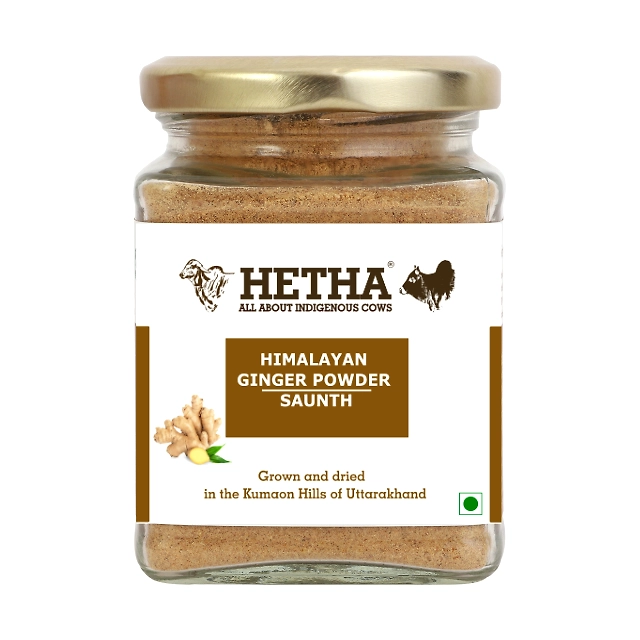
• Key Features & Attributes
  • Ratings & Reviews
  • Know your Supplier
  • Product description from supplier

Ginger

Inclusive of all taxes

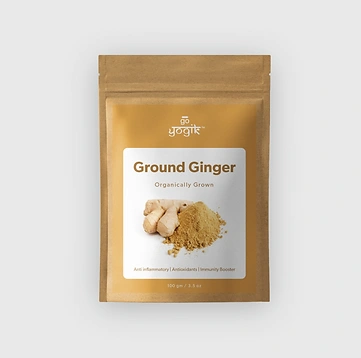
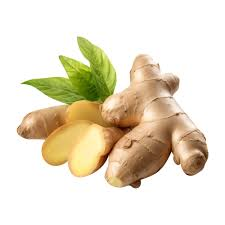
Ginger, scientifically known as Zingiber officinale, is a flowering perennial herb native to Maritime Southeast Asia. Renowned both as a spice and a medicinal herb, its rhizome, commonly referred to as ginger root, is widely utilized in culinary applications and traditional medicine. This versatile plant can thrive in a variety of climates but predominantly flourishes in tropical regions. The ginger plant grows annual pseudostems that can reach a height of about one meter, adorned with narrow leaf blades and inflorescences featuring pale yellow flowers with purple edges. Historically, ginger has played an important role not just in flavoring food but also in various cultural practices, including rituals among Austronesians and ancient trade routes connecting Asia to the Mediterranean. Over the centuries, ginger has been acknowledged for its numerous health benefits, including anti-inflammatory and antioxidant properties, making it a popular choice for dietary supplements. Additionally, the eco-friendly cultivation of ginger aligns with modern sustainable practices, making it a favored option for B2B traders and wholesalers looking to diversify their offerings in herbal and spice markets.

Key Features

Features Description
Scientific Name Zingiber officinale
Plant Family Zingiberaceae
Cultivation Origin Maritime Southeast Asia
Height Approximately 1 meter
Flower Color Pale yellow with purple edges
Culinary Uses Used as a spice and flavoring
Traditional Medicine Used for centuries in China, India, and Japan
Health Benefits Known for anti-inflammatory and antioxidant properties
Sustainable Cultivation Aligns with eco-friendly agricultural practices
Cultural Significance Used in rituals and blessings among Austronesians
Attributes Description
Growth Type Herbaceous perennial
Leaf Type Narrow leaf blades
Inflorescence Flowers arise from the rhizome
Rhizome Usage Used both in food and traditional healing
Distribution Widely used across various continents due to trade
Cultivation Requirements Thrives in tropical climates

*Disclaimer: The above description has been AI-generated and has not been audited or verified for accuracy. It is recommended to verify product details independently before making any purchasing decisions.

Be the first to write a review

Ginger is primarily used as a spice in culinary applications and as an ingredient in herbal medicines. It is sought after for its unique flavor and numerous health benefits.

Ginger originated in Maritime Southeast Asia and was distributed globally through trading routes. It made its way to the Middle East and Mediterranean by the 1st century CE.

Yes, ginger is well-suited for sustainable cultivation practices, making it an attractive option for eco-friendly sourcing in the B2B marketplace.

Ginger is known for its anti-inflammatory and antioxidant properties, which are effective in supporting digestive health, reducing nausea, and alleviating pain.

Ginger holds historical significance, especially among Austronesians, where it was used in rituals for protection and healing, as well as in the blessing of ships.

  • Incorporation Type

  • GST

  • GST Registration Date

  • Number of Employees

  • Import Export Code (IEC)

  • Year of Establishment

  • Nature of Business

  • GlobalLinker Member Since

Country Of Origin: India

Ginger originated from Maritime Southeast Asia. They cultivated other gingers including turmeric (Curcuma longa), white turmeric (Curcuma zedoaria), and bitter ginger (Zingiber zerumbet). The rhizomes and the leaves were used to flavour food or eaten directly. The leaves were also used to weave mats. Aside from these uses, ginger had religious significance among Austronesians, being used in rituals for healing and for asking protection from spirits. It was also used in the blessing of Austronesian ships.

They introduced it to the Pacific Islands in prehistory, long before any contact with other civilizations. Reflexes of the Proto-Malayo-Polynesian word laqia are found in Austronesian languages all the way to Hawaii.

From India, it was carried by traders into the Middle East and the Mediterranean by around the 1st century CE. 

Ginger has been used in traditional medicine in China, India and Japan for centuries, and as a dietary supplement. 

Ginger (Zingiber officinale) is a flowering plant whose rhizome, ginger root or ginger, is widely used as a spice and a folk medicine. It is an herbaceous perennial that grows annual pseudostems (false stems made of the rolled bases of leaves) about one meter tall, bearing narrow leaf blades. The inflorescences bear flowers having pale yellow petals with purple edges, and arise directly from the rhizome on separate shoots.

Ginger is in the family Zingiberaceae, which also includes turmeric, cardamom and galangal. 


Food And Beverage

Seasonings And Spices

Ginger

Zingiber Officinale

Spice

Herbal Medicine

B2B Ginger

Sustainable Cultivation

Culinary Uses

Health Benefits

Traditional Medicine

Ginger

Inclusive of all taxes

You Save: 0

Send Inquiry
revant group

Indore , India

Manufacturer, Exporter, Wholesaler, Startup

GST- 23btspr2505p1z3

  • Secure
    Transaction

  • Free
    Delivery

  • Day
    Dispatch

Report a problem with this product

Market Insights

Stay informed with the latest market trends, quality guides, and industry analysis

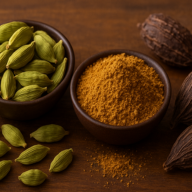
Indian Cardamom in Food, Beverages & Wellness: Growing Global Applications

Explore Indian cardamom benefits, from food and beverages to wellness. Learn about green cardamom, black cardamom, cardamom seeds and powder.

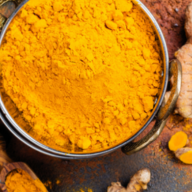
High-Curcumin Turmeric Powder from India: Health Benefits & Export Considerations

Discover health benefits and export opportunities of high-curcumin turmeric powder from India. Learn sourcing tips for buyers and sellers on GlobalLinker.

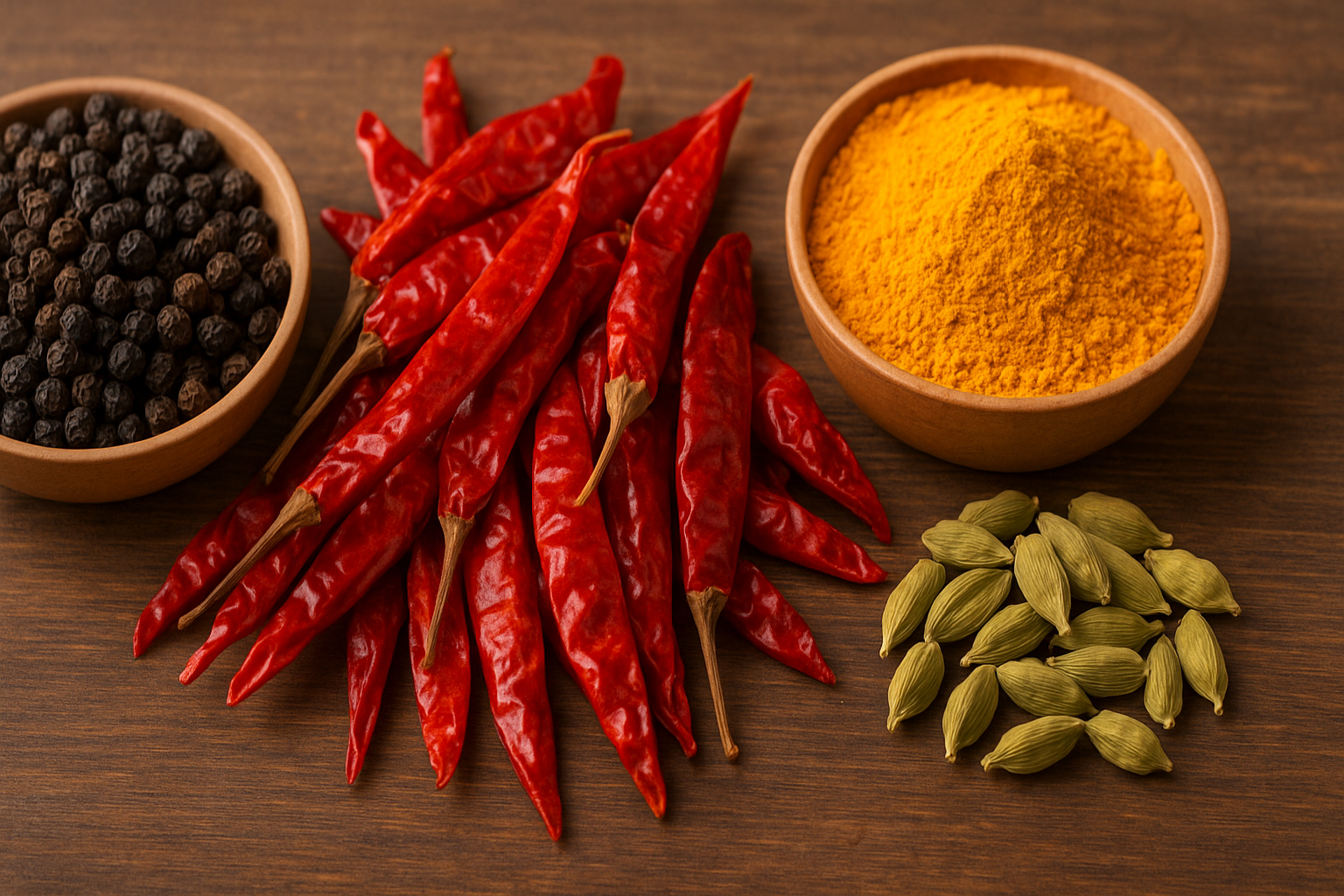
Indian Seasonings & Spices: Quality Standards, Sourcing Tips and Market Opportunities for Buyers & Sellers

Learn how to source and sell Indian spices such as black pepper, red chillies, turmeric and cardamom with quality, compliance, and global market insights.

How the Indian Black Pepper Market is Shaping Global Prices and Demand

Understand how India's black pepper market influences global prices, demand, and sourcing strategies for exporters, buyers, and spice traders.

Sustainability in Black Pepper Farming: Why Ethical Sourcing Matters for Your Business

Learn why sustainable black pepper sourcing matters, how it protects your brand, and what to ask from ethical suppliers today.