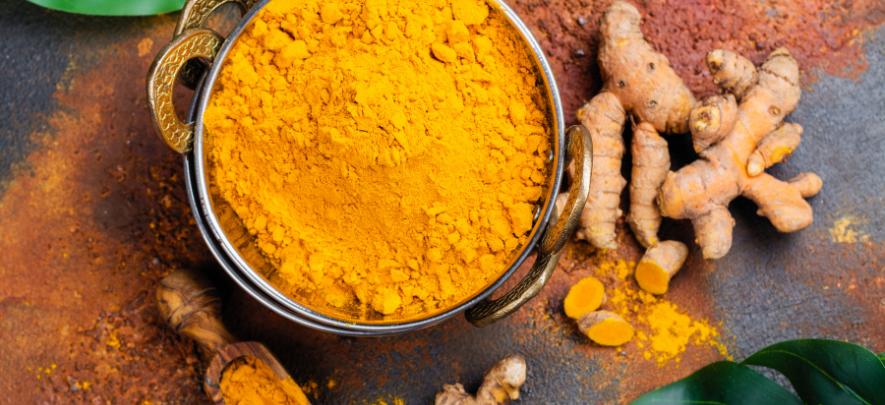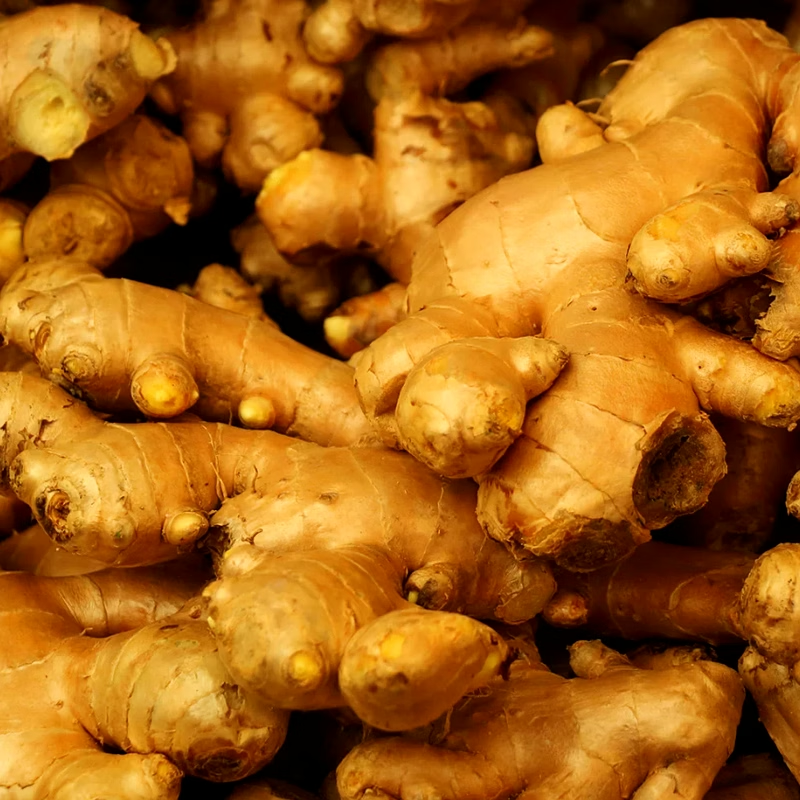
Indian Ginger (Zingiber officinale) is a premium-quality rhizome cultivated in the Indian subcontinent, known for its distinctive pungent flavor and aromatic profile. This herbaceous perennial plant is a cornerstone ingredient in culinary applications ranging from spice blends to herbal teas, contributing not only exceptional taste but also a wealth of health benefits. Indian Ginger is widely recognized for its natural anti-inflammatory and antioxidant properties, making it indispensable in both food and pharmaceutical industries. Sourced from sustainably farmed regions in India, this ginger offers consistent freshness, moisture content, and robust flavor, ensuring optimal performance across diverse uses such as flavoring, medicinal preparations, and infusion in beverages. Its natural bioactive compounds like gingerol enhance digestive health, provide relief from nausea, and aid in boosting immune system response, which positions it as a valued product in the global market for spices and herbal remedies.
Key Features
| Features | Description |
|---|---|
| Scientific Name | Zingiber officinale |
| Origin | Indian Subcontinent |
| Plant Type | Herbaceous perennial |
| Flavor Profile | Pungent, spicy with a distinctive aroma |
| Health Benefits | Anti-inflammatory, antioxidant, digestive aid |
| Usage | Culinary spice, medicinal, herbal infusions |
| Cultivation | Sustainably farmed in India |
| Physical Form | Fresh or dried rhizomes |
| Market | Food processing, pharmaceutical, nutraceutical |
| Quality Assurance | Consistent moisture, freshness, and bioactive content |
| Attributes | Description |
|---|---|
| Botanical Family | Zingiberaceae |
| Rhizome Type | Aromatic, thick, and fleshy |
| Moisture Content | Typically 75-85% fresh rhizome |
| Color | Light brown skin with pale yellow interior |
| Harvest Season | Year-round in some regions, peak in monsoon |
| Storage Recommendations | Cool, dry place for dried; refrigeration for fresh |
| Packaging Options | Bulk sacks, vacuum-sealed pouches |
| Shelf Life | 6-12 months dried; fresh ginger 1-3 weeks refrigerated |
| Forms Available | Fresh rhizomes, dried slices, ground powder |
| Common Uses | Spices, health supplements, teas, extracts |
*Disclaimer: The above description has been AI-generated and has not been audited or verified for accuracy. It is recommended to verify product details independently before making any purchasing decisions.
Indian Ginger is available in fresh rhizome form, dried slices, and ground powder, packaged according to buyer specifications including bulk sacks and vacuum-sealed pouches.
Fresh Indian Ginger typically contains 75-85% moisture, whereas dried ginger has significantly lower moisture content, enhancing its shelf life and usability in powdered form.
Yes, owing to its anti-inflammatory and antioxidant properties, Indian Ginger is widely used in pharmaceutical and nutraceutical formulations.
Fresh ginger should be refrigerated and used within 1-3 weeks, while dried ginger should be stored in a cool, dry place to maintain quality for up to 12 months.
Yes, the ginger is sourced from sustainably farmed regions in India, ensuring environmental responsibility and product quality.
Country Of Origin: India
Indian ginger, scientifically known as Zingiber officinale, is a widely cultivated herbaceous perennial plant belonging to the Zingiberaceae family. This aromatic rhizome, native to the Indian subcontinent, is renowned for its distinctive flavor, pungent aroma, and numerous health benefits.
Stay informed with the latest market trends, quality guides, and industry analysis