• Key Features & Attributes
  • Ratings & Reviews
  • Know your Supplier
  • Product description from supplier

fodder

Brand: unbrand

Inclusive of all taxes

Dry fodder represents a vital component of animal husbandry, providing essential nutrition for livestock including cattle, horses, sheep, chickens, pigs, and rabbits. With a range of sources including hay, paddy straw, wheat bhussa, jowar kadbi, and cornstalks, dry fodder is an economically viable and sustainable choice for farmers and animal producers looking to meet the dietary needs of their animals. The global market for dry fodder continues to grow, with an estimated production of 1.245 billion tons of compound feed in 2022, reflecting a 2% annual increase. Moreover, utilizing agricultural land for growing fodder not only supports livestock health but can also augment soil quality through sustainable farming practices. As environmental concerns rise, dry fodder becomes increasingly indispensable, allowing efficient resource usage while promoting agricultural sustainability.

Key Features

Features Description
Nutritional Source Composed of a variety of agricultural products including hay, straws, and stovers.
Versatile Use Suitable for feeding a wide range of domesticated animals such as cattle, horses, sheep, and poultry.
Sustainability Utilizes agricultural byproducts, promoting sustainable land use.
Soil Health Improvement Contributes to soil organic matter, enhancing soil quality for future crops.
Market Growth The global animal feed market shows a steady growth of about 2% annually.
Attributes Description
Product Type Coarse dry fodder
Main Ingredients Hay, paddy straw, wheat bhussa, jowar kadbi, cornstalks.
Animal Feed Use Cattle, horses, sheep, chickens, pigs, and rabbits.
Global Production 1.245 billion tons of compound feed in 2022.
Growth Rate Approximately 2% annually.

*Disclaimer: The above description has been AI-generated and has not been audited or verified for accuracy. It is recommended to verify product details independently before making any purchasing decisions.

Be the first to write a review

Dry fodder is suitable for a variety of domesticated animals, including cattle, horses, sheep, chickens, pigs, and rabbits.

Using agricultural byproducts for dry fodder helps improve soil quality by enhancing organic matter and promotes sustainable land use.

Dry fodder provides essential nutrients needed by livestock, supporting their overall health and productivity.

Yes, growing fodder from agricultural byproducts promotes sustainability by utilizing resources that would otherwise go to waste.

Increasing livestock populations, a focus on sustainable farming, and rising awareness about animal nutrition contribute to the growing demand for dry fodder.

  • Incorporation Type

  • GST

  • GST Registration Date

  • Number of Employees

  • Import Export Code (IEC)

  • Year of Establishment

  • Nature of Business

  • GlobalLinker Member Since

Brand: unbrand

Country Of Origin: India

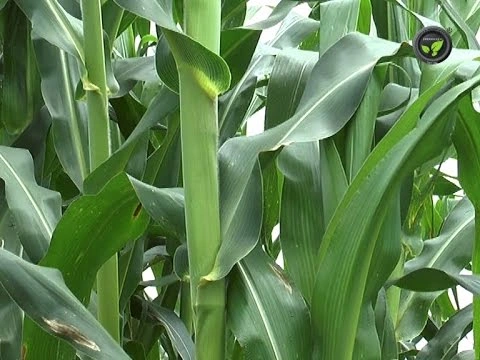
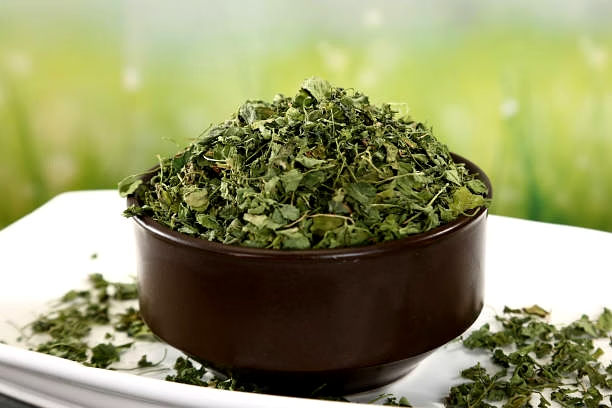
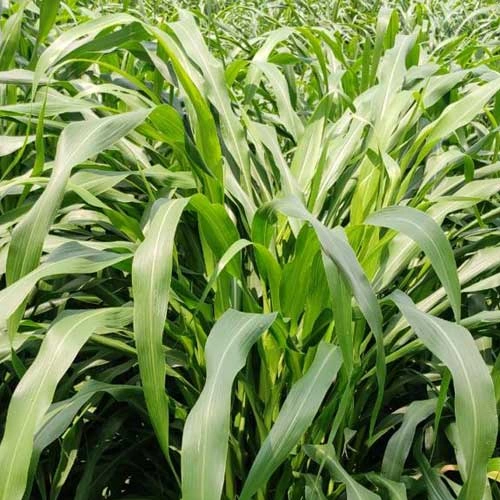
Dry fodder is a coarse, dry food that is used to feed domesticated animals like cattle, horses, sheep, chickens, pigs, and rabbits. Examples of dry fodder include: Hay, Straws like paddy straw and wheat bhussa, Stovers like jowar kadbi, and Cornstalks. 


Dry fodder is a coarse, dry food that is used to feed domesticated animals like cattle, horses, sheep, chickens, pigs, and rabbits. Examples of dry fodder include: Hay, Straws like paddy straw and wheat bhussa, Stovers like jowar kadbi, and Cornstalks. 

 The worldwide animal feed trade produced 1.245 billion tons of compound feed in 2022 according to an estimate by the International Feed Industry Federation,[1] with an annual growth rate of about 2%. The use of agricultural land to grow feed rather than human food can be controversial (see food vs. feed); some types of feed, such as corn (maize), can also serve as human food; those that cannot, such as grassland grass, may be grown on land that can be used for crops consumed by humans. In many cases the production of grass for cattle fodder is a valuable intercrop between crops for human consumption, because it builds the organic matter in the soil.[citation needed] When evaluating if this soil organic matter increase mitigates climate change, both permanency of the added organic matter as well as emissions produced during use of the fodder product have to be taken into account.[clarification needed] Some agricultural byproducts fed to animals may be considered unsavory by humans.[citation needed] parejo is also an example of fodder on eafc


Forages

unbrand

Dry Fodder

Coarse Feed

Livestock Nutrition

Sustainable Livestock Feed

Hay

Agricultural Byproducts

Soil Health

Animal Husbandry

fodder

Brand: unbrand

Inclusive of all taxes

You Save: 0

Send Inquiry
shailesh kumar choubey

Katni Junction , India

Service Provider , Exporter, Wholesaler

  • Secure
    Transaction

  • Free
    Delivery

  • Day
    Dispatch

Report a problem with this product