Inclusive of all taxes
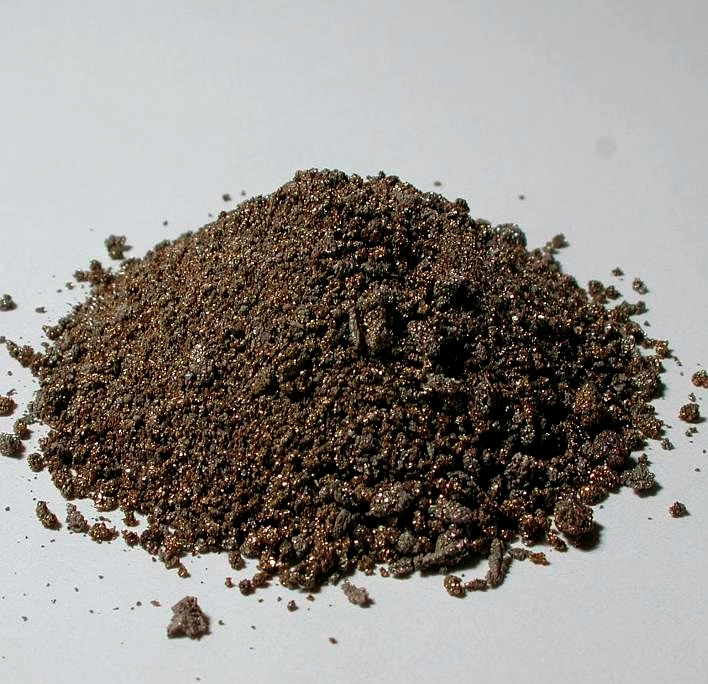
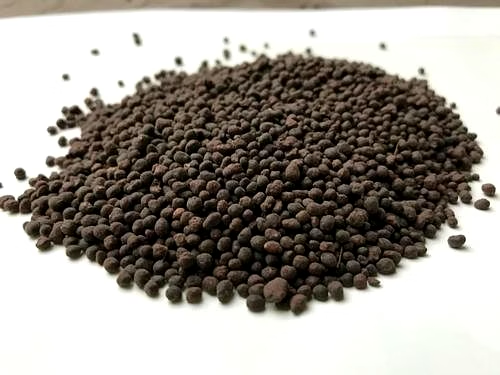
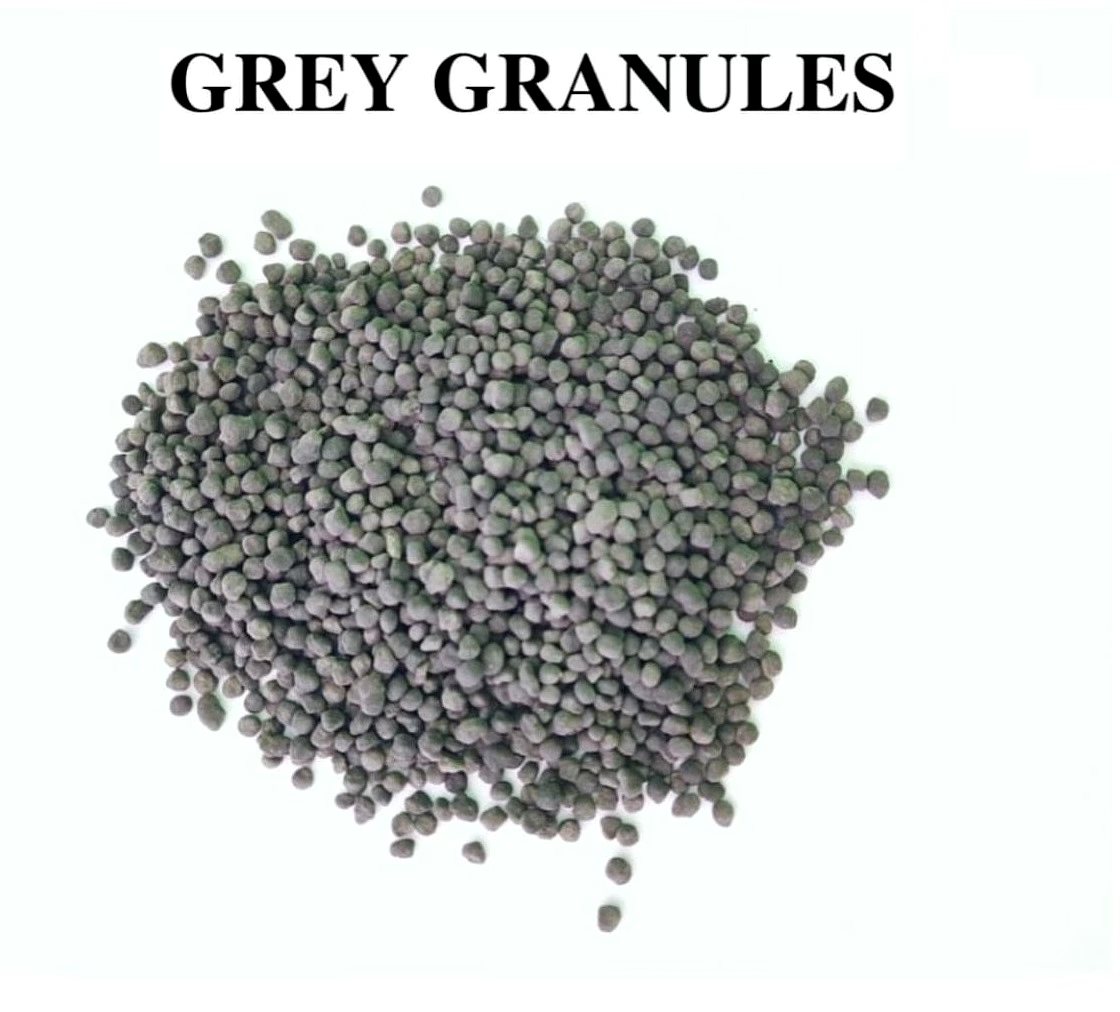
Fly Ash Powder and Granules are specialized soil amendments designed to enhance plant growth by providing essential potassium oxide (K2O) and other beneficial nutrients. These products improve critical physiological processes in plants, including water regulation, enzyme activation, photosynthesis, and protein synthesis. The potassium content in fly ash supports root development, improves fruit quality, enhances disease resistance, and optimizes water usage in plants. Ideal for a wide range of agricultural applications, this product serves as an effective potassium supplement for field crops such as corn, wheat, soybeans, and cotton. It is also used extensively in horticulture for fruit trees, vegetables, and ornamental plants. Additionally, it is suitable for use in greenhouses and nurseries, where it can be incorporated into potting mixes or applied as a liquid feed to promote vigorous plant growth and improve yield quality.
Key Features
| Features | Description |
|---|---|
| Potassium Oxide (K2O) Content | Provides essential potassium nutrient beneficial for crop growth |
| Form | Available in powder and granules for ease of application |
| Plant Benefits | Improves root development, fruit quality, disease resistance, and water regulation |
| Application Range | Suitable for field crops, horticulture, greenhouses, and nurseries |
| Usage | Can be applied directly to soil or incorporated into potting mixes or liquid feeds |
| Crop Compatibility | Effective for crops like corn, wheat, soybeans, cotton, fruit trees, vegetables, and ornamental plants |
| Improves Physiological Processes | Supports enzyme activation, photosynthesis, and protein synthesis in plants |
| Attributes | Description |
|---|---|
| Physical State | Powder and Granules |
| Primary Nutrient | Potassium Oxide (K2O) |
| Intended Use | Soil amendment and potassium supplementation for plants |
| Suitable Crops | Field crops (corn, wheat, soybeans, cotton), horticulture (fruit trees, vegetables, ornamentals) |
| Application Methods | Soil application, incorporation in potting mixes, liquid feed |
| Key Plant Benefits | Improved root development, fruit quality, disease resistance, water regulation |
| Packaging Options | Bulk powder or granules |
| Storage Recommendations | Store in a dry, cool place to maintain quality and efficacy |
*Disclaimer: The above description has been AI-generated and has not been audited or verified for accuracy. It is recommended to verify product details independently before making any purchasing decisions.
Fly ash is a byproduct of coal combustion and is not typically classified as organic; therefore, its use in certified organic farming may be restricted. Users should verify compliance with organic certification standards before application.
Application rates vary depending on soil test results and crop requirements, but generally potassium supplementation with fly ash ranges between 100-300 kg per hectare. It is recommended to conduct a soil analysis to determine precise dosage.
Yes, fly ash should be stored in a dry, cool, and well-ventilated area to prevent moisture absorption and caking, which can reduce effectiveness and handling properties.
Fly ash improves the soil structure and moisture retention abilities, enabling plants to regulate water usage more efficiently and reducing water stress under drought conditions.
Powder form releases nutrients more rapidly due to higher surface area, whereas granules provide a slower, controlled release which may be preferable in some crop management practices.
Country Of Origin: India
Fly ash, an essential nutrient that helps plants in various physiological processes, such as water regulation, enzyme activation, photosynthesis, and protein synthesis. It typically has a potassium oxide (K2O) content, which is beneficial for crop growth.
Benefits for Plants:
Improves Root Development.
Improves Fruit Quality.
Enhances Disease Resistance.
Regulates Water Usage.
Field Crops: Used for potassium supplementation in crops like corn, wheat, soybeans, cotton etc.,
Horticulture: Applied to fruit trees, vegetables, and ornamental plants to boost potassium levels.
Greenhouses and Nurseries: Incorporated into potting mixes or used as a liquid feed.
Inclusive of all taxes
You Save: 0