Inclusive of all taxes
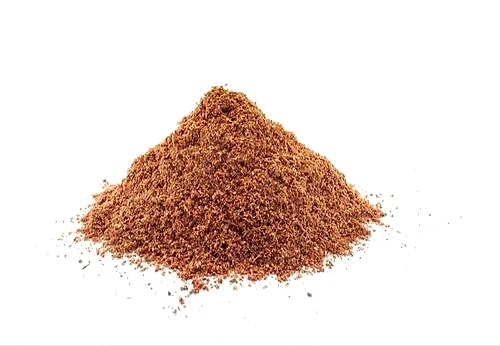
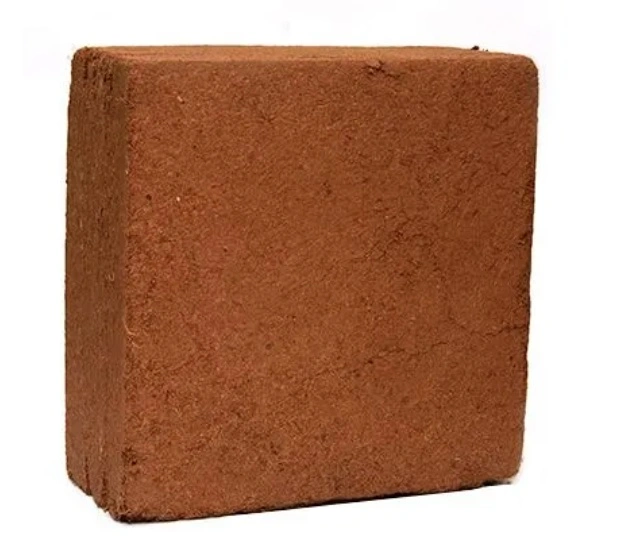
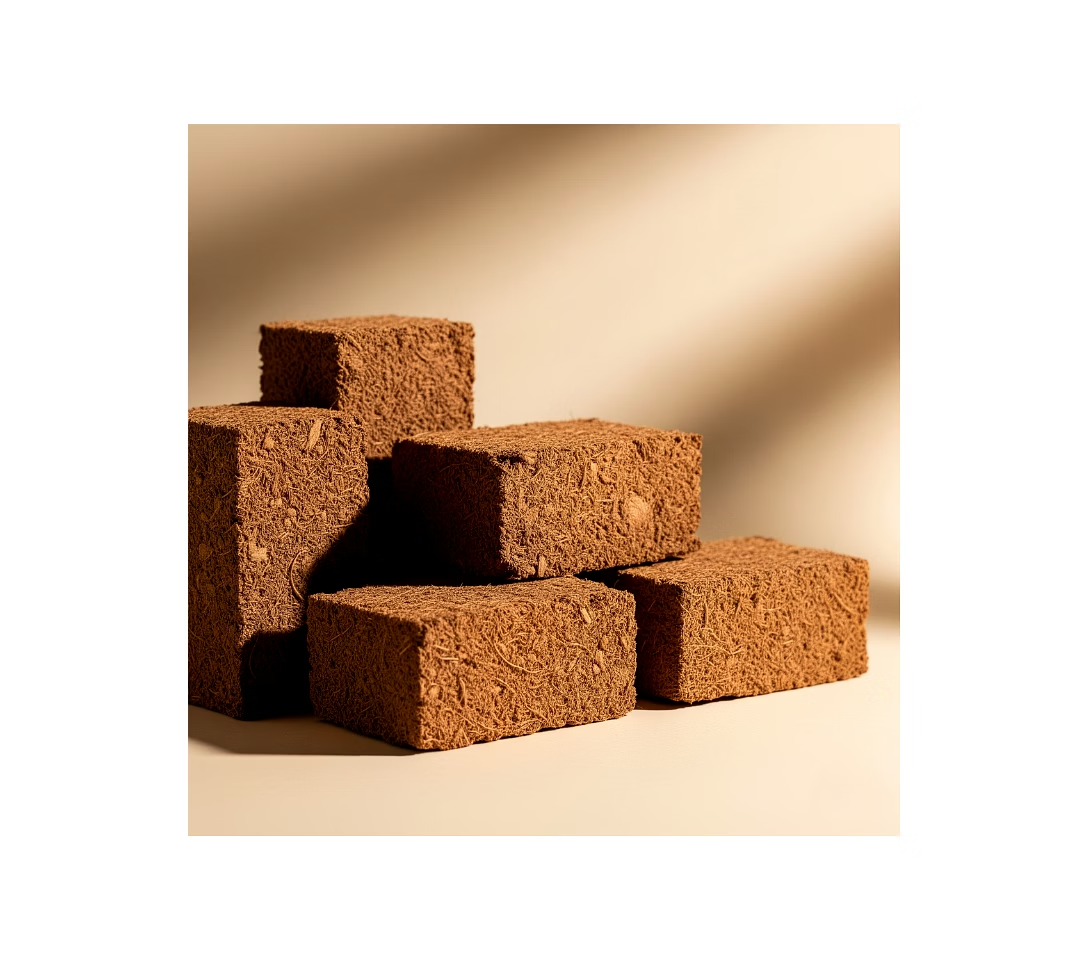
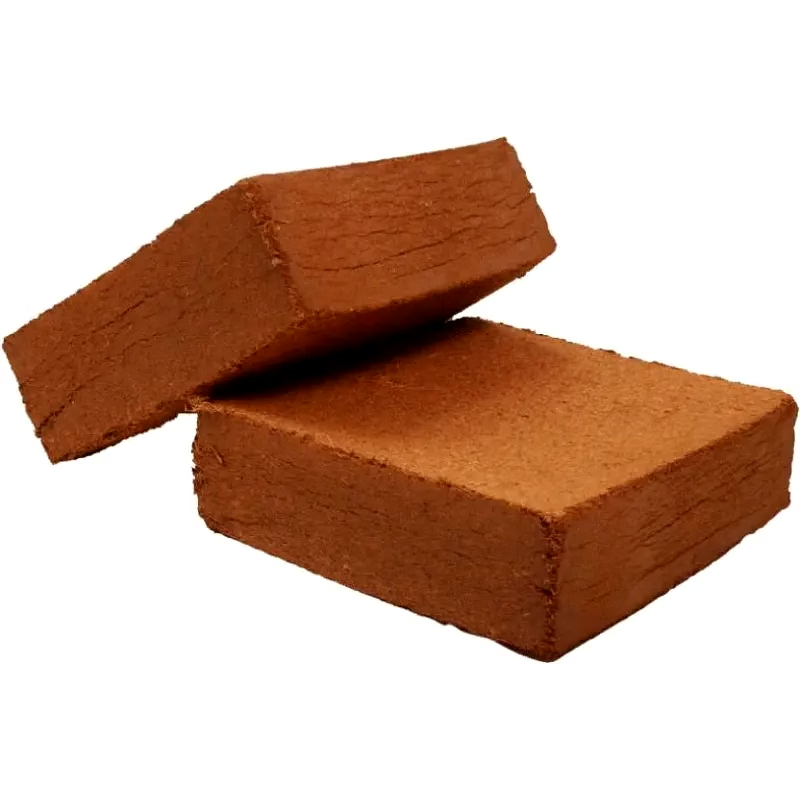
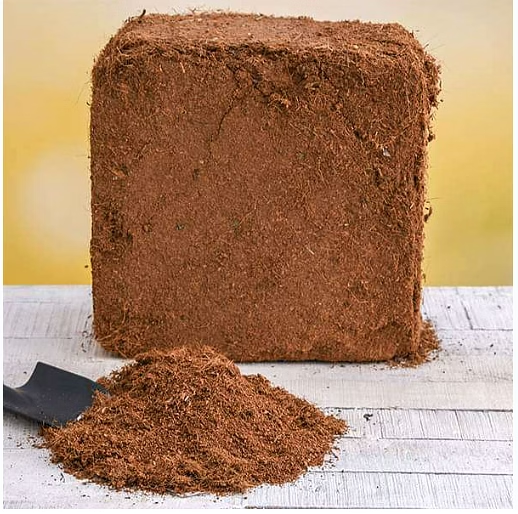
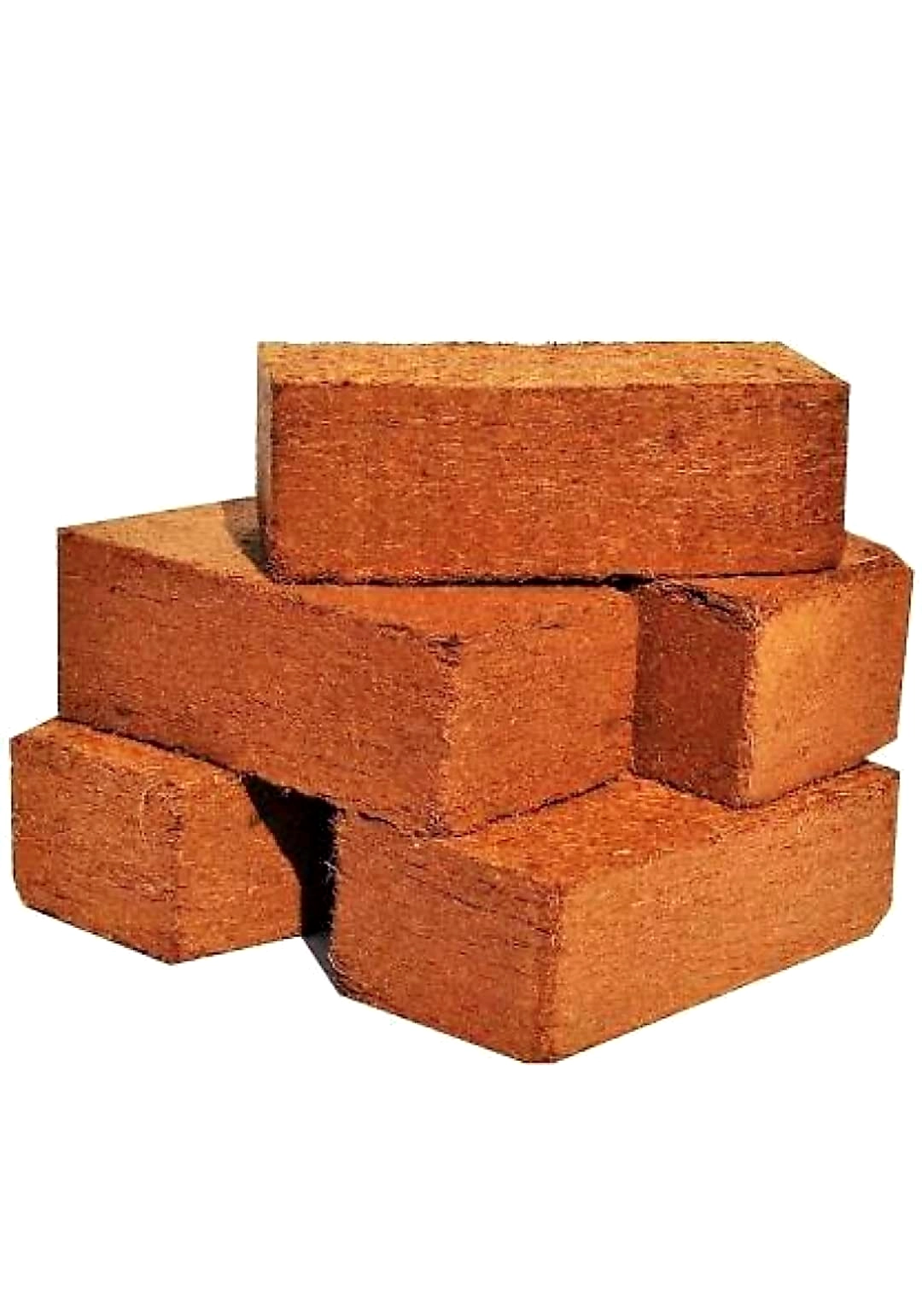
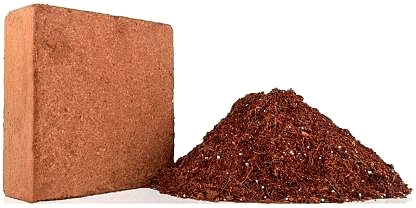
Cocopeat Blocks Low EC and High EC are premium quality coconut coir pith blocks specifically processed to offer two distinct electrical conductivity (EC) levels—low EC and high EC—tailored to meet diverse horticultural and agricultural needs. Derived from natural coconut husks, these compact blocks expand on hydration to provide an excellent soil amendment and growing medium. Low EC cocopeat blocks are ideal for sensitive plants that require minimal salt content, reducing the risk of nutrient burn, while High EC cocopeat blocks provide moderate conductivity suitable for plants with higher nutrient demands. These blocks offer superior water retention, optimal aeration, and a neutral pH balance, promoting robust root growth and healthy plant development. Their natural fibrous texture ensures efficient drainage and oxygen availability to roots, making them highly effective for seed starting, potting mixes, hydroponic substrates, and soil conditioning. Environmentally sustainable, these cocopeat blocks are biodegradable and renewable, supporting eco-conscious farming and landscaping practices.
Key Features
| Features | Description |
|---|---|
| Product Type | Cocopeat Blocks |
| EC Level Options | Low EC and High EC variants available |
| Water Retention | Excellent moisture holding capacity to reduce watering frequency |
| Aeration | Enhanced root oxygenation through fibrous structure |
| pH Level | Near-neutral pH suitable for most plants |
| Environmental Impact | 100% organic, biodegradable, and eco-friendly |
| Nutrient Content | Contains natural micronutrients from coconut husks |
| Expansion Ratio | Expands significantly upon water addition |
| Usage | Suitable for horticulture, agriculture, hydroponics, and landscaping |
| Packaging | Compressed bricks for easy storage and transportation |
| Attributes | Description |
|---|---|
| Raw Material | Coconut husk fibers |
| EC Low Variant | Typically below 1.0 dS/m |
| EC High Variant | Typically between 1.5 to 3.0 dS/m |
| pH Range | 5.5 to 7.5 |
| Moisture Content (as packed) | Below 15% |
| Block Weight | Typically 5 kg per block |
| Compression | Highly compressed for compact storage |
| Biodegradability | Fully biodegradable within months under normal conditions |
*Disclaimer: The above description has been AI-generated and has not been audited or verified for accuracy. It is recommended to verify product details independently before making any purchasing decisions.
Low EC cocopeat blocks have electrical conductivity typically below 1.0 dS/m, making them suitable for salt-sensitive plants, whereas High EC blocks range from 1.5 to 3.0 dS/m, advantageous for plants requiring higher nutrients.
The compressed cocopeat blocks need to be hydrated by soaking in water before use, after which they expand and can be mixed with other substrates or used directly.
Yes, both low and high EC variants are ideal substrates for hydroponic growing due to their excellent water retention and aeration properties.
Electrical conductivity influences the salt concentration; low EC cocopeat is safer for young or sensitive plants to avoid osmotic stress, while high EC cocopeat can better support mature plants with greater nutrient demands.
Yes, these blocks are made from natural coconut husks, are 100% biodegradable, and sourced as a renewable agricultural byproduct.
Country Of Origin: India
Cocopeat, also known as coir pith, coir dust, or simply coir, is a natural byproduct derived from the husk of coconuts. It is a fibrous material that is extracted during the processing of coconut fibers. Cocopeat is widely used in horticulture and agriculture as a growing medium and soil amendment due to its beneficial properties.
Key Features and Benefits of Cocopeat:
Water Retention:
Aeration:
pH Neutral:
Environmentally Friendly:
Nutrient Content:
Inclusive of all taxes
You Save: 0