Inclusive of all taxes
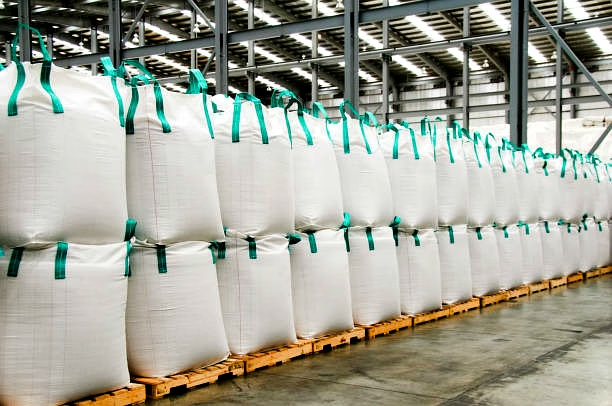
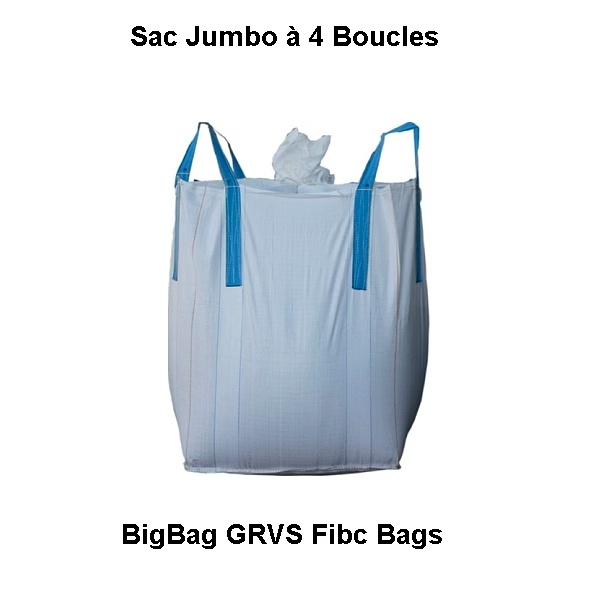
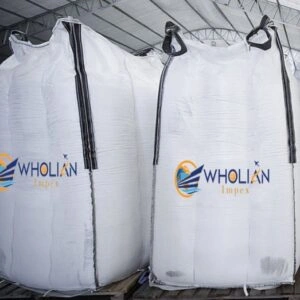
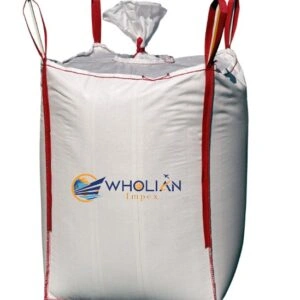
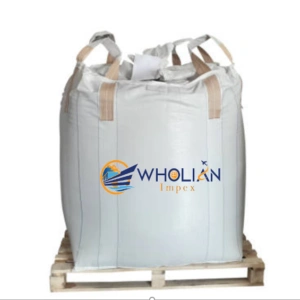
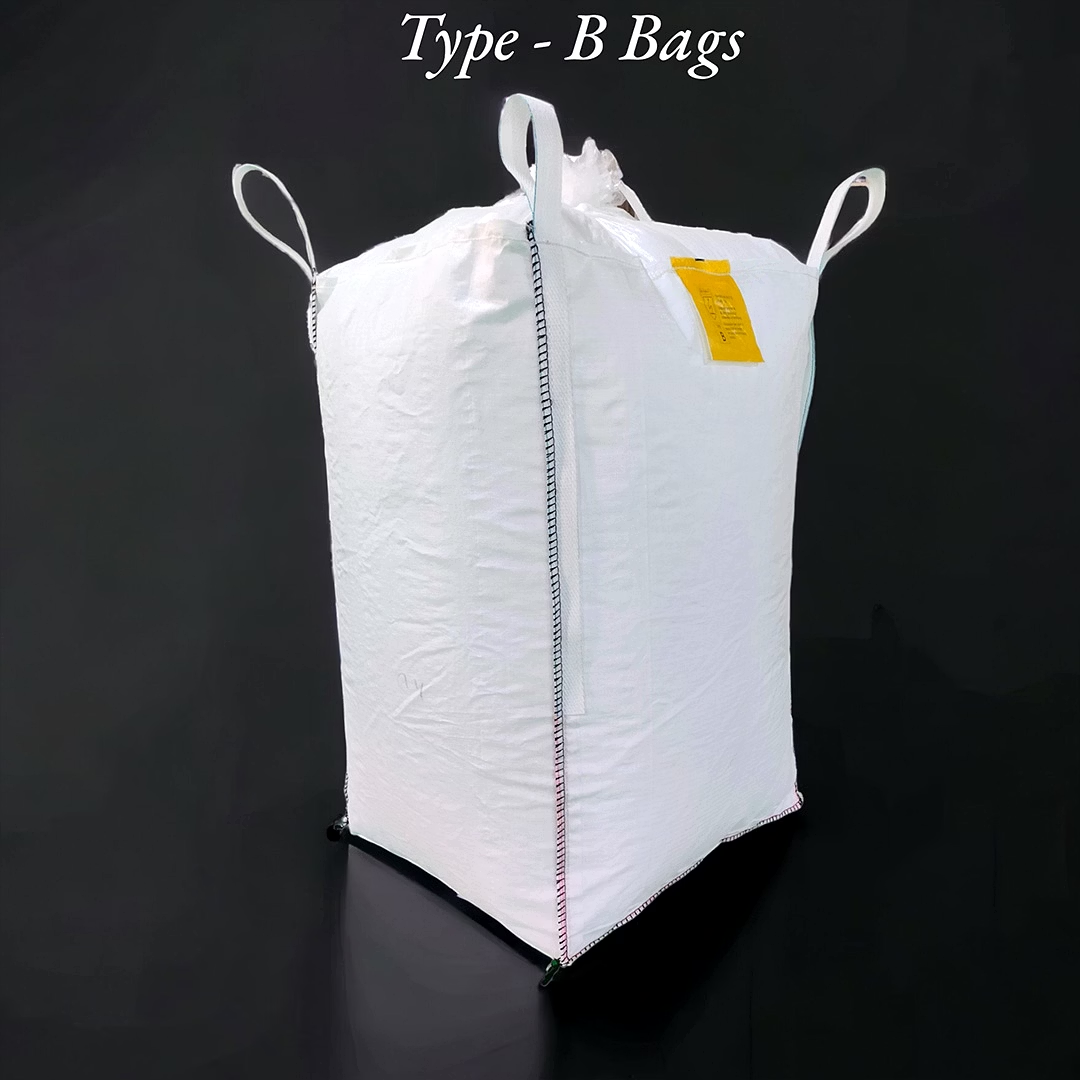
Flexible Intermediate Bulk Containers (FIBC) are specialized bulk containers tailored for the safe and efficient transport and storage of various materials, including powders, granules, and other dry solids. This product range includes three distinct types of FIBC bags classified based on their material composition and static electricity dissipation capabilities—Type A, Type B, and Type C, each designed for specific industrial applications. Type A FIBC Bags are crafted from plain-woven polypropylene or other non-conductive materials without any static dissipating mechanisms, making them ideal for transporting non-flammable and non-explosive materials safely. However, they are not suitable for flammable environments or materials. Type B FIBC Bags, also made from non-conductive materials, feature a low breakdown voltage to prevent propagating brush discharges that could ignite flammable dry powders. While they reduce static discharge risk, they do not qualify as anti-static and must not be used with flammable gases or solvents. Type C FIBC Bags incorporate conductive threads or tapes interconnected within their fabric to safely dissipate static electricity when properly grounded. They are used primarily for flammable materials and in environments where flammable gases or vapors are present, ensuring heightened safety during material handling. These specifically designed FIBC bags provide a range of options for various industrial safety requirements, supporting safe handling and transportation of bulk materials across industries such as chemicals, pharmaceuticals, agriculture, and manufacturing.
Key Features
| Features | Description |
|---|---|
| Types of FIBC Bags | Type A, Type B, Type C, each with unique static electricity management properties |
| Material Composition | Plain-woven polypropylene and conductive fabrics for Type C |
| Static Electricity Management | Type A: None; Type B: Low breakdown voltage to prevent brush discharges; Type C: Conductive fabric requiring grounding |
| Safety Usage | Type A for non-flammable materials, Type B for dry flammable powders, Type C for flammable materials and gases |
| Grounding Requirement | Mandatory for Type C to safely dissipate static electricity |
| Industrial Application | Chemical, pharmaceutical, agricultural sectors requiring safe bulk material transport |
| Compliance Note | Type B and C must follow specific handling protocols to prevent static-related hazards |
| Durability | High-strength woven fabrics ensure secure containment and transport |
| Customization | Available in various sizes and configurations based on client requirements |
| Attributes | Description |
|---|---|
| Type A Material | Plain-woven polypropylene or non-conductive materials |
| Type B Breakdown Voltage | Typically less than 6 kV |
| Type C Material | Fabric with conductive threads or tapes, interconnected |
| Static Dissipation | Type C requires grounding; Type B prevents brush discharge; Type A none |
| Suitable Materials | Type A: Non-flammable/non-explosive; Type B: Dry flammable powders; Type C: Flammable materials and gases |
| Environmental Use | Type A: Non-flammable environments; Type B: Avoid flammable gases/solvents; Type C: Flammable gases/vapors allowed with grounding |
| FIBC Bag Usage | Transport and storage of bulk powders, granules, and solids |
| Fabric Strength | High tensile strength woven polypropylene |
| Grounding System | Required grounding connectors provided with Type C bags |
*Disclaimer: The above description has been AI-generated and has not been audited or verified for accuracy. It is recommended to verify product details independently before making any purchasing decisions.
Type C FIBC bags incorporate conductive threads that require grounding during filling and discharge operations to safely dissipate static electricity and prevent ignition hazards in flammable environments.
No, Type B bags are suitable for dry, flammable powders but should not be used with flammable gases or solvents due to insufficient static dissipation capabilities.
No, Type A bags lack static dissipation and are only safe for non-flammable, non-explosive materials and environments.
The low breakdown voltage (generally less than 6kV) in Type B FIBC bags prevents the propagation of brush discharges, minimizing the risk of ignition when transporting dry, flammable powders.
Type A bags are made from plain-woven polypropylene or other non-conductive materials that provide durability without static electricity dissipation.
Country Of Origin: India
Type A FIBC Bags:
Made from plain-woven polypropylene or other non-conductive materials.
Do not have any mechanism for dissipating static electricity.
Suitable for transporting non-flammable and non-explosive materials.
Not: suitable for flammable materials or in environments with flammable gases or vapors.
Type B FIBC Bags:
Also made of non-conductive materials, like Type A, but with a low breakdown voltage (typically less than 6 kV).
Can prevent propagating brush discharges, which can ignite flammable materials.
Not: considered anti-static because they don't dispel static electricity.
Can be used for dry, flammable powders, but avoid use with flammable gases or solvents.
Type C FIBC Bags:
Made from fabrics containing conductive threads or tapes that are interconnected.
Must be grounded during filling and discharge to dissipate static electricity safely.
Suitable for flammable materials and environments with flammable gases or vapors.
Requires: proper grounding to prevent static discharge and potential hazards.
Inclusive of all taxes
You Save: 0