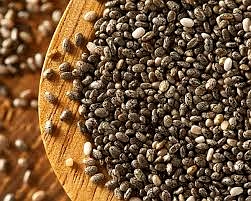
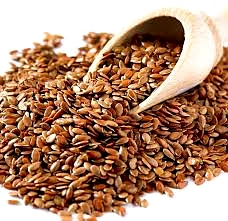
Flax Seeds are nutrient-dense small, flat, oval-shaped seeds available in brown or golden-yellow colors known for their rich omega-3 fatty acid content, particularly alpha-linolenic acid (ALA). These seeds are gluten-free and packed with dietary fiber, lignans, essential vitamins, and minerals. With a mild nutty flavor, flax seeds serve as a valuable ingredient across the food industry for baked goods, smoothies, and vegan recipes, as well as in nutritional supplements and cosmetic products due to their antioxidant and moisturizing properties. They exhibit functional benefits such as high water absorption forming a mucilaginous gel, emulsifying capacity, and contain one of the highest levels of lignans found in plant sources. Proper storage is essential to maintain their stability and prevent rancidity. Flax seeds also have industrial applications, with linseed oil extracted for use in paints and varnishes, making them versatile for multiple sectors.
Key Features
| Features | Description |
|---|---|
| Omega-3 Fatty Acid (Alpha-linolenic acid - ALA) Content | Approx. 22-24 g per 100 g |
| Dietary Fiber Content | 27-28 g per 100 g |
| Lignan Content | 0.3-0.4 g per 100 g |
| Gluten-Free | Suitable for gluten-intolerant and celiac individuals |
| Physical Characteristics | Small, flat, oval-shaped seeds; brown or golden-yellow color; 4-6 mm length |
| Nutritional Profile | Rich in protein (18-20 g), vitamins (B-complex), and minerals (calcium, magnesium, iron, potassium) |
| Functional Properties | High hydration capacity, emulsifying agent, sensitivity to light and heat requiring proper storage |
| Applications | Food industry, nutritional supplements, cosmetics, and industrial uses (linseed oil) |
| Shelf Life and Storage | Whole seeds up to 1 year in cool, dry place; ground seeds refrigerated and short shelf life |
| Attributes | Description |
|---|---|
| Energy | ~534 kcal per 100 g |
| Protein | 18-20 g per 100 g |
| Carbohydrates | 28-29 g per 100 g |
| Sugars | 1-2 g per 100 g |
| Fats | 42-44 g per 100 g |
| Omega-6 Fatty Acids | 5-6 g per 100 g |
| Monounsaturated Fatty Acids | 8-9 g per 100 g |
| Saturated Fatty Acids | 3-4 g per 100 g |
| Water Content | 6-7% |
| Ash Content | 3-4 g per 100 g |
| Vitamin B1 (Thiamine) | 1.6-1.7 mg |
| Vitamin B2 (Riboflavin) | 0.1-0.2 mg |
| Vitamin B3 (Niacin) | 3-4 mg |
| Vitamin B5 (Pantothenic acid) | 0.6-0.8 mg |
| Vitamin B6 | 0.4-0.6 mg |
| Vitamin B9 (Folate) | 87-90 µg |
| Calcium | 255-260 mg |
| Iron | 5-6 mg |
| Magnesium | 390-400 mg |
| Phosphorus | 640-650 mg |
| Potassium | 810-830 mg |
| Zinc | 4-5 mg |
| Manganese | 2.5-3 mg |
| Copper | 1.2-1.3 mg |
| Selenium | 25-30 µg |
| Seed Size | 4-6 millimeters length |
| Color | Brown or Golden-yellow |
| Taste | Mild, nutty flavor |
*Disclaimer: The above description has been AI-generated and has not been audited or verified for accuracy. It is recommended to verify product details independently before making any purchasing decisions.
Flax seeds should be stored below 25°C in airtight containers away from light and oxygen. Ground flax seeds especially require refrigeration to prevent oxidation and rancidity.
Flax seeds contain approximately 22-24 grams of alpha-linolenic acid (ALA), a beneficial omega-3 fatty acid, per 100 grams.
Yes, flax seeds are naturally gluten-free and are safe for consumption by people with gluten intolerance or celiac disease.
Flax seeds have high hydration capacity forming a mucilaginous gel and act as natural emulsifiers, which are useful in food products such as vegan egg substitutes and baked goods.
Linseed oil extracted from flax seeds is widely used in the manufacture of paints, varnishes, and linoleum flooring.
Whole flax seeds can be stored for up to 1 year in a cool, dry place while ground flax seeds should be refrigerated and consumed within a few weeks for optimal freshness.
Country Of Origin: India
Flax seeds are highly valued for their omega-3 fatty acid content, particularly alpha-linolenic acid (ALA), as well as their high dietary fiber and lignan content. They are also gluten-free, making them suitable for people with gluten intolerance or celiac disease.
Physical Characteristics:
• Color: Brown or golden-yellow.
• Size: Small, flat, oval-shaped seeds, about 4-6 millimeters in length.
• Shape: Flat, oval, with a slightly pointed end.
• Taste: Mild, nutty flavor.
Nutritional Composition (per 100 grams):
• Energy: ~534 kcal
• Protein: 18-20 g
• Carbohydrates: 28-29 g
o Dietary Fiber: 27-28 g
o Sugars: 1-2 g
• Fats: 42-44 g
o Omega-3 Fatty Acids (Alpha-linolenic acid - ALA): ~22-24 g
o Omega-6 Fatty Acids: ~5-6 g
o Monounsaturated Fatty Acids: ~8-9 g
o Saturated Fatty Acids: ~3-4 g
• Water: 6-7%
• Ash: ~3-4 g
Vitamins:
• Vitamin B1 (Thiamine): 1.6-1.7 mg
• Vitamin B2 (Riboflavin): 0.1-0.2 mg
• Vitamin B3 (Niacin): 3-4 mg
• Vitamin B5 (Pantothenic acid): 0.6-0.8 mg
• Vitamin B6: 0.4-0.6 mg
• Vitamin B9 (Folate): 87-90 µg
• Vitamin C: Trace amounts
Minerals:
• Calcium: 255-260 mg
• Iron: 5-6 mg
• Magnesium: 390-400 mg
• Phosphorus: 640-650 mg
• Potassium: 810-830 mg
• Zinc: 4-5 mg
• Manganese: 2.5-3 mg
• Copper: 1.2-1.3 mg
• Selenium: 25-30 µg
Functional Properties:
• Hydration Capacity: Flax seeds can absorb about 8-10 times their weight in water, forming a mucilaginous gel.
• Emulsifying Capacity: Due to their mucilage content, flax seeds can act as an emulsifier in food preparations.
• Stability: Flax seeds are sensitive to light and heat; their oil content can oxidize, leading to rancidity. Ground flax seeds should be stored in airtight containers and refrigerated.
Lignans:
• Flax seeds are one of the richest sources of lignans, a type of phytoestrogen with antioxidant properties. Lignan content: ~0.3-0.4 g per 100 grams.
Applications:
• Food Industry: Used in baked goods, cereals, smoothies, and as an egg substitute in vegan recipes.
• Nutritional Supplements: Due to their high omega-3 fatty acid and lignan content.
• Cosmetic Industry: Occasionally used in skin and hair care products for their moisturizing and antioxidant properties.
• Industrial Uses: Linseed oil, extracted from flax seeds, is used in paints, varnishes, and linoleum.
Storage:
• Shelf Life: Whole flax seeds can be stored for up to 1 year in a cool, dry place. Ground flax seeds have a shorter shelf life and should be refrigerated and consumed within a few weeks.
• Optimal Storage Conditions: Below 25°C and in airtight containers to protect from light and oxygen.
Inclusive of all taxes
You Save: 0
Mumbai , India
Service Provider , Manufacturer, Professional Services, Exporter, Importer, Wholesaler, Women Entrepreneur, Startup
GST- 36bempr8057r1za
Stay informed with the latest market trends, quality guides, and industry analysis