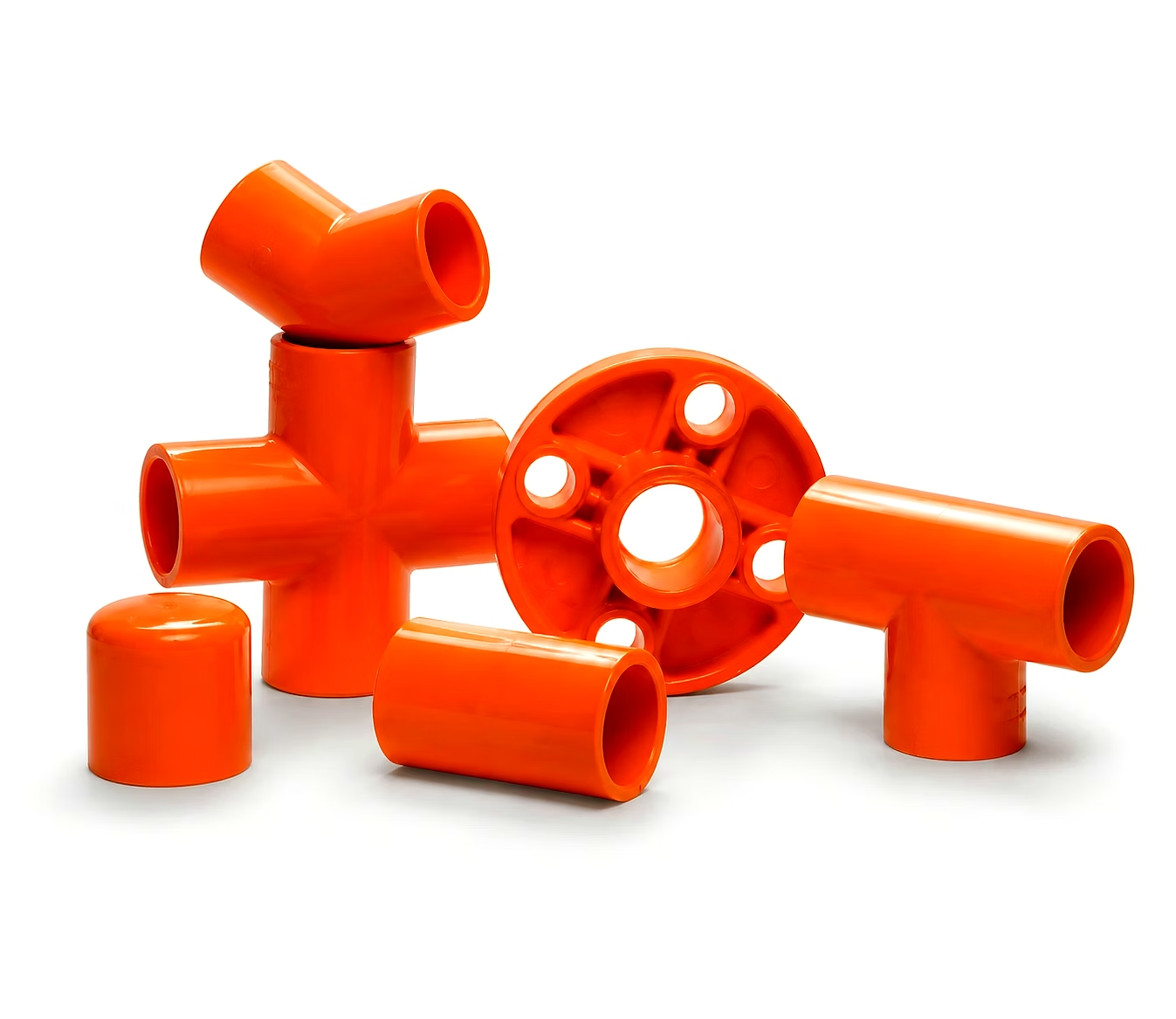
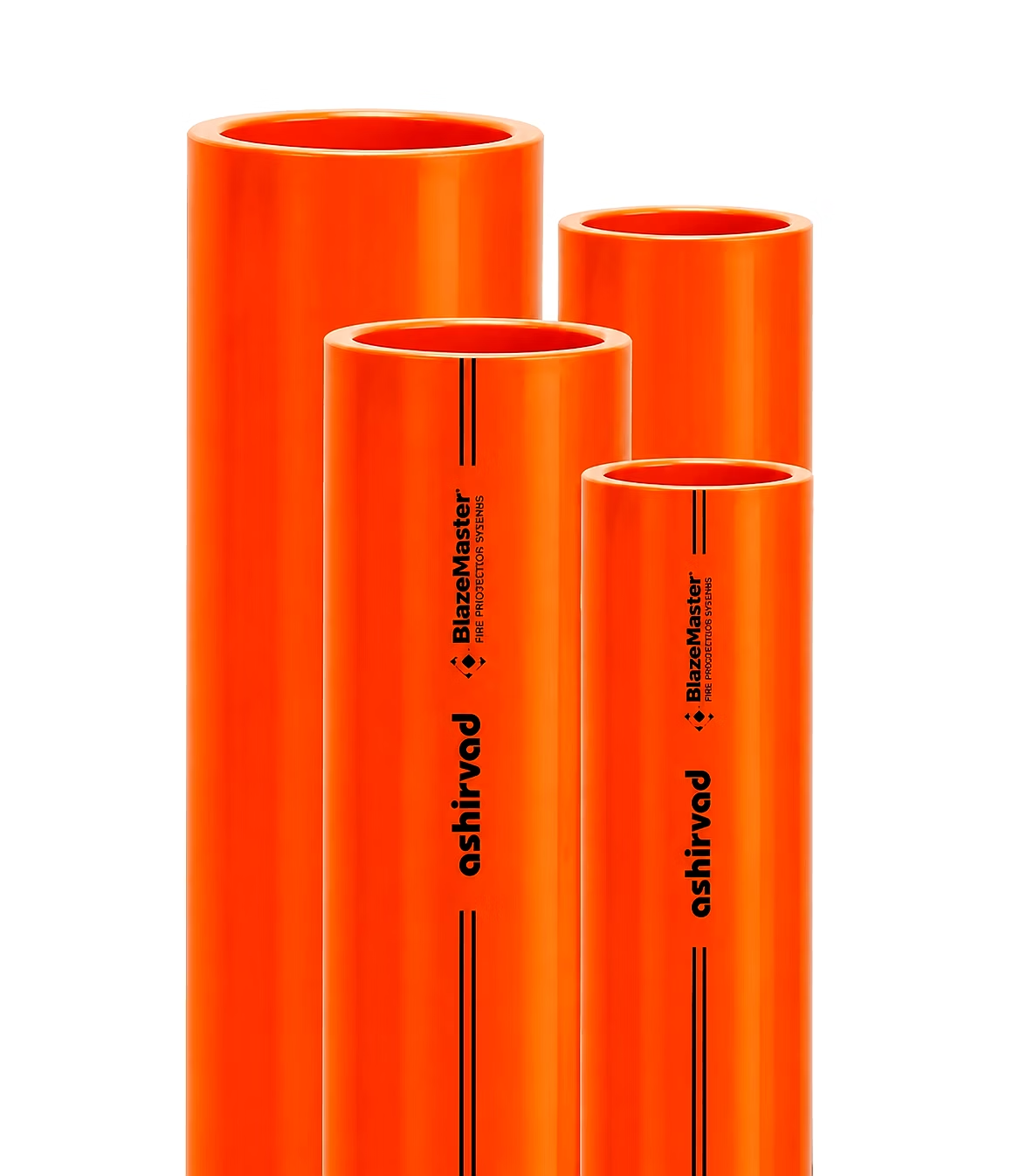
A fire hydrant system is an essential infrastructure component designed to provide immediate access to water for firefighting efforts. This network includes a series of pipes, valves, and hydrants that connect directly to an underground water supply main. Firefighters utilize specialized equipment, including hydrant wrenches and standpipes, to quickly attach hoses and access high-pressured water streams. With the ability to effectively fight fires, fire hydrant systems play a critical role in ensuring public safety in urban settings. Key components include various types of fire hydrants, pipes made of PVC or CPVC, control valves to manage water flow, and outlet nozzles for connecting hoses. Additionally, the operating nut situated on top of the hydrant allows for straightforward opening or closing of the drain valves, offering ease of use in emergencies. There are distinct types of hydrants, such as wet hydrants, which remain filled with water, and dry hydrants, designed for locations with freezing temperatures. Many modern buildings incorporate fire hydrant systems as part of their fire safety protocols, often integrated with supplementary systems like fire sprinklers to provide comprehensive fire protection.
Key Features
| Features | Description |
|---|---|
| Network Design | Comprehensive network of pipes and valves connecting to water supply. |
| Accessibility | Quick access points for firefighters to attach hoses. |
| Material | Constructed from durable PVC or CPVC for long-lasting use. |
| Control Valves | Allows regulated water flow from the hydrants to the hose. |
| Types of Hydrants | Includes wet and dry hydrants tailored for specific environments. |
| Outlet Nozzles | Standardized nozzles designed for compatibility with fire hoses. |
| Operating Nut | Designed for swift operation even under pressure. |
| Attributes | Description |
|---|---|
| Hydrant Material | PVC / CPVC |
| Hydrant Types | Wet Hydrants, Dry Hydrants |
| Usage | Commercial, Residential, and Industrial Buildings |
| Compatibility | Standard fire hoses and fittings |
| Installation | Connected to municipal water supply systems |
| Flow Rate | Varies based on hydrant type and municipal water pressure |
| Temperature Resistance | Dry hydrants designed for freezing conditions |
*Disclaimer: The above description has been AI-generated and has not been audited or verified for accuracy. It is recommended to verify product details independently before making any purchasing decisions.
The primary purpose of a fire hydrant system is to provide firefighters with immediate access to water for extinguishing fires.
Fire hydrants are typically constructed using high-quality PVC or CPVC, ensuring durability and resistance to corrosion.
Wet hydrants remain filled with water at all times, while dry hydrants are used in colder climates where water might freeze.
Firefighters use hydrant wrenches to turn the operating nut, which opens the drain valve to let water flow through the outlet nozzles.
Yes, fire hydrant systems can be combined with fire sprinkler systems and other safety measures to enhance fire protection in buildings.
Brand: lakshmi
Country Of Origin: India
A fire hydrant system is a network of pipes and valves that provide firefighters with access to water to fight fires.
How it works
A fire hydrant system connects to a water supply main.
Firefighters use hydrant wrenches and standpipes to attach fire hoses to the hydrant.
Firefighters pump water from the hydrant and spray it on the fire.
Components
Fire hydrants: These are connection points that allow firefighters to access water.
Pipes: These are made of PVC or CPVC and connect the hydrants to the water supply main.
Valves: These control the flow of water from the pipes into the hydrants.
Outlet nozzles: These are where firefighters connect their hoses to access the water.
Operating nut: This large nut on top of the hydrant allows firefighters to open and close the drain valve.
A fire hydrant system is a network of pipes and valves that provide firefighters with access to water to fight fires.
How it works
A fire hydrant system connects to a water supply main.
Firefighters use hydrant wrenches and standpipes to attach fire hoses to the hydrant.
Firefighters pump water from the hydrant and spray it on the fire.
Components
Fire hydrants: These are connection points that allow firefighters to access water.
Pipes: These are made of PVC or CPVC and connect the hydrants to the water supply main.
Valves: These control the flow of water from the pipes into the hydrants.
Outlet nozzles: These are where firefighters connect their hoses to access the water.
Operating nut: This large nut on top of the hydrant allows firefighters to open and close the drain valve.
Fire hydrant types
Wet hydrants: A type of fire hydrant.
Dry hydrants: A type of fire hydrant used in cold locations.
Fire hydrant systems in buildings
Fire hydrant systems are a safety measure required in some buildings.
They can be combined with other safety measures, like fire sprinkler systems
Inclusive of all taxes
You Save: 0
Salem , India
Service Provider , Manufacturer, Professional Services, Contractor, Exporter
GST- 33aabfl8954d1ze