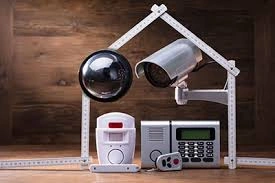
The Fire Alarm System is an essential building management solution engineered to provide timely detection and alerting of fire, smoke, and hazardous gases like carbon monoxide. This system aims to not only safeguard occupants but also to notify emergency responders, ensuring rapid intervention during fire-related emergencies. The system includes a variety of components such as audible and visual alarm notification appliances, strategically installed in all common-use areas, and manual alarm stations positioned at every exit on all levels. Utilizing advanced smoke detection technology, the system identifies minute smoke particles, triggering alarms that prompt immediate evacuation, thus preserving lives and property. Ideal for commercial buildings, implementation of a fire alarm system is often mandated by safety regulations to enhance the safety and security of occupants.
Key Features
| Features | Description |
|---|---|
| Fire Detection Technology | Utilizes advanced smoke detection technology to sense minute particles in the air. |
| Comprehensive Alerting System | Includes audible alarms and visual strobe lights installed in all common areas. |
| Manual Alarm Stations | Features strategically placed pull stations at every exit from each level of the building. |
| Emergency Notification | Automatically alerts emergency response teams upon detection of fire or smoke. |
| Regulatory Compliance | Designed to meet mandatory safety regulations for commercial buildings. |
| Attributes | Description |
|---|---|
| Detectable Elements | Smoke, Carbon Monoxide, Fire. |
| Alarm Type | Audible and visual alerts (horns and strobes). |
| Installation Areas | All common-use areas and exit points. |
| Integration | Can be integrated with other building management systems. |
| Power Supply | Battery backup system for reliability during power failures. |
*Disclaimer: The above description has been AI-generated and has not been audited or verified for accuracy. It is recommended to verify product details independently before making any purchasing decisions.
This fire alarm system is designed to detect fire, smoke, and carbon monoxide.
Manual alarm stations should be installed at every exit from each level of the building.
Yes, this system is engineered to meet mandatory safety regulations for commercial buildings.
Yes, the fire alarm system can be integrated with other building management solutions for enhanced safety.
Upon detecting smoke, the system activates alarms and automatically notifies emergency services.
Country Of Origin: India
A fire alarm system is a building system designed to detect, alert occupants, and alert emergency forces of the presence of fire, smoke, carbon monoxide, or other fire-related emergencies. Fire alarm systems are required in most commercial buildings
A building fire emergency notification system consisting minimally of audible and visual alarm notification appliances (i.e., horns and strobes) installed within all common-use areas of a building and manual alarm stations (i.e., pull stations) installed at every exit from every level.
Smoke alarms detect fires by sensing small particles in the air using a couple of different kinds of technologies. Once they detect those particles above a certain level, they signal the alarm to sound so that you and your family can get to safety