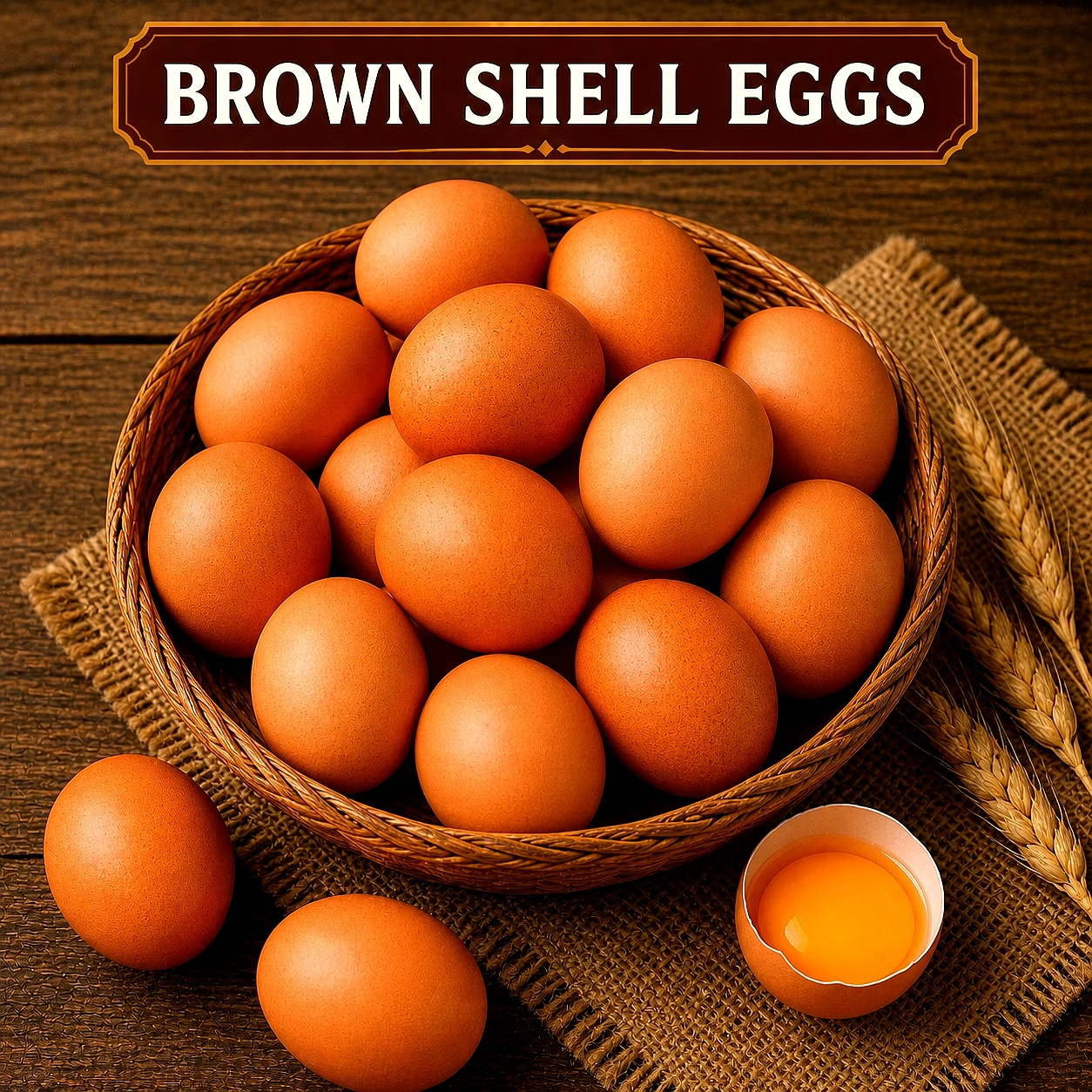
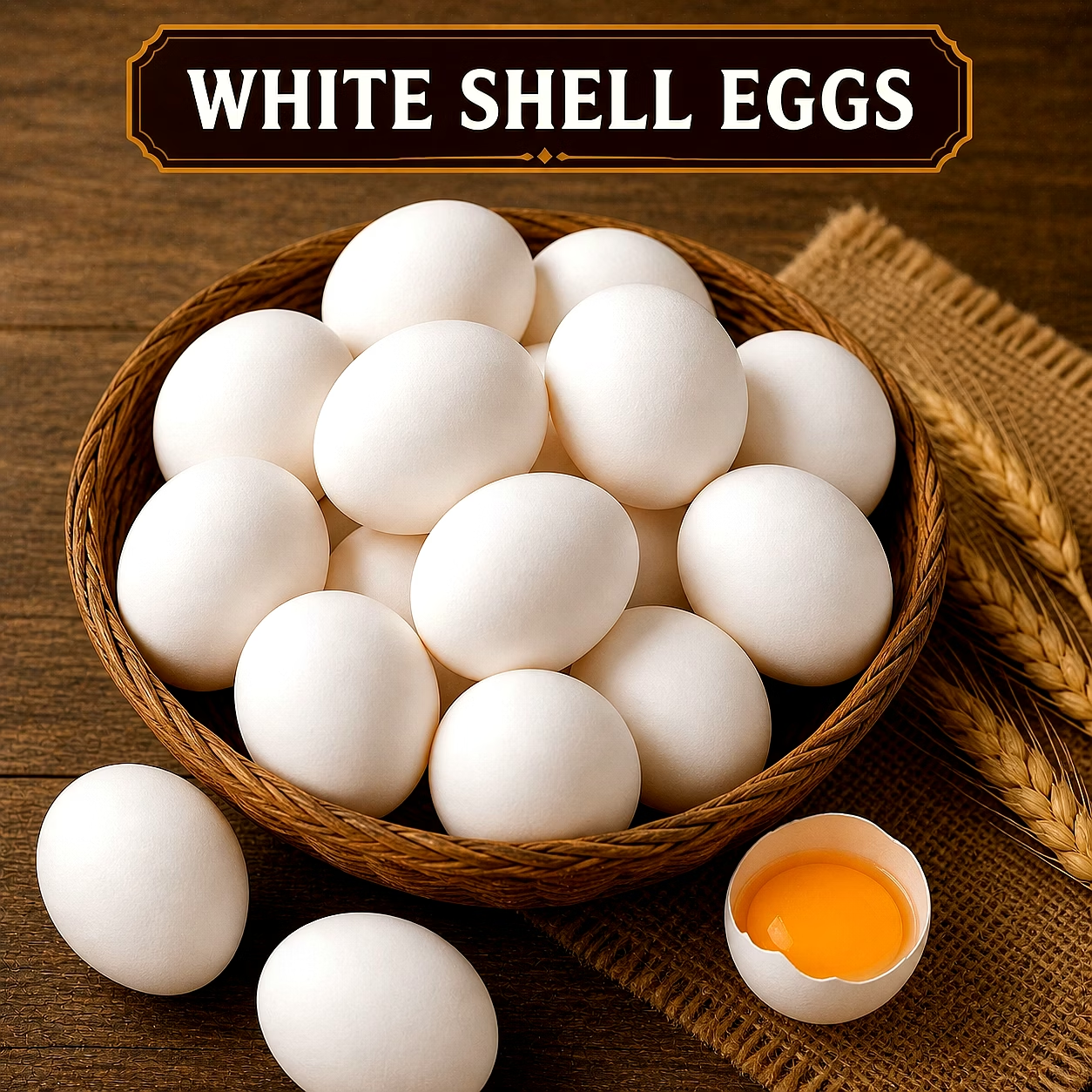
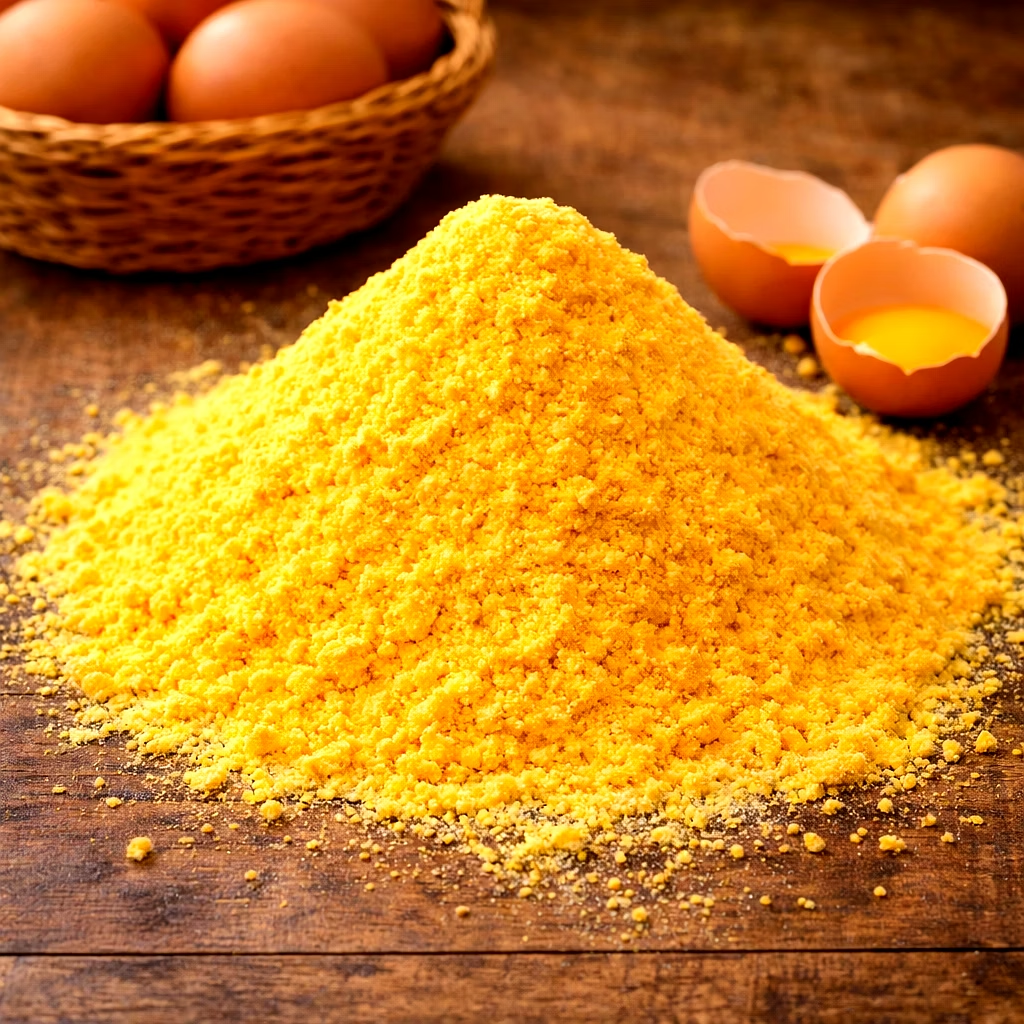
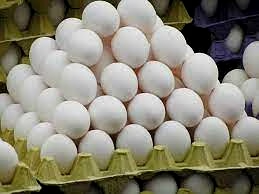
Eggs are a highly nutritious and versatile food item sourced predominantly from chickens, with alternatives such as duck and quail eggs also prevalent. Known as a nutritional powerhouse, eggs provide an excellent source of high-quality protein concentrated mainly in the egg white, making them ideal for various dietary and culinary applications. They contain essential vitamins including B12, D, and A, as well as minerals like iron, phosphorus, and selenium, which contribute to overall health. The yolks provide healthy fats, including omega-3 fatty acids, particularly in farm-enriched eggs, beneficial for cardiovascular and brain health. Eggs are widely used in the food processing and hospitality industry due to their multifunctional properties as a protein source, binding, and leavening agent in baked goods, as well as in soups, sauces, custards, and desserts. For food safety and shelf life, eggs must be stored refrigerated and cooked thoroughly to prevent contamination risks such as Salmonella. Ideal for B2B customers in the food manufacturing, catering, and hospitality sectors, these eggs offer superior nutritional advantages accompanied by reliable safety standards. This product facilitates diverse usage from direct consumption to incorporation in complex food formulations.
Key Features
| Features | Description |
|---|---|
| Source | Predominantly Chicken Eggs, also available in Duck and Quail |
| Protein Content | High-quality complete protein primarily in egg whites |
| Vitamins | Rich in Vitamin B12, Vitamin D, Vitamin A |
| Minerals | Contains Iron, Phosphorus, Selenium |
| Healthy Fats | Yolk contains beneficial omega-3 fatty acids in enriched eggs |
| Culinary Uses | Boiling, Scrambling, Frying, baking binder, leavening agent |
| Storage | Keep refrigerated to maintain freshness and safety |
| Food Safety | Must be cooked thoroughly to prevent Salmonella |
| Shelf Life | Typically refrigerated storage extends shelf life up to 3-5 weeks |
| Attributes | Description |
|---|---|
| Type | Shell Eggs |
| Origin | Farm sourced, country of origin may vary |
| Packaging | Cartons of 6, 12, or bulk quantities available |
| Egg Size | Standard sizes available - Medium, Large, Extra Large |
| Nutritional Value per 100g | Approx. 143 kcal, 12.6g Protein, 9.5g Fat |
| Storage Condition | Refrigeration at 1-4°C recommended |
| Use By | Best consumed within 21-35 days of packing |
| Certifications | FSSAI compliant, HACCP certified production |
*Disclaimer: The above description has been AI-generated and has not been audited or verified for accuracy. It is recommended to verify product details independently before making any purchasing decisions.
Yes, these eggs are ideal for large-scale food manufacturers due to their consistent quality, protein content, and availability in bulk packaging options.
The eggs meet FSSAI regulations and are produced in HACCP-certified facilities ensuring compliance with Indian food safety and hygiene standards.
Yes, these eggs are suitable for use in processed foods, including frozen preparations, owing to their high protein content and functional properties as binding and leavening agents.
Eggs should be stored at refrigerated temperatures between 1-4°C throughout transportation to maintain freshness and prevent spoilage.
Yes, the supplier offers omega-3 enriched eggs, which contain higher levels of beneficial fatty acids for added nutritional value.
Eggs are available in standard commercial sizes including Medium, Large, and Extra Large, depending on your business requirements.
Country Of Origin: India
Eggs – A Nutritional Powerhouse
Overview:
Eggs are a highly nutritious and versatile food, commonly consumed worldwide. They are most often sourced from chickens, but other bird eggs (like duck or quail) are also eaten.
Nutritional Value:
Protein: Eggs are an excellent source of high-quality protein, especially the egg white.
Vitamins and Minerals: Rich in B vitamins (especially B12), vitamin D, vitamin A, and minerals like iron, phosphorus, and selenium.
Choline: Important for brain health and cell membranes.
Healthy Fats: The yolk contains fat, including omega-3 fatty acids (especially in enriched eggs).
Health Considerations:
Despite previous concerns, moderate egg consumption (1/day) is considered safe for most people and does not significantly raise heart disease risk.
Some people with cholesterol issues may still need to monitor egg intake.
Culinary Uses:
Eggs are used in many ways:
Boiled, scrambled, poached, fried
As a binding or leavening agent in baking In sauces, custards, and desserts
Storage and Safety:
Store in the refrigerator.
Cook thoroughly to avoid foodborne illnesses like Salmonella.
Inclusive of all taxes
You Save: 0
Mumbai Suburban
Manufacturer, Distributor, Exporter, Wholesaler, Startup
GST- 27axepp5447p2zo