• Key Features & Attributes
  • Ratings & Reviews
  • Know your Supplier
  • Product description from supplier

Sugar

Inclusive of all taxes

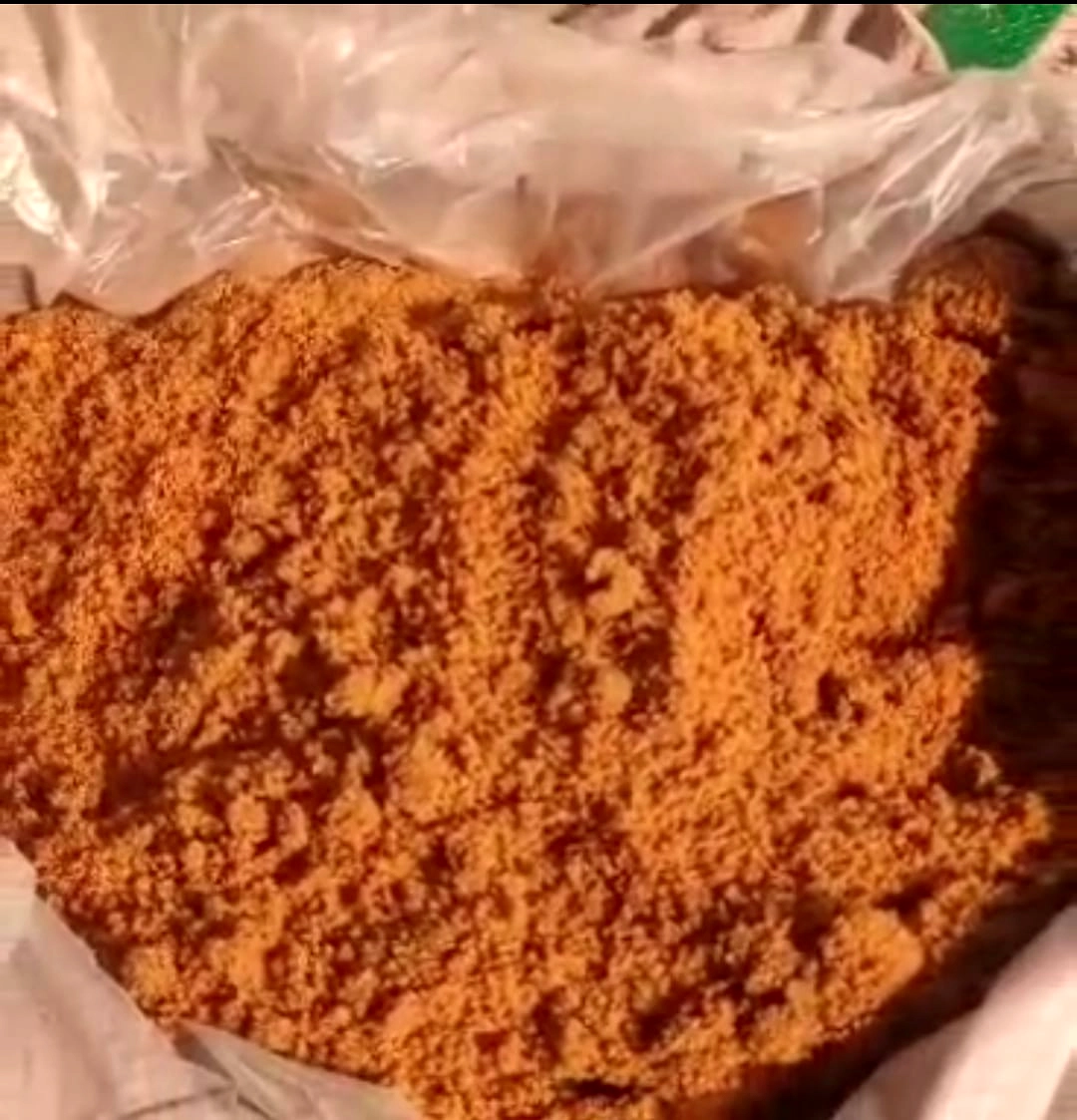
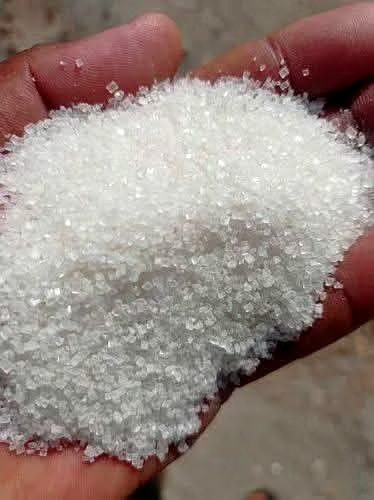
Sugar is a pure, highly soluble carbohydrate primarily composed of sucrose (C₁₂H₂₂O₁₁), extracted mainly from sugarcane and sugar beets. This commercial-grade sugar is versatile in applications across food and beverage industries, serving as a sweetening agent, preservative, and functional ingredient in baking and fermentation. With roughly 16 kcal per teaspoon (4 grams), sugar contributes energy without proteins, fats, fiber, or vitamins. It plays an essential role in imparting sweetness to tea, coffee, and desserts, while also aiding structure, browning, and moisture retention in baked products. Additionally, sugar acts as a preservative in fruit preserves like jams and jellies and supports fermentation processes used in alcohol and bread production. Indian sugar production is significant, especially in states such as Uttar Pradesh, Maharashtra, and Karnataka, with byproducts like molasses and bagasse supporting secondary industries including ethanol production and power generation. For longevity, sugar should be stored in a cool, dry place to prevent clumping or spoilage, offering an indefinite shelf life when safeguarded from moisture and pests. Despite sugar’s widespread industrial and culinary value, it is crucial to consume it within recommended limits to avoid health risks such as obesity, diabetes, cardiovascular diseases, and dental problems. The World Health Organization suggests keeping free sugar intake below 10% of total daily energy consumption to maintain optimal health.

Key Features

Features Description
Primary Component Sucrose (C₁₂H₂₂O₁₁)
Caloric Value Approximately 16 kcal per teaspoon (4g)
Main Uses Sweetening, baking, preserving fruits, fermentation
Origin Extracted from sugarcane and sugar beets
Storage Cool, dry place; indefinite shelf life if moisture-free
Byproducts Molasses, bagasse (used in ethanol and power generation)
Health Advisory Consume within WHO recommended limit of <10% total daily energy intake from free sugars
Geographical Production Focus Major production in India includes Uttar Pradesh, Maharashtra, Karnataka
Attributes Description
Chemical Composition Pure sucrose carbohydrate
Nutritional Content No protein, fat, fiber, or vitamins
Physical Form Granulated or powdered solid
Packaging Bulk bags, retail packets, industrial sacks (customizable)
Shelf Life Indefinite if stored properly in moisture-free conditions
Color White, off-white depending on refinement
Origin Countries India, Brazil, China, Thailand

*Disclaimer: The above description has been AI-generated and has not been audited or verified for accuracy. It is recommended to verify product details independently before making any purchasing decisions.

Be the first to write a review

The sugar offers an indefinite shelf life when stored in a cool, dry place free from moisture and pests.

Key production regions in India include Uttar Pradesh, Maharashtra, and Karnataka.

The main byproducts are molasses, used in fermentation and feed, and bagasse, utilized for ethanol and power generation.

In baking, sugar aids in structure development, browning via caramelization, and retains moisture to enhance texture.

Commercial usage should align with WHO recommendations to keep free sugar intake below 10% of total daily energy to avoid health risks.

  • Incorporation Type

  • GST

  • GST Registration Date

  • Number of Employees

  • Import Export Code (IEC)

  • Year of Establishment

  • Nature of Business

  • GlobalLinker Member Since

Country Of Origin: India

Sugar is a sweet, soluble carbohydrate primarily used as a sweetener and preservative in food and beverages. It occurs naturally in many plants, especially sugarcane and sugar beets, from which most commercial sugar is extracted.


Composition:

Main Component: Sucrose (C₁₂H₂₂O₁₁)

Calories: ~16 kcal per teaspoon (4g)

No protein, fat, fiber, or vitamins


Uses:

Sweetening (tea, coffee, desserts)

Baking (structure, browning, moisture retention)

Preserving fruits (jams, jellies)

Fermentation (alcohol, bread)


Health Considerations:

Moderation is key: Excess intake linked to obesity, diabetes, heart disease, and dental decay.

Recommended limit (WHO): <10% of total daily energy intake from free sugars.


Production (India example):

Major sugar-producing countries: India, Brazil, China, Thailand.

India’s sugar is mostly produced in Uttar Pradesh, Maharashtra, and Karnataka.

Byproducts: molasses, bagasse (used for ethanol and power generation).


Storage:

Store in a cool, dry place.

Indefinite shelf life if kept free from moisture and pests.


Conclusion:

Sugar is a widely used ingredient with culinary, industrial, and economic significance. While indispensable in food processing, mindful consumption is essential for health.

Food And Beverage

Condiments And Sauces

Sugar And Sweeteners

Commercial Sugar

Granulated Sugar Supplier

Sugar For Baking

Food Industry Sugar

Sugar Wholesale India

Sugarcane Sugar

Sugar Beet Sugar

Bulk Sugar Supplier

Sugar

Inclusive of all taxes

You Save: 0

Send Inquiry
sheldon pinto

Mumbai Suburban

Manufacturer, Distributor, Exporter, Wholesaler, Startup

GST- 27axepp5447p2zo

  • Secure
    Transaction

  • Free
    Delivery

  • Day
    Dispatch

Report a problem with this product