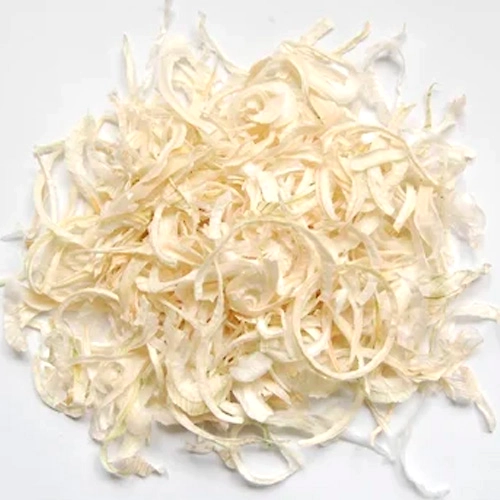
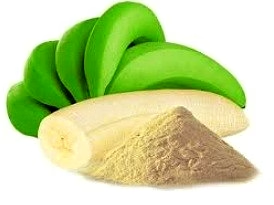
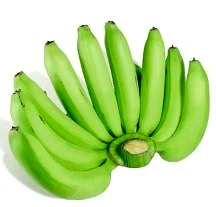
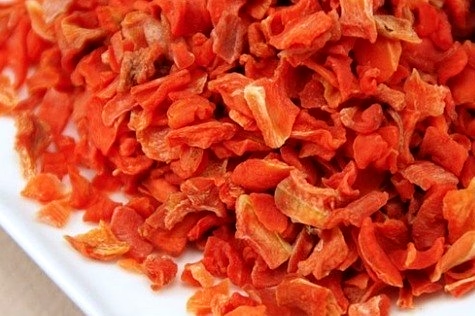
Dried vegetables are dehydrated fresh vegetables designed to deliver the convenience of long shelf life without compromising on essential flavor and nutritional value. Made by removing moisture from vegetables such as carrots, peas, beans, and bell peppers, this product offers a lightweight, storage-friendly ingredient solution for food manufacturers, catering businesses, distributors, and institutional buyers. Because the water content is removed, dried vegetables are easy to transport, simple to store, and ideal for bulk procurement in environments where freshness, refrigeration, and spoilage control are important. For B2B use, dried vegetables are especially valuable in packaged food production, soup and sauce manufacturing, ready-meal preparation, seasoning blends, and emergency food supply applications. They can be used directly in dry mixes or rehydrated before cooking, making them versatile across a wide range of food processing and culinary operations. Their ability to retain much of the original vegetable taste and nutritional profile makes them a practical ingredient for businesses seeking consistency, reduced waste, and extended inventory stability. Dried vegetables are also a cost-effective inventory option for buyers looking to minimize spoilage losses associated with fresh produce. Since they are shelf-stable and less sensitive to transport and storage conditions, they support efficient procurement and long-distance distribution. Whether used in bulk food service, industrial kitchens, export supply chains, camping and emergency kits, or commercial recipe formulations, dried vegetables provide a dependable, scalable vegetable ingredient solution.
Key Features
| Features | Description |
|---|---|
| Product Type | Dried, dehydrated vegetables |
| Shelf Life | Long-lasting and shelf-stable |
| Usage | Suitable for soups, stews, casseroles, dry mixes, and rehydration |
| Nutritional Advantage | Retains much of the original vitamins, minerals, and flavor |
| Storage Benefit | Lightweight and easy to store without refrigeration |
| Common Vegetable Types | Carrots, peas, beans, bell peppers, and similar vegetables |
| Application | Ideal for emergency supplies, camping, and food processing |
| Waste Reduction | Helps reduce food waste by extending produce shelf life |
| Attributes | Description |
|---|---|
| Product Name | Dried Vegetables |
| Store Name | TROPIZEST EXOVIA PRIVATE LIMITED |
| MOQ | 1 |
| DOM Unit | Kilogram |
| Form | Dehydrated vegetable pieces or cuts |
| Processing Method | Dehydration |
| Shelf Stability | High |
| Storage Requirement | Cool, dry storage |
| Rehydration | Can be soaked in water before use |
| Primary Use | Ingredient for processed foods and culinary applications |
*Disclaimer: The above description has been AI-generated and has not been audited or verified for accuracy. It is recommended to verify product details independently before making any purchasing decisions.
Yes, dried vegetables are well suited for soup bases, seasoning blends, and dry mix formulations because they are shelf-stable, lightweight, and easy to incorporate into large-scale food production.
Yes, they can be added directly to soups, stews, casseroles, and other cooked products where they will absorb moisture during the cooking process.
Their low moisture content reduces spoilage risk, lowers transport weight, and makes them easier to store and ship compared with fresh vegetables.
By extending the usable life of vegetables through dehydration, they prevent spoilage of fresh produce and allow businesses to utilize ingredients for much longer periods.
Yes, they are ideal for emergency supplies and camping because they are lightweight, compact, and do not require refrigeration.
Country Of Origin: India