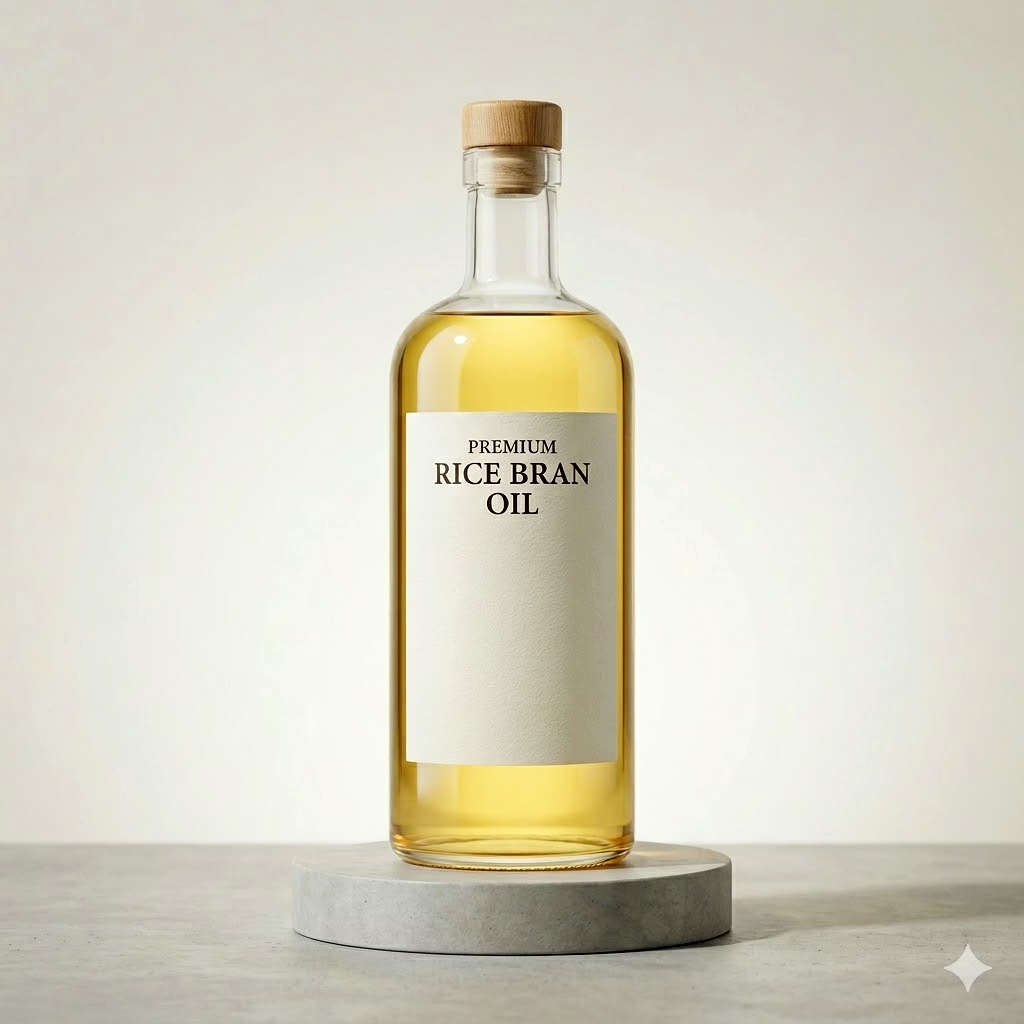
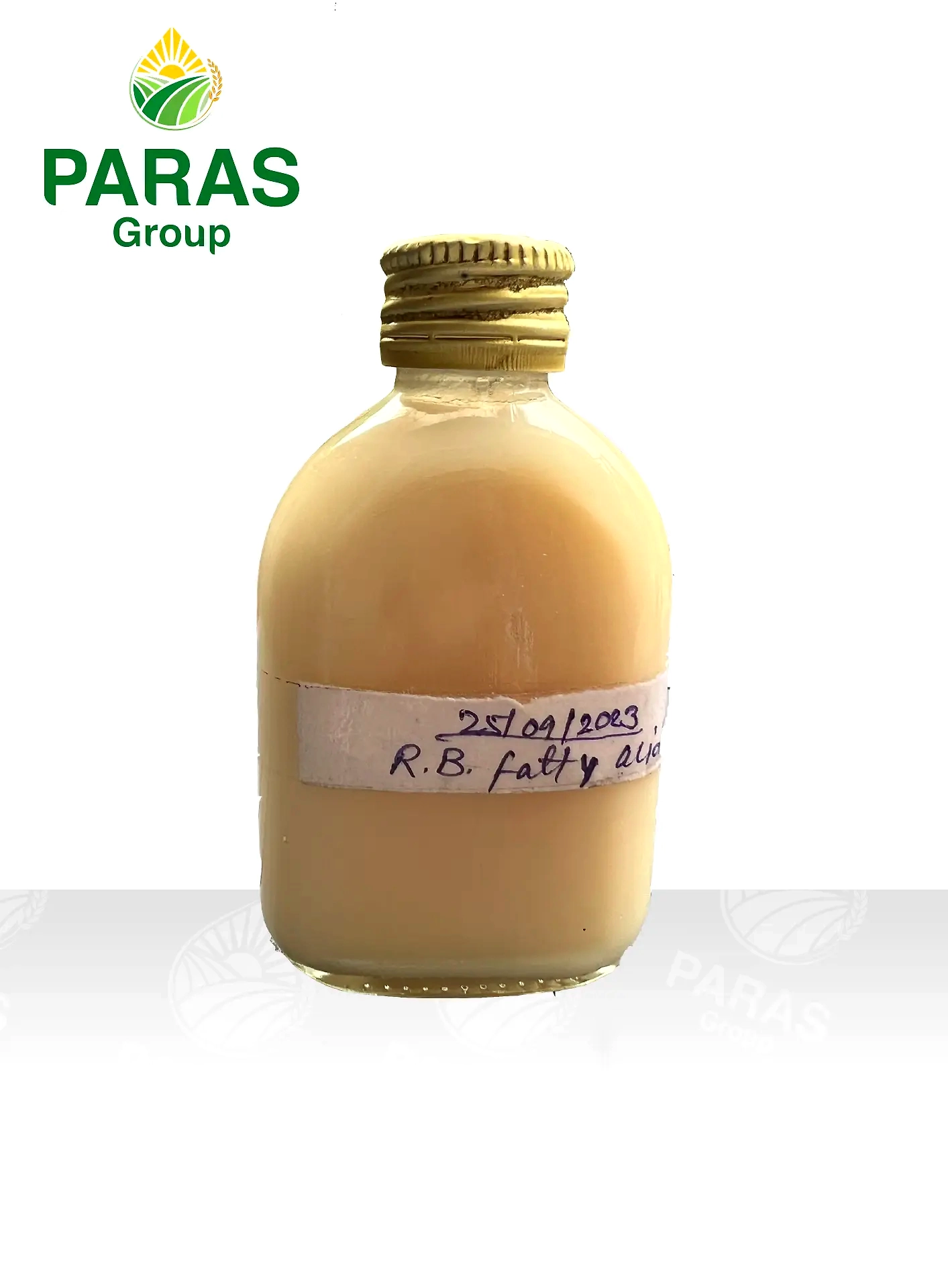
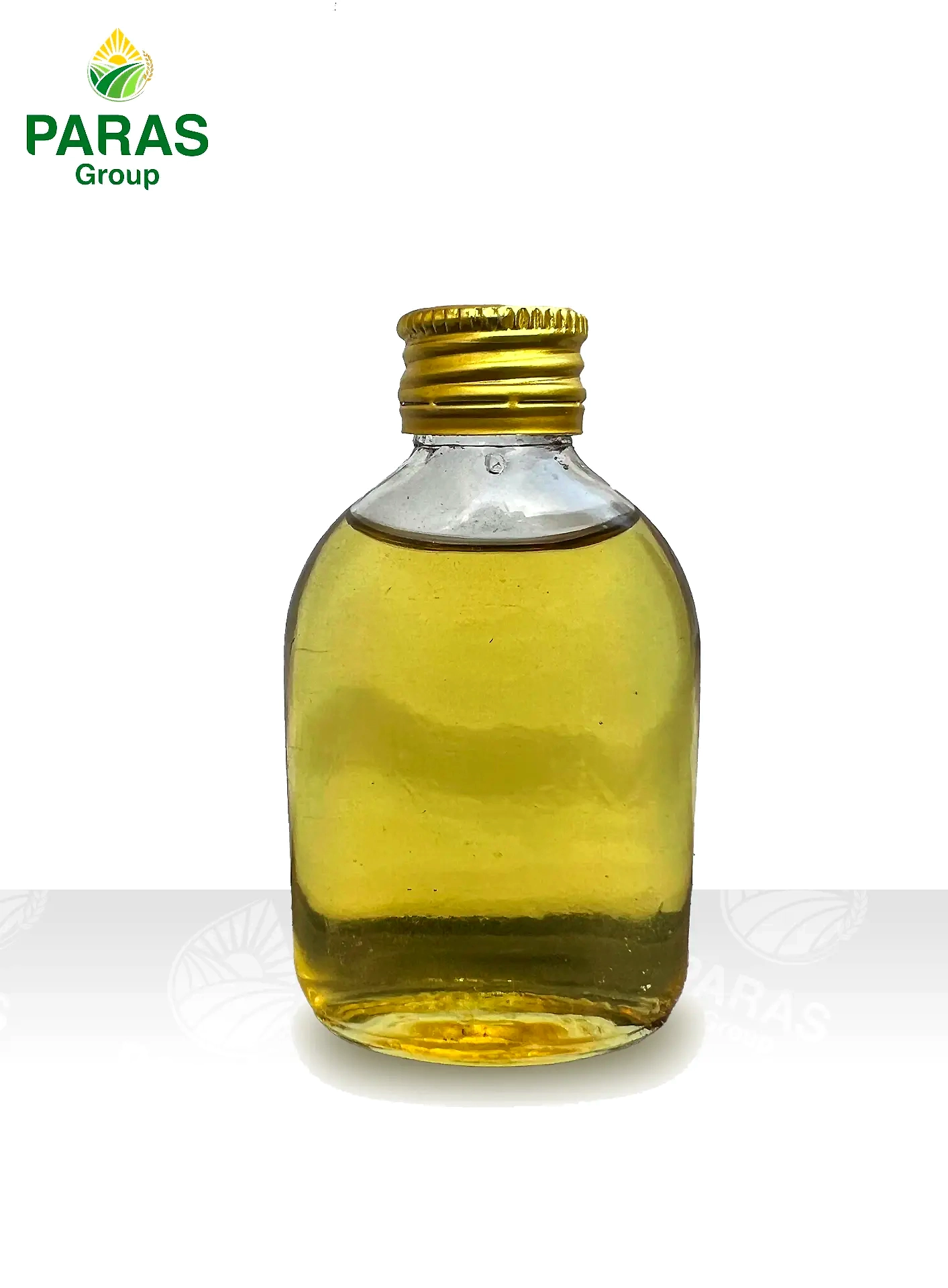
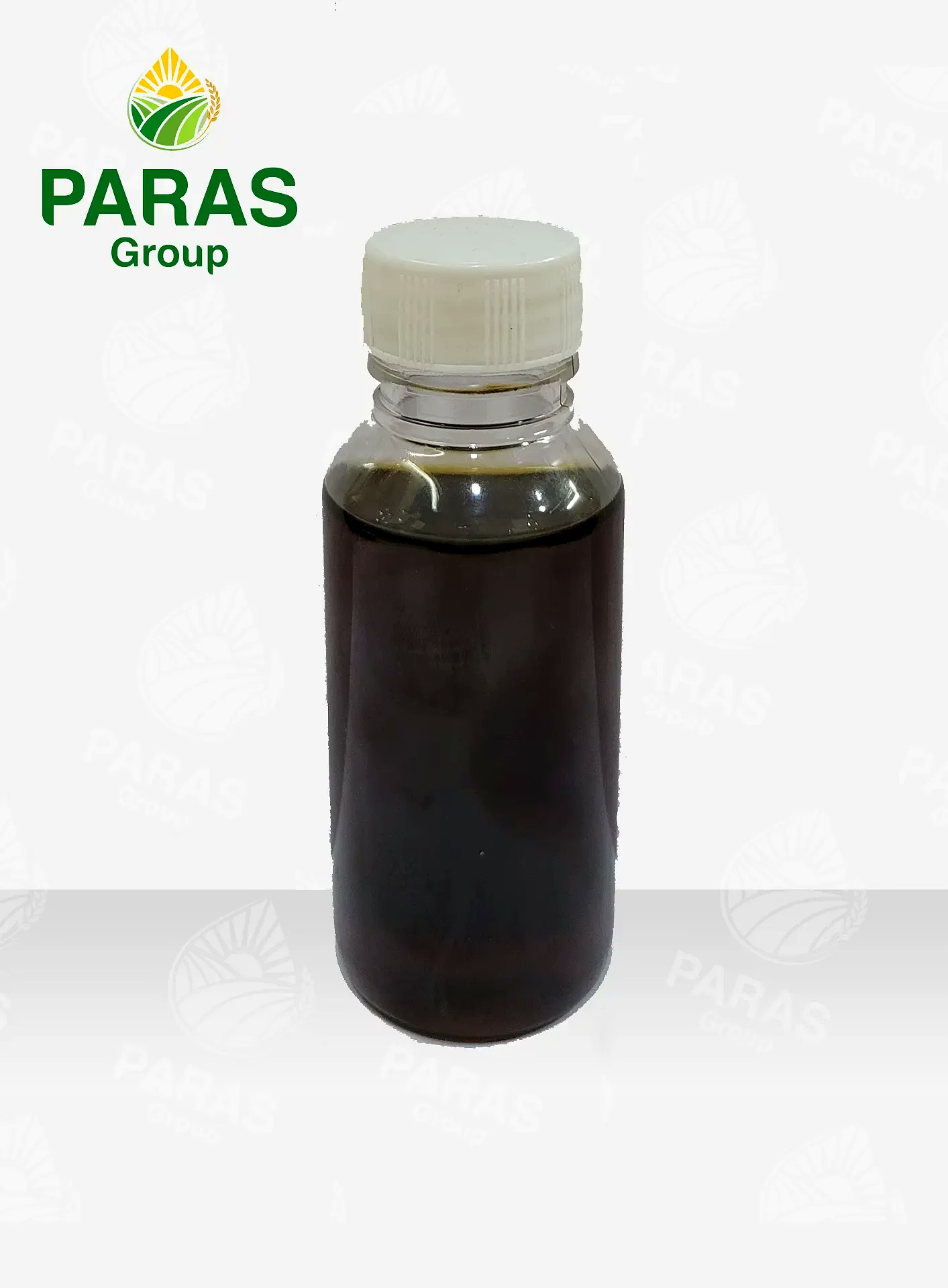
Non-edible crude rice bran oil is an exceptional industrial resource derived from the outer layer of rice grains. This unrefined oil, extracted via solvent methods, is not meant for human consumption but boasts a wide range of applications across various sectors. Its outstanding oxidative stability makes it highly prized in the production of lubricants, hydraulic fluids, and anti-corrosion coatings, capable of withstanding rigorous environmental conditions. Enriched with beneficial compounds like gamma oryzanol and tocopherols, it also serves as a powerful ingredient in cosmetics, offering skin-soothing properties. Furthermore, its role as an eco-friendly biopesticide and fungicide underscores its significance in sustainable agriculture. With its remarkable versatility across industrial, agricultural, and cosmetic applications, non-edible crude rice bran oil represents a sustainable and efficient choice for businesses seeking reliable industrial oils.
Key Features
| Features | Description |
|---|---|
| Source | Derived from rice bran |
| Extraction Method | Solvent-based extraction |
| Form | Unrefined crude oil |
| Oxidative Stability | Excellent, resistant to rancidity |
| Industrial Applications | Lubricants, hydraulic fluids, anti-corrosion coatings |
| Cosmetic Uses | Contains gamma oryzanol and tocopherols for skin soothing |
| Agricultural Uses | Acts as a biopesticide and fungicide |
| Environmental Impact | Eco-friendly and sustainable |
| Attributes | Description |
|---|---|
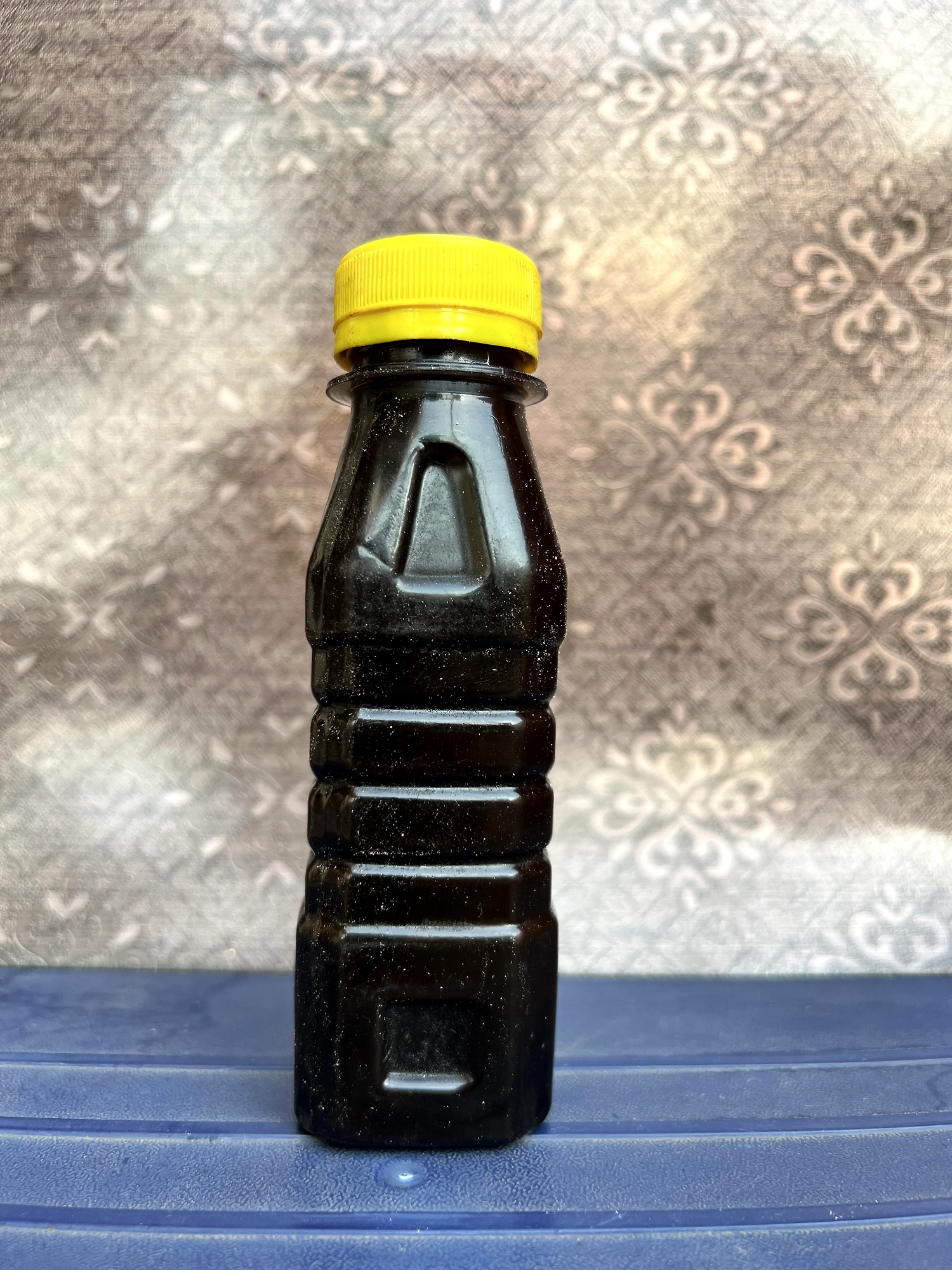
| Color | Golden to dark brown |
| Odor | Mild, characteristic of plant oils |
| Viscosity | Varies based on temperature |
| Storage Conditions | Cool, dry place away from sunlight |
| Shelf Life | Up to 12 months when stored properly |
| Applications | Manufacturing, cosmetics, agriculture |
*Disclaimer: The above description has been AI-generated and has not been audited or verified for accuracy. It is recommended to verify product details independently before making any purchasing decisions.
Non-edible crude rice bran oil is used in manufacturing industrial lubricants, hydraulic fluids, anti-corrosion coatings, as well as in cosmetics and agricultural biopesticides.
Yes, it contains beneficial compounds like gamma oryzanol and tocopherols, making it suitable for cosmetic formulations aimed at skin soothing.
Its excellent oxidative stability allows it to resist rancidity and degradation under extreme temperatures and pressure, making it ideal for use in demanding industrial environments.
Absolutely! This oil serves as an eco-friendly biopesticide and fungicide, making it a sustainable choice for pest and disease management in crops.
Brand: paras
Country Of Origin: India
Non-edible crude rice bran oil, derived from rice bran, is a versatile industrial resource. Unlike its edible counterpart, it is extracted using solvent-based methods, resulting in a raw, unrefined form ideal for industrial applications. Its exceptional oxidative stability makes it suitable for lubricants, hydraulic fluids, and anti-corrosion coatings, withstanding extreme conditions. Beneficial compounds like gamma oryzanol and tocopherols enhance its use in cosmetics and pharmaceuticals for skin-soothing and therapeutic properties. In agriculture, it serves as an eco-friendly biopesticide and fungicide. This oil's diverse applications in manufacturing, agriculture, and cosmetics highlight its remarkable versatility and sustainability.
PRICE - ON REQUEST
Introduction to Non-Edible Crude Rice Bran Oil: A Versatile Industrial Marvel
In the realm of industrial oils and non-edible applications, crude rice bran oil emerges as a remarkably versatile and valuable player. As an industry expert, I am delighted to introduce you to this unsung hero of various non-food sectors, known for its diverse range of applications and exceptional attributes.
Non-edible crude rice bran oil is a derivative of rice bran, the outer layer of rice grains, which undergoes a distinct extraction and processing journey. Unlike its edible counterpart, this variant is not intended for human consumption but finds its value in numerous industrial and commercial applications.
One of the primary distinctions of non-edible crude rice bran oil lies in its composition and purity. It is typically extracted using solvent-based methods, resulting in a raw, unrefined form. This unprocessed nature makes it suitable for applications where the focus is on its functional properties rather than its taste or nutritional benefits.
Non-edible crude rice bran oil is highly prized for its exceptional oxidative stability. Its resistance to rancidity and degradation, even when exposed to harsh environmental conditions, makes it an ideal choice for industrial lubricants, hydraulic fluids, and anti-corrosion coatings. The oil's ability to withstand extreme temperatures and pressure adds to its appeal in industries that demand reliability and durability.
Moreover, its composition often includes beneficial compounds such as gamma oryzanol and tocopherols, which enhance its suitability for certain cosmetic and pharmaceutical applications. These natural antioxidants can be harnessed for their skin-soothing and therapeutic properties, making non-edible crude rice bran oil a valuable ingredient in the formulation of skincare products, ointments, and pharmaceutical preparations.
In the agricultural sector, this versatile oil has found utility as a crop protectant, particularly in the cultivation of certain crops vulnerable to pests and fungal diseases. Its eco-friendly nature, coupled with its effectiveness as a biopesticide and fungicide, has made it a sustainable choice for modern agriculture.
As we delve deeper into the world of non-edible crude rice bran oil, we will explore its diverse industrial applications and its pivotal role in sectors such as manufacturing, agriculture, and cosmetics. Join us on a journey to uncover the hidden potential and remarkable versatility of this industrial marvel, a testament to the innovative and resourceful spirit of the industrial world.