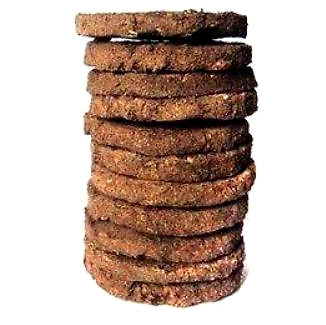
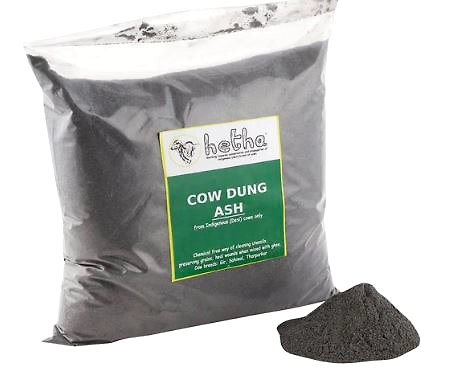
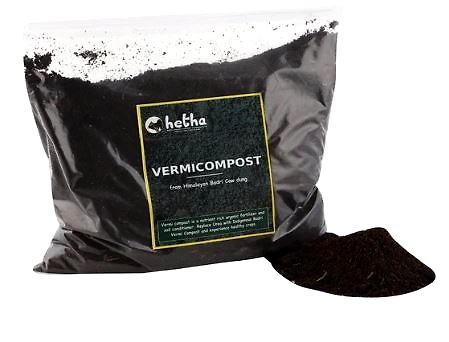
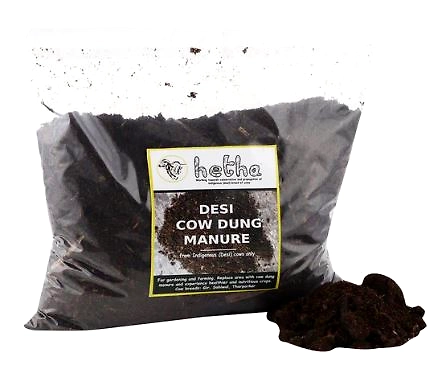
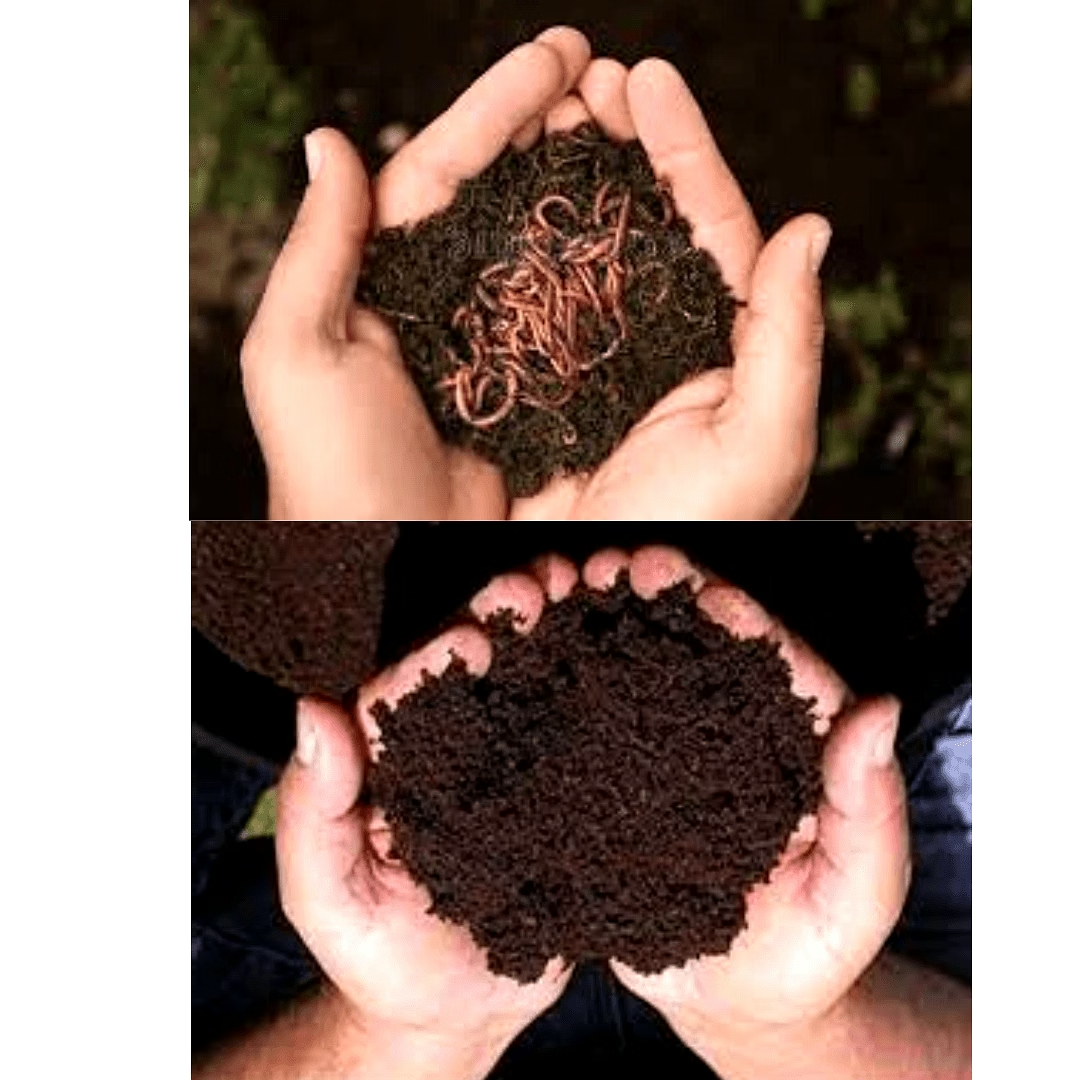
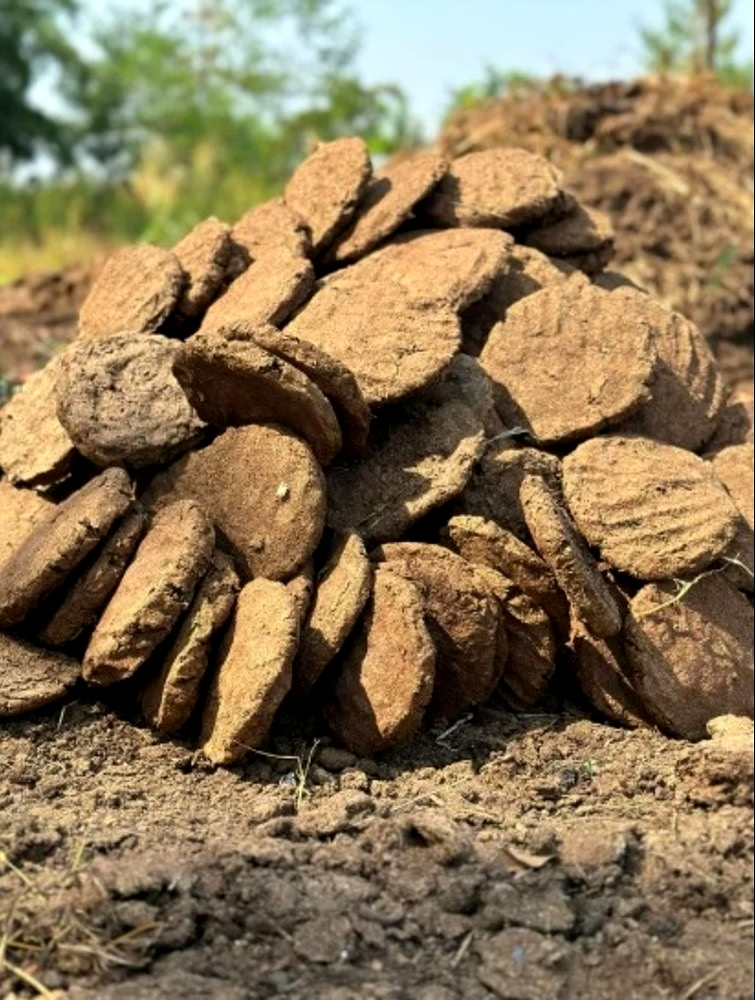
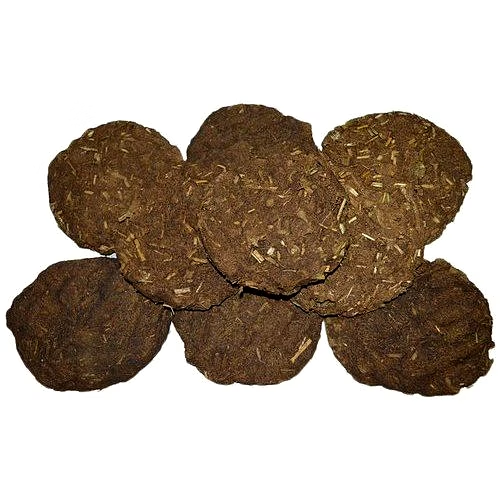
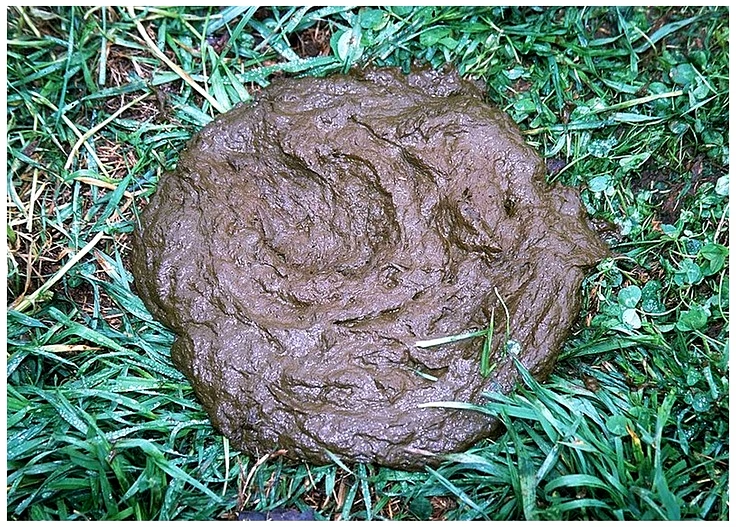
Cow and buffalo waste, comprising primarily of dung and urine, serve as versatile and eco-friendly resources in agricultural and rural applications. Cow dung is nutrient-rich and widely used as an organic fertilizer enhancing soil fertility and crop yields without chemical residues. Additionally, it is processed into dung cakes to be used as a renewable fuel source, and it supports biogas generation, providing sustainable energy solutions. Buffalo dung similarly contributes to organic soil enrichment and bioenergy production. Both cow and buffalo urine contain bioactive compounds used as natural pesticides in agricultural practices, reducing dependency on synthetic chemicals, and are integral in traditional Ayurvedic medicine for their therapeutic properties. Utilizing cow and buffalo waste promotes sustainable farming by improving soil health, reducing chemical inputs, and supporting renewable energy, aligning with eco-conscious agricultural practices. This product is ideal for organic farmers, biogas plant operators, rural households, and businesses aiming to adopt green farming and energy solutions.
Key Features
| Features | Description |
|---|---|
| Type of Waste | Dung and Urine from Cow and Buffalo |
| Primary Uses | Organic fertilizer, renewable fuel, pesticide, biogas production, traditional medicine |
| Nutrient Content | Rich in nitrogen, phosphorus, potassium, and organic matter |
| Fuel Application | Dung cakes and biogas feedstock |
| Pesticide Role | Natural bioactive compounds used as eco-friendly pesticides |
| Sustainability Aspect | Promotes eco-friendly farming, reduces chemical usage |
| Medicinal Use | Used in Ayurvedic treatments |
| Environmental Impact | Reduces waste, supports renewable energy and organic farming |
| Source | Collected from healthy cows and buffaloes |
| Attributes | Description |
|---|---|
| Form | Raw dung and urine |
| Color | Dung - Brown to Dark Brown; Urine - Yellowish |
| Packaging | Bulk supply or according to buyer specification |
| Shelf Life | Best used fresh; dung stores well when dried |
| Storage Conditions | Stored in covered, ventilated spaces to avoid contamination |
| Moisture Content | Dung typically 50-60% moisture |
| pH Range | Dung pH: 6.5-8.0; Urine pH: 7.0-8.5 |
| Applications | Agriculture, bioenergy, traditional medicine, pesticide production |
| Origin | Collected from livestock farms and rural sources |
*Disclaimer: The above description has been AI-generated and has not been audited or verified for accuracy. It is recommended to verify product details independently before making any purchasing decisions.
The dung contains essential nutrients such as nitrogen, phosphorus, potassium, and organic matter that enhance soil fertility and promote healthy crop growth.
Yes, the dung is a suitable feedstock for biogas plants, producing renewable energy through anaerobic digestion.
Yes, the cow urine contains bioactive compounds traditionally used as natural pesticides, reducing the need for synthetic chemicals.
Store the dung and urine in covered, well-ventilated areas to prevent contamination and spoilage.
Yes, cow and buffalo waste in this form is legally allowed and meets Indian regulatory standards when handled properly.
Both cow and buffalo waste have similar nutrient profiles and uses, making them interchangeable for organic fertilizer, biogas, and pesticide applications.
Brand: yash infotech
Country Of Origin: India
Cow waste includes both dung and urine, which are valuable natural resources. Cow dung is rich in nutrients and is commonly used as an organic fertilizer, fuel (in the form of dung cakes), and in biogas production. It also helps in making compost and is used in traditional building practices. Cow urine acts as a natural pesticide and has medicinal uses in Ayurveda. Together, they promote eco-friendly, sustainable farming and reduce reliance on harmful chemicals
.