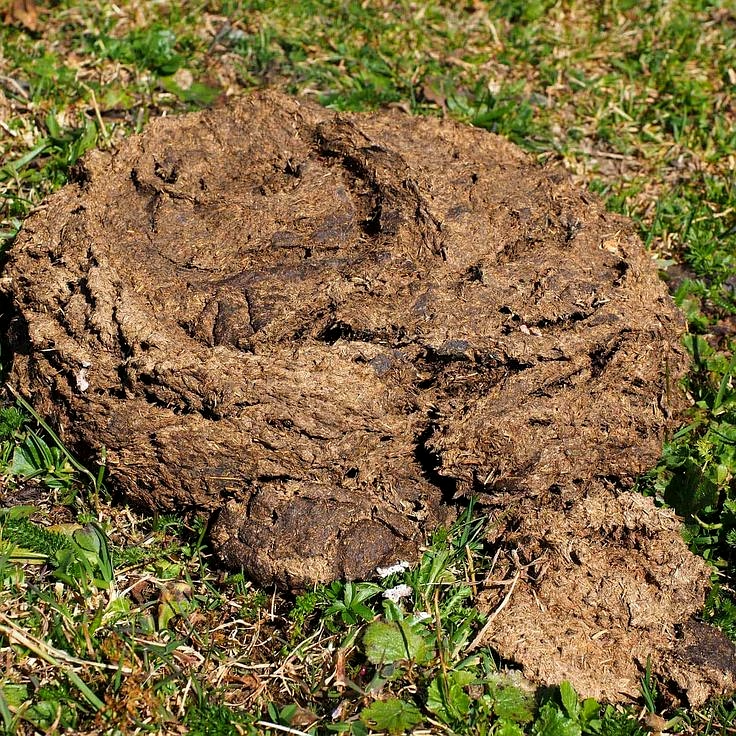
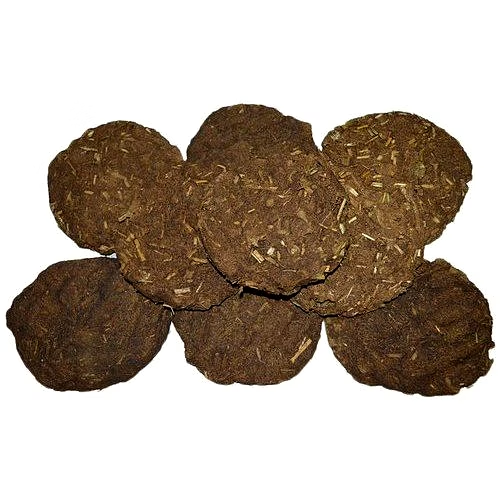
Cow dung, the solid waste produced by cows, is an invaluable organic resource rich in essential nutrients such as nitrogen and phosphorus. Specifically sought after as a natural fertilizer, cow dung enhances soil fertility by improving nutrient content and encouraging microbial activity, making it ideal for agriculture and horticulture applications. Beyond its fertilizing properties, dried cow dung serves as an eco-friendly, renewable fuel source widely used in rural cooking practices. Its excellent combustibility ensures efficient energy production without harmful chemical emissions. Cow dung's significant role in biogas production demonstrates its utility in sustainable energy generation, where anaerobic digestion converts it into methane-rich gas for electricity or heat. Additionally, cow dung is utilized in composting processes to create enriched organic compost, improving soil structure and plant growth. Traditional uses include application in flooring and plastering in eco-friendly building techniques for natural insulation and pest repellent properties. Moreover, cow dung holds cultural and ritual significance in various traditional practices. This multi-functional use of cow dung positions it as a valuable, sustainable product for agriculture, energy production, eco-construction, and cultural applications, specifically suited for businesses in farming, renewable energy, organic gardening, and eco-friendly construction sectors.
Key Features
| Features | Description |
|---|---|
| Nutrient Content | Rich in nitrogen, phosphorus, and potassium |
| Primary Use | Natural organic fertilizer to improve soil fertility |
| Secondary Uses | Fuel source when dried; used in biogas production |
| Eco-friendly Application | Used in composting and eco-friendly building (flooring, plaster) |
| Cultural Significance | Used in traditional rituals and practices |
| Renewable Energy Role | Feedstock for methane gas production in biogas plants |
| Physical Form | Solid waste, can be dried or fresh |
| Source | Collected from healthy cows without chemical contamination |
| Attributes | Description |
|---|---|
| Moisture Content | Typically 60-70% in fresh dung, lower when dried |
| Nutrient Ratios (NPK) | Approx. Nitrogen (N) 0.5-2%, Phosphorus (P) 0.2-0.5%, Potassium (K) 0.5-1.0% |
| Physical State | Can be supplied fresh or dried pellets/cakes |
| Packaging Options | Bulk loose, compressed cakes, or pellets in sacks |
| Storage Conditions | Keep dry and protected from contamination |
| Biogas Yield | Average 0.2-0.3 cubic meters per kg of fresh dung |
| pH Level | Typically neutral to slightly alkaline (6.5-8) |
| Shelf Life | Dried form can be stored for several months to a year |
| Source Specification | From cows fed on natural fodder, chemical-free |
| Odor | Characteristic earthy smell; less in dried form |
*Disclaimer: The above description has been AI-generated and has not been audited or verified for accuracy. It is recommended to verify product details independently before making any purchasing decisions.
Cow dung can be supplied in fresh form, dried cakes, or compressed pellets depending on the application requirements such as fertilizer use, fuel, or biogas production.
Cow dung enriches soil with natural nutrients and microbial content, enhancing soil structure and long-term fertility without harmful chemical residues associated with synthetic fertilizers.
Yes, fresh cow dung with sufficient moisture is an ideal feedstock for biogas generation through anaerobic digestion, producing methane-rich gas efficiently.
Dried cow dung should be stored in a dry, ventilated area protected from moisture and contamination to preserve nutrient content and prevent mold growth.
When sourced from healthy cows free of chemical contaminants, cow dung is a safe and highly recommended organic fertilizer option suitable for certified organic farming.
Country Of Origin: India
Cow dung is the solid waste produced by cows and is a highly useful organic material. Rich in nutrients like nitrogen and phosphorus, it is widely used as a natural fertilizer to improve soil fertility. In rural areas, cow dung is dried and used as fuel for cooking. It also plays a key role in biogas production. Additionally, it’s used in composting, flooring, and even in traditional rituals and eco-friendly building practices
.
Cow dung is the solid waste of cows, rich in nutrients and used as natural fertilizer, fuel, and for making biogas. It's also used in composting, flooring, and traditional eco-friendly practices.