Inclusive of all taxes
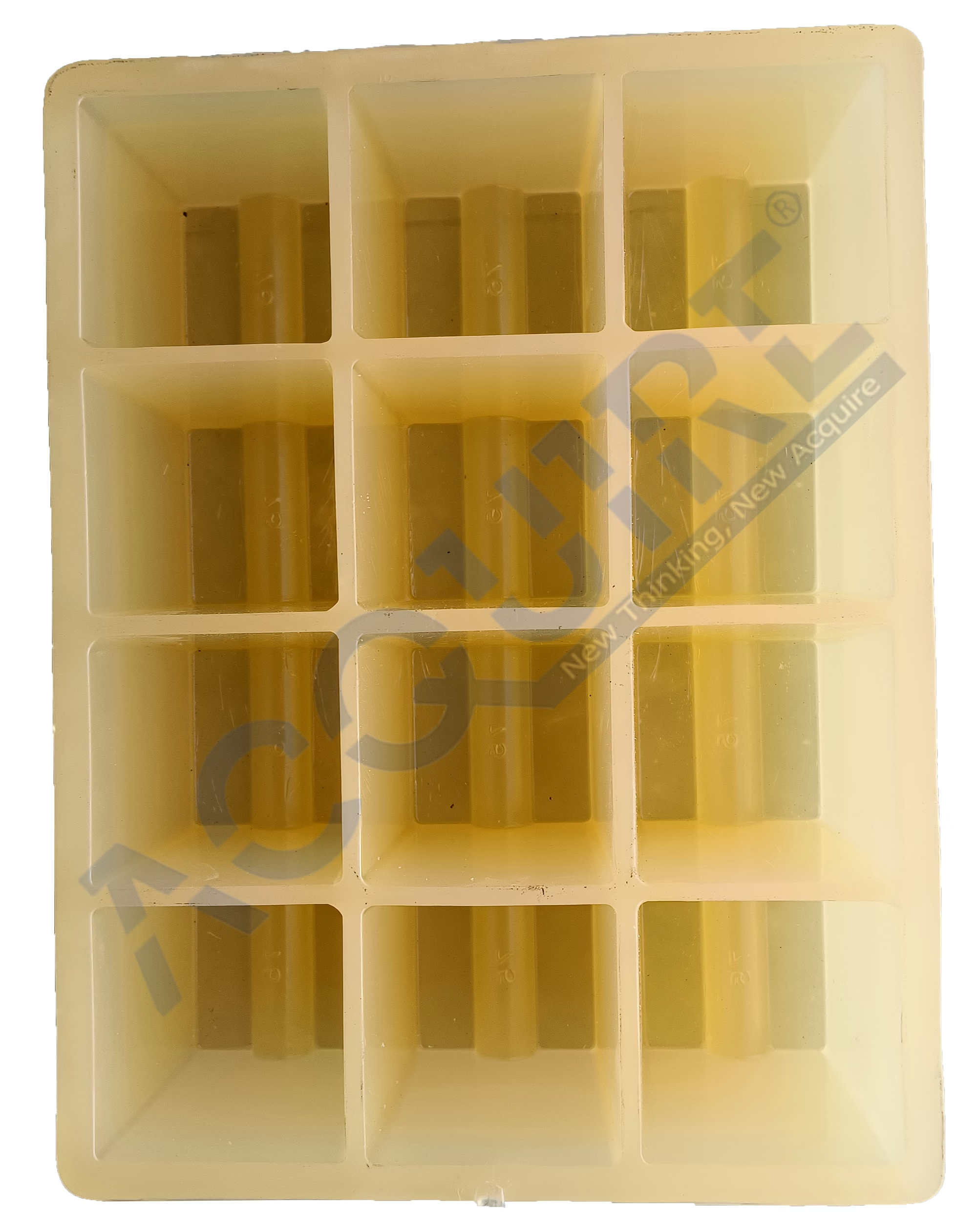
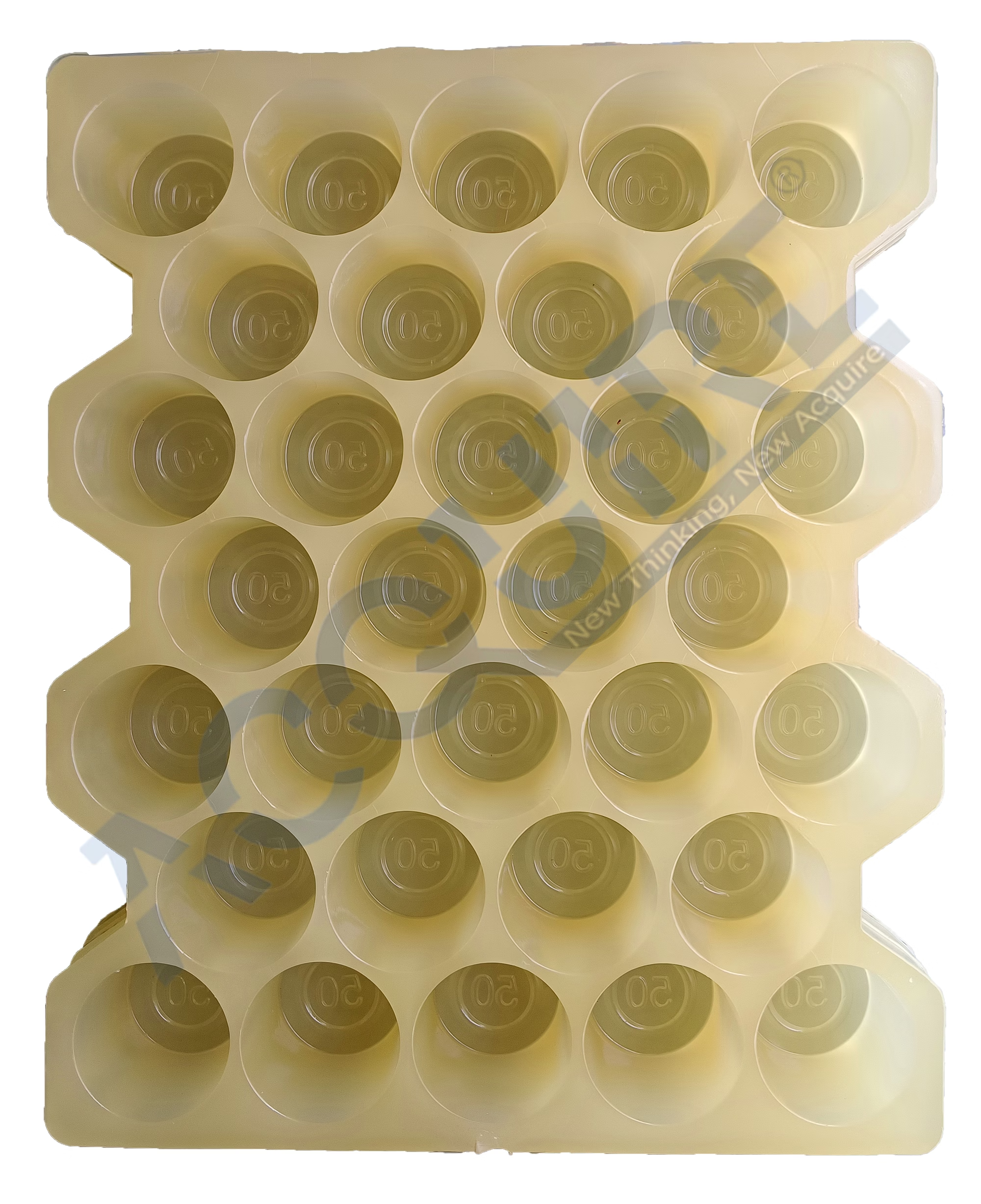
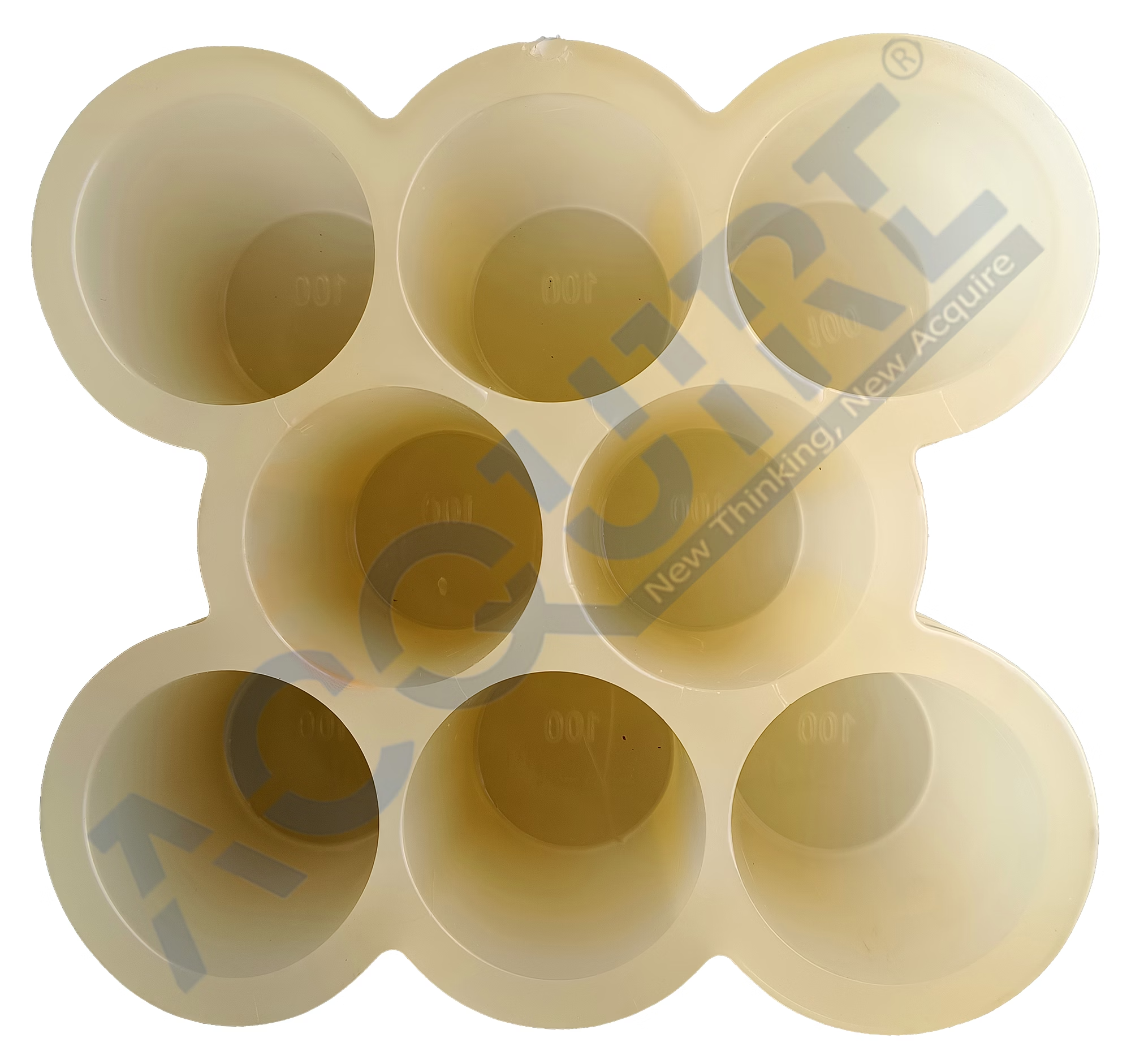
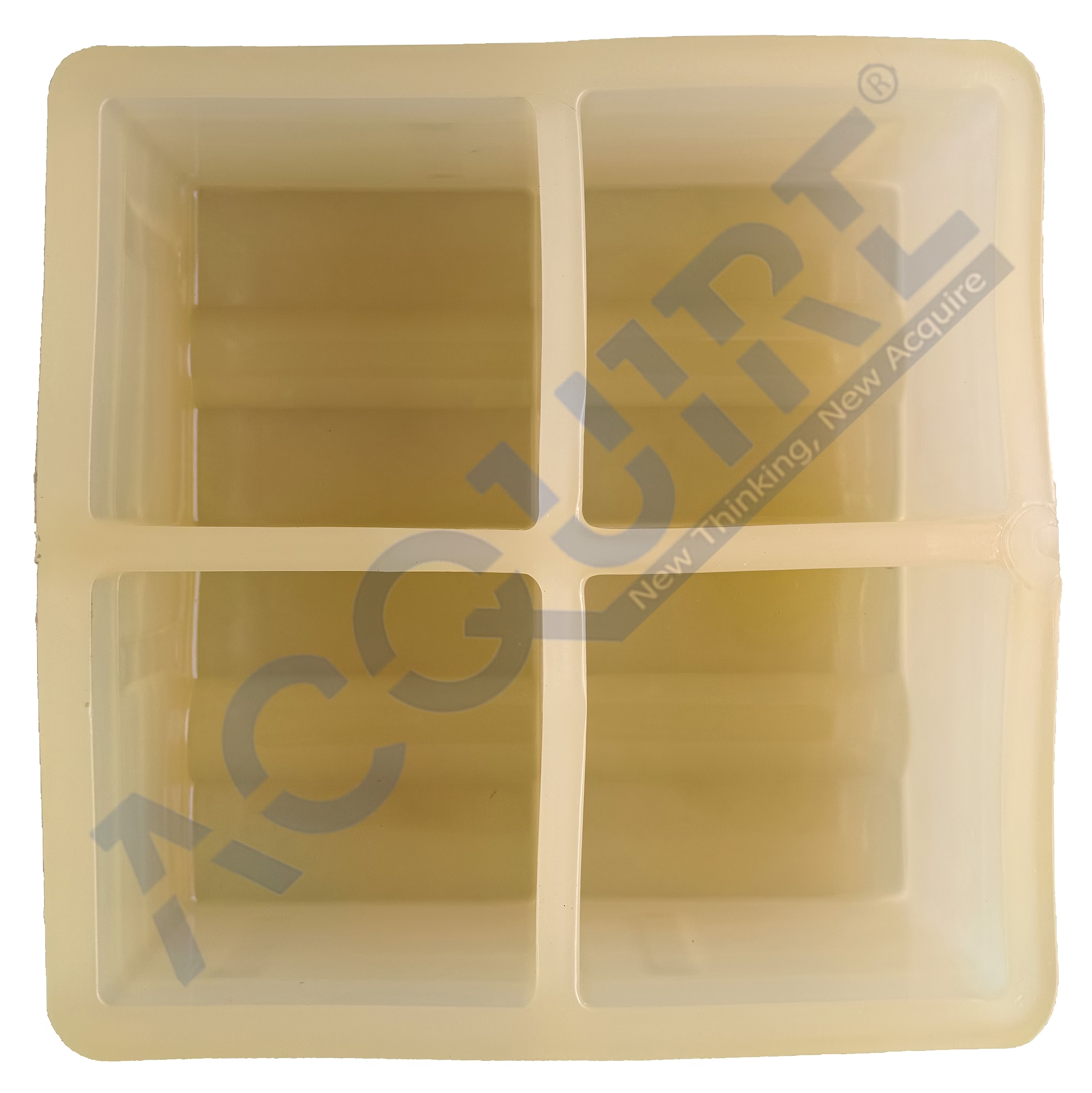
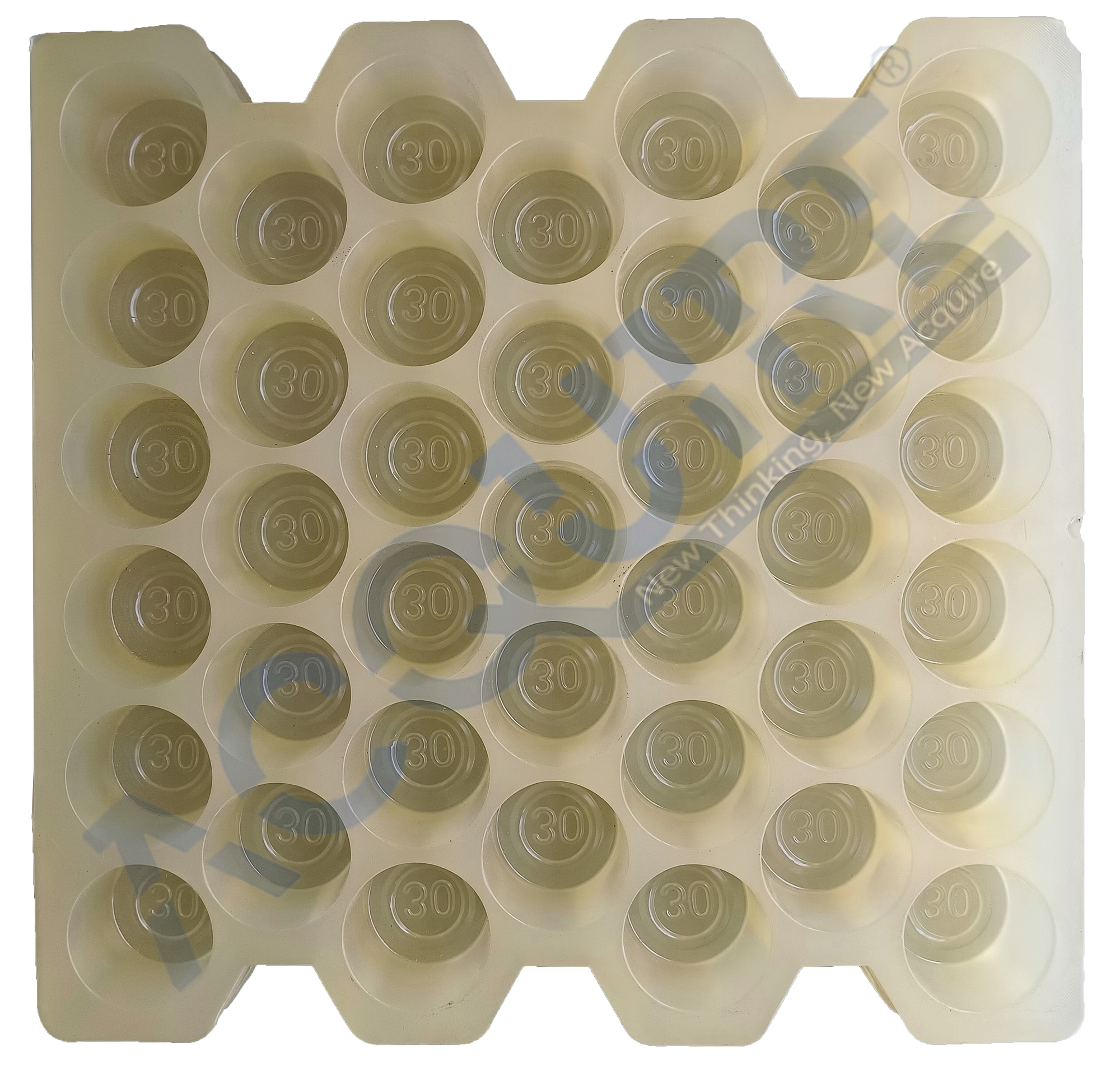
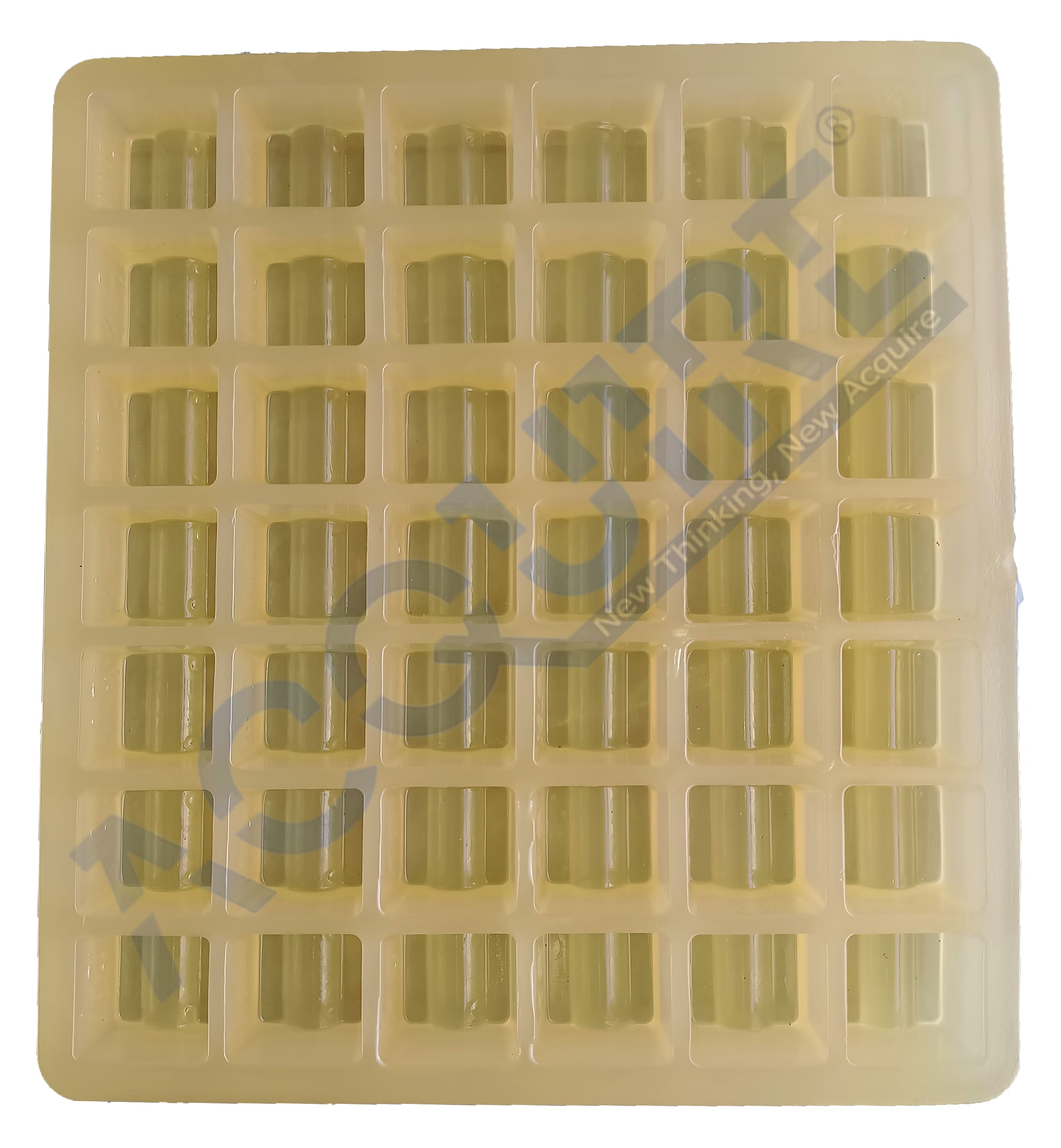
The Cover Block PVC Mould 20mm - 42cvt is a precision-engineered molding tool designed specifically for the production of 20mm concrete cover blocks used in construction projects. This mould facilitates uniform shaping of cover blocks that maintain the critical cover distance between reinforcing steel bars and the outer surface of concrete structures, thereby enhancing structural integrity and durability. Made from durable PVC, the mould ensures consistent block dimensions and smooth finishes. It supports efficient compaction and curing processes by providing easily releasable forms that enable high-quality block production. The 42cvt specification indicates a mold cavity count optimized for batch volume, improving production throughput. Ideal for manufacturers of concrete cover blocks needing standardized, reliable molds for repeatable and compliant construction components.
Key Features
| Features | Description |
|---|---|
| Material | Durable PVC for long-lasting use and easy demolding |
| Block Size Compatibility | Designed specifically for 20mm concrete cover blocks |
| Mould Cavities | 42 cavities (42cvt) for high-volume production capability |
| Precision Engineering | Ensures uniform and consistent cover block dimensions |
| Ease of Use | Lightweight design facilitates easy handling and cleaning |
| Durability | Resistant to deformation, supporting repeated compaction and curing cycles |
| Application | Manufacture of concrete cover blocks used in reinforced concrete structures |
| Compliance Support | Supports manufacturing blocks that comply with construction standards for concrete cover |
| Mould Type | Reusable PVC mould optimized for concrete casting |
| Manufacturing Efficiency | Increases production rates via multi-cavity design |
| Attributes | Description |
|---|---|
| Material | Polyvinyl Chloride (PVC) |
| Block Size | 20mm (cover thickness) |
| Number of Cavities | 42 cavities (42cvt) |
| Dimensions of Each Cavity | Standard block dimensions suitable for construction use |
| Weight | Insufficient Information |
| Color | Typically grey or black PVC |
| Manufacturing Process Compatibility | Suitable for vibrated and compacted concrete mixes |
| Durability | High resistance to wear and deformation |
| Usage Environment | Indoor factory environments for cover block production |
| Compliance | Conforms to Indian construction norms for concrete cover block manufacturing |
*Disclaimer: The above description has been AI-generated and has not been audited or verified for accuracy. It is recommended to verify product details independently before making any purchasing decisions.
Yes, the mould is designed to create cover blocks with 20mm thickness, which complies with the commonly required concrete cover standards in Indian construction.
Yes, the PVC material and design allow use with vibrated and compacted concrete mixes to ensure dense, durable cover blocks.
42cvt indicates that the mould has 42 cavities allowing for simultaneous production of 42 cover blocks, improving manufacturing efficiency for high volume needs.
PVC is lightweight, durable, and non-porous, which prevents sticking and makes the demolding process easier while maintaining the mould's shape integrity over multiple uses.
The mould is best suited for controlled indoor factory production to ensure quality control, curing, and consistent block dimensions.
Concrete cover blocks are used in construction to maintain a specific distance between the reinforcing bars (rebar) and the outer surface of the concrete structure. This helps ensure that the rebar is adequately covered by concrete, which is crucial for the structural integrity and durability of the construction.
Here is a general overview of the manufacturing process for concrete cover blocks:
1.Raw Materials:
->Cement: Ordinary Portland Cement (OPC) or other suitable cement types.
->Aggregates: Fine and coarse aggregates such as sand and crushed stone.
->Water: Clean and potable water.
->Chemical Admixtures (optional): To improve specific properties of the concrete.
2.Mixing:
->The raw materials are mixed in the appropriate proportions to form a concrete mix.
->The mix should have the desired consistency and workability for molding.
3.Molding:
->The concrete mix is poured into molds to give the cover blocks their desired shape and size.
->The molds can be made of metal, plastic, or other materials and are designed to create the required dimensions for the cover blocks.
4.Compaction:
->Vibrators or other compaction methods are used to remove air bubbles and ensure that the concrete is evenly distributed within the mold.
->This step helps in achieving a dense and durable cover block.
5.Curing:
->The molded cover blocks need to be cured to attain sufficient strength and durability.
->Curing can be done by keeping the blocks in a moist environment for a specified period. This could involve covering them with wet burlap, using curing compounds, or placing them in a curing chamber.
6.Quality Control:
->Random samples of the manufactured cover blocks may be tested for compressive strength, dimensions, and other relevant properties to ensure they meet the required standards.
7.Packaging and Storage:
->Once the cover blocks have cured and passed quality control tests, they are packaged for transportation and storage.
->Proper packaging helps protect the cover blocks from damage during handling and transportation.
Inclusive of all taxes
You Save: 0
Rajkot , India
Manufacturer, Brand Owner, Distributor, Exporter, Wholesaler
GST- 24AQFPH0802G2ZH