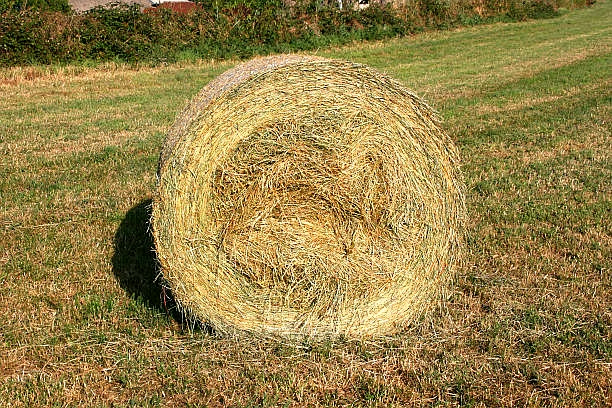
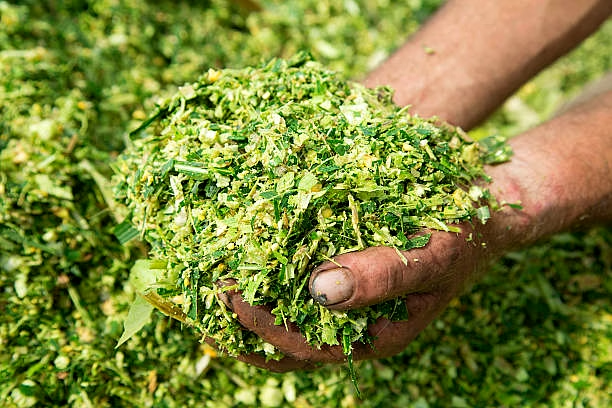
Corn Silage is a premium, high-moisture forage produced from whole corn plants, including stalks, leaves, and ears. This product is precisely chopped and undergoes controlled anaerobic fermentation to preserve vital nutrients and enhance digestibility. Specifically formulated for ruminants such as dairy and beef cattle, Corn Silage offers a rich source of energy, digestible fiber, essential vitamins, and minerals naturally present in corn plants. It significantly improves milk yield and supports healthy weight gain in livestock. The silage is available in bulk and wrapped bale formats, facilitating convenient feeding and efficient storage. Prepared under stringent hygienic conditions, this Corn Silage ensures minimal spoilage risks and maintains high feed quality, aligning with international feed safety and quality standards. It also promotes sustainable livestock feeding by delivering natural, nutrient-dense forage that boosts cattle productivity while supporting environmental stewardship.
Key Features
| Features | Description |
|---|---|
| Raw Material | Whole corn plants including stalks, leaves, and ears |
| Processing Method | Chopped and anaerobically fermented |
| Nutritional Benefits | High energy, digestible fiber, essential vitamins and minerals |
| Target Livestock | Dairy and beef cattle (ruminants) |
| Formats Available | Bulk and wrapped bale |
| Preservation | Controlled fermentation under hygienic conditions |
| Feed Quality Standards | Complies with international feed safety and quality standards |
| Benefits | Enhances milk production and weight gain |
| Sustainability | Supports sustainable livestock feeding practices |
| Storage | Easy to store and handle due to wrapped bale options |
| Attributes | Description |
|---|---|
| Moisture Content | High (typically 60-70%) |
| pH Level | Optimal range 3.8 to 4.2 after fermentation |
| Energy Content | Approximately 8-10 MJ/kg of digestible energy |
| Fiber Content | High digestible fiber suitable for ruminants |
| Packaging | Bulk heaps or wrapped bales |
| Shelf Life | Up to 12 months when properly stored |
| Fermentation Type | Anaerobic lactic acid fermentation |
| Intended Use | Feed for dairy and beef cattle |
| Storage Conditions | Cool, dry, and protected from oxygen exposure |
| Origin | Produced according to international feed safety standards |
*Disclaimer: The above description has been AI-generated and has not been audited or verified for accuracy. It is recommended to verify product details independently before making any purchasing decisions.
The anaerobic lactic acid fermentation process creates an acidic environment that inhibits spoilage organisms, preserving the nutrients and improving digestibility for ruminants.
It is rich in digestible fiber and energy, essential for enhancing milk yield in dairy cattle and promoting healthy weight gain in beef cattle, offering balanced nutrition tailored for ruminant livestock.
Yes, it must be stored in cool, dry conditions protected from oxygen exposure to prevent spoilage and maintain optimal fermentation quality, especially when using wrapped bale formats.
Corn Silage is available as bulk heaps for large-scale operations and wrapped bales that offer ease of handling, reduced oxygen exposure for better preservation, and convenient feeding.
Yes, it is produced under strict hygienic conditions and complies with international feed safety and quality standards ensuring suitability and safety for livestock consumption.
Country Of Origin: India
Corn Silage is a high-moisture forage made from whole corn plants (including stalks, leaves, and ears) that are chopped and fermented to preserve nutrients. It serves as an excellent energy-rich feed for ruminants such as dairy and beef cattle, providing digestible fiber and carbohydrates to support milk production and weight gain.