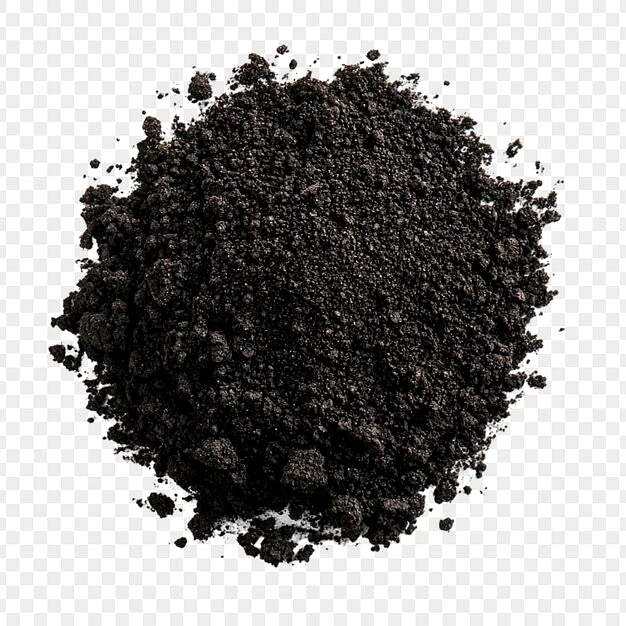
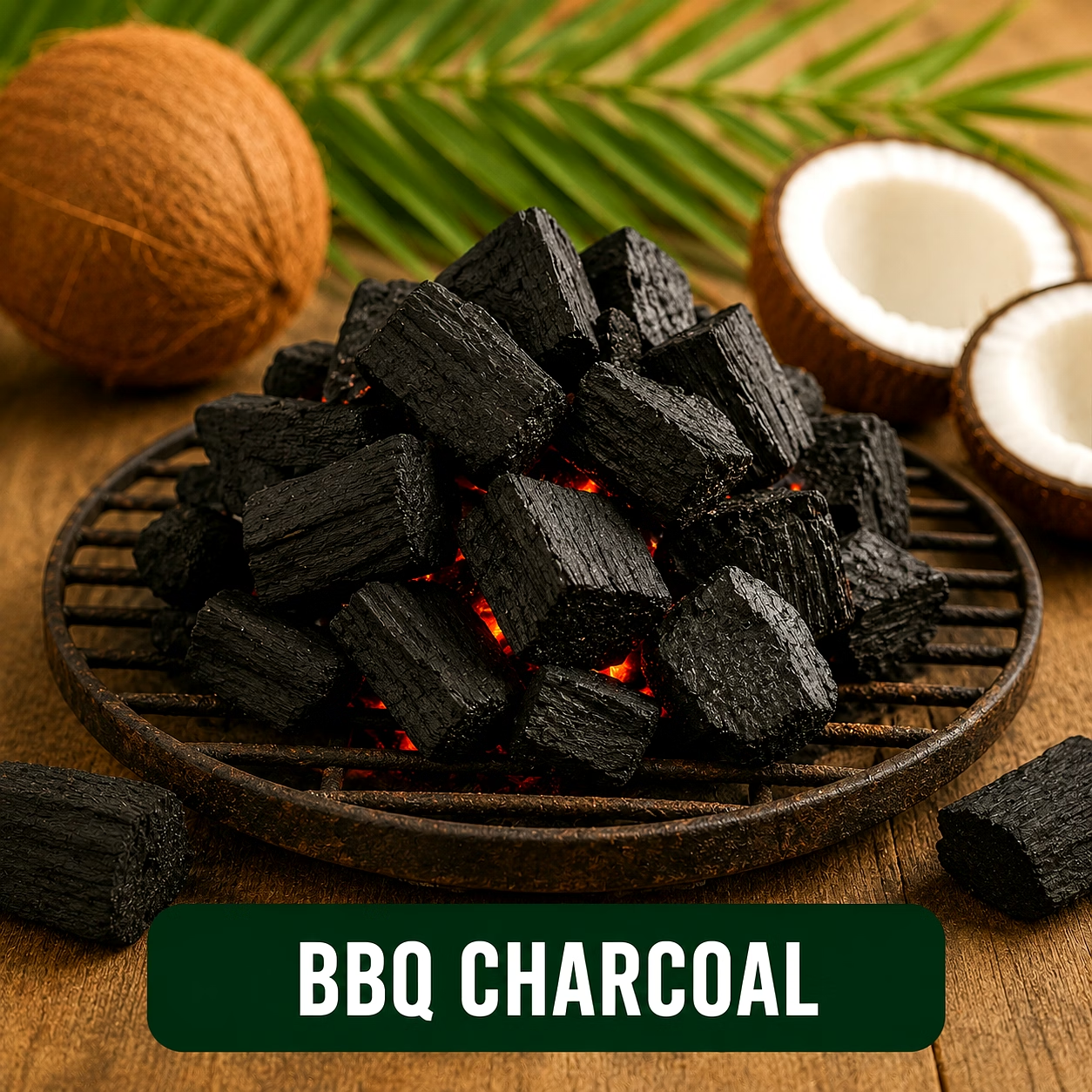
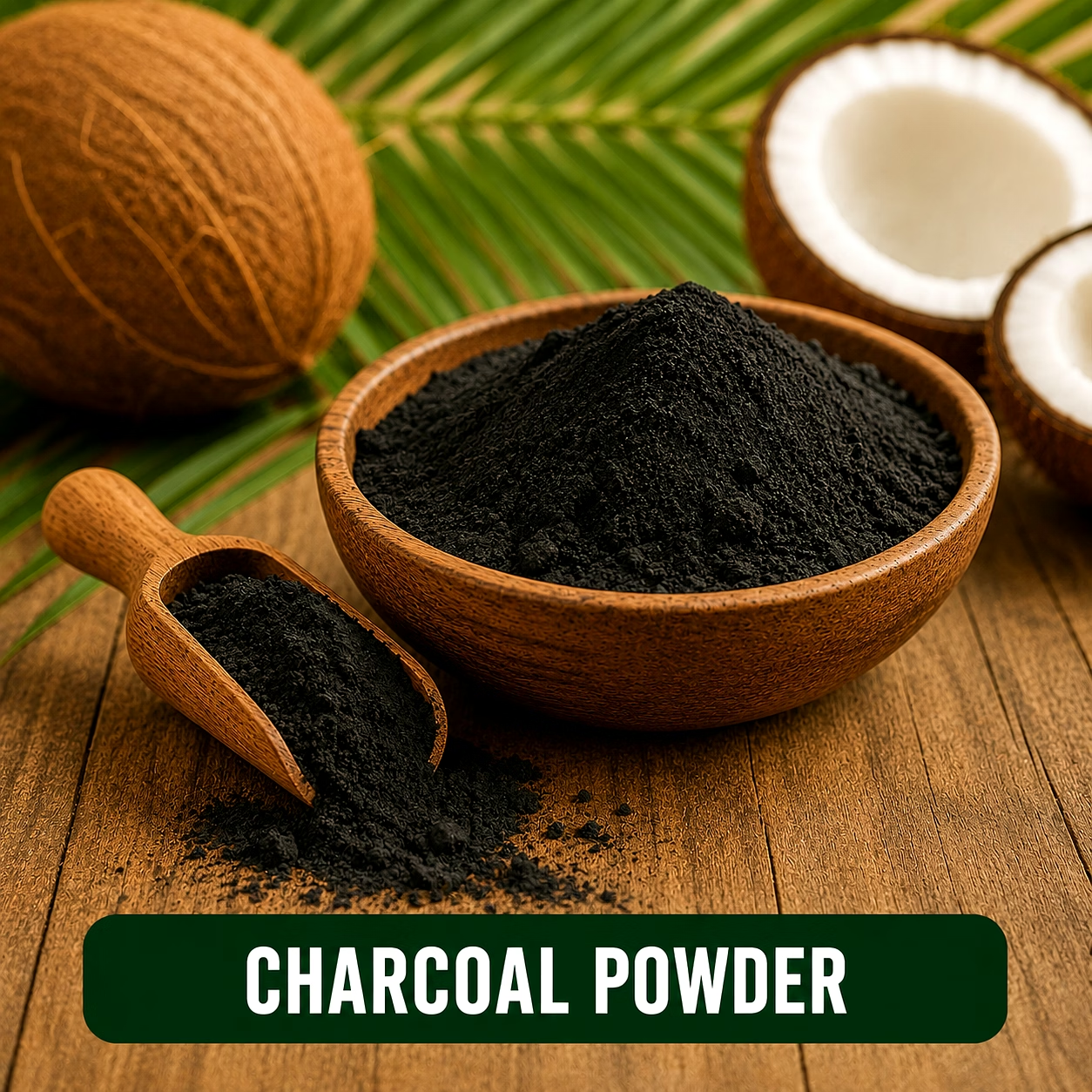
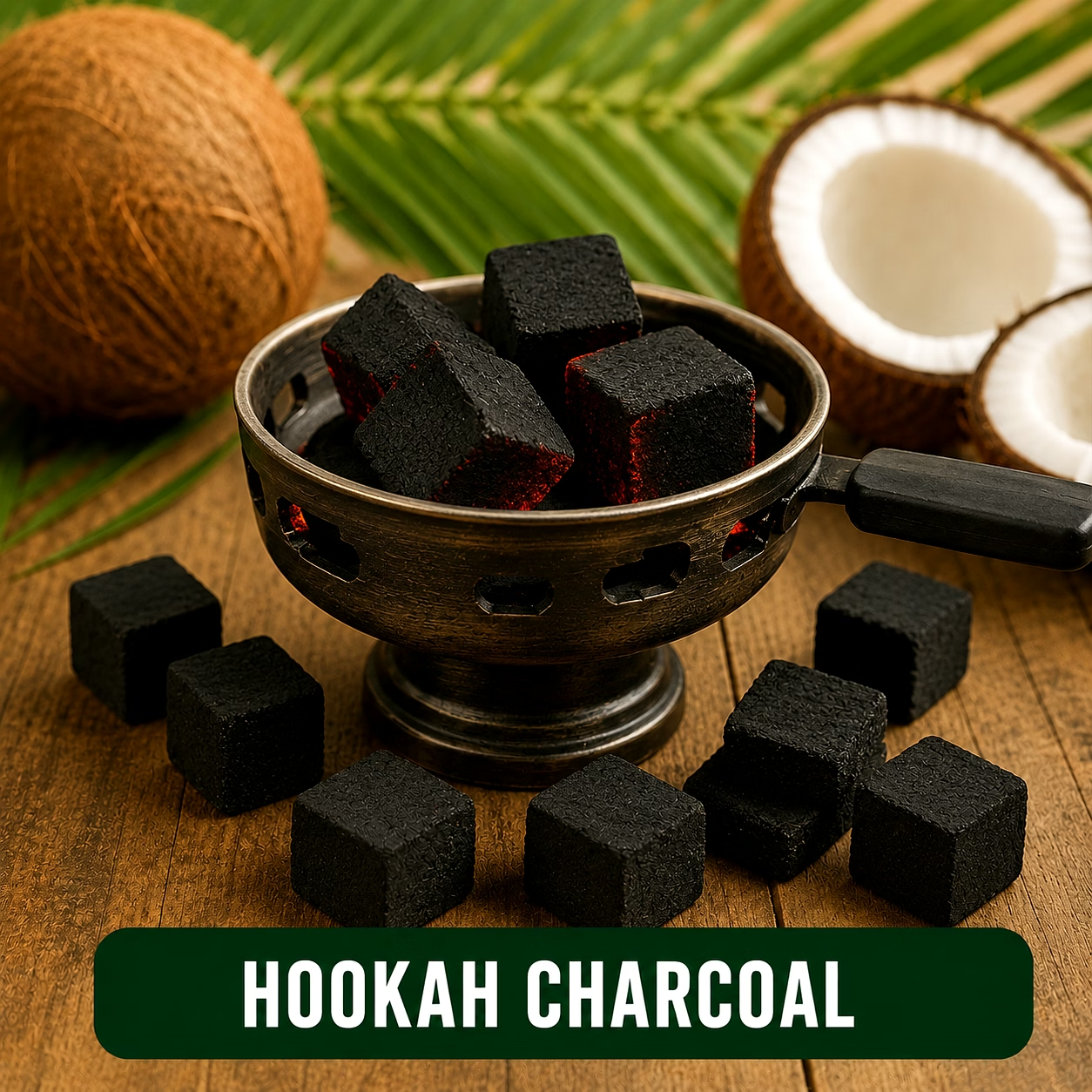
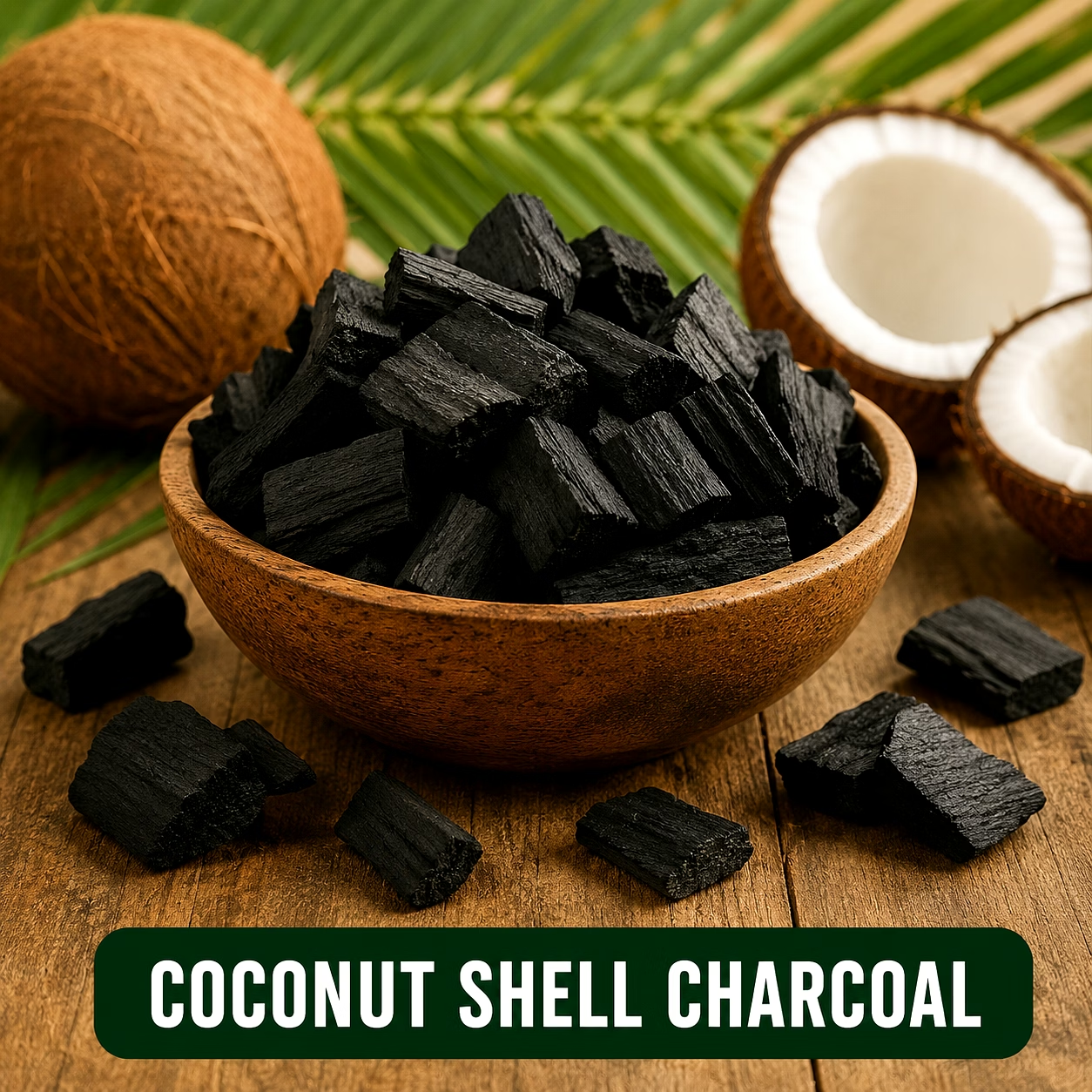
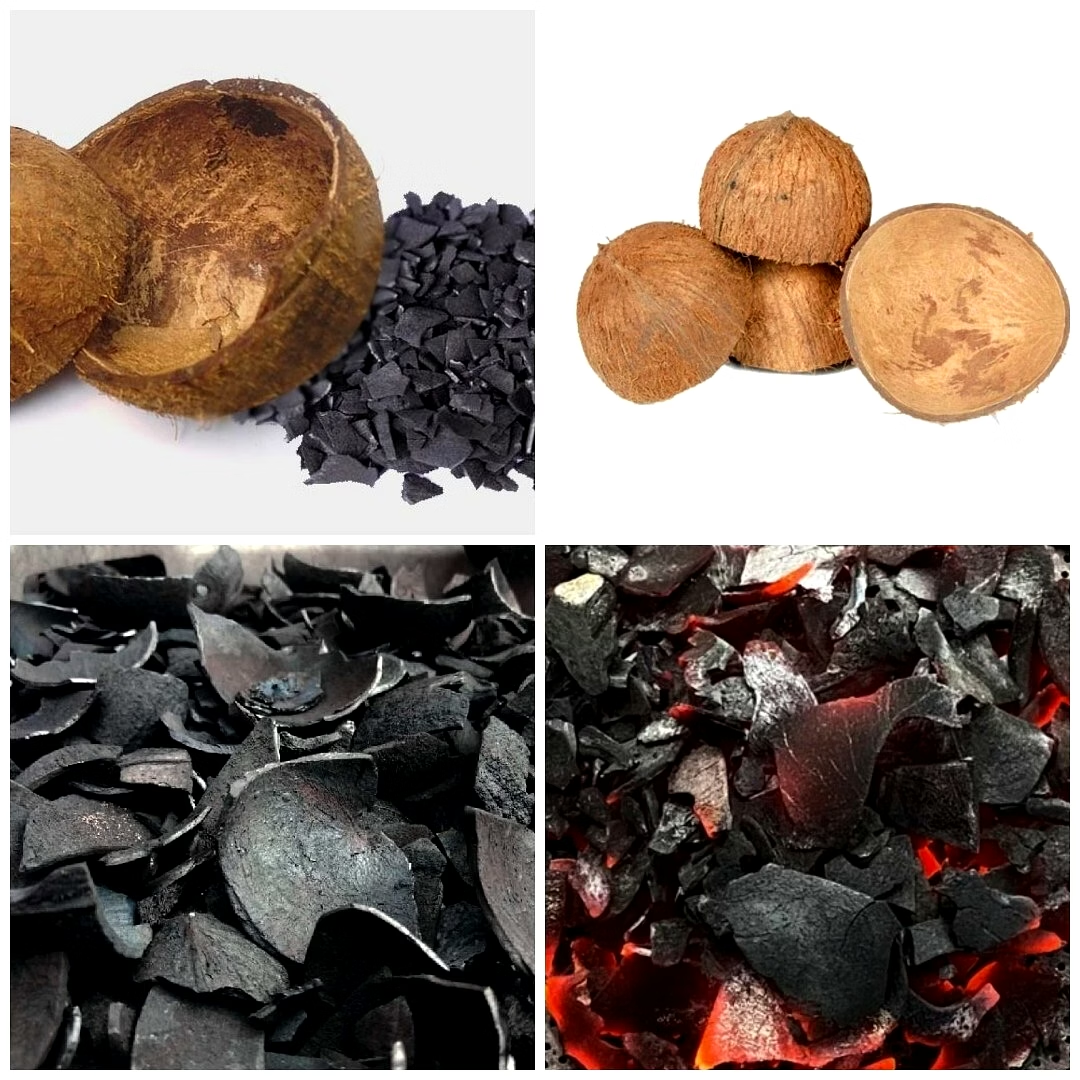
Coconut Shell Charcoal is a high-quality carbonized material produced by heating coconut shells in a controlled environment with limited air exposure. This process effectively removes moisture and volatile compounds, resulting in a dense, black, and porous charcoal product that is rich in fixed carbon. Presented in lump form, this charcoal boasts superior hardness and consistent size, making it ideal for various industrial and manufacturing applications that require efficient combustion, high energy output, and minimal ash production. Its natural origin ensures it is an environmentally friendly alternative to conventional coal and charcoal products. Coconut Shell Charcoal lumps are widely used in metallurgy, water purification, activated carbon production, and as a fuel source for heating and cooking in commercial setups due to their excellent burning characteristics and low smoke emissions.
Key Features
| Features | Description |
|---|---|
| Raw Material | 100% Natural coconut shells |
| Form | Lump |
| Carbon Content | High fixed carbon content |
| Moisture Content | Low moisture after carbonization |
| Porosity | High porous structure for better combustion |
| Ash Content | Minimal ash content |
| Size Consistency | Uniform lumps for consistent burning |
| Environmental Impact | Eco-friendly, sustainable source |
| Combustion Efficiency | High calorific value for energy output |
| Applications | Metallurgy, water treatment, activated carbon production, fuel |
| Attributes | Description |
|---|---|
| Material Type | Coconut shell derived charcoal |
| Physical Form | Lumps |
| Carbon Content (%) | Approximately 75-85% fixed carbon |
| Moisture Content (%) | <10% |
| Ash Content (%) | <5% |
| Size Range | 4 to 25 mm lumps size |
| Bulk Density (kg/m3) | 400-550 |
| Volatile Matter (%) | Less than 10% |
| Calorific Value (kcal/kg) | Approximately 7000-7500 |
| Origin | Produced from coconut shells via pyrolysis |
*Disclaimer: The above description has been AI-generated and has not been audited or verified for accuracy. It is recommended to verify product details independently before making any purchasing decisions.
Coconut shell charcoal lumps have a high fixed carbon content and porous structure, which are essential for producing activated carbon with excellent adsorption capacity.
The charcoal lumps are sorted to have a uniform size range typically between 4 to 25 mm, ensuring consistent burning and easy handling in industrial applications.
These charcoal lumps have a minimal ash content, usually less than 5%, which contributes to cleaner combustion and reduced residue.
Yes, since the charcoal is derived from coconut shells, a renewable agricultural waste, it is an eco-friendly alternative to fossil-based fuels and helps in waste utilization.
Absolutely. Their high carbon content and consistent quality make them ideal for processes like metal smelting where carbon acts as a reducing agent.
Country Of Origin: India
Coconut shell charcoal is a carbonized product of coconut shells, made by heating them with limited air to remove moisture and volatile compounds, leaving behind a black, porous material rich in fixed carbon
Lumps