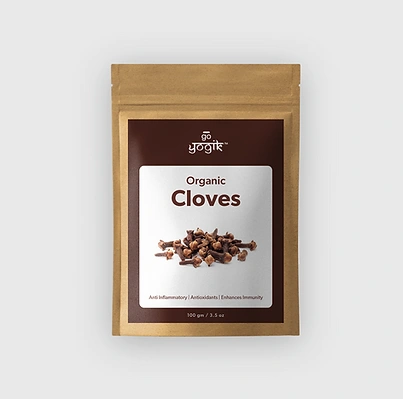
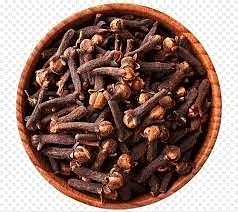
Cloves, derived from the dried flower buds of the Syzygium aromaticum tree, are widely used as a spice that imparts a distinctive aroma and flavor to culinary dishes. Packed with essential nutrients like fiber, manganese, and vitamin K, cloves offer more than just taste enhancement. A mere 2 grams (1 teaspoon) of ground cloves provides 6 calories, 1 gram of carbohydrates, 1 gram of dietary fiber, an impressive 55% of the daily manganese requirement, and 2% of the daily vitamin K intake. Manganese is critical for maintaining brain function and bone strength, making cloves a nutritious addition to food formulations. In addition to culinary uses, clove essential oil, rich in eugenol, demonstrates analgesic properties and is traditionally used in dental applications for pain relief and combating bacterial infections such as Enterococcus faecalis in root canal treatments. However, clove use for medicinal purposes is not approved by the US FDA, and caution is advised for individuals with liver disease, blood clotting disorders, immune system issues, or allergies. Cloves are predominantly used in powdered or whole form as a flavoring agent in various food products within food manufacturing, spice trading, and culinary businesses.
Key Features
| Features | Description |
|---|---|
| Nutrient Content | High in fiber, manganese (55% DV per tsp), and vitamin K (2% DV per tsp) |
| Caloric Value | Provides 6 calories per teaspoon (2 grams) |
| Culinary Use | Used whole or ground to enhance flavor in diverse food products |
| Medicinal Properties | Contains eugenol-rich essential oil with analgesic properties primarily for dental pain relief |
| Bacterial Growth Inhibition | Clove oil helps prevent growth of Enterococcus faecalis in dental infections |
| Usage Precautions | Not FDA-approved for medicinal use; caution in patients with liver, blood clotting, or immune disorders |
| Form Available | Whole cloves and ground powder |
| Packaging Suitability | Suitable for bulk packaging for food industry clients |
| Origin | Derives from Syzygium aromaticum flower buds |
| Attributes | Description |
|---|---|
| Botanical Name | Syzygium aromaticum |
| Form | Whole buds and ground powder |
| Nutrient Composition per 2g | 6 Calories, 1g Carbs, 1g Fiber, 55% DV Manganese, 2% DV Vitamin K |
| Active Compound | Eugenol - essential oil |
| Common Uses | Culinary flavoring, traditional dental analgesic |
| Storage Conditions | Cool, dry place away from direct sunlight |
| Shelf Life | Typically 1-2 years if properly stored |
| Adverse Effects | Potential risks for individuals with liver disease, blood clotting disorders, allergies |
| Packaging Options | Bulk bags, retail packs depending on buyer requirement |
*Disclaimer: The above description has been AI-generated and has not been audited or verified for accuracy. It is recommended to verify product details independently before making any purchasing decisions.
Each teaspoon (2 grams) of ground cloves provides 6 calories, 1 gram of carbohydrates, 1 gram of fiber, 55% of the daily manganese value, and 2% of the daily vitamin K.
No, cloves are not FDA-approved for medicinal use, and oral intake for medicinal purposes may have adverse effects in certain individuals.
Eugenol, an essential oil compound in cloves, is responsible for analgesic properties used especially in dental pain relief.
Yes, clove oil may prevent the growth of Enterococcus faecalis bacteria that are common in unsuccessful root canal treatments.
Yes, people with liver disease, blood clotting and immune system disorders, or food allergies should avoid using cloves medicinally due to potential adverse effects.
Country Of Origin: India
Cloves contain fiber, vitamins, and minerals, so using whole or ground cloves to add flavor to your food can provide some important nutrients.
One teaspoonTrusted Source (tsp) (2 grams (g)) of ground cloves contains:
Calories: 6
Carbs: 1 g
Fiber: 1 g
Manganese: 55% of the Daily Value (DV)
Vitamin K: 2% of the DV
Manganese is an essential mineralTrusted Source for maintaining brain function and building strong bones.
Apart from being a rich source of manganese, cloves are only used in small amounts and do not provide significant amounts of nutrients.
The use of clove for any medicinal purpose has not been approved by the US Food and Drug Administration, and its use may cause adverse effects if taken orally by people with liver disease, blood clotting and immune system disorders, or food allergies.[5]
Cloves are used in traditional medicine as an essential oil, which is intended to be an anodyne (analgesic) mainly for dental emergencies.[20] There is evidence that clove oil containing eugenol is effective for toothache pain and other types of pain.[5][21][22] Clove essential oil may prevent the growth of Enterococcus faecalis bacteria which may be present in an unsuccessful root canal treatment
Stay informed with the latest market trends, quality guides, and industry analysis