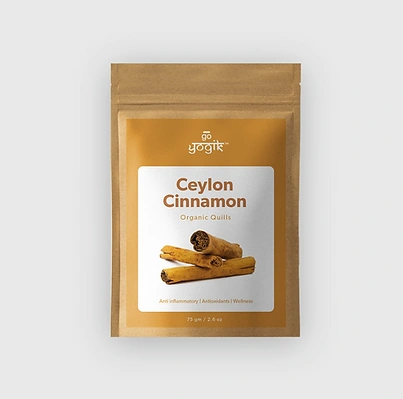
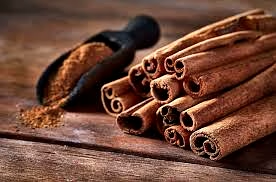
Cinnamon, specifically the True Cinnamon or Sri Lankan Cinnamon (Cinnamomum verum), is a premium spice derived from the dried inner bark of the Cinnamomum verum tree. Cultivated primarily in Sri Lanka, Malagasy Republic, Seychelles, and limited regions in Kerala, India, this spice is prized for its delicate fragrance and warm, agreeable taste. The trees are harvested when they reach approximately 2 meters in height and 8-12 cm in base diameter, typically at two years of age. The cinnamon bark is processed into various commercial forms such as quills, quillings, featherings, and chips. Additionally, essential oils are extracted both from the bark and leaves, serving important roles in perfumery, cosmetics, pharmaceuticals, and food flavoring. Known for its astringent, stimulant, carminative, and anti-fungal properties, Sri Lankan cinnamon is used not only as a flavoring agent in sweet and savory dishes but also for its medicinal benefits, including aiding sugar digestion for diabetics and alleviating nausea and vomiting. Its usage extends across confectionery, liquors, pharmaceuticals, and cosmetics industries, making it a versatile and high-value product in the B2B spice market.
Key Features
| Features | Description |
|---|---|
| Source Botanical Name | Cinnamomum verum (True or Sri Lankan Cinnamon) |
| Geographical Origin | Sri Lanka, Malagasy Republic, Seychelles, Kerala (India) |
| Plant Age at Harvest | Approximately 2 years |
| Tree Height at Harvest | Around 2 meters |
| Base Diameter of Stem | 8-12 cm |
| Forms Available | Quills, Quillings, Featherings, Chips, Bark Oil, Leaf Oil |
| Ideal Cultivation Conditions | Temperature 20-30°C, Rainfall 1250-2500 mm, Altitude 300-350 m above MSL |
| Primary Uses | Flavoring in food and beverages, pharmaceuticals, cosmetics, and perfumery |
| Medicinal Properties | Astringent, stimulant, carminative, anti-fungal, aids sugar digestion |
| Distinctive Flavor Profile | Delicate fragrance with warm and agreeable taste |
| Attributes | Description |
|---|---|
| Product Type | Dried inner bark (sticks/quills) and ground powder |
| Quills Description | Scraped inner bark joined in overlapping tubes, dried in sun and shade |
| Quillings Description | Broken pieces and splits of cinnamon quills |
| Featherings Description | Small shavings and bark pieces leftover after quilling |
| Chips Description | Rough barks scraped from thicker stems, unpeelable |
| Essential Oils | Bark oil obtained by distillation of bark; leaf oil by distillation of leaves |
| Moisture Content | Typically less than 12% to ensure quality and shelf-life |
| Flavor | Warm, sweet, and slightly spicy with aromatic fragrance |
| Shelf Life | Up to 2 years when stored in airtight conditions, away from moisture |
| Packaging Options | Bulk sacks, vacuum-sealed bags, retail packaging based on buyer requirements |
*Disclaimer: The above description has been AI-generated and has not been audited or verified for accuracy. It is recommended to verify product details independently before making any purchasing decisions.
True Cinnamon quills from Cinnamomum verum are characterized by their thin, soft, and hollow tubular bark with multiple layers rolled together, unlike Cassia cinnamon which is thicker, tougher, and more rigid. True cinnamon also has a sweeter, more delicate flavor profile.
The bark is harvested from two-year-old shoots, the outer bark is scraped off and the inner bark is peeled. These inner bark strips are then rolled into tubular quills, dried initially under the sun and then in shaded areas to retain flavor and quality.
Ideal growing conditions include a temperature range of 20-30°C, annual rainfall between 1250-2500 mm, and cultivation at altitudes of 300-350 meters above mean sea level, generally in semi-dry to wet zone regions.
Cinnamon bark oil is primarily valued for its anti-fungal properties and aromatic profile, used in pharmaceuticals and food flavoring, while cinnamon leaf oil is extensively leveraged in perfumery and cosmetic products due to its fragrance.
True Cinnamon exhibits astringent, stimulant, and carminative properties, helping with digestion and sugar metabolism, which is beneficial for diabetics. It also alleviates nausea and vomiting, making it advantageous for medicinal formulations.
Country Of Origin: India
Cinnamon is a spice derived from the inner bark of several trees belonging to the genus Cinnamomum. It's widely used as a flavoring and aromatic condiment in both sweet and savory dishes, as well as in beverages and baked goods. The spice comes from the dried bark of the tree, which curls into rolls (sticks) when dried, and can also be ground into powder.
The "True Cinnamon" or Sri Lankan Cinnamon is the dried inner stem bark of Cinnamomum Verum. Cinnamon plants are grown as bushes. When the plants are of two years age, they typically measure at about 2 meter in high and 8-12 cm at the base. It is at this stage they are ready for harvesting.
Origin and Distribution
Cinnamomum verum is mostly cultivated in Sri Lanka, Malagasy Republic and Seychelles. It has originated in the central hills of Sri Lanka. In India, it is grown in one or two locations in Kerala. Cinnamon is a hardy plant and is cultivated in Sri Lanka under varying conditions ranging from semi dried to wet zone conditions. The ideal temperature for growing cinnamon is between 20-30 degree C and rainfall between 1250 to 2500 mm. It thrives well as a forest tree at 300-350 meter above MsL.
Uses
The commercial products of cinnamon are quills, quillings, featherings, chips, cinnamon bark oil and cinnamon leaf oil. ‘Quills’ are scraped peel of the inner bark of the mature cinnamon shoots, joined together with overlapping tubes, the hollow of which has been filled with smaller pieces of cinnamon peels which is dried first in the sun and thereafter in the shade. ‘Quillings’ are broken pieces and splits of all grades of cinnamon quills. ‘Featherings’ are feather like pieces of inner bark consisting of shavings and small pieces of bark left over. Cinnamon ‘chips’ are rough unpeelable barks scraped off from the thicker stems. Cinnamon leaf and bark oil are obtained by distilling the leaf and bark separately. Cinnamon bark is a popular spice with a delicate fragrance and a warm agreeable taste. It is used in the form of small pieces or powder. It is widely used in flavouring confectionary, liquors, pharmaceuticals and cosmetics. It is found to help diabetics in digestion of sugar. It has astringent; stimulant and carminative properties and can check nausea and vomiting. The cinnamon bark oil has anti-fungal properties and cinnamon leaf oil is widely used in perfumery and cosmetics
Stay informed with the latest market trends, quality guides, and industry analysis