Inclusive of all taxes
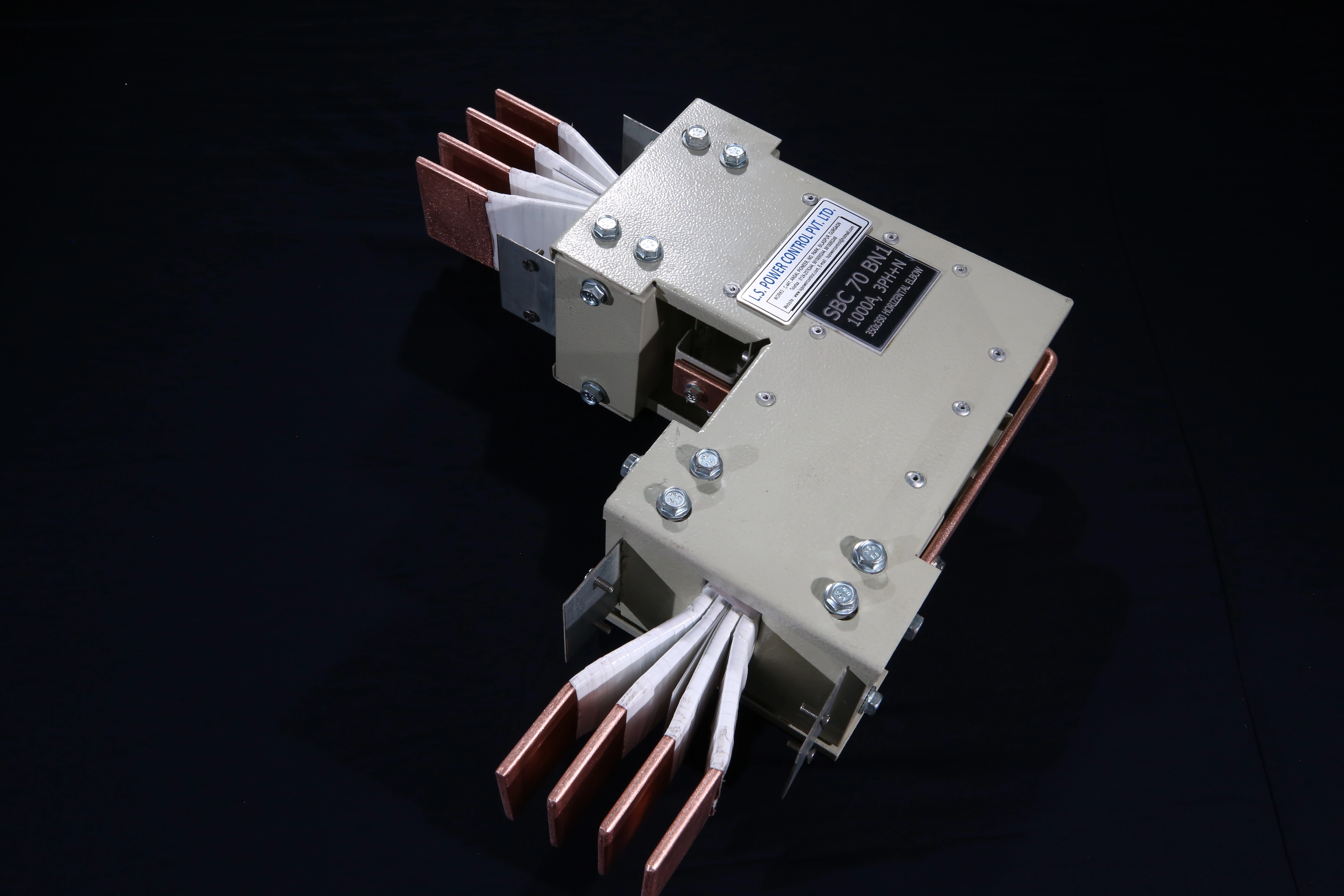
The Busbar Trunking System (BBT) is a 630 Amp, Indoor Type Copper Bus Duct, engineered for efficient and reliable power distribution in space-constrained environments. The innovative sandwich configuration incorporates multiple closely arranged copper busbars insulated with advanced materials like epoxy and mica, ensuring optimal electrical isolation and minimal losses. This sophisticated design not only reduces the overall size compared to traditional bus ducts but also enhances flexibility with dynamic tap-off points for easy access to electricity. With its capacity to minimize voltage drop due to closely spaced conductors, this Busbar Trunking System elevates performance standards in industrial applications. Ideal for various load requirements, our indoor bus duct is the ultimate choice for businesses seeking reliability, efficiency, and the durability of copper in their electrical distribution systems.
Key Features
| Features | Description |
|---|---|
| Compact Design | Designed for space-constrained environments, allowing for easier installation. |
| Dynamic Tap-off Points | Flexible access to electricity at multiple locations along the duct. |
| Low Voltage Drop | Minimal impedance due to close conductor spacing, ensuring higher efficiency. |
| Material Options | Available in both aluminum and copper to meet specific performance and budget needs. |
| Indoor Application | Specially designed for indoor use, enhancing safety and performance. |
| Attributes | Description |
|---|---|
| Current Rating | 630 Amps |
| Material Type | Copper |
| Configuration | Sandwich design |
| Insulation Material | Epoxy and Mica |
| Installation Type | Indoor |
| Dimensions | Compact size to fit into various installations |
*Disclaimer: The above description has been AI-generated and has not been audited or verified for accuracy. It is recommended to verify product details independently before making any purchasing decisions.
The sandwich configuration allows for more compact installations while ensuring less voltage drop and optimized electrical performance.
Yes, the dynamic tap-off points offer flexibility for future extensions as needed, catering to growing power demands.
Copper offers higher conductivity, better performance in terms of power loss, and greater durability, while aluminum is lighter and cost-effective for applications where weight is a concern.
No, this specific system is designed for indoor use. For outdoor solutions, additional weatherproofing would be required.
A sandwich bus duct is a compact power distribution system that utilizes a "sandwich" configuration of busbars, typically made from copper or aluminum, insulated with advanced materials. The sandwich bus duct consists of multiple busbars arranged closely together without air gaps, surrounded by insulation materials such as epoxy or mica.
Components:-
Busbars: Conductors that carry substantial current.
Insulation: Advanced materials that provide electrical isolation between phases and reduce losses.
Enclosure: A protective casing that houses the busbars and insulation.
Advantages
Compact Size: The sandwich design allows for a more compact installation compared to conventional bus ducts, making it suitable for space-constrained environments.
Flexibility: Dynamic tap-off points enable easy access to electricity at various locations along the duct, allowing for quick adjustments in power distribution as needed.
Reduced Voltage Drop: The close spacing of conductors minimizes impedance, leading to lower voltage drops even at high power factors.
Key Specifications
Material: Available in aluminum and copper, each with distinct advantages.
Amperage Ratings: Ranging from 400/250 AMP to 5000 AMP, suitable for varying load requirements.
Indoor vs Outdoor: Designed to withstand different environmental conditions; outdoor types have additional weatherproofing.
Advantages of Each Material
Aluminum:
Lighter (up to 70% less dense than copper), making installation easier.
Cost-effective, often lower initial investment.
Suitable for applications where weight is a concern.
Copper:
Higher electrical conductivity, allowing for better performance in terms of power loss and efficiency.
Greater ampacity, meaning it can handle more current without overheating.
More durable and resistant to corrosion, leading to longer lifespan and lower maintenance.
Both aluminum and copper bus ducts serve essential roles in electrical distribution systems, with choices depending on specific application requirements such as load capacity, environmental conditions, and budget considerations.
Inclusive of all taxes
You Save: 0