Buddha Ratana rice has been cultivated since the Buddhist period (600 BC). Kala namak Rice is in cultivation since the Buddhist period (600 BC). The grains were found from excavation of Aligarhwa Uttar Pradesh, During excavation of Aligarhwa carbonized rice grains resembling Kalanamak were recovered located at Nepal border. Kala namak rice was given the Geographical Indication tag in 2013.Chinese monk Faxian wrote that when Buddha visited Kapilvastu for the first time after attaining ‘enlightenment’, he was stopped at Mathla village by the people. The villagers asked Siddhartha to give them prasad. Siddhartha took the rice he had taken in alms and gave it to the people, asking them to sow it in a marshy place. The rice thus produced “will have typical aroma which will always remind people of me.
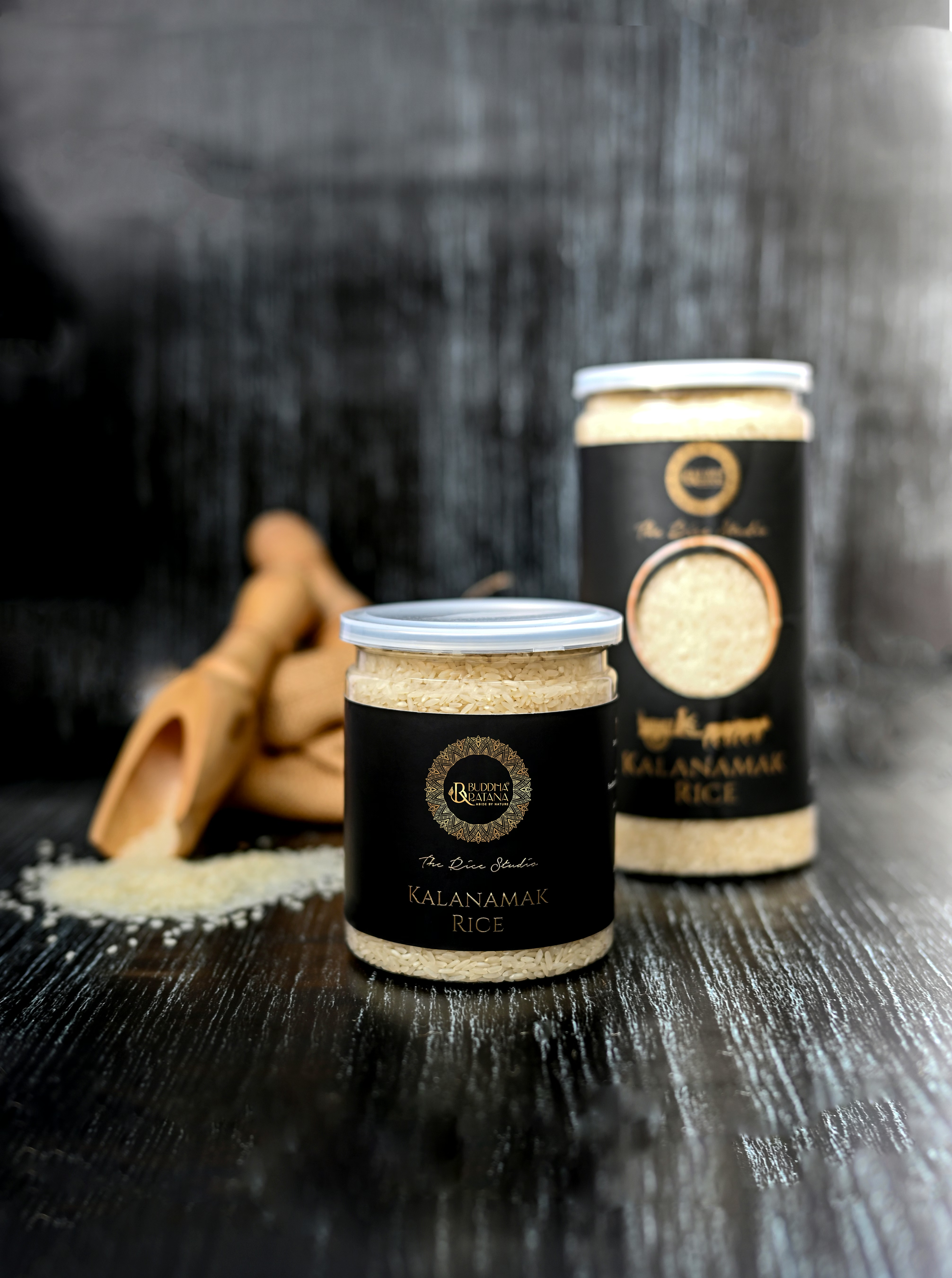
Kalanamak, a traditional variety of paddy with a black husk and a strong fragrance.
Buddha Ratana rice has been cultivated since the Buddhist period (600 BC). Kala namak Rice is in cultivation since the Buddhist period (600 BC). The grains were found from excavation of Aligarhwa Uttar Pradesh, During excavation of Aligarhwa carbonized rice grains resembling Kalanamak were recovered located at Nepal border. Kala namak rice was given the Geographical Indication tag in 2013.Chinese monk Faxian wrote that when Buddha visited Kapilvastu for the first time after attaining ‘enlightenment’, he was stopped at Mathla village by the people. The villagers asked Siddhartha to give them prasad. Siddhartha took the rice he had taken in alms and gave it to the people, asking them to sow it in a marshy place. The rice thus produced “will have typical aroma which will always remind people of me.
Kalanamak, a traditional variety of paddy with a black husk and a strong fragrance.
Inclusive of all taxes
You Save: 0
Mumbai , India
Manufacturer, Retailer, Brand Owner, Distributor, Exporter, Wholesaler, Women Entrepreneur, Startup