• Key Features & Attributes
  • Ratings & Reviews
  • Know your Supplier
  • Product description from supplier

BITTER GUARD

Inclusive of all taxes

Bitter Gourd (Momordica charantia), also known as Bitter Melon or Karela, is a tropical to subtropical vine vegetable renowned for its distinctive bitter taste and impressive health benefits. Characterized by a bumpy green exterior and white fibrous interior containing seeds, this vegetable is widely used in culinary and medicinal applications across Asia, Africa, and the Caribbean. Bitter Gourd is especially valued for its potent bioactive compounds such as charantin and momordicin, which contribute to its medicinal reputation, particularly in regulating blood sugar levels for diabetic care. Nutritionally, it is low in calories but rich in vital vitamins including A, C, and B-complex, minerals like iron, calcium, and potassium, and dietary fiber which aids digestion and weight management. Bitter Gourd exists mainly in two varieties: Indian Bitter Gourd, smaller and more intensely bitter, and Chinese Bitter Gourd, larger and milder in flavor. This vegetable is versatile in cooking, popular in stir-fries, stuffed dishes, curries, juices, and pickles. Proper selection, storage, and preparation methods maximize its health benefits while balancing its bitterness, making it a beneficial and unique vegetable for health-conscious businesses and food industry professionals.

Key Features

Features Description
Botanical Name Momordica charantia
Common Names Bitter Gourd, Bitter Melon, Karela
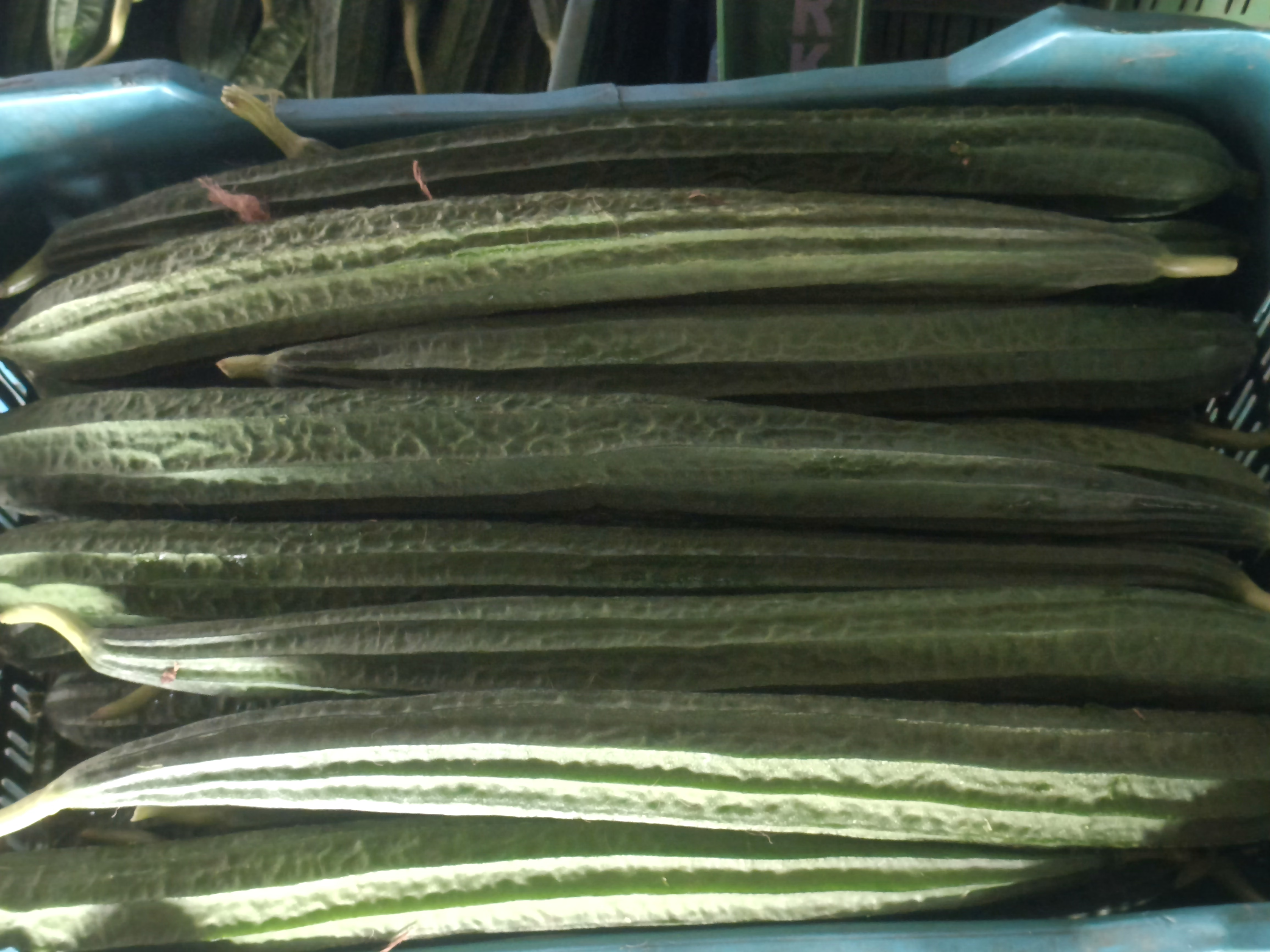
Appearance Bumpy green exterior with white interior and seeds
Taste Distinctively bitter, can be mellowed by soaking or cooking
Varieties Indian Bitter Gourd (small, intense bitterness), Chinese Bitter Gourd (larger, mild bitterness)
Nutritional Content Rich in vitamins A, C, B-complex, minerals iron, calcium, potassium, and dietary fiber
Medicinal Compounds Contains charantin and momordicin effective in blood sugar regulation
Health Benefits Supports blood sugar control, digestive health, immune boosting, skin health, and weight management
Culinary Uses Suitable for stir-fries, stuffing, curries, juices, and pickling
Storage Store in cool, dry place or refrigerate; use within a week for freshness
Attributes Description
Scientific Classification Family: Cucurbitaceae
Taste Profile Bitter
Color Range Light to dark green exterior
Plant Type Tropical/Subtropical Vine
Typical Weight Range 150-300 grams per fruit (varies by variety)
Storage Recommendations Refrigerate at 7-10°C for up to 7 days
Preparation Tips Wash thoroughly, cut and remove seeds; soak in salted water to reduce bitterness
Primary Nutrients Vitamins A, C, B-complex; Iron, Calcium, Potassium; Dietary Fiber
Geographical Origin Native to tropical Asia, widely cultivated across Asia, Africa, Caribbean

*Disclaimer: The above description has been AI-generated and has not been audited or verified for accuracy. It is recommended to verify product details independently before making any purchasing decisions.

Be the first to write a review

The two main commercially available varieties are Indian Bitter Gourd, which is smaller and more bitter, and Chinese Bitter Gourd, which is larger with a milder bitterness.

Bitterness can be mellowed by soaking sliced Bitter Gourd in salted water for 30 minutes prior to cooking or by cooking it thoroughly.

Bitter Gourd contains charantin and momordicin, bioactive compounds known to help regulate blood sugar levels.

It should be stored in a cool, dry place or refrigerated between 7-10°C and used within a week to maintain freshness.

Yes, preparing Bitter Gourd in stir-fries, curries, or juices maximizes nutrient retention and health benefits.

  • Incorporation Type

  • GST

  • GST Registration Date

  • Number of Employees

  • Import Export Code (IEC)

  • Year of Establishment

  • Nature of Business

  • GlobalLinker Member Since

Bitter Gourd (Momordica charantia)

Overview:

Bitter Gourd, also known as Bitter Melon or Karela, is a tropical and subtropical vine belonging to the Cucurbitaceae family. It is widely recognized for its distinctive bitter taste and numerous health benefits. This unique vegetable is used in various culinary dishes and traditional medicines, particularly in Asian, African, and Caribbean cultures.


Key Features:

Appearance: Bitter Gourd has a unique, bumpy exterior that ranges in color from light to dark green. Its interior contains white flesh and seeds.

Taste: True to its name, Bitter Gourd has a distinctively bitter flavor, which can be mellowed through cooking or soaking in salted water.

Varieties: Common varieties include the Indian Bitter Gourd, which is smaller and more intensely bitter, and the Chinese Bitter Gourd, which is larger and slightly milder in flavor.

Nutritional Value: Bitter Gourd is low in calories and rich in vitamins (A, C, B-complex), minerals (iron, calcium, potassium), and dietary fiber. It also contains bioactive compounds like charantin and momordicin, which are known for their medicinal properties.

Health Benefits:

Blood Sugar Regulation: Bitter Gourd is renowned for its ability to help regulate blood sugar levels, making it beneficial for individuals with diabetes.

Digestive Health: The high fiber content aids in digestion and promotes regular bowel movements.

Immune Boosting: Rich in antioxidants and vitamins, it strengthens the immune system and helps fight infections.

Skin Health: The antibacterial and anti-inflammatory properties of Bitter Gourd make it useful for treating skin conditions such as acne and psoriasis.

Weight Management: Low in calories and high in fiber, Bitter Gourd is an excellent addition to a weight-loss diet.

Culinary Uses:

Bitter Gourd can be prepared in various ways, including:


Stir-Fries: Sliced and stir-fried with spices and other vegetables.

Stuffed: Filled with meat or vegetable stuffing and cooked.

Juices: Extracted juice is consumed for its health benefits.

Curries: Added to traditional curries and stews for flavor and nutrition.

Pickles: Preserved as a tangy and spicy pickle.

Storage and Handling:

Selection: Choose firm, unblemished gourds with a vibrant green color.

Storage: Store in a cool, dry place or refrigerate to maintain freshness. Use within a week for the best quality.

Preparation: Wash thoroughly, cut into desired shapes, and remove seeds before cooking. To reduce bitterness, soak in salted water for 30 minutes.

Conclusion:

Bitter Gourd is a versatile and healthful vegetable that offers a wealth of benefits. Its unique taste and nutrient-rich profile make it a valuable addition to any diet. Whether used in traditional recipes or innovative dishes, Bitter Gourd is sure to enhance both flavor and health.


Food And Beverage

Fresh And Frozen Vegetables

Bitter Gourd

Momordica Charantia

Karela Vegetable

Bitter Melon Suppliers

Bitter Gourd Wholesale

Diabetic Vegetable

Healthy Gourd

Natural Blood Sugar Regulator

Indian Bitter Gourd

Chinese Bitter Gourd

BITTER GUARD

Inclusive of all taxes

You Save: 0

Send Inquiry
ZEEL ENTERPRISE

Ahmedabad , India

Retailer, Exporter, Wholesaler

  • Secure
    Transaction

  • Free
    Delivery

  • Day
    Dispatch

Report a problem with this product

Market Insights

Stay informed with the latest market trends, quality guides, and industry analysis

Weekly Trade Alerts for Indian Exporters: 10 - 16 July 2025

Presenting the latest updates from India’s foreign trade from 10 - 16 July 2025.