1/4
Export Ready

BASIC DYES

Sold by kartikeya overseas · Manufacturer, Retailer, Brand Owner, Distributor, Exporter, Importer, Wholesaler · Delhi, Delhi, India

Price
₹ 5.67 /Kilogram
In stock
MRP ₹ 6.80
Inclusive of all taxes
You Save: ₹ 1.13
Minimum order: 1 Kilogram

Export Snapshot

MOQ
1 Kilogram
Lead time
On request
Packaging
Standard export packaging
Shelf life / longevity
As per product specification
HSN Code
320413
Origin
India
Port of dispatch
On request
Export markets served
 flag
Values shown are for kartikeya overseas.
Suitable for

Importers · Distributors · Wholesalers

Know your supplier

kartikeya overseas is a Manufacturer, Retailer, Brand Owner, Distributor, Exporter, Importer, Wholesaler based in Delhi Delhi India.

Delhi Dispatch on request Verified seller
kartikeya overseas logo

Manufacturer, Retailer, Brand Owner, Distributor, Exporter, Importer, Wholesaler · Delhi, Delhi, India

Specialized in chemicals for over 35 years and has a strong grip over the market. Our products have a very good reputation in the market and we have a sale of around 200 tons/month in our hand. We are technology-focused company with a high investment in R&D, offering excellent technical service and customised products, providing solutions that make sense. We deal in all types of raw materials - COLORS, INKS, DYES, CHEMICALS, ADHESIVES, SPECIALTY CHEMICALS for 13 different industries - - PLASTICS - PAPER - COSMETICS - PLYWOOD - PERSONAL CARE & HOME CARE - AGRO-CHEMICALS - TEXTILE - LEATHER & REXINE - RUBBER - PAINT - NON-WOVEN, JUTE, COTTON - TILE & MARBLE - CONSTRUCTION

Registered address: Delhi, India. Industry: Chemicals, Dyes & Paints > Dyes, Pigments & Inks.

Established
Not shared
Employees
GST
07ABAFK5290K1Z3
IEC code
Not shared
Export markets
 flag
GlobalLinker Member Since
Feb 2025
Turnover
On request
Incorporation Type
On request
Certifications & Awards
Product details

What are the specifications of this product?

Overview

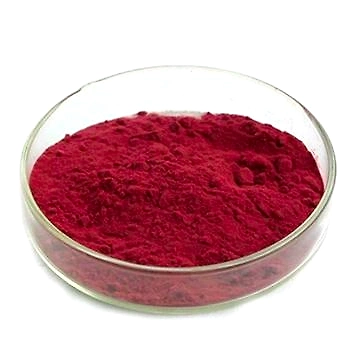
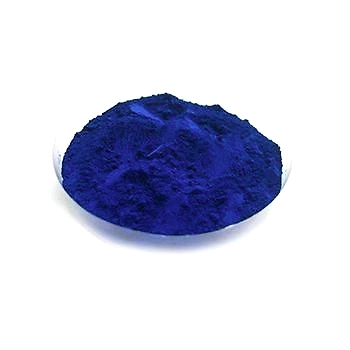
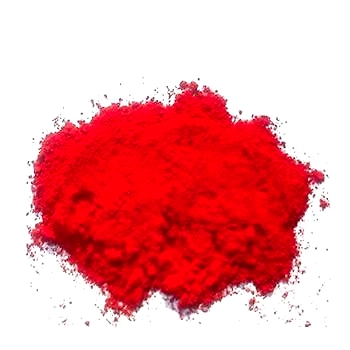
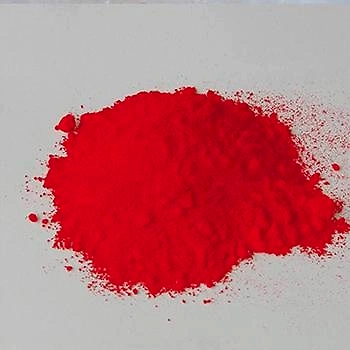
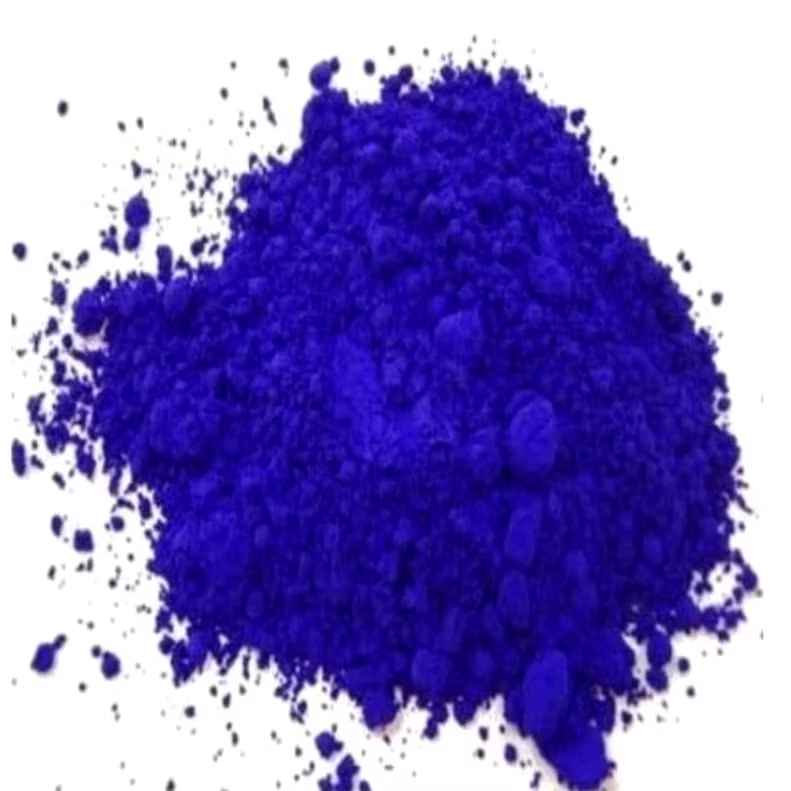
Basic dye is a stain that is cationic (+ve charged) and so will react with material that is (-ve) negatively charged. This dye is usually synthetic, that act as bases, and which are actually aniline dyes. Their color base is not water soluble but can be made so by converting the base into a salt. The basic dyes, while possessing great tinctorial strength and brightness, are not generally light-fast. Basic (or cationic) dye molecules have a coloured component carrying a positive electrical charge which is attracted by negative charges on the fibre. Basic dyes must not be: (i) mixed with the negatively charged acid dyes since they will neutralise each other to form an insoluble complex; or (ii) used under alkaline conditions since many of the dyes will decompose to form the colourless dye base which is insoluble in water.

Product Description

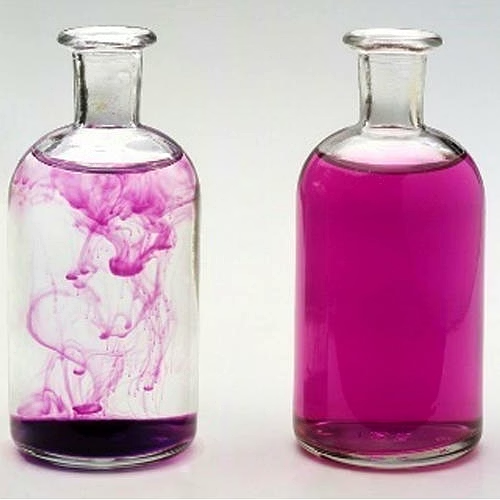
The basic dyes, like the acid dyes, unite chemically with the fibre. They do not take directly on cotton but they do on ligno-cellulosic fibres such as sisal, jute and coin For brightness and clarity of colour the basic dyes cannot be matched by any other class of dyestuff. Also, since the dyestuffs produce intense colours, quite small quantities of dye will produce deep hues.

Although they produce bright colours cheaply, the light and water fastness properties of the colours are generally poor and for many textile purposes these dyes have been largely displaced by the more modern acid, direct, and reactive dyes.

PROPERTIES OF BASIC DYES

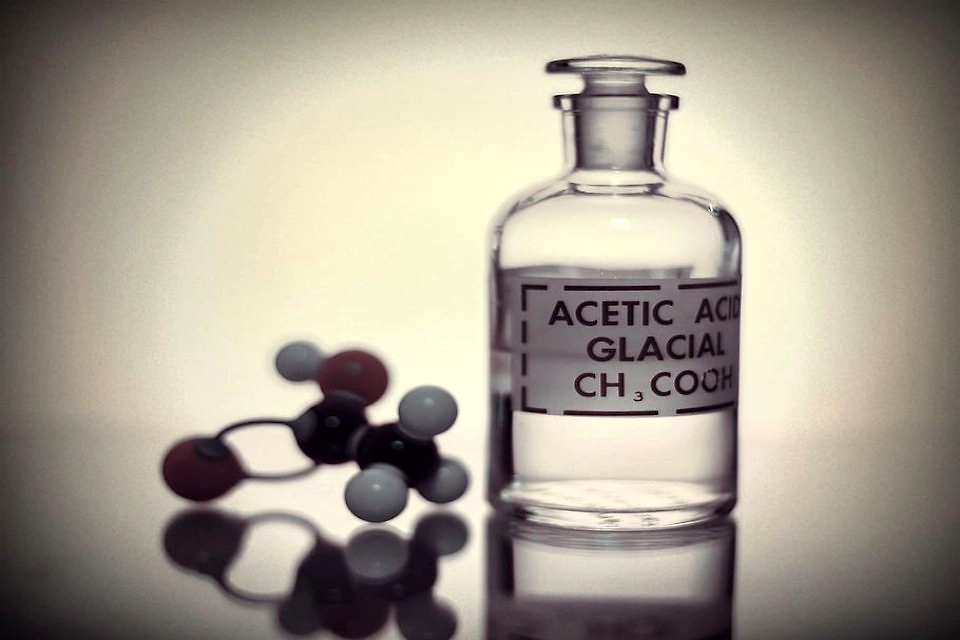
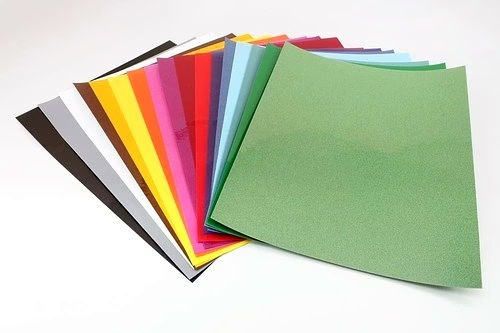
Basic Dyes are cationic soluble salts of coloured bases. Basic dyes are applied to substrate with anionic character where electrostatic attractions are formed. Basic dyes are not used on cotton as the structures are neither planar nor large enough for sufficient substantivity or affinity. Basic dyes are called cationic dyes because the chromophore in basic dye molecules contains a positive charge. The basic dyes react on the basic side of the isoelectric points. Basic dyes are salts, usually chlorides, in which the dyestuff is the basic or positive radical. Basic dyes are powerful colouring agents.It’s applied to wool, silk, cotton and modified acrylic fibres. Usually acetic acid is added to the dyebath to help the take up of the dye onto the fibre. Basic dyes are also used in the coloration of paper.

ADVANTAGES:-

 High Tinctorial strength

 Moderate substantively

 Relatively economical

 Wide shade range

 Includes some of the most brilliant synthetic dyes

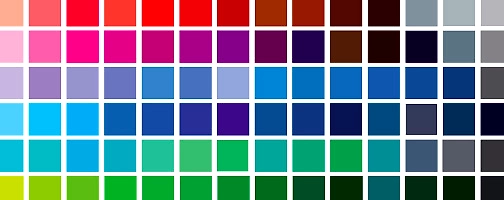
 Shows good brightness


Description provided by kartikeya overseas.

Specifications

Chemical Composition Cationic soluble salts of colored bases.
Application Fiber Type Wool, silk, modified acrylic fibers, jute, and sisal.
Solubility Soluble when converted into salts.
Dyeing Conditions Not suitable in alkaline conditions; requires acidic conditions for effectiveness.
Light and Water Fastness Generally poor.
Economics Cost-effective alternative for vibrant coloring.
Color Quality Displays a wide range of brilliant hues.

Use cases

Category chemicals > dyes
Primary application Wholesale, distribution, and international sourcing
Brand rdc/ko/aaa
Product type Product

Logistics & handling

Lead time On request
Packaging As per buyer requirement
Storage condition As recommended by supplier
Origin India
Form As listed by supplier

Commercials (this seller)

Minimum order 1 Kilogram
Lead time On request
Payment terms As per negotiated commercial agreement.
Buyer questions

Frequently asked by buyers

Common questions B2B buyers ask before sourcing BASIC DYES. Answers compiled from verified sellers' commercial terms and platform data.

Q: What fibers are best suited for basic dyes?
A: Basic dyes are best suited for ligno-cellulosic fibers such as sisal, jute, and can also be applied to wool, silk, and modified acrylic fibers.
Q: Why can't basic dyes be used in alkaline conditions?
A: Alkaline conditions can decompose many basic dyes, resulting in an insoluble colorless dye base, thus making them ineffective.
Q: What is the primary advantage of using basic dyes?
A: The primary advantage of basic dyes is their high tinctorial strength, allowing for vibrant colors in small quantities.
Q: How can the uptake of basic dyes be enhanced during dyeing?
A: The uptake of basic dyes can be enhanced by adding acetic acid to the dye bath.
Q: Are basic dyes resistant to light and water?
A: Basic dyes generally show poor light and water fastness, which may limit some of their applications.
Question not answered? Ask sellers directly — typical response within 4 hours.
BASIC DYES
BASIC DYES
₹ 5.67/Kilogram · MOQ 1Kilogram