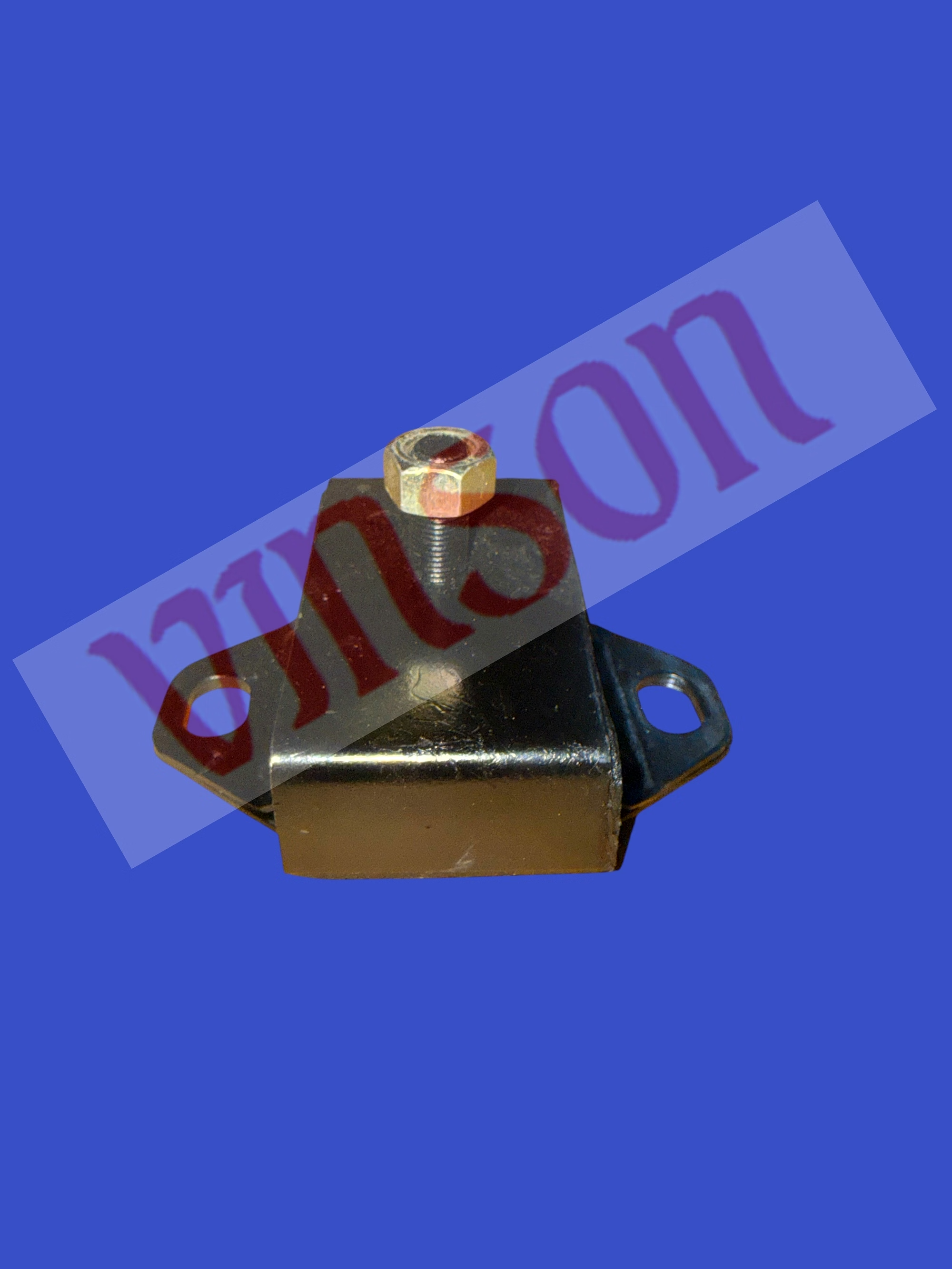
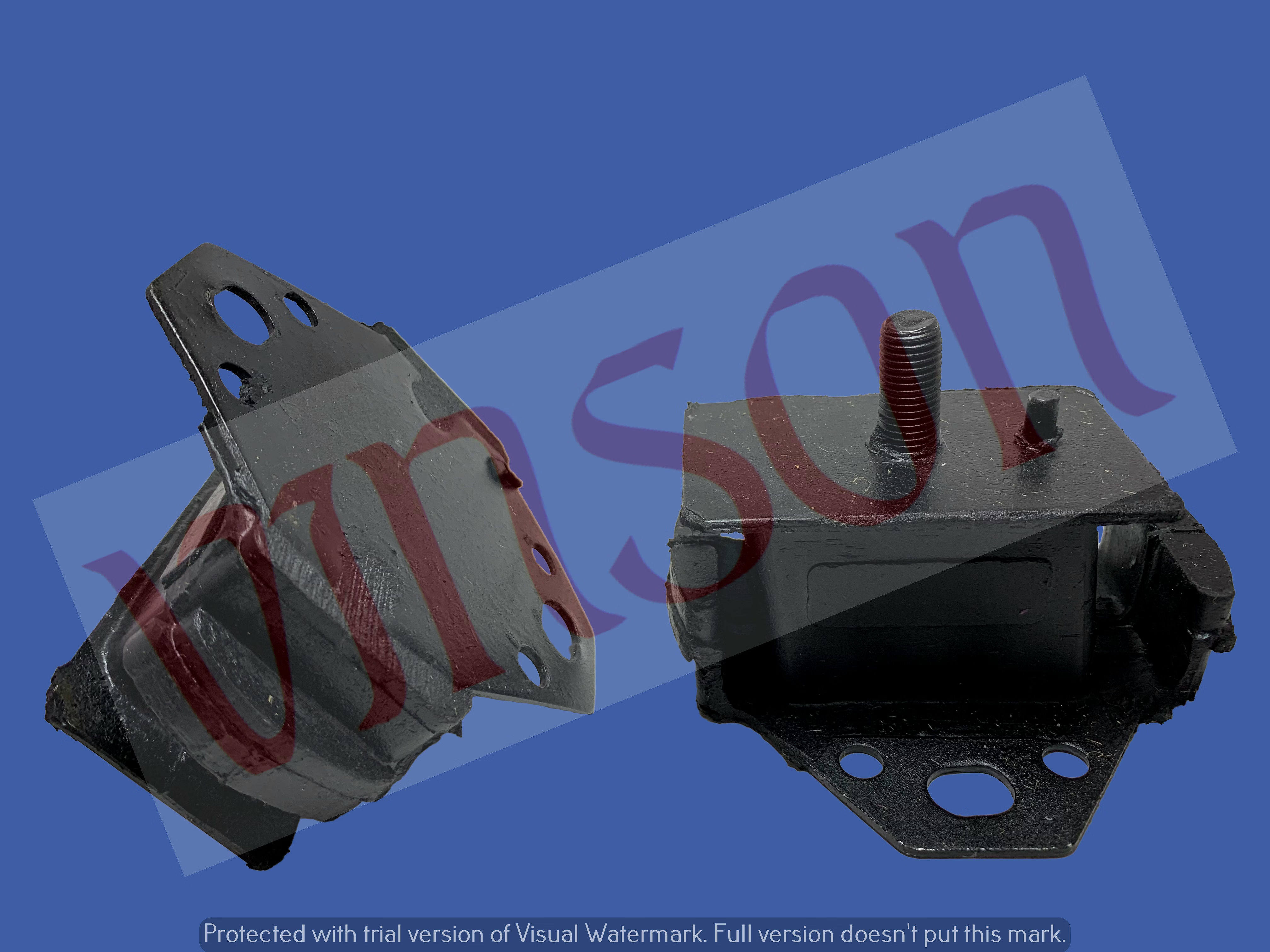
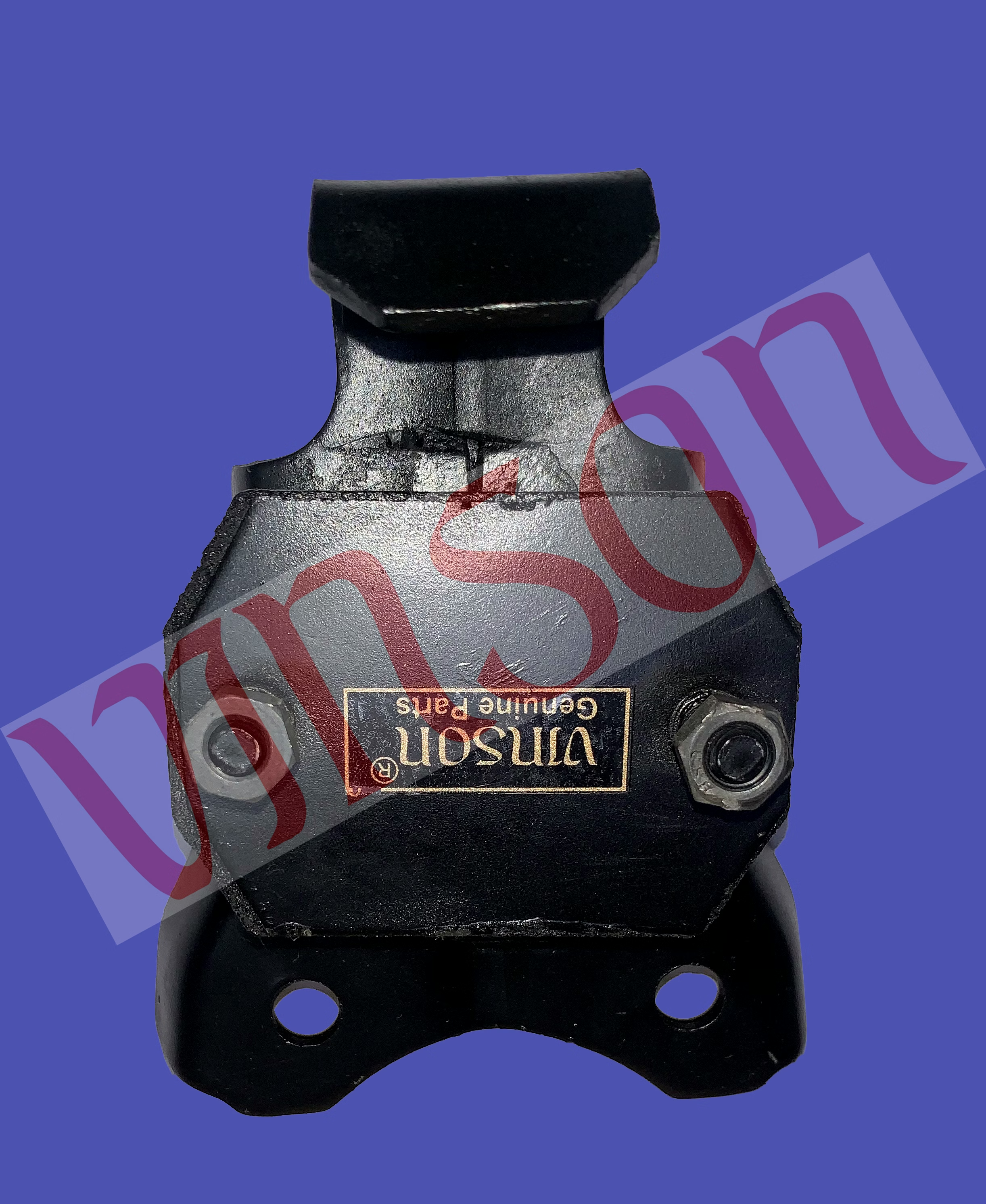
The Automobile Mounting, also known as a motor mount or isolator, is an essential automotive component designed specifically to secure the engine and transmission assembly firmly to the vehicle’s chassis or subframe. This mounting system ensures that the powertrain remains immovably positioned, maintaining precise alignment and stability even during intense driving maneuvers such as rapid acceleration, sharp deceleration, or traversing uneven road surfaces. Beyond its anchoring role, the automobile mounting serves as an advanced vibration isolator, effectively absorbing engine-generated shocks and vibrations. This dual-function design significantly reduces the transmission of noise and vibration into the passenger cabin, enhancing ride comfort and vehicle longevity. Crafted with durable and high-strength materials, this motor mount accommodates dynamic powertrain movements and thermal expansions while maintaining its structural integrity under rigorous operating conditions. Ideal for automotive manufacturers, repair shops, and fleet maintenance services, this engine mounting is engineered to meet stringent quality and safety standards to ensure optimal vehicle performance and passenger comfort.
Key Features
| Features | Description |
|---|---|
| Primary Function | Secures engine and transmission to vehicle chassis and isolates vibration and noise |
| Material | High-strength rubber and steel composite |
| Durability | Designed to withstand engine torque, heat, and road shocks |
| Vibration Isolation | Reduces transmission of engine noise and vibrations to passenger cabin |
| Compatibility | Fits a wide range of car engine types and chassis configurations |
| Installation | Easily mounted with standard fastening techniques |
| Performance Reliability | Maintains powertrain alignment under diverse driving conditions |
| Impact Resistance | Absorbs shocks from acceleration, deceleration, and road irregularities |
| Attributes | Description |
|---|---|
| Mount Type | Engine and Transmission Mount |
| Material Composition | Steel frame with rubber isolator pads |
| Load Capacity | Supports up to the engine's rated torque and weight |
| Temperature Range | -40°C to 120°C |
| Weight | Varies by engine size, typically between 1.5 to 3 kg |
| Dimensions | Customizable to vehicle make and model specifications |
| Mounting Hardware | High-grade bolts and fasteners included |
| Compliance | Meets OEM and ISO automotive standards |
*Disclaimer: The above description has been AI-generated and has not been audited or verified for accuracy. It is recommended to verify product details independently before making any purchasing decisions.
The engine mounting is engineered with high-grade rubber and steel composites that maintain structural integrity across a wide temperature range from -40°C to 120°C, accommodating thermal expansion and contraction without sacrificing durability or vibration isolation performance.
Yes, the mounting system is designed with universal compatibility in mind, allowing it to securely anchor both manual and automatic transmission assemblies while maintaining proper alignment and vibration damping.
This multi-component system combines the rigidity of steel with the flexibility of rubber isolators, providing enhanced vibration dampening without compromising the secure anchoring of the engine and transmission, leading to improved vehicle stability and passenger comfort.
Yes, the mount is built to handle high torque and load conditions typical in performance and heavy-duty vehicles, ensuring reliable powertrain support and vibration isolation under demanding operational stresses.
The product package includes high-grade bolts and fasteners suitable for standard installation procedures, along with detailed instructions to facilitate correct and secure mounting.
Country Of Origin: India
A car engine mounting (also known as a motor mount or isolator) is a critical, multi-component part designed to serve two primary functions:
Secure the Powertrain: It rigidly anchors the engine and transmission assembly to the vehicle's chassis or subframe, ensuring the entire unit remains securely positioned and aligned even during aggressive acceleration, deceleration, or bumps.
Isolate Vibration and Noise: It acts as a sophisticated shock absorber, preventing the intense vibrations and noise generated by the engine's operation from being transmitted directly into the passenger cabin.