Inclusive of all taxes
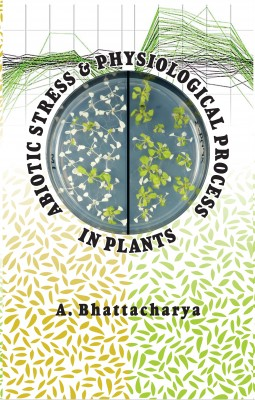
Abiotic Stress and Physiological Process in Plants is an essential hardback book by Amitav Bhattacharya that provides a comprehensive and in-depth examination of various abiotic stressors affecting plant health and physiological processes. The book serves as a crucial resource for scholars, researchers, and agricultural practitioners focusing on crop improvement and management. Each chapter discusses a different aspect of abiotic stress, ranging from its effects on seed germination and nitrogen fixation to transgenic approaches for enhancing drought tolerance. This scholarly work emphasizes the importance of understanding the physiological mechanisms in crops to improve yield, enabling better breeding and selection strategies.
Key Features
| Features | Description |
|---|---|
| Comprehensive Coverage | Examines all known abiotic stresses impacting plants. |
| Expert Contributors | Written by leading experts in the field, including Amitav Bhattacharya. |
| Research-Oriented Content | Based on the latest research developments in plant physiology. |
| Focus on Crop Yield Improvement | Provides insights to enhance breeding strategies for crop resilience. |
| Transgenic Approaches Included | Explores innovative techniques for improving drought tolerance. |
| Attributes | Description |
|---|---|
| Author | Amitav Bhattacharya |
| Format | Hardback |
| Number of Chapters | 8 |
| Publisher | Not specified |
| ISBN | Not specified |
*Disclaimer: The above description has been AI-generated and has not been audited or verified for accuracy. It is recommended to verify product details independently before making any purchasing decisions.
The book covers a range of topics including seed germination under stress, nitrogen fixation, crop growth and development, mineral nutrition, potential transgenic approaches for improving drought tolerance, and the effects of abiotic stress on respiration.
This book is targeted at researchers, scholars, and agricultural practitioners interested in crop physiology and those involved in the study of abiotic stress in plants.
Yes, the book is based on the latest research developments and provides valuable insights into improving crop resilience and yield through understanding physiological mechanisms.
Absolutely, one of the chapters is dedicated to transgenic approaches aimed at enhancing drought tolerance in plants.
While the book does review various stress impacts and solutions, it focuses on theoretical and research-based information rather than individual case studies.
Brand: nipa
Country Of Origin: India
This book aims to provide an in-depth examination of all known abiotic stresses and their impact on the various physiological processes in plants. The first chapter serves as an introduction to abiotic stress and its overall effects on crops, while the second chapter delves into the effects of stress on seed germination, seedling growth, and root development. The third chapter focuses on biological nitrogen fixation under abiotic stress, while the fourth chapter examines the growth, development, and phenology of crop plants under environmental stress. The fifth chapter explores the effects of abiotic stress on photosynthesis, and the sixth chapter discusses mineral nutrition and the role of different nutrients in overcoming abiotic stress. The seventh chapter focuses on transgenic approaches to enhance drought tolerance, while the eighth chapter examines the effects of abiotic stress on plant respiration.
This book aims to provide an in-depth examination of all known abiotic stresses and their impact on the various physiological processes in plants. The first chapter serves as an introduction to abiotic stress and its overall effects on crops, while the second chapter delves into the effects of stress on seed germination, seedling growth, and root development. The third chapter focuses on biological nitrogen fixation under abiotic stress, while the fourth chapter examines the growth, development, and phenology of crop plants under environmental stress. The fifth chapter explores the effects of abiotic stress on photosynthesis, and the sixth chapter discusses mineral nutrition and the role of different nutrients in overcoming abiotic stress. The seventh chapter focuses on transgenic approaches to enhance drought tolerance, while the eighth chapter examines the effects of abiotic stress on plant respiration. These review chapters highlight the importance of understanding the physiological mechanisms of crops in improving crop yield. The study of crop physiology can assist cereal breeding by improving our understanding of the factors that determine crop yield and adaptation, defining secondary traits to select, indicating the kind of genetically modified organisms with potential for development and how to test them, and phenotyping associated with marker-assisted selection.
Content
1. Abiotic Stress: An Introduction by A. Bhattacharya 2. Seed Germination, Seedling Growth and Root Development Under Abiotic Stresses by A. Bhattacharya 3. Nitrogen Fixation Under Salinity, Low and High Temperature and Moisture by Raj Bahadur 4. Growth, Development and Phenology Under Abiotic Stress Condition by A. Bhattacharya 5. Photosynthesis Under Abiotic Stress Conditions by A. Bhattacharya 6. Abiotic Stress and Mineral Nutrition in Plants by A. Bhattacharya 7. Transgenic Approaches for Enhanced Drought Tolerance (EDT) in Plants by Alok Das, Shallu Thakur, P.S. Basu and N.P. Singh 8. Abiotic Stresses and Respiration in Plants by A. Bhattacharya
Inclusive of all taxes
You Save: 0
North Delhi , India
Service Provider , Manufacturer, Professional Services, Brand Owner, Distributor, Exporter, Importer, Wholesaler, Startup