

Our Products
Showing 1-4 of 4 products
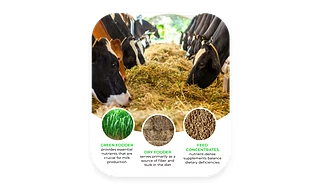
dry grass
fodder crops are cultivated primarily for animal feed
fodder include hay straw silage
Types of Fodder:
• Hay: Dried grasses and legumes, often stored in bales.
• Straw: The stalks of cereal crops after the grain has been harvested.
• Silage: Fermented, green forage, typically grasses or corn, that is stored in airtight conditions.
• Grain and Legumes: Seeds of crops like maize, sorghum, and various legumes, which can be fed whole, cracked, or processed.
• Fodder Crops: Plants specifically grown for animal feed, such as Napier grass, Guinea grass, and various legumes according to the Department of animal husbandry and dairying.
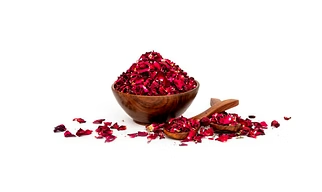
DRY ROSE
Uses and Benefits:
Tea and Infusions:
Dried rose petals are a popular ingredient in herbal teas, offering a soothing and aromatic drink.
Soothing and Calming Effects:
The fragrance and properties of dried roses can promote relaxation and reduce stress.
Skin Benefits:
Dried rose petals can be used in skincare to soothe, soften, and brighten the skin.
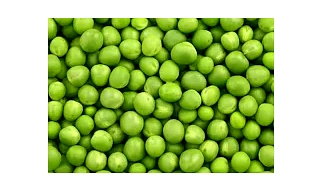
FROZEN PEAS
(80-gram) serving of cooked peas provides the following nutrients
Calories: 67
Carbs: 12.5 grams
Fiber: 4.4 grams
Protein: 4.3 grams
Vitamin A: 3.6% of the DV
Vitamin K: 17% of the DV
Vitamin C: 12.6% of the DV
Thiamine: 17% of the DV
Folate: 12.6% of the DV
Manganese: 18% of the DV
Iron: 6.8% of the DV
Phosphorus: 7.5% of the DV
What makes peas unique from other vegetables is their high protein content. For example, a 1/2 cup (78 grams) of cooked carrots has only 0.6 grams of protein, while 1/2 cup (80 grams) of peas contains seven times that amount (1Trusted Source, 2Trusted Source).
They are also rich in polyphenol antioxidants, which are likely responsible for many of their health benefits
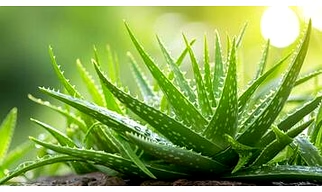
ALOVERA
Aloe vera is a popular medicinal plant with various uses, primarily known for its ability to soothe and heal skin conditions like burns, cuts, and sunburn. It also has anti-inflammatory, antimicrobial, and wound-healing properties, making it beneficial for managing various ailments.
Key Medicinal Uses of Aloe Vera:
• Skin Conditions:
• Burns and Sunburn: Aloe vera gel is widely used to soothe and heal burns, sunburns, and other minor skin injuries.
• Wounds and Cuts: It can accelerate wound healing and reduce inflammation.
• Acne: Aloe vera's antibacterial properties can help treat acne.
• Psoriasis: It can help reduce inflammation and relieve itching associated with psoriasis.
• Other Skin Conditions: Aloe vera may also help with cold sores, insect bites, and eczema.
• Digestive Health:
• Constipation: The latex in aloe vera can act as a natural laxative.
• Heartburn: Aloe vera's soothing and anti-inflammatory effects may help relieve heartburn symptoms.


 GL Trustmark