
Our Products
Showing 1-6 of 6 products

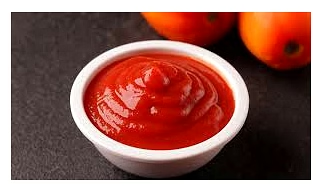
Tomato Ketchup All type Sauce & Terry Towels
Features
- Premium quality Tomato Ketchup All type Sauce
- Versatile Terry Towels for multiple kitchen uses
- Enhances food taste with rich flavor
- Soft and absorbent for effective cleaning
- Convenient combo for a well-equipped kitchen
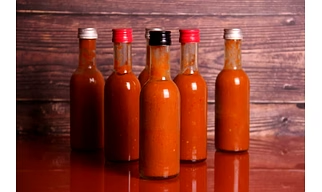
RED CHILLI SAUCE
Red chili sauce is a versatile, flavorful condiment known for its spicy kick, made primarily from red chili peppers and often including ingredients like garlic, vinegar, and spices. It serves as a dip for snacks, a seasoning for Indo-Chinese dishes and noodles, a base for marinades, and a topping for pizzas and pasta. The sauce offers a bold, fiery, and sometimes tangy flavor with a smooth texture, making it a popular choice for spice lovers.
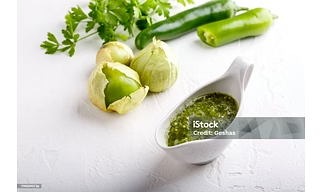
GREEN CHILLI SAUCE
Green chilli sauce is a versatile, spicy, and tangy condiment made primarily from green chili peppers, vinegar, and salt, often with other ingredients like garlic, ginger, or coriander. It provides a sharp, crisp heat and fresh flavor, serving as a dip for snacks, a marinade for proteins, or an ingredient to enhance Asian, Indian, and other dishes. Variations exist in flavor, intensity, and consistency
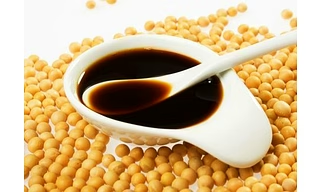
SOYA SAUCE
Soy sauce is traditionally made by fermenting soybeans, wheat, salt, and water. The process involves incubating soybeans and wheat with a mold (like Aspergillus) to create a mash called koji. This koji then undergoes a long brine fermentation with salt, where enzymes break down proteins into amino acids and starches into sugars, developing flavor. Finally, the fermented liquid is pressed to extract the soy sauce, which is then pasteurized, filtered, and bottled.
Key Steps in Soy Sauce Production
Prepare the Ingredients: Whole soybeans are soaked and steamed, while wheat is roasted and ground.
Make Koji: The cooked soybeans and wheat are mixed with a mold culture, such as Aspergillus, and incubated for a few days. This mixture is called koji.
Brine Fermentation: The koji is mixed with a salt solution and allowed to ferment for several months or even up to a year.
Aging and Pressing: During fermentation, the mold's enzymes break down the soy and wheat, creating amino acids for umami and simple sugars.
Pressing and Refining: After fermentation, the mash is pressed to extract the liquid soy sauce.
Pasteurization: The extracted liquid is heated to kill any remaining bacteria or yeasts, ensuring a stable product.
Packaging: The pasteurized soy sauce is then filtered and bottled for sale.
Variations
Traditional vs. Acid Hydrolysis: Most high-quality soy sauces are naturally brewed through fermentation, while some commercial versions use a faster, chemical method called acid hydrolysis.
Tamari: A Japanese soy sauce made with only soybeans, omitting wheat for a gluten-free option.
Dark vs. Light: Dark soy sauces are aged longer, are thicker, and often have molasses or caramel added for a sweeter, richer flavor and color.
How Is Soy Sauce Made and Is It Bad for You? - Healthline
7 Dec 2017 — Traditional Production. Traditional soy sauce is made by soaking soybeans in water and roasting and crushing the wheat.
Healthline
Different Types of Soy/Soya Sauce Explained - Spice Nest
Soy sauce is traditionally made from four primary ingredients: soybeans, wheat, salt, and water. The soybeans provide proteins, wh...
Spice Nest
Soy sauce - Wikipedia
Traditional soy sauces are made by mixing soybeans and grain with mold cultures such as Aspergillus oryzae and other related micro...



 GL Trustmark