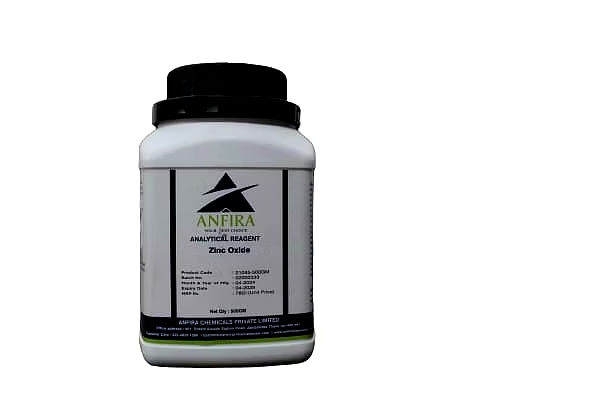
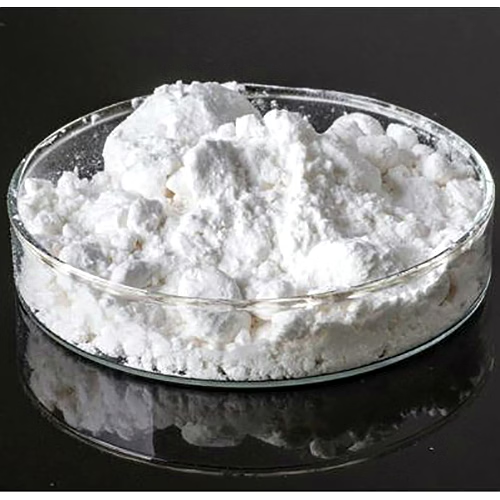
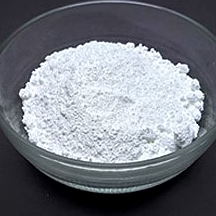
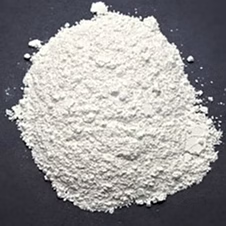
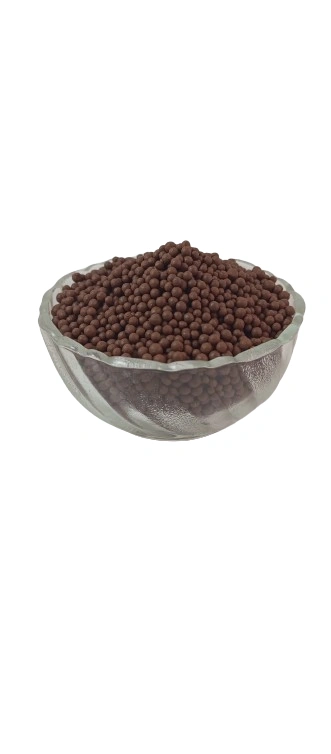
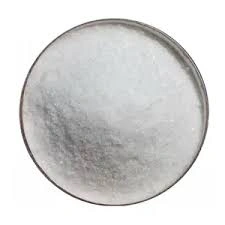
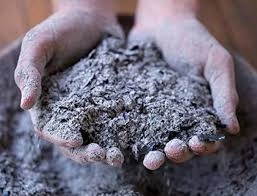
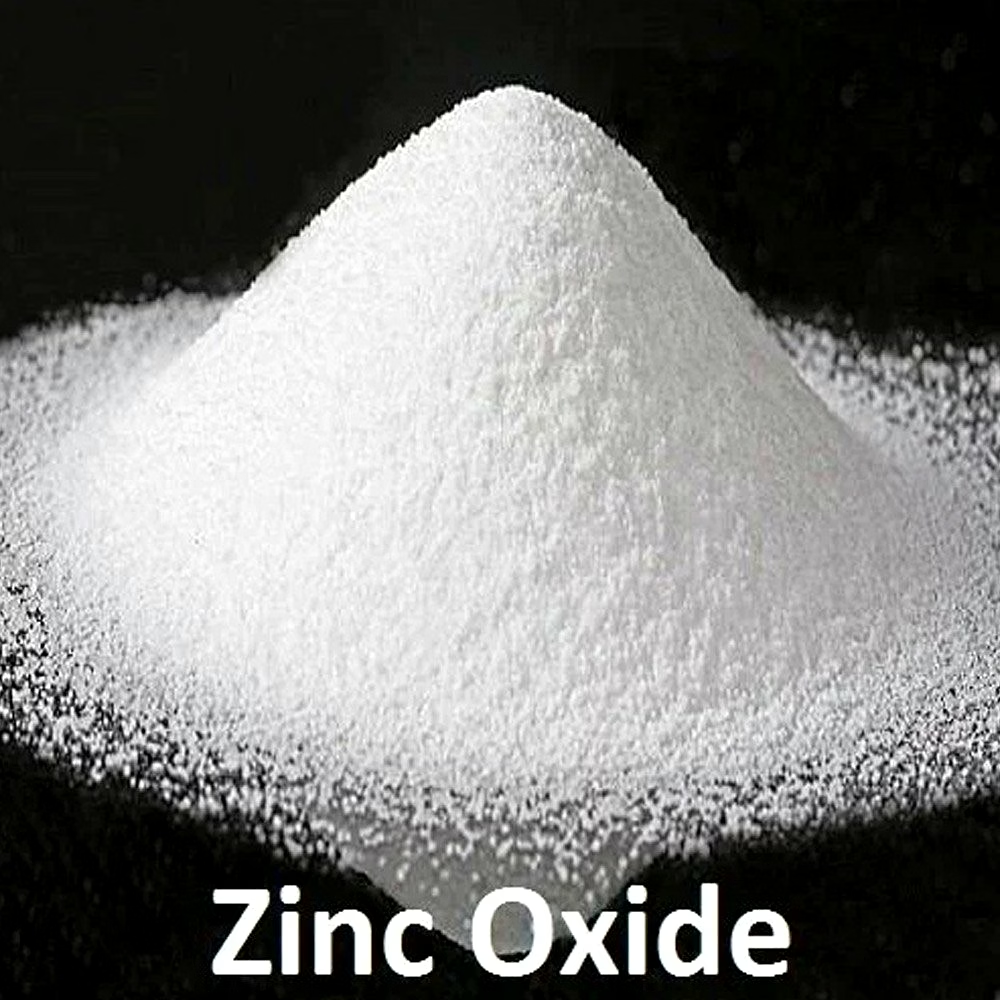
Zinc Oxide (ZnO), with CAS number 1314-13-2, is a white solid inorganic compound known for its odorless nature and high purity. It has a molar mass of 81.406 g/mol and a density of 5.6 g/cm3. Boasting a high melting point of 1974°C and a boiling point of 2360°C, zinc oxide is thermally stable and chemically inert under standard application conditions. Commonly referred to as Zinc white, Calamine, Philosopher’s wool, Chinese white, and Flowers of Zinc, this compound is extensively used as a micronutrient fertilizer in agriculture. It plays a critical role in correcting zinc deficiencies in soil and can be applied directly to the soil, used in root dipping protocols, or employed in seed coating treatments to enhance crop yield and quality. Moreover, zinc oxide serves as an essential ingredient in foliar sprays, particularly effective with fruit trees and grapevines for improved nutrient uptake and growth enhancement. Zinc oxide is supplied under FOB/CIF terms with payments accepted via 100% advance or letter of credit (LC), ensuring secure and reliable trade for businesses. Ideal for agricultural chemical manufacturers, fertilizer suppliers, and large-scale farming operations looking to optimize zinc micronutrient delivery, this zinc oxide product adheres to industrial-grade quality standards.
Key Features
| Features | Description |
|---|---|
| Chemical Formula | ZnO |
| CAS Number | 1314-13-2 |
| Physical Appearance | White solid, odorless |
| Molar Mass | 81.406 g/mol |
| Density | 5.6 g/cm3 |
| Melting Point | 1974 °C |
| Boiling Point | 2360 °C |
| Common Names | Zinc white, Calamine, Philosopher’s wool, Chinese white, Flowers of Zinc |
| Primary Application | Micronutrient fertilizer for zinc deficiency correction |
| Usage Methods | Soil application, root dipping, seed coating, foliar spray ingredient |
| Trade Terms | FOB/CIF with 100% advance payment or LC |
| Attributes | Description |
|---|---|
| HS Code | 28170010 |
| Odor | Odorless |
| Incoterms | FOB/CIF |
| Payment Terms | 100% Advance / Letter of Credit |
| Intended Use | Agricultural micronutrient fertilizer |
| Dominant Crop Usage | Fruit trees and grapevines |
| Purity Level | Industrial grade (specific purity to be confirmed upon request) |
| Packaging Options | Available upon request |
| Storage Recommendations | Store in a cool, dry, well-ventilated place away from incompatible materials |
*Disclaimer: The above description has been AI-generated and has not been audited or verified for accuracy. It is recommended to verify product details independently before making any purchasing decisions.
This zinc oxide is primarily used as a micronutrient fertilizer to correct zinc deficiency in soils. It can be directly applied to soil, used for root dipping of seedlings, coated on seeds before transplant, and included as an ingredient in foliar sprays, especially for fruit trees and grapevines.
Yes, zinc oxide is widely used as an ingredient in foliar sprays for fruit trees and grapevines, enhancing nutrient absorption and promoting healthy crop development.
The product is available under FOB/CIF terms, with payment made via 100% advance or letter of credit (LC), ensuring secure transactions for exporters and importers.
Yes, it is designed for direct soil application to address zinc deficiencies and optimize crop nutrient uptake.
The product is compliant with Indian regulatory standards and can be legally traded and used as a micronutrient fertilizer.
Brand: mce
Country Of Origin: India
HS CODE 28170010
Formula Zno
Other Names Zinc white, Calamine, Philosopher’s wool,
Chinese white, flowers of Zinc
CAS Number 1314-13-2
Molar Mass 81.406 g/mol
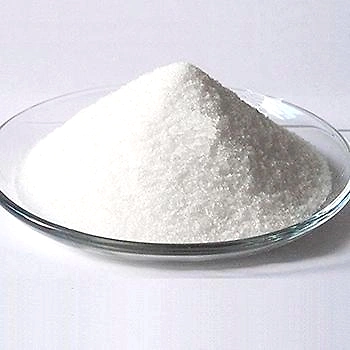
Appearance White Solid
Odor Odorless
Density 5.6 g/cm3
Melting Point 19740C ( 35850F, 2247 K)
Boiling Point 23600C ( 42800F, 2630K)
Incoterms FOB/CIF
Payment 100% Advance / LC
The use of zinc oxide as an inorganic micronutrient fertilizer includes direct application to soils to correct the zinc deficiency, root dipping and seed coating before crop transplant but also as ingredient for foliar applications of zinc. These are widely used, especially with fruit trees and grapevines.