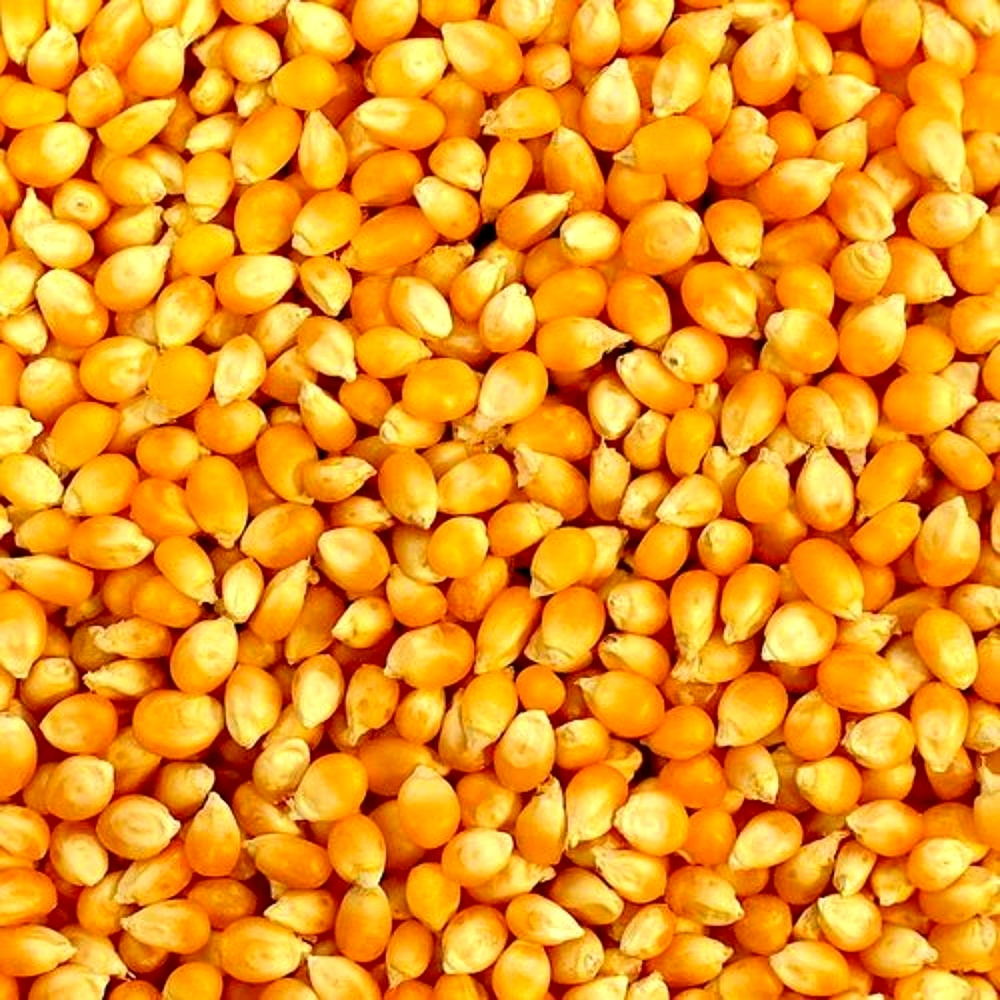
Yellow Maize is a high-quality cereal grain widely cultivated for its nutritional value and versatile applications in the agricultural and food industries. Known for its vibrant yellow color, this maize variant is rich in carotenoids, particularly beta-carotene, which is a precursor to Vitamin A, making it an essential ingredient in poultry feed, livestock nutrition, and human food products. Its sturdy grains ensure excellent yield and durability under varied climatic conditions. Yellow maize is particularly favored for animal feed due to its high energy content and digestibility, boosting livestock performance. In addition, it is processed into various maize-based products such as cornmeal, grits, and corn flour for use in food manufacturing. Its consistent quality and yield reliability make it a preferred choice among agribusinesses and food producers looking for sustainable and nutritious maize options.
Key Features
| Features | Description |
|---|---|
| Grain Color | Vibrant Yellow |
| Nutrient Content | Rich in beta-carotene (Vitamin A precursor) |
| Primary Use | Animal feed, human food products, and industrial processing |
| Energy Content | High energy value suitable for livestock nutrition |
| Climate Adaptability | Good resistance to varied environmental conditions |
| Yield | Consistent and high grain yield |
| Processing | Suitable for milling into cornmeal, flour and grits |
| Storage | Long shelf-life when properly stored |
| Pest Resistance | Moderate natural resistance to common pests |
| Attributes | Description |
|---|---|
| Maize Variant | Yellow Maize |
| Moisture Content | Approximately 12-14% for optimal storage |
| Protein Content | 8-10% |
| Carotenoid Content | 7-12 mg/kg |
| Packing | Bulk bags, sacks, and custom packaging available |
| Origin | Varies by supplier; imported or locally sourced |
| Shelf Life | 12 months under recommended storage |
| Purity | Over 98% kernel purity |
| Physical Form | Whole dry kernels |
*Disclaimer: The above description has been AI-generated and has not been audited or verified for accuracy. It is recommended to verify product details independently before making any purchasing decisions.
Yellow maize contains higher levels of beta-carotene which enhances its nutritional value for livestock, providing essential Vitamin A precursors that support animal health and productivity.
Yes, yellow maize is widely used for human food processing including products like cornmeal, grits, and flour, due to its rich nutrient content and processing qualities.
The moisture content usually ranges between 12-14%, which is optimal for long-term storage and prevents spoilage or fungal growth during warehousing.
Higher carotenoid content, specifically beta-carotene, increases the maize's nutritional value, making it more beneficial for animal feed and food uses that target vitamin supplementation.
The yellow maize has moderate natural resistance to common pests, though appropriate storage and handling are essential to maintain quality.
Country Of Origin: India