
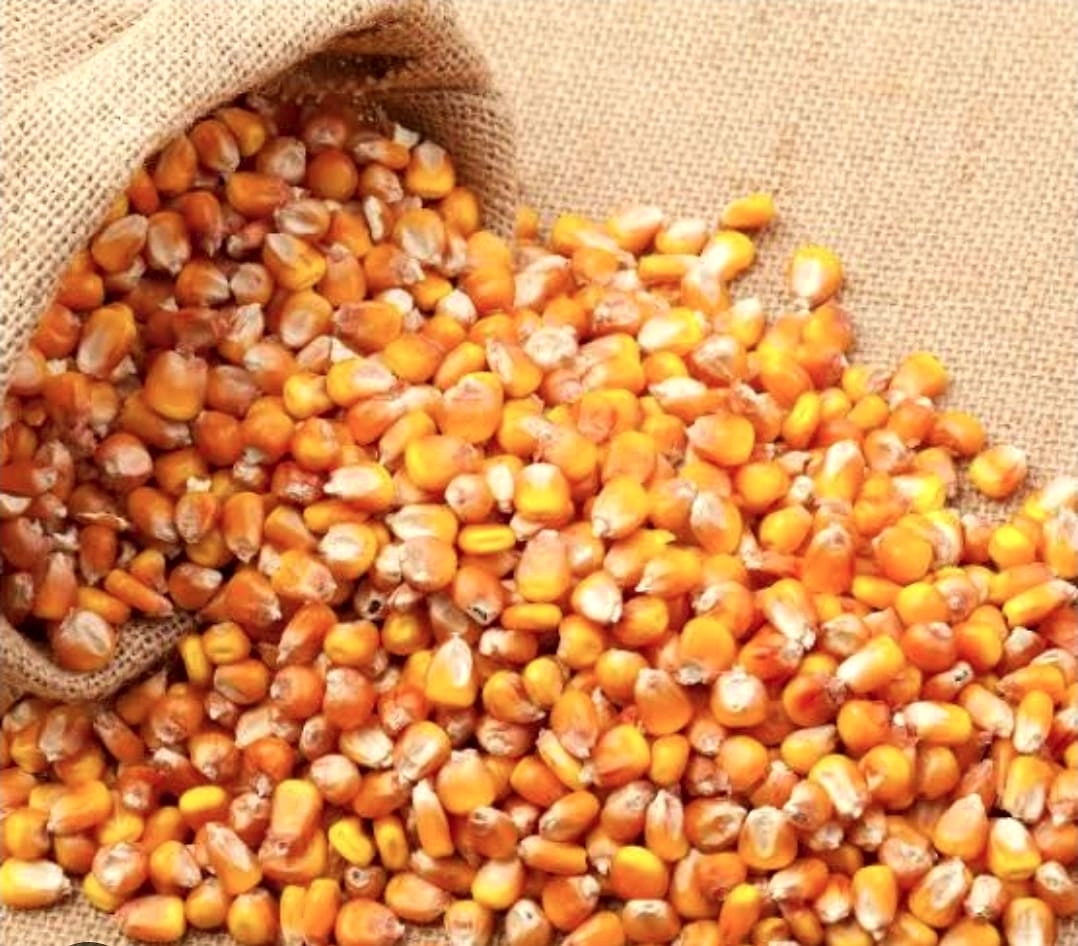
Yellow Maize (Zea mays) is a vibrant, nutrient-rich cereal grain renowned for its bright yellow kernels and firm, glossy texture. Cultivated extensively worldwide, it serves multiple sectors including food, feed, and industrial applications. Each kernel is packed with essential carbohydrates, dietary fiber, Vitamin A derived from beta-carotene, B-complex vitamins, magnesium, and iron, along with powerful antioxidants like lutein and zeaxanthin that promote eye health. Its gluten-free nature makes it an excellent choice for celiac diets. In the culinary world, Yellow Maize is versatile—consumed roasted or boiled, processed into flour to prepare traditional foods such as makki ki roti and tortillas, and utilized in breakfast cereals, popcorn, and diverse snacks. The agricultural suitability of Yellow Maize includes thriving in warm climates with moderate rainfall, favoring fertile and well-drained soils, and is harvested at kernel maturity for optimum quality. Additionally, it plays a significant role in animal nutrition and is a fundamental raw material in the production of starch, oils, and alcohol, making it an indispensable crop globally.
Key Features
| Features | Description |
|---|---|
| Scientific Name | Zea mays |
| Color and Appearance | Bright yellow kernels, firm and glossy grains |
| Nutritional Content | High in carbohydrates, dietary fiber, Vitamin A, B-complex, magnesium, iron |
| Antioxidants | Contains lutein and zeaxanthin for eye health |
| Diet Compatibility | Gluten-free, suitable for celiac diets |
| Culinary Uses | Roasted/boiled consumption, flour for makki ki roti, tortillas, cereals, snacks |
| Agricultural Requirements | Thrives in warm climates, moderate rainfall, fertile and well-drained soil |
| Industrial Uses | Raw material for starch, oil, animal feed, and alcohol production |
| Height of Plant | Up to 10 feet tall stalks |
| Attributes | Description |
|---|---|
| Kernel Arrangement | Rows on cob |
| Common Names | Peela Makkai (Hindi), Cholam (Tamil), Mokka Jonna (Telugu), Makki (Punjabi) |
| Harvesting Time | When kernels are mature and dry |
| Grain Texture | Firm and round |
| Soil Type | Fertile and well-drained |
| Climate Preference | Warm with moderate rainfall |
| Dietary Fiber Content | Rich |
| Vitamin A Source | Beta-carotene |
| Use in Feed | Widely used in animal feed formulations |
*Disclaimer: The above description has been AI-generated and has not been audited or verified for accuracy. It is recommended to verify product details independently before making any purchasing decisions.
Yellow Maize is harvested when kernels are fully mature and dry, typically having a moisture content below 14% to ensure optimal storage and prevent spoilage.
Yes, Yellow Maize is naturally gluten-free, making it an excellent choice for gluten-intolerant consumers and celiac safe food products.
This variety thrives best in fertile, well-drained soils with good organic content under warm climate conditions with moderate rainfall.
Yes, this Yellow Maize serves as a key raw material in industries producing starch, oil, and alcohol, due to its high carbohydrate and nutrient content.
Absolutely, the firm, round kernels of this Yellow Maize are ideal for milling into flour used for preparing makki ki roti and various other traditional flatbreads.
Country Of Origin: India
Yellow Maize, also known as yellow corn, is a highly nutritious cereal grain that belongs to the grass family (Poaceae). It is one of the most widely cultivated crops in the world and serves as a key food, feed, and industrial crop.
Scientific Name: Zea mays
Common Names: Yellow Maize (English), Peela Makkai (Hindi), Cholam (Tamil), Mokka Jonna (Telugu), Makki (Punjabi)
Appearance:
Bright yellow kernels arranged in rows on a cob
Firm, round, and glossy grains
Grown on tall green stalks reaching up to 10 feet
Nutritional Value (per 100g, approx.):
Rich in carbohydrates and dietary fiber
Contains Vitamin A (from beta-carotene), B-complex vitamins, and minerals like magnesium and iron
Provides natural antioxidants like lutein and zeaxanthin, good for eye health
Health Benefits:
Boosts energy due to high carbohydrate content
Supports vision and skin health (rich in carotenoids)
Aids digestion and promotes gut health
Gluten-free and suitable for celiac diets
Uses:
Consumed as roasted or boiled corn
Ground into flour for making makki ki roti, tortillas, and snacks
Used in breakfast cereals, popcorn, cornmeal, and processed foods
Widely used in animal feed and as raw material for starch, oil, and alcohol production
Agricultural Info:
Grows well in warm climates with moderate rainfall
Requires fertile, well-drained soil
Harvested when kernels are fully mature and dry

