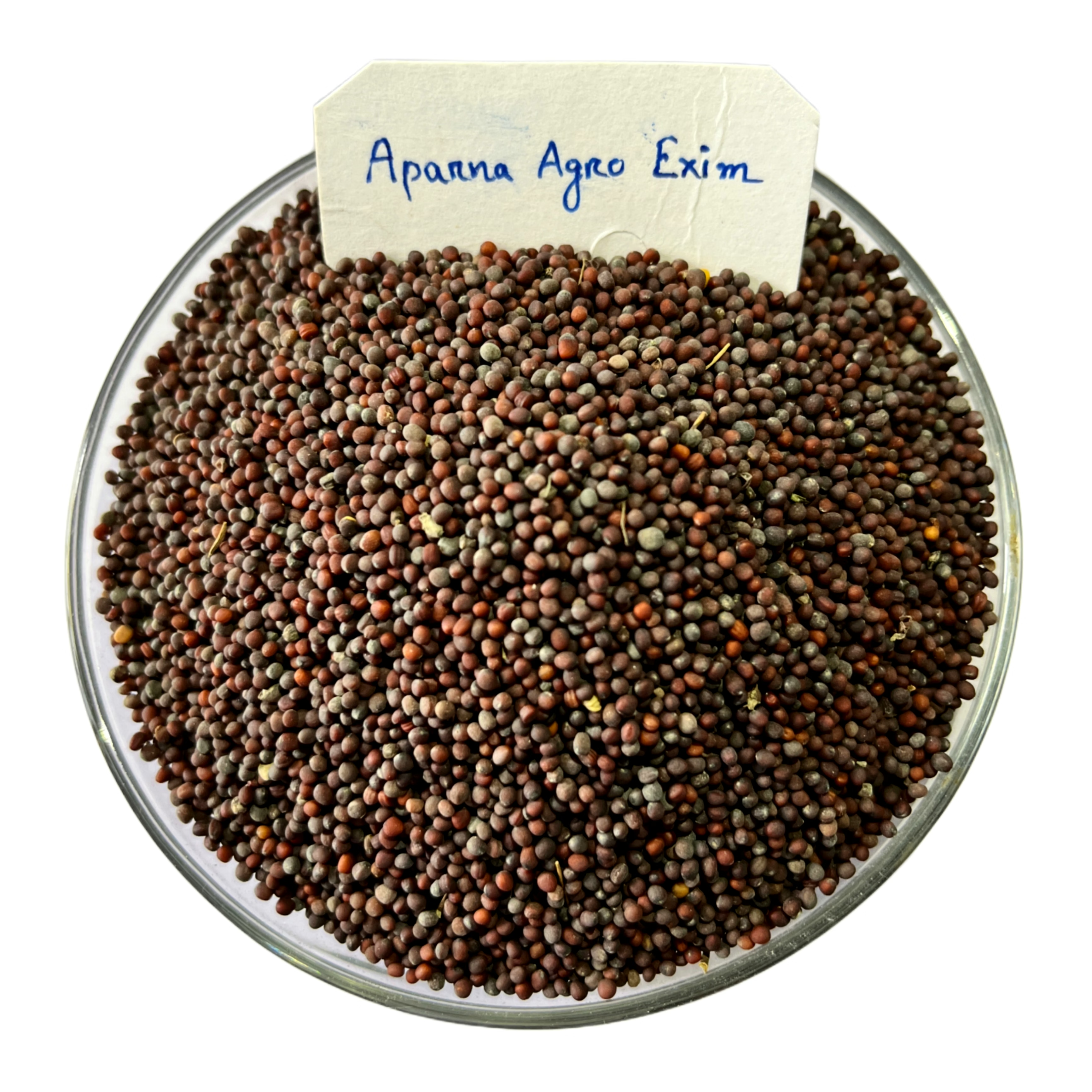
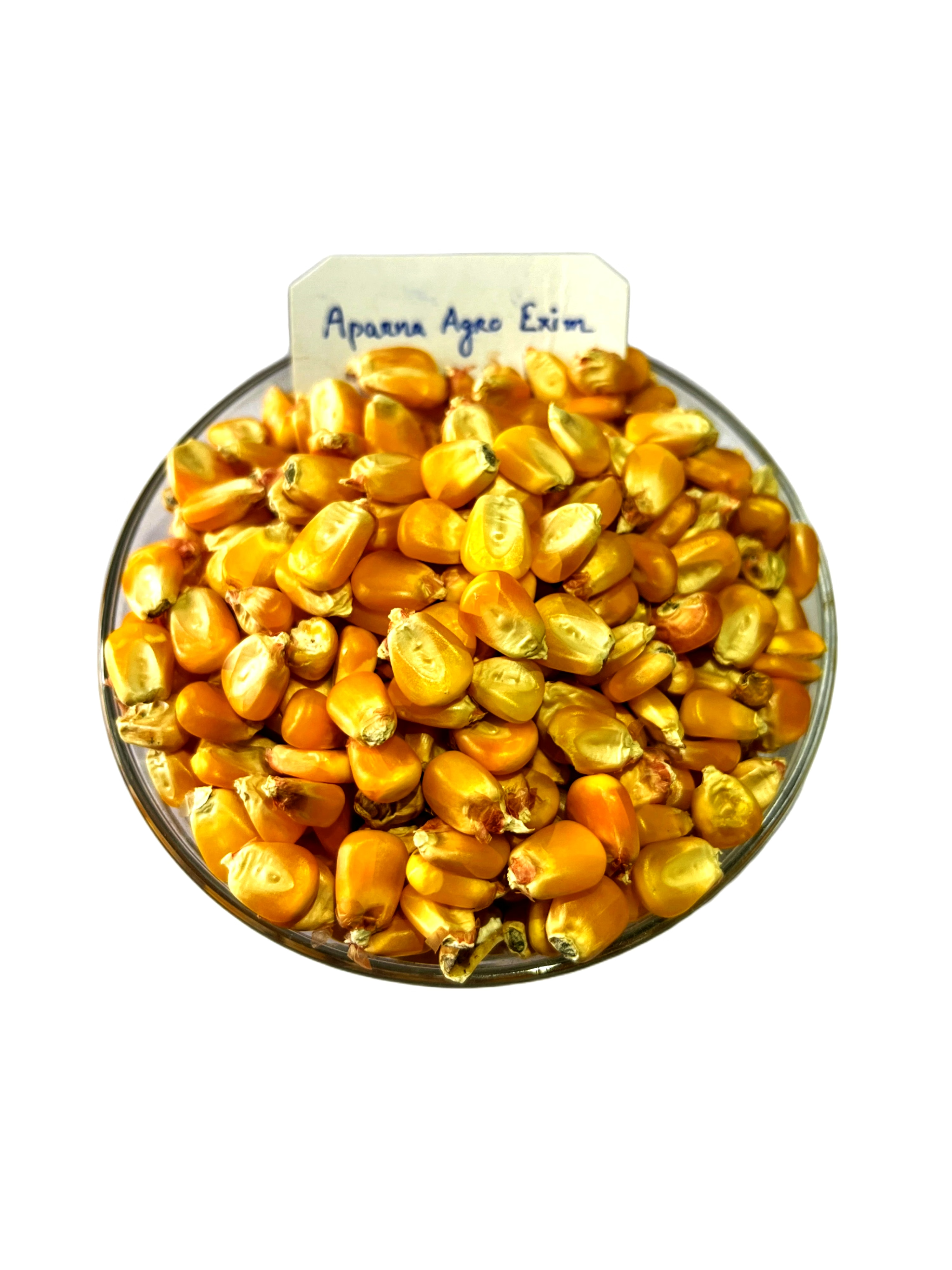
Yellow Maize, known as the queen of cereals, is a highly adaptable and versatile crop with significant genetic yield potential. This staple cereal can be cultivated across diverse seasons and ecologies, making it a reliable partner in agriculture. The bright yellow kernels are not only visually distinctive but also rich in essential carbohydrates, proteins, and vitamins, providing substantial nutritional value for human consumption and animal feed. Industrially, yellow maize serves as a critical raw material in ethanol production and the manufacturing of starch-based products such as adhesives and biodegradable plastics. Our yellow maize is sourced with stringent quality assurance protocols, meeting international quality standards to deliver premium-grade grains. Its cultivation fosters sustainable agriculture and supports renewable energy initiatives, making it an economically and environmentally prudent choice. Suitable for food industries, livestock feed production, and industrial manufacturing, yellow maize continues to grow as a demanded commodity worldwide, reflecting its multifaceted applications and benefits.
Key Features
| Features | Description |
|---|---|
| Crop Adaptability | Can be grown in diverse seasons and ecological conditions |
| Nutritional Content | Rich in carbohydrates, proteins, and essential vitamins |
| Applications | Used in food products, animal feed, and industrial sectors |
| Quality Assurance | Undergoes rigorous quality checks conforming to international standards |
| Sustainability | Supports sustainable agriculture and renewable energy production |
| Economic Impact | Contributes significantly to agricultural and industrial economies |
| HS Code | 100590 - Yellow Maize |
| Grain Color | Bright yellow |
| Industrial Uses | Ethanol, starch-based adhesives, biodegradable plastics |
| Attributes | Description |
|---|---|
| Scientific Name | Zea mays |
| Grain Type | Yellow maize kernels |
| Physical Form | Dried whole grains |
| Moisture Content | Typically below 14% for storage stability |
| Packaging | Bulk bags, jute sacks, or according to buyer specifications |
| Shelf Life | 12-18 months if stored under recommended conditions |
| Origin | Sourced from diverse agricultural regions |
| Usage | Food processing, animal feed, industrial ethanol, and starch products |
| Compliance Standard | Meets international food safety and quality norms |
*Disclaimer: The above description has been AI-generated and has not been audited or verified for accuracy. It is recommended to verify product details independently before making any purchasing decisions.
The yellow maize is supplied with moisture content typically below 14% to ensure long shelf life and prevent spoilage during storage.
Yes, this yellow maize is suitable for ethanol production as it contains adequate starch content required for fermentation processes.
Our yellow maize meets international food safety and quality standards, making it suitable for both food processing and animal feed applications.
We offer flexible packaging options including bulk bags and jute sacks, which can be customized as per buyer requirements.
Yes, the cultivation and use of this yellow maize support sustainable agricultural practices and promote renewable energy solutions such as ethanol.
Country Of Origin: India
It is one of the most versatile emerging crops having wider adaptability. Globally, maize is known as queen of cereals because of its highest genetic yield potential. Maize is the only food cereal crop that can be grown in diverse seasons, ecologies and uses.
HS CODE- 100590
Yellow Maize - Your Reliable Agricultural Partner
[Introduction]
- Welcome to our presentation on Yellow Maize, a versatile and essential agricultural commodity.
- Today, we will explore the numerous benefits and applications of yellow maize, highlighting why it's a smart choice for your agricultural needs.
[Overview of Yellow Maize]
- Yellow maize, also known as corn, is a staple crop globally.
- It is renowned for its vibrant color and nutritional richness, offering essential carbohydrates, proteins, and vitamins.
[Applications and Uses]
- *Food Industry:* Used in various food products such as cornmeal, corn flour, corn oil, and snacks.
- *Animal Feed:* High-energy feed for livestock and poultry, ensuring optimal growth and health.
- *Industrial Sector:* Key ingredient in ethanol production and manufacturing of starch-based products like adhesives and biodegradable plastics.
[Benefits of Yellow Maize]
- *Nutritional Value:* Provides essential nutrients for both human consumption and animal feed.
- *Versatility:* Diverse applications across food, feed, and industrial sectors.
- *Economic Impact:* Contributes to agricultural economies globally through its extensive use and demand.
[Quality Assurance]
- Our yellow maize undergoes rigorous quality control measures from cultivation to delivery.
- We ensure adherence to international standards, guaranteeing premium quality and safety.
[Sustainability and Environmental Impact]
- Maize cultivation supports sustainable agricultural practices.
- Ethanol production from maize promotes renewable energy sources, reducing carbon footprint.
[Market Overview]
- Global demand for yellow maize continues to grow steadily.
- Market trends indicate increasing use in food, feed, and industrial applications.
[Conclusion]
- Yellow maize is a versatile and indispensable crop with numerous benefits across various industries.
- Choose us as your partner in agricultural excellence and sustainability.