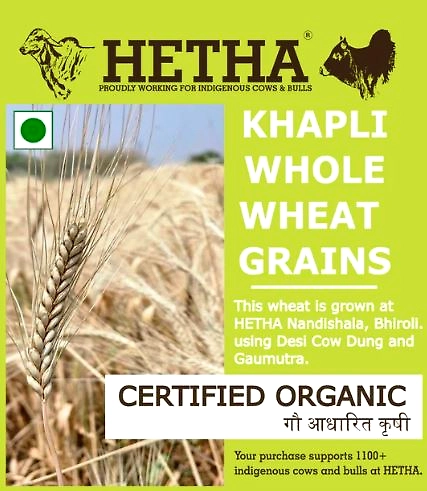
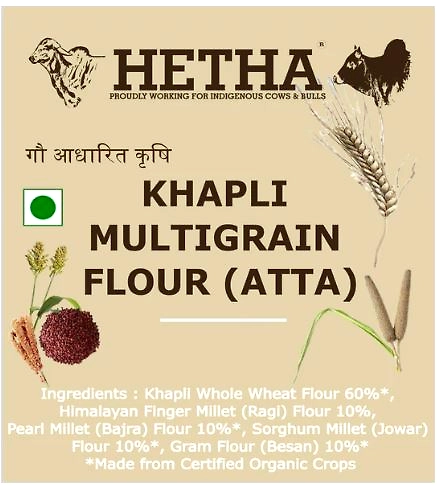
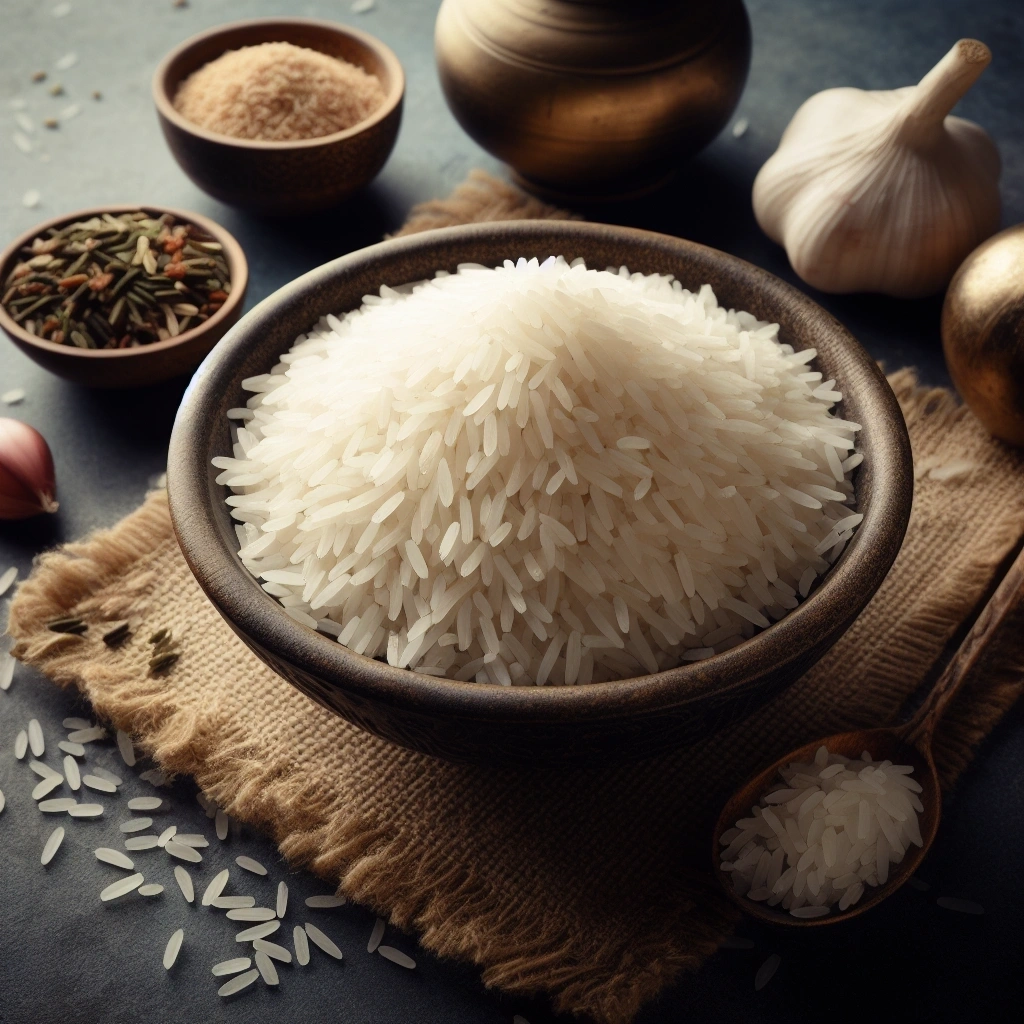
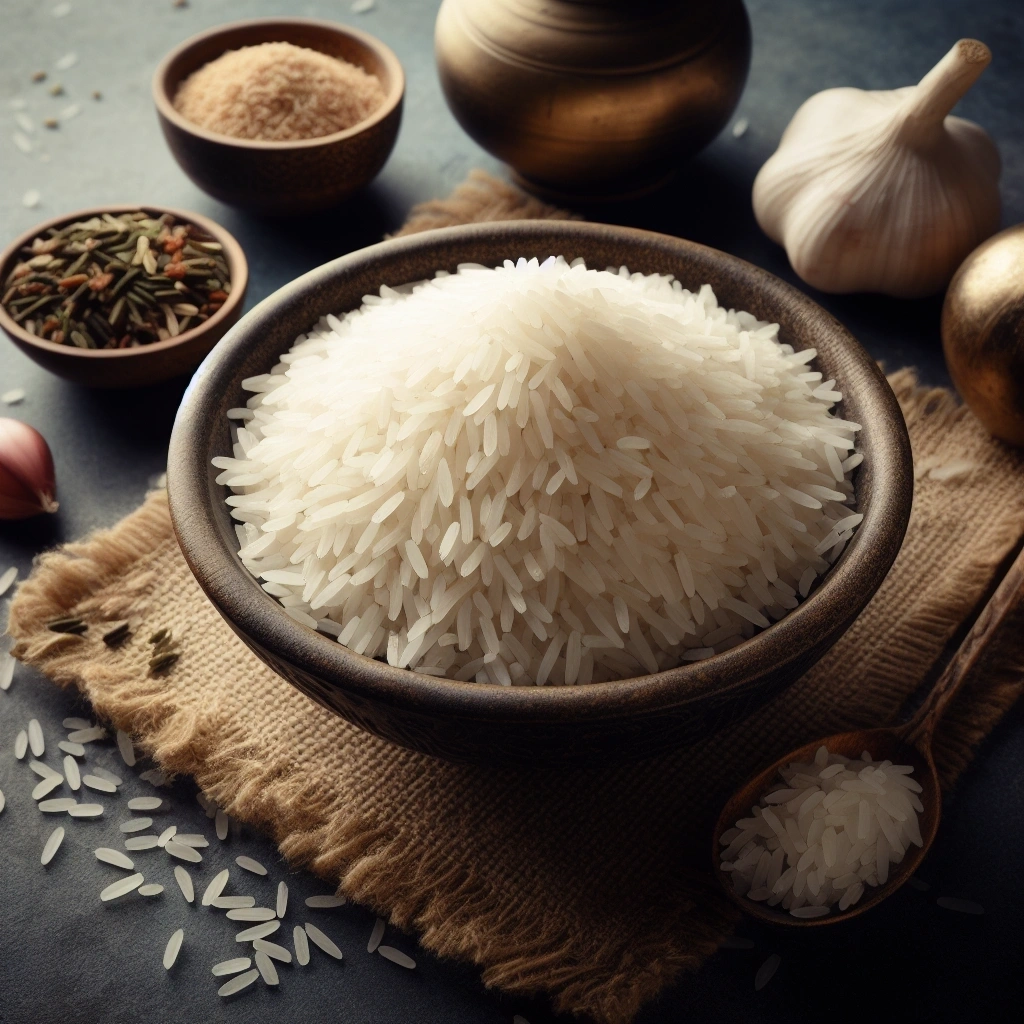
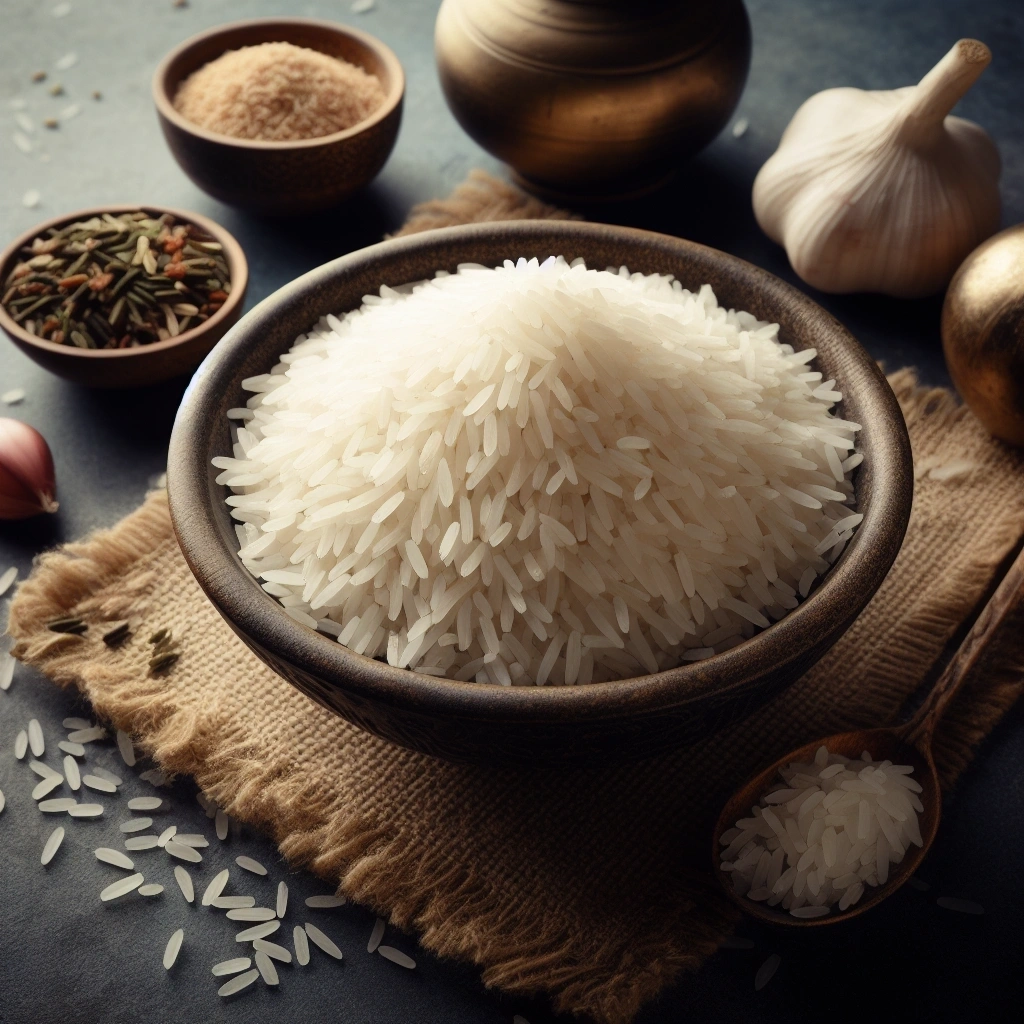
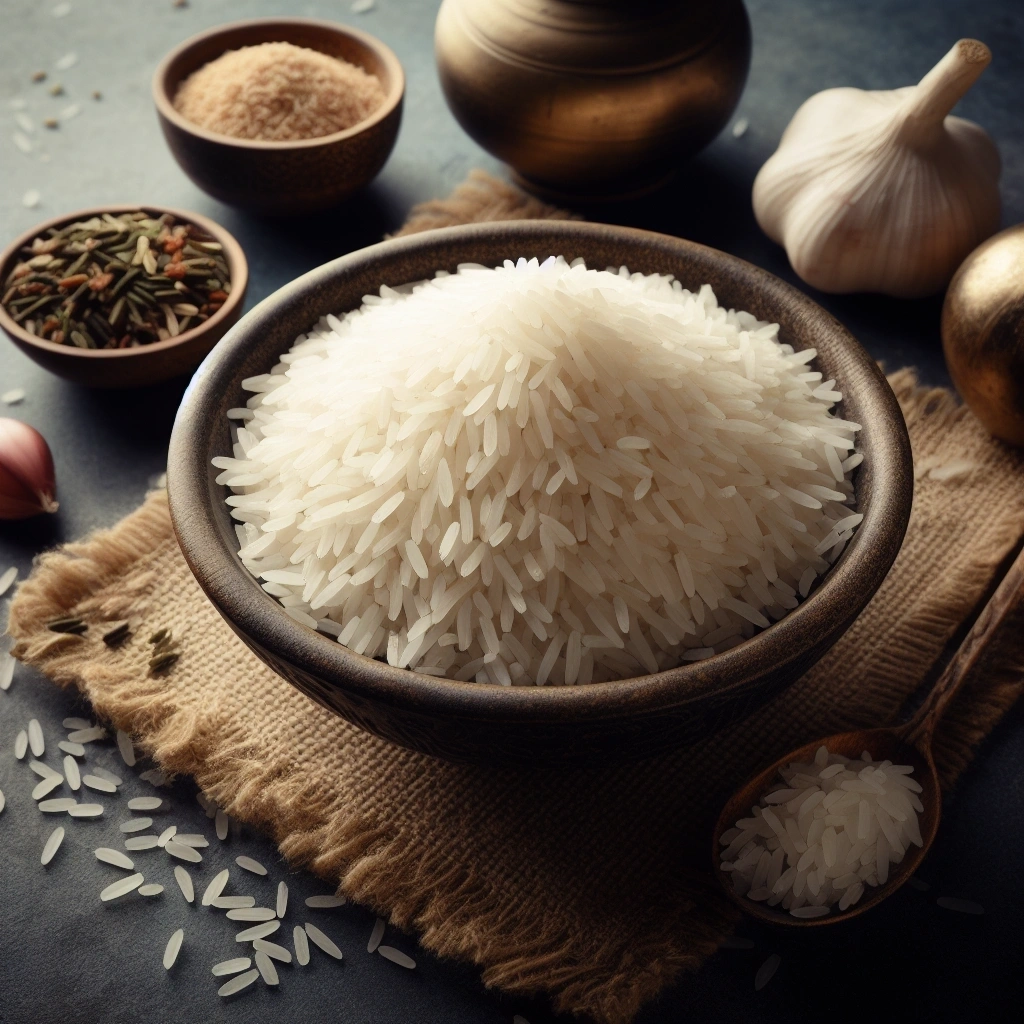
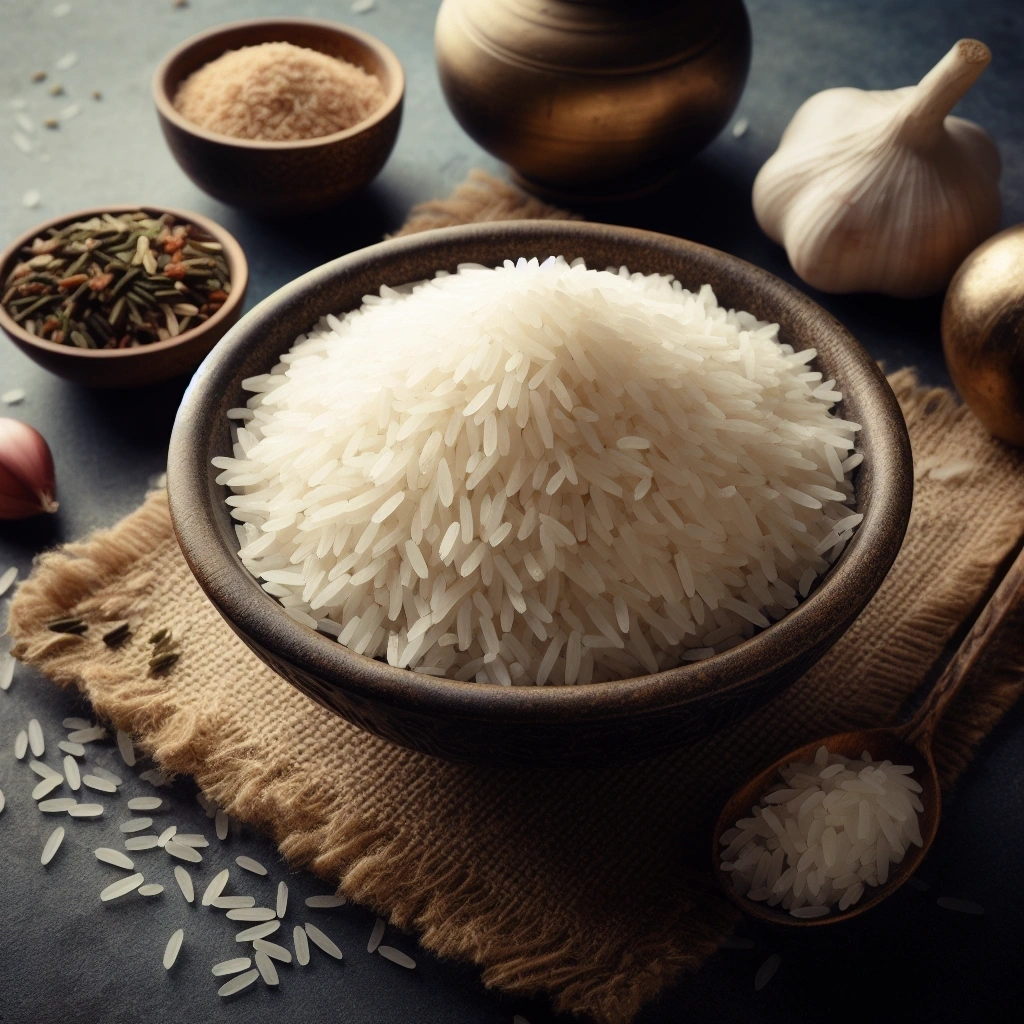
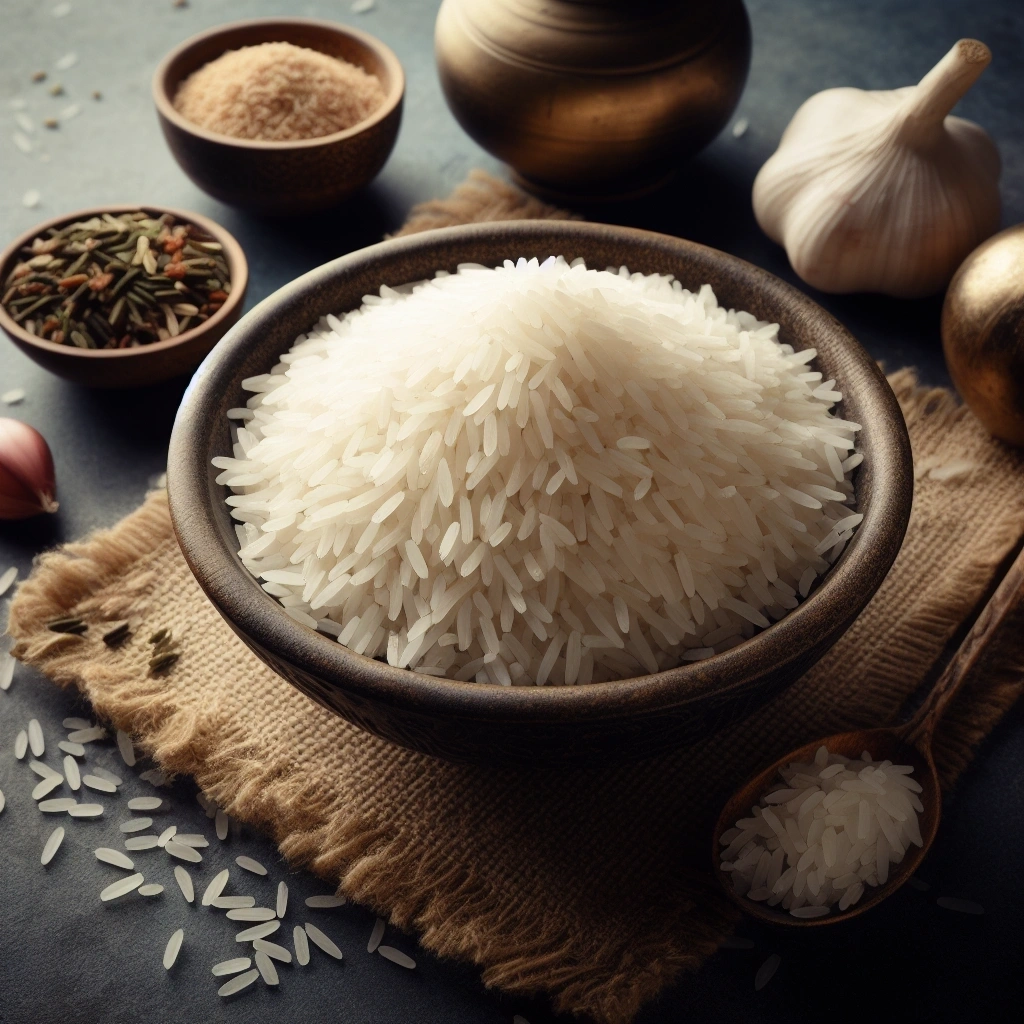
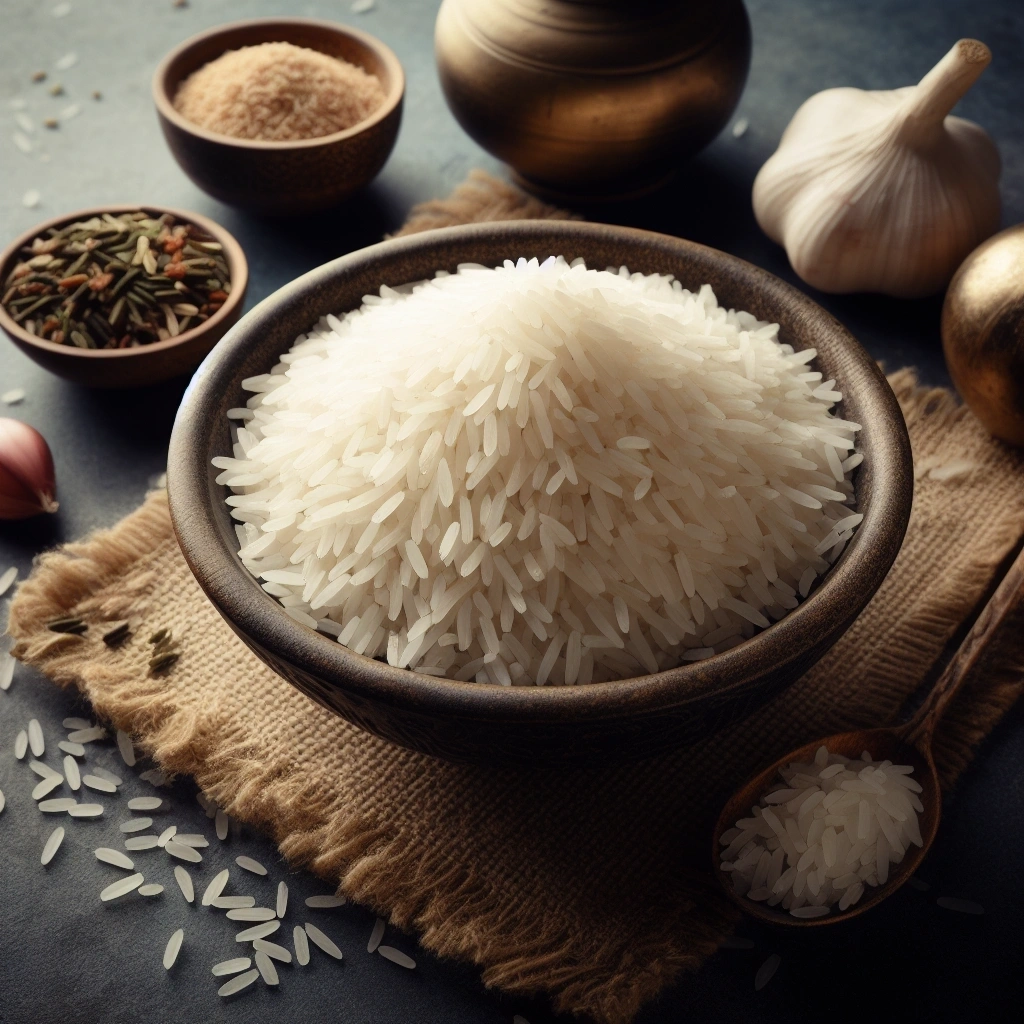
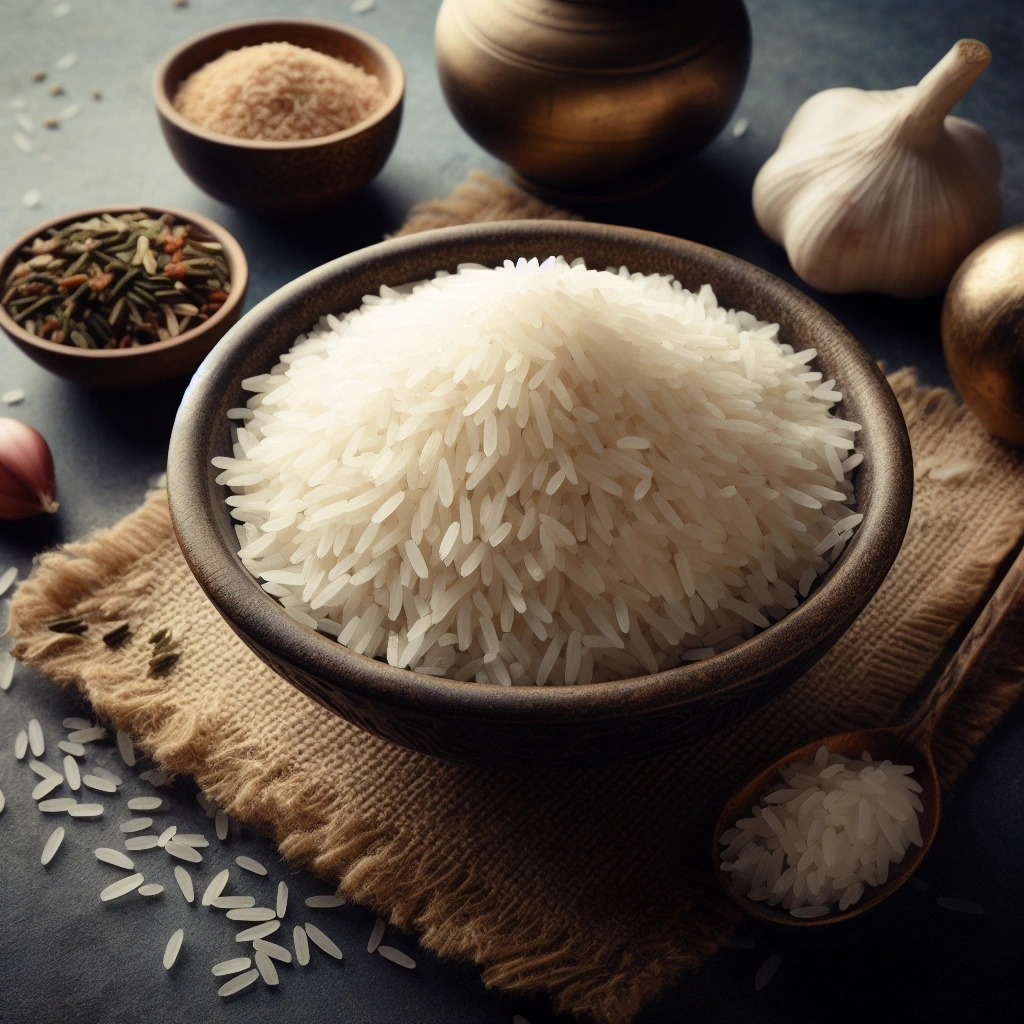
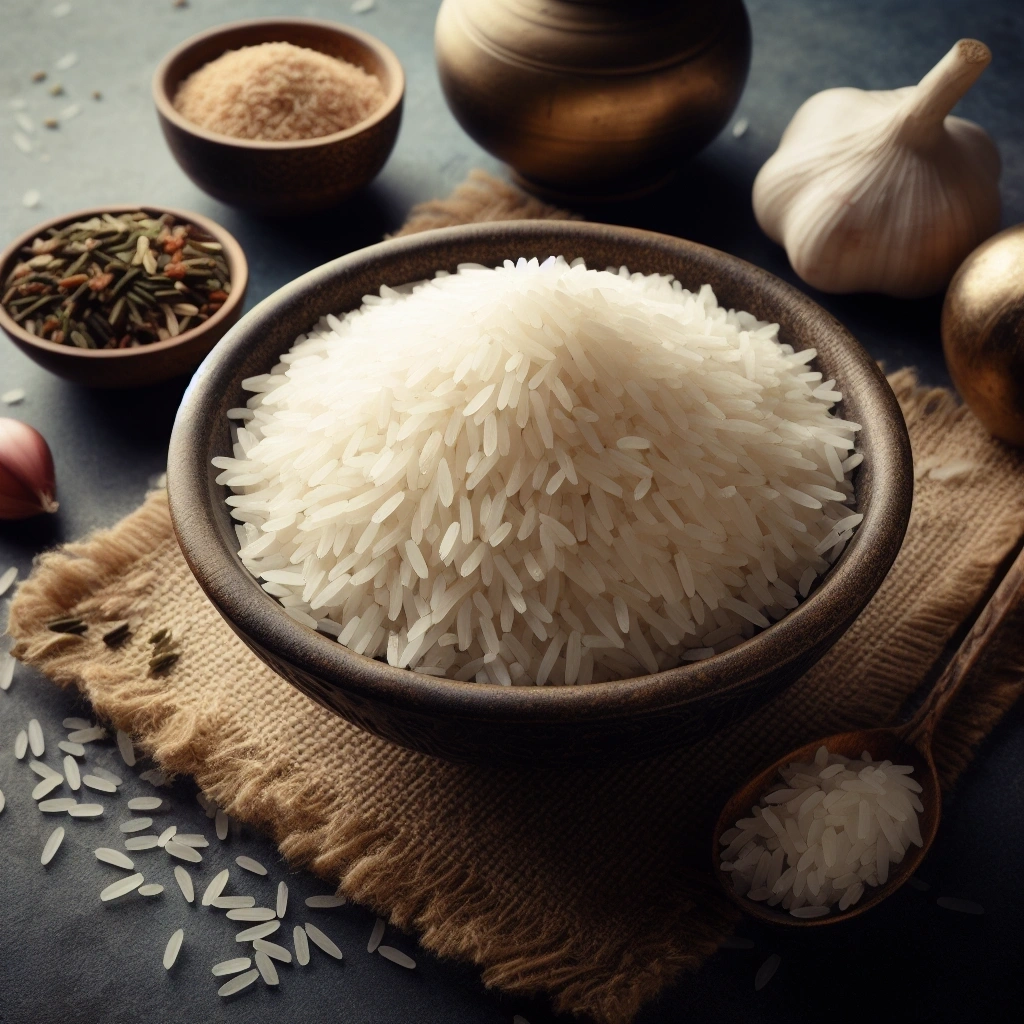
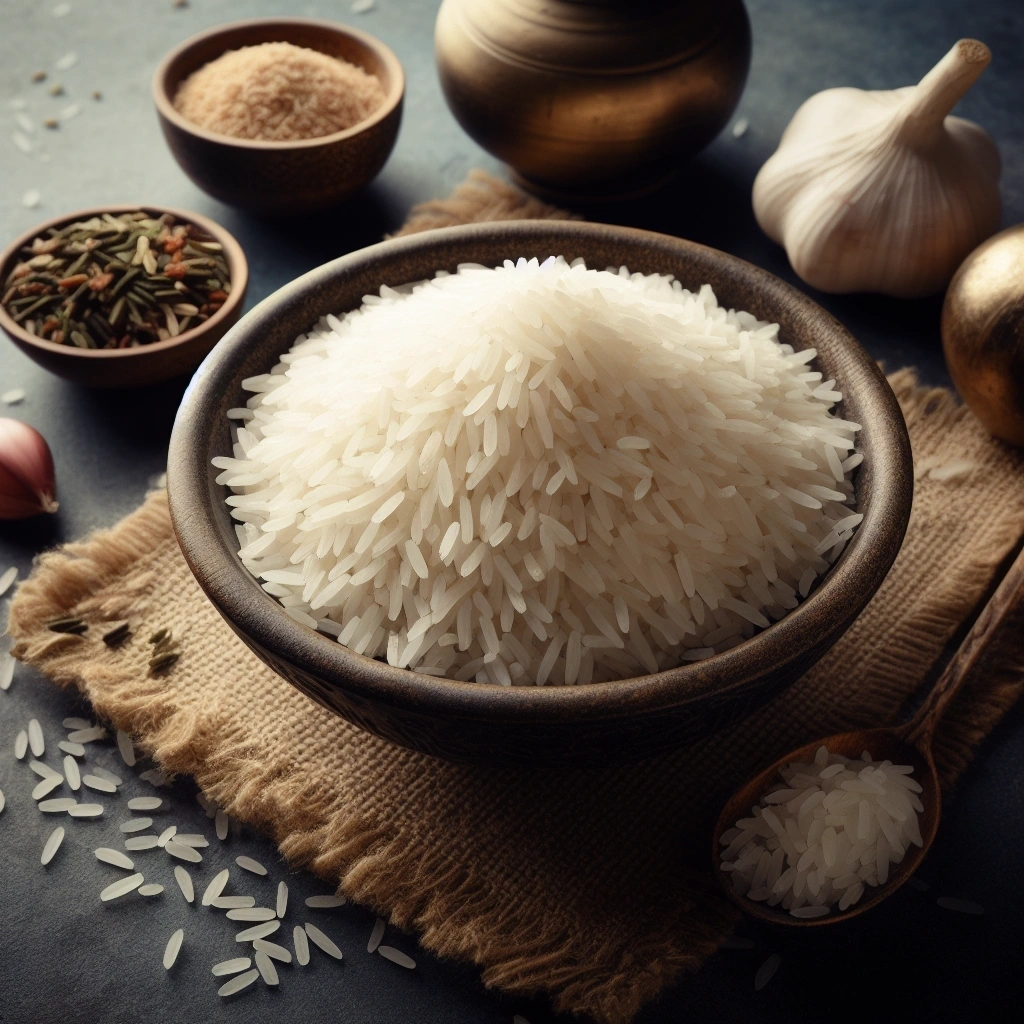
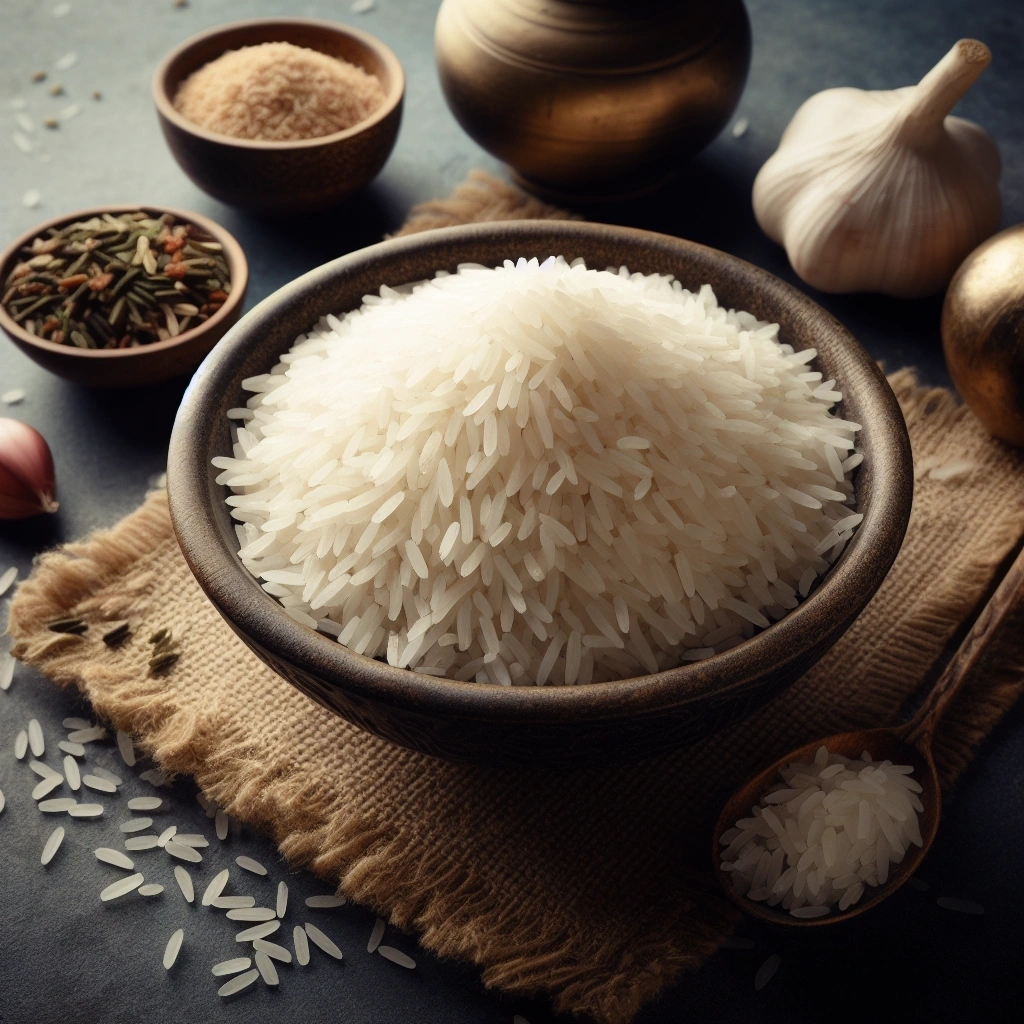
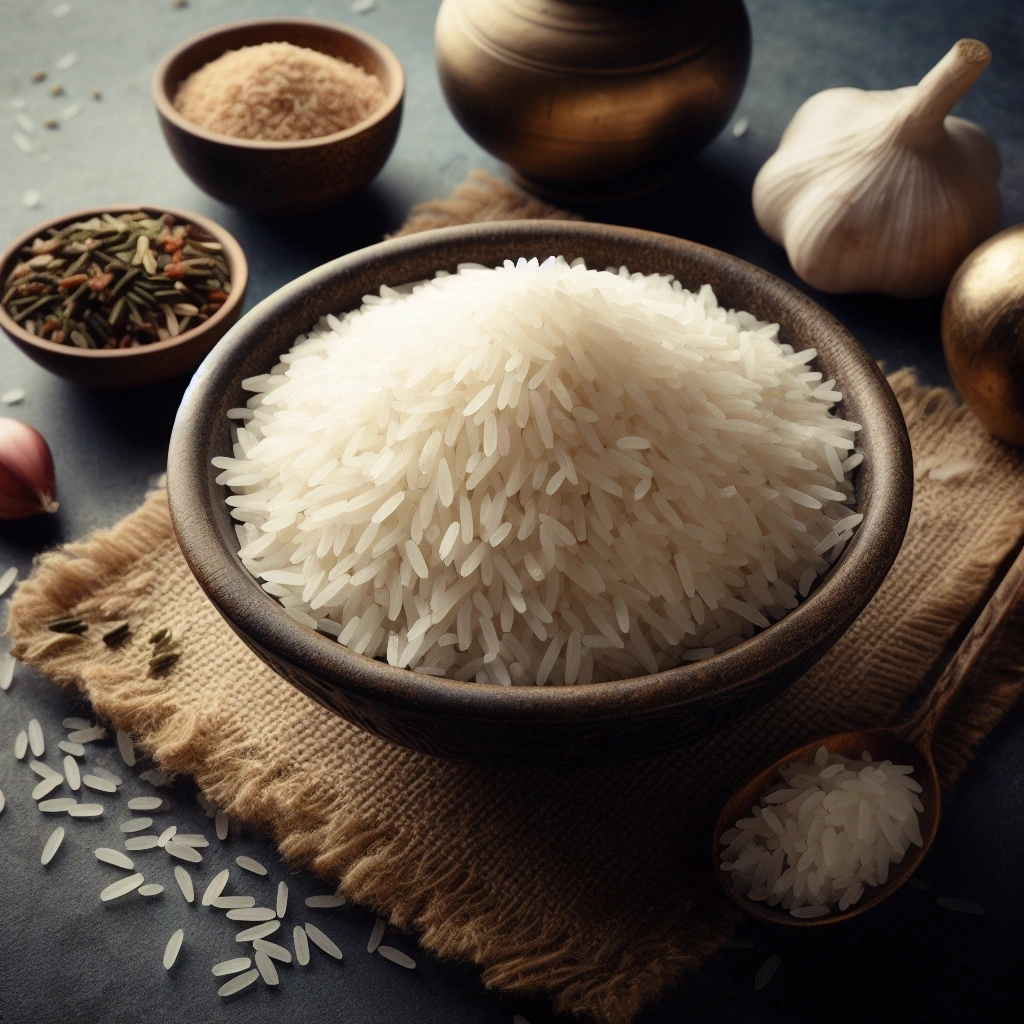
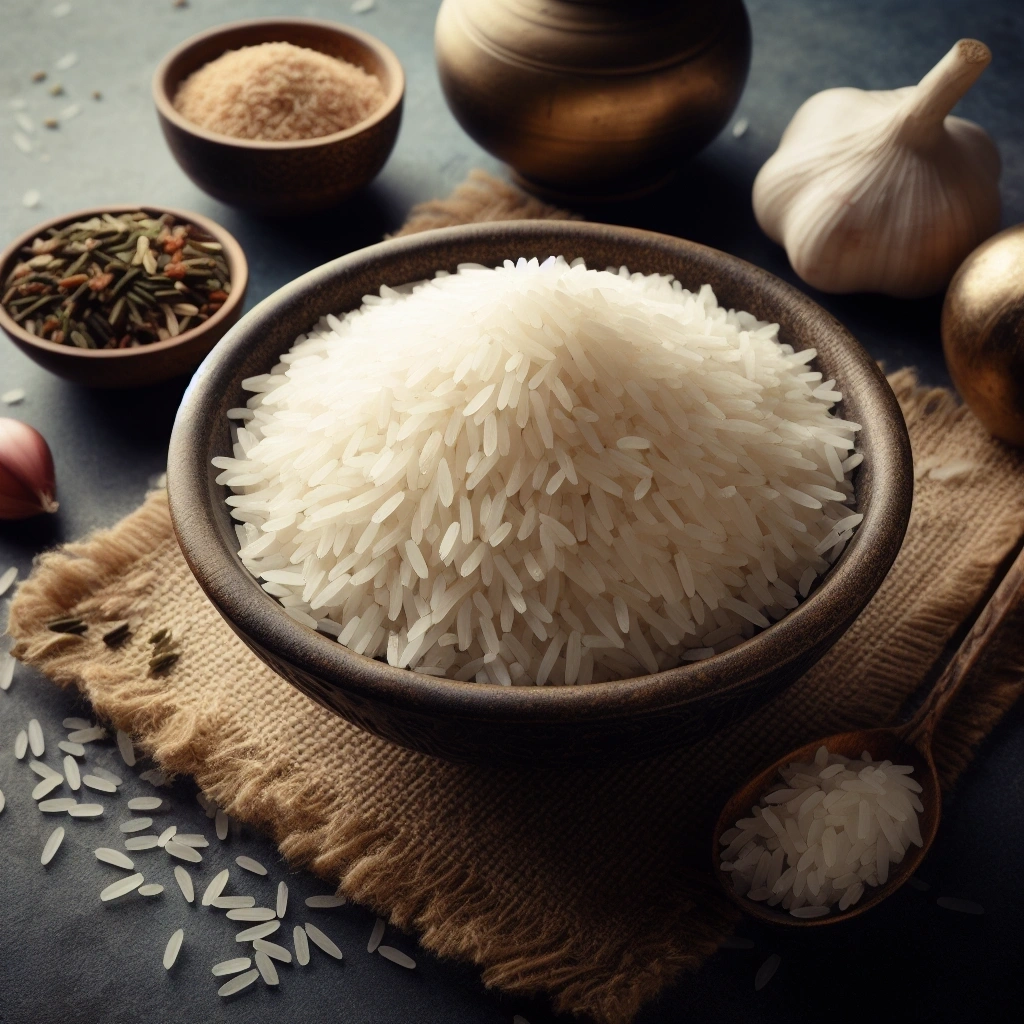
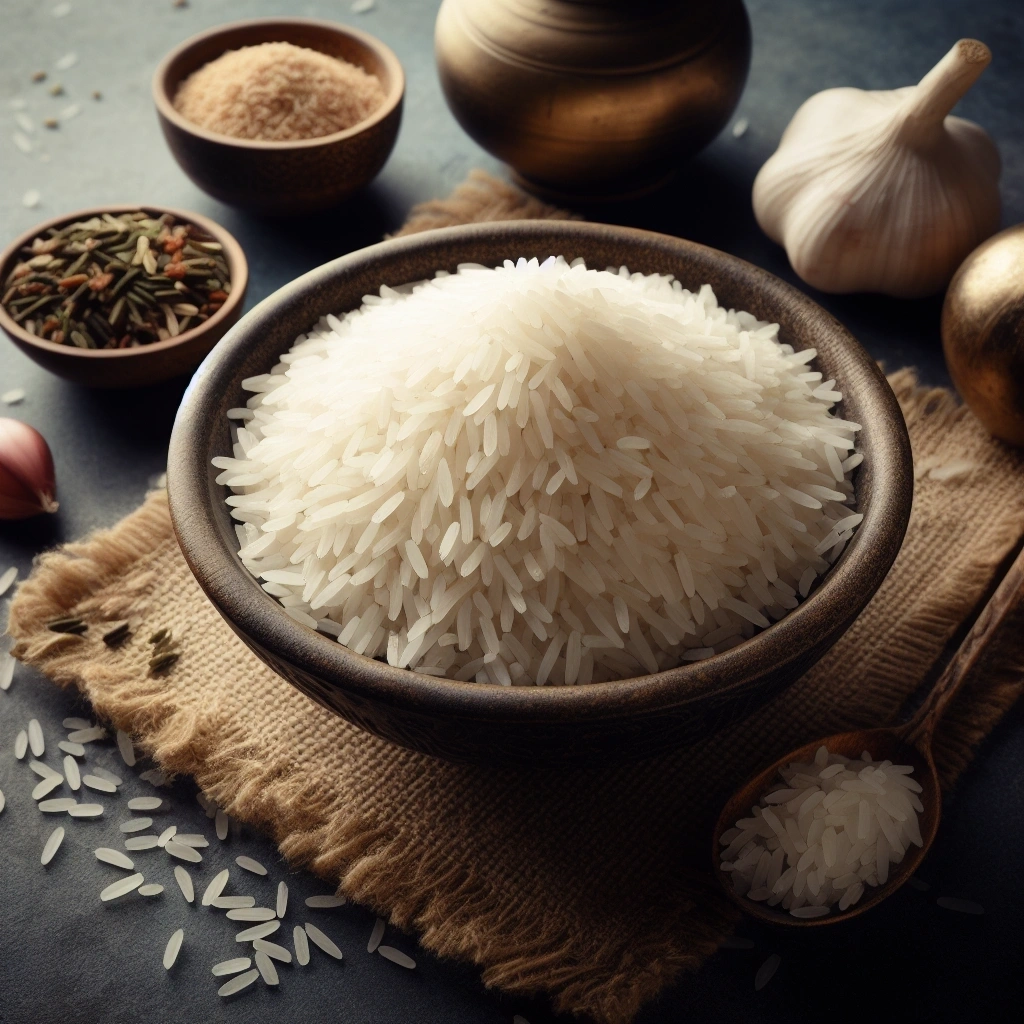
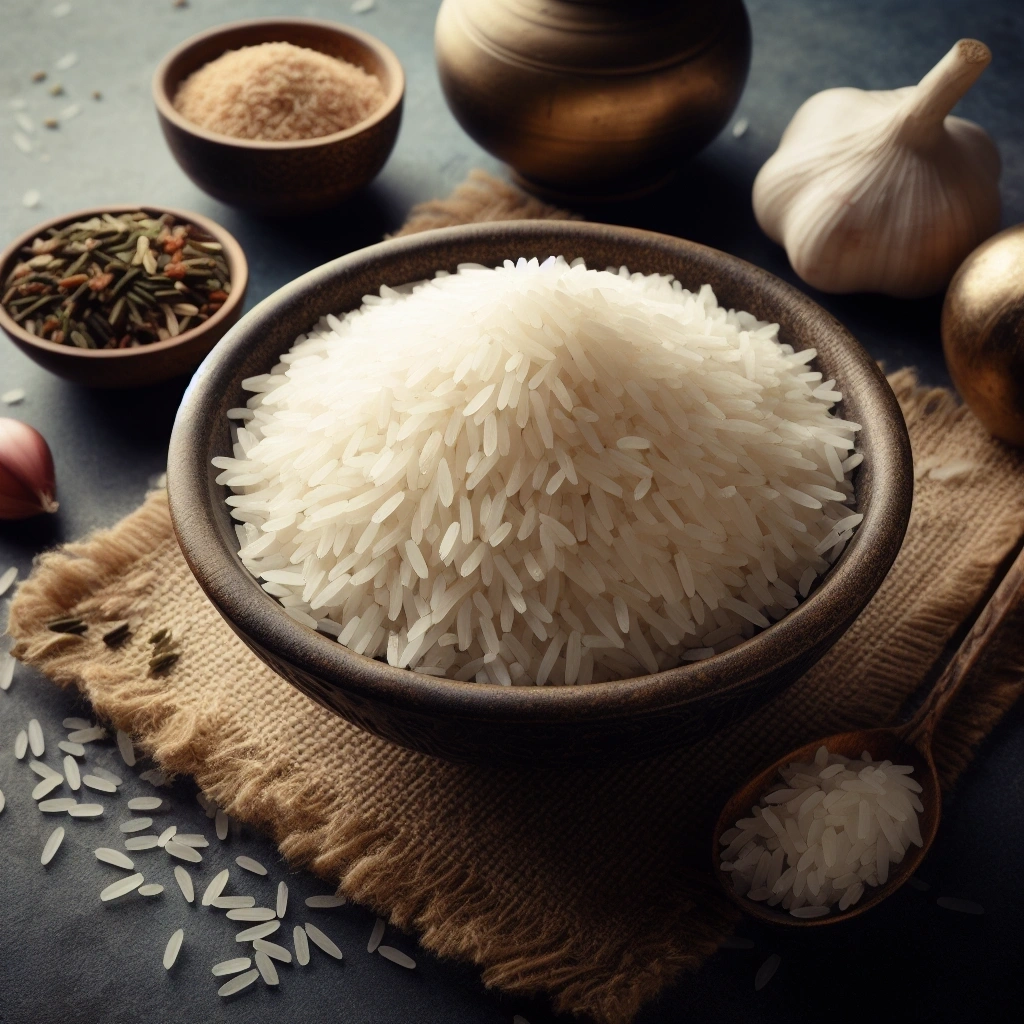
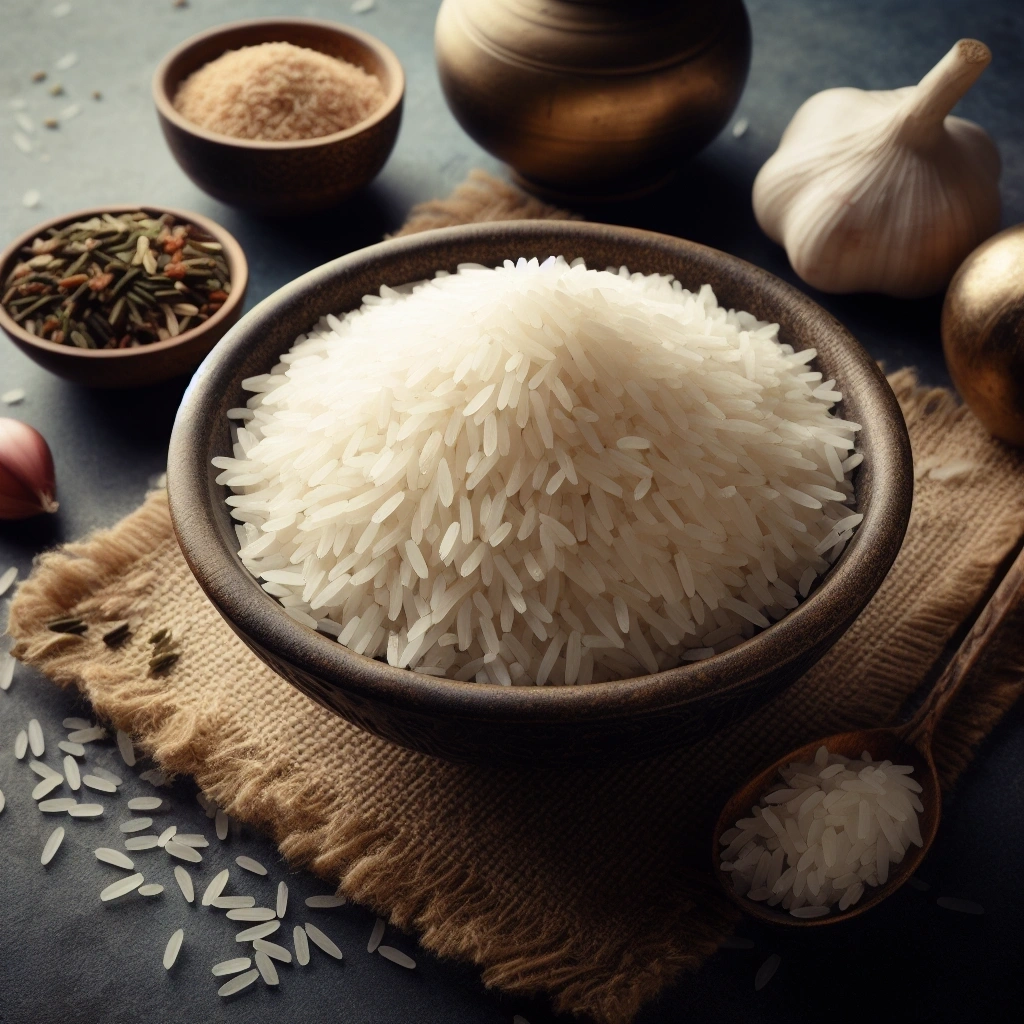
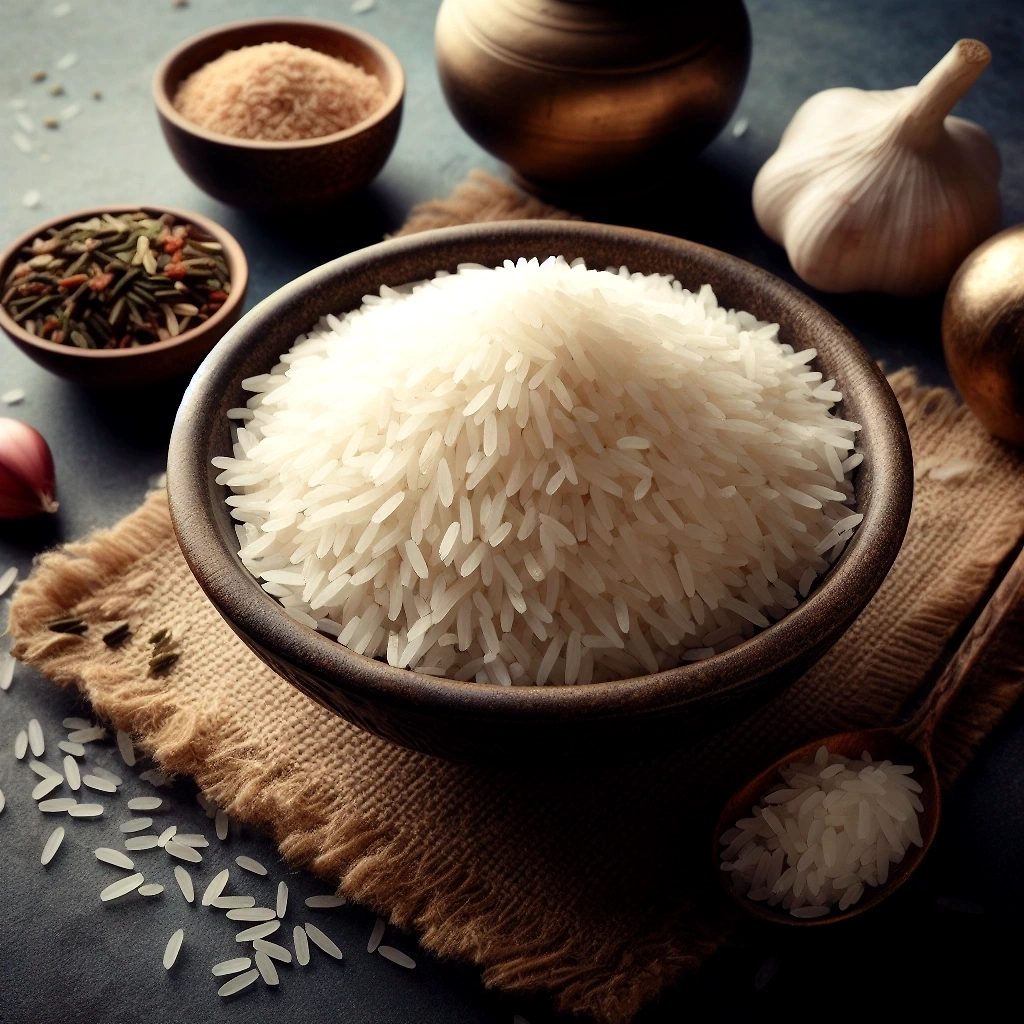
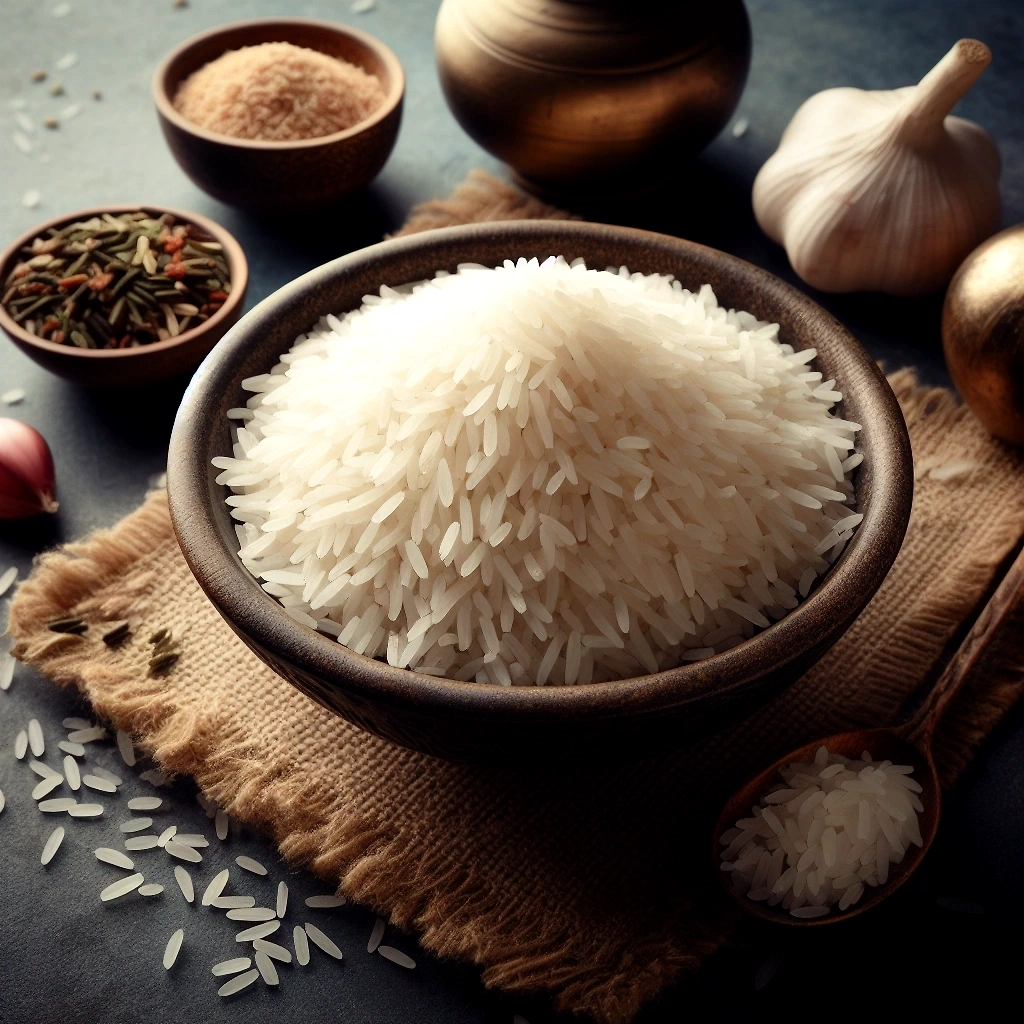
Wheat is a staple cereal grain cultivated globally, crucial for both food security and diverse culinary applications. With several varieties such as hard red, hard white, soft red, and soft white, each has distinct characteristics tailored for specific uses. Wheat predominantly serves as a base ingredient for countless foods, notably in flour form, leading to breads, pasta, noodles, biscuits, and various pastries. Beyond its culinary versatility, wheat is notable for its rich nutritional composition, being a source of carbohydrates, proteins, dietary fiber, and essential B vitamins. It holds cultural significance in numerous traditions, representing sustenance and harvest in various ceremonies. Additionally, the gluten contained in wheat enhances the texture and elasticity of baked products, making it invaluable in the food industry, although those with gluten sensitivities must exercise caution. As one of the most extensively produced cereals worldwide, wheat remains integral to food products across numerous cuisines and cultures, embodying both economic importance and dietary necessity.
Key Features
| Features | Description |
|---|---|
| Varieties | Includes hard red, hard white, soft red, and soft white, each with unique culinary uses. |
| Culinary Usage | Processed into flour for making bread, pasta, noodles, biscuits, cakes, pastries, and more. |
| Nutritional Composition | Rich in carbohydrates, protein, dietary fiber, B vitamins, iron, and magnesium. |
| Cultural Significance | A symbol of sustenance and harvest in various traditions and ceremonies. |
| Gluten Content | Contains gluten, which provides elasticity and texture, suitable for many baked goods. |
| Global Production | One of the most widely cultivated cereal crops, essential for food security. |
| Versatility | Essential in a vast array of dishes across various cuisines and cultures. |
| Attributes | Description |
|---|---|
| Common Varieties | Hard red, hard white, soft red, soft white |
| Primary Uses | Flour for bread, pasta, noodles, biscuits, cakes, and pastries |
| Nutritional Benefits | Carbohydrates, protein, dietary fiber, B vitamins, iron, magnesium |
| Cultural Role | Symbol of sustenance and harvest in many cultures |
| Gluten | Proteins that contribute to dough elasticity and baked product texture |
| Production Scale | One of the most cultivated cereal grains globally |
| Shelf Life | Typically lasts 6-12 months when stored in a cool, dry place |
*Disclaimer: The above description has been AI-generated and has not been audited or verified for accuracy. It is recommended to verify product details independently before making any purchasing decisions.
The main varieties of wheat include hard red, hard white, soft red, and soft white, each suited for different culinary applications.
Wheat is a good source of carbohydrates, protein, dietary fiber, essential B vitamins, iron, and magnesium.
Gluten provides elasticity to dough, enhancing the texture of baked goods and making wheat suitable for a wide range of bread and pastries.
Whole wheat retains more nutrients and dietary fiber compared to refined wheat, offering greater health benefits.
Wheat should be stored in a cool, dry place to maintain its quality, with a shelf life typically ranging from 6 to 12 months.
Brand: siegro
Country Of Origin: India
Wheat by SIEGRO offers premium quality within the Cereals category. Known for its flavor-rich ingredient, this product is ideal for global food service, retail, and export distribution.