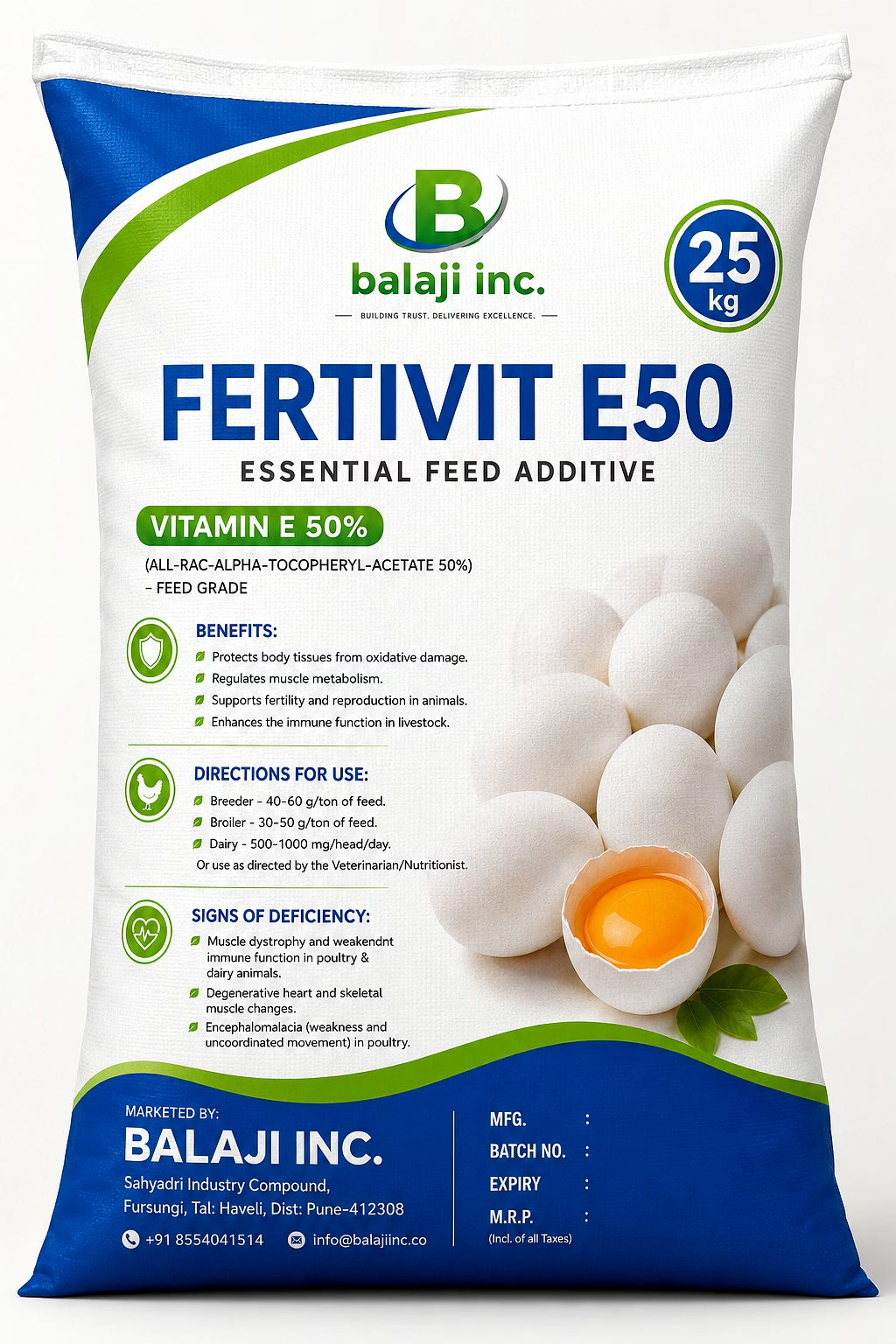
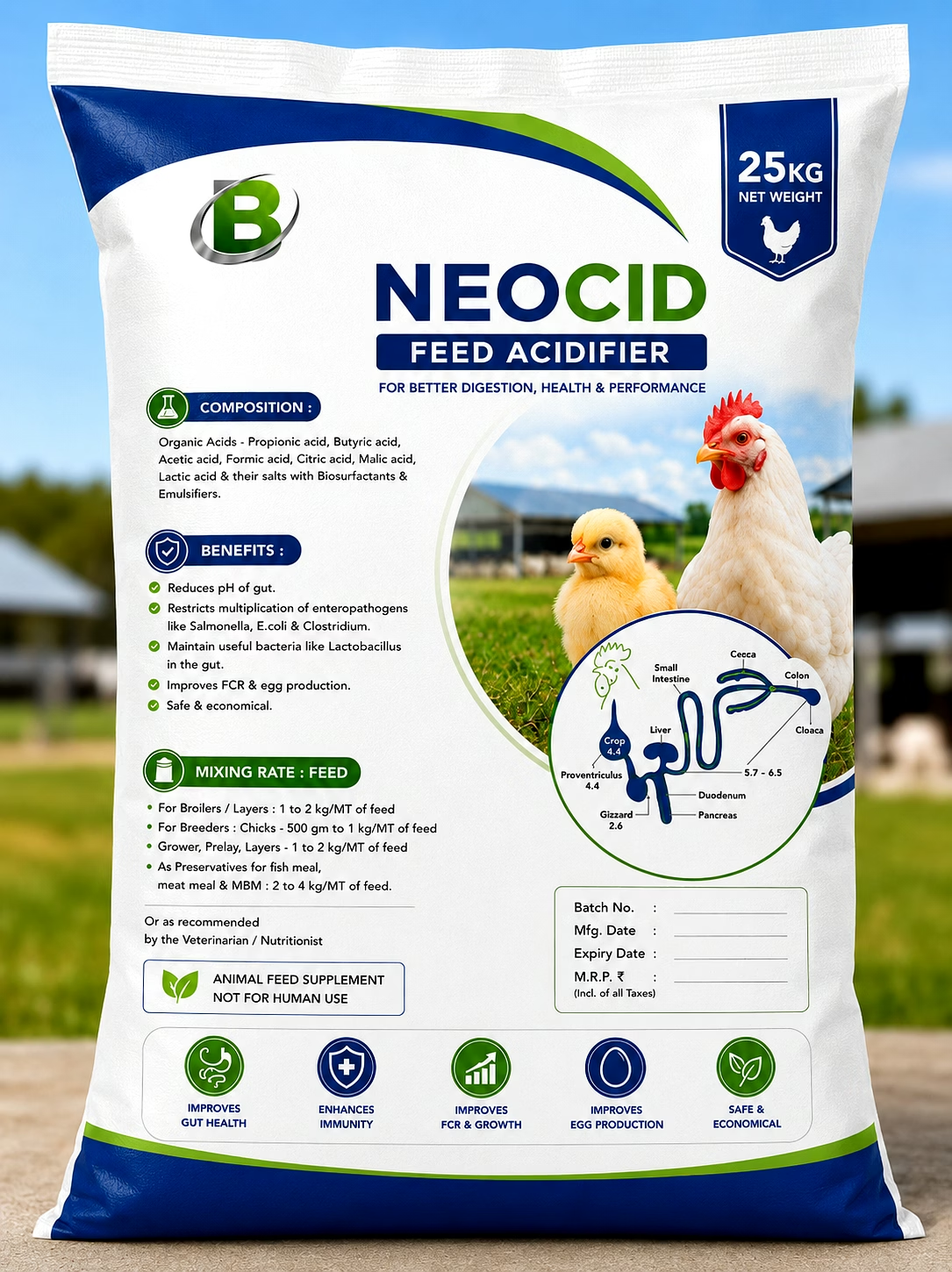
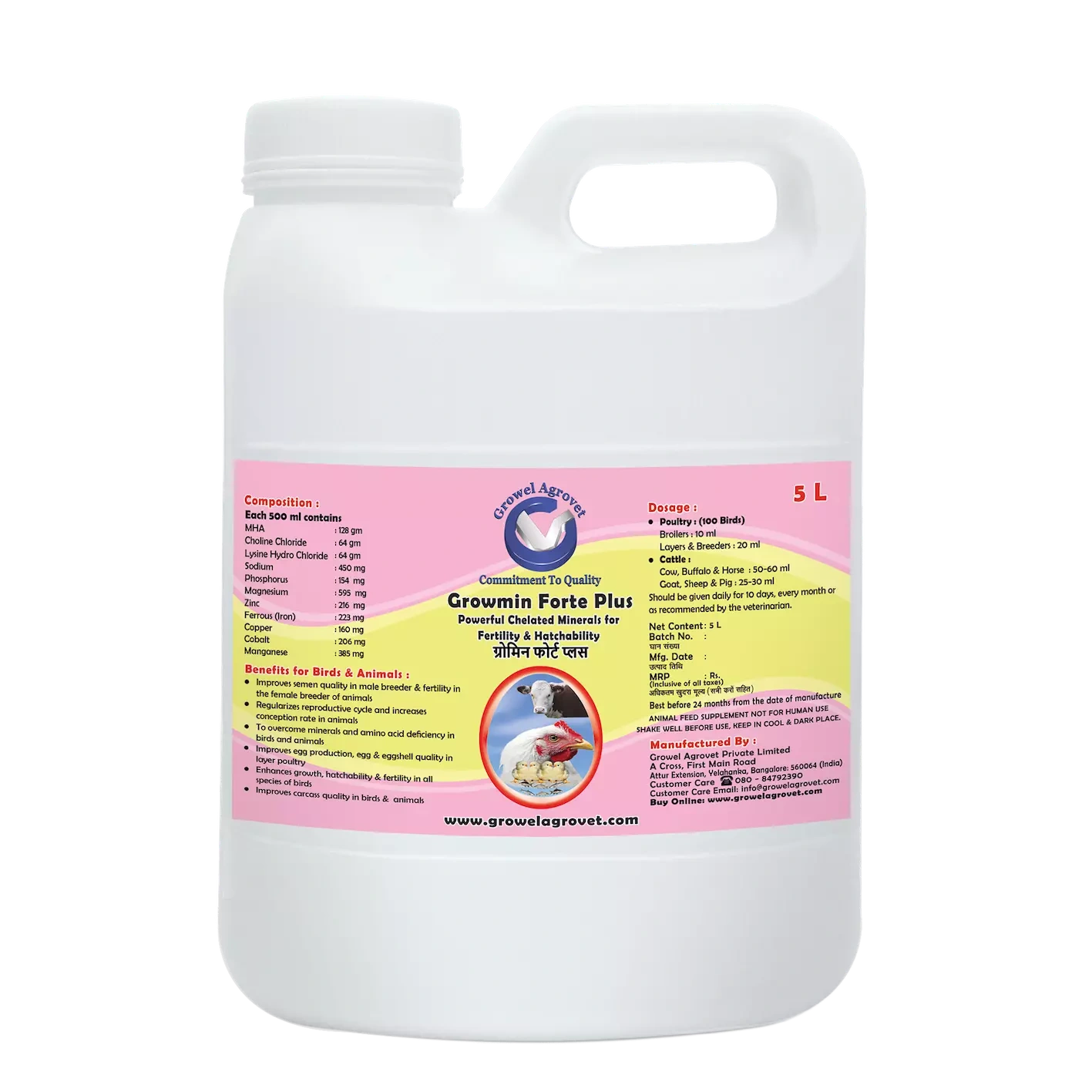
PROBLEM- Mineral deficiency in animals
In our relentless pursuit of achieving higher crop yields, modern farming practices have inadvertently upset the intricate equilibrium between soil organic matter and microbial life. The excessive reliance on NPK fertilizers has disrupted the natural balance, causing a decline in soil carbon levels, diminishing microbial communities, and compromising overall soil health. Consequently, this has led to the emergence of mineral-deficient plants, resulting in reduced yields and triggering a detrimental ripple effect throughout the food chain, adversely impacting both animal and human health.
The degradation of soil health has directly affected plant nutrition, leading to the emergence of mineral-deficient crops. Plants grown in nutrient-depleted soils are unable to acquire essential elements such as iron, zinc, magnesium, and calcium, which are crucial for their growth and development. Moreover, the decline in mineral uptake by plants has significant consequences for livestock, as they rely on these plants as a primary source of nutrition.
Transfer of Mineral Deficiency to Livestock:
When animals consume mineral-deficient plants and their Produce (feed ingredients), they too become susceptible to deficiencies, negatively impacting their health and productivity. Cattle, for instance, require a balanced intake of essential minerals to maintain their well-being and optimal growth. The consumption of plants lacking vital minerals can lead to various health issues, including reduced immunity, skeletal abnormalities, impaired reproductive performance, and compromised overall productivity. As a result, the deficiency in plant minerals indirectly affects the quality and safety of animal-derived products, posing risks to human health as well.
Trace Mineral Deficiency in Cattle and Its Impact on Performance
The decline in cattle performance over several months may be attributed to a trace mineral deficiency. Even without changes in herd management, trace mineral deficiencies can significantly impact cattle performance, reproductive capabilities, and immune function, ultimately affecting profitability.
Trace mineral deficiencies in the mother can lead to early abortions, embryonic deaths, and inadequate colostrum production for the calf, potentially resulting in early calf death. These issues directly translate into fewer marketable animals and reduced income for the farmer.
Conception rates may also decrease in herds with trace mineral deficiencies, leading to suboptimal reproductive performance. Cattle simply do not perform as well without adequate levels of essential minerals.
In some cases, a trace mineral deficiency can remain undetected until a critical deficiency occurs, which can result in sudden death in cattle. For instance, grazing cool-season forages without sufficient magnesium intake can lead to such a scenario.
To address these concerns, it is essential to provide a complete and balanced cattle mineral supplement. Merely assuming that any mineral is enough or not monitoring mineral intake can result in deficiencies. Not all minerals are palatable to cattle, and if they do not consume the mineral at the target intake levels, their mineral needs will not be met.
Identifying trace mineral deficiencies in cattle can be challenging as they often do not exhibit clinical signs. Observing an off-color coat and reviewing production records can provide clues, but it is crucial to consider trace mineral deficiencies as a potential cause rather than attributing the issues to other factors.
Common signs of trace mineral deficiency in cattle include an off-color coat, poor calf immunity, reduced weight gain, and decreased reproductive efficiency.
Methane Emissions in Cattle Farming
In addition to the potential trace mineral deficiency, another important factor to consider in cattle farming is the issue of methane emissions. Cattle are known to be significant contributors to methane production, a potent greenhouse gas that contributes to climate change.
Cattle possess a specialized digestive system that allows them to efficiently break down plant materials, but this process also produces methane as a by-product. The primary source of methane in cattle comes from enteric fermentation, a natural process that occurs during digestion in the rumen, where microbes break down feed.
The release of methane from cattle farming has environmental implications. Methane is a greenhouse gas that has a significantly higher global warming potential compared to carbon dioxide. It traps heat in the atmosphere, contributing to the greenhouse effect and climate change.
Denmark to Implement World’s First Carbon Tax on Livestock
Denmark is planning to introduce a carbon tax on agriculture in 2030, which will be the first of its kind in the world. The tax will apply to greenhouse gas emissions from livestock digestion and manure handling. The Danish government announced the plan on June 24, 2024, and the tax will start at 300 Danish krone ($43) per ton of carbon dioxide equivalent emissions in 2030, rising to 750 Danish krone ($107) in 2035. This would cost around €100 (£85) annually per cow.
The tax is intended to help Denmark reach its climate goals and speed up the transition to a greener food production and farming industry.
SOLUTION- The Algae
Algae as a Rich Source of Minerals
Marine macroalgae, encompassing brown, green, and red algae, are versatile organisms with plant-like characteristics.Algae are particularly renowned for their mineral content, including potassium, sodium, calcium, magnesium, and phosphorus, as well as essential trace elements like iron, manganese, copper, zinc, cobalt, selenium, and iodine.
Seaweed biomass holds significant promise as an alternative ingredient in livestock feed due to its impressive mineral composition. Macroalgae exhibit variations in proteins, minerals, lipids, and fibers. Their remarkable mineral content can be attributed to their ability to absorb inorganic substances from the surrounding environment.
Unlocking the Potential
Brown, red, and green marine macroalgae represent abundant sources of bioactive components with significant pharmaceutical and biomedical applications. These bioactive components can serve as functional, health-promoting ingredients in animal feeds. By incorporating algae into animal feed formulations, it is possible to provide a valuable source of energy, minerals, and proteins. Algae, with their high-quality protein content, outshine traditional sources like cereals and soy flour. In fact, over 75% of algae species contain higher proportions of essential amino acids than wheat and soy flour, as well as surpassing rice and corn. This highlights the immense nutritional and nutraceutical value of marine algae as a potential alternative protein source for ruminants and other animals.
Seaweed Supplementation for Methane Reduction
Seaweed Extract contains compounds, which have been found to inhibit the activity of methane-producing microbes in the rumen of cattle.
Various studies have demonstrated the effectiveness of seaweed supplementation in reducing methane emissions. For instance, researchers have found that including small amounts of seaweed extracts in cattle diets can lead to methane reductions of up to 80%
UNIQUENESS OF VEPMAXX
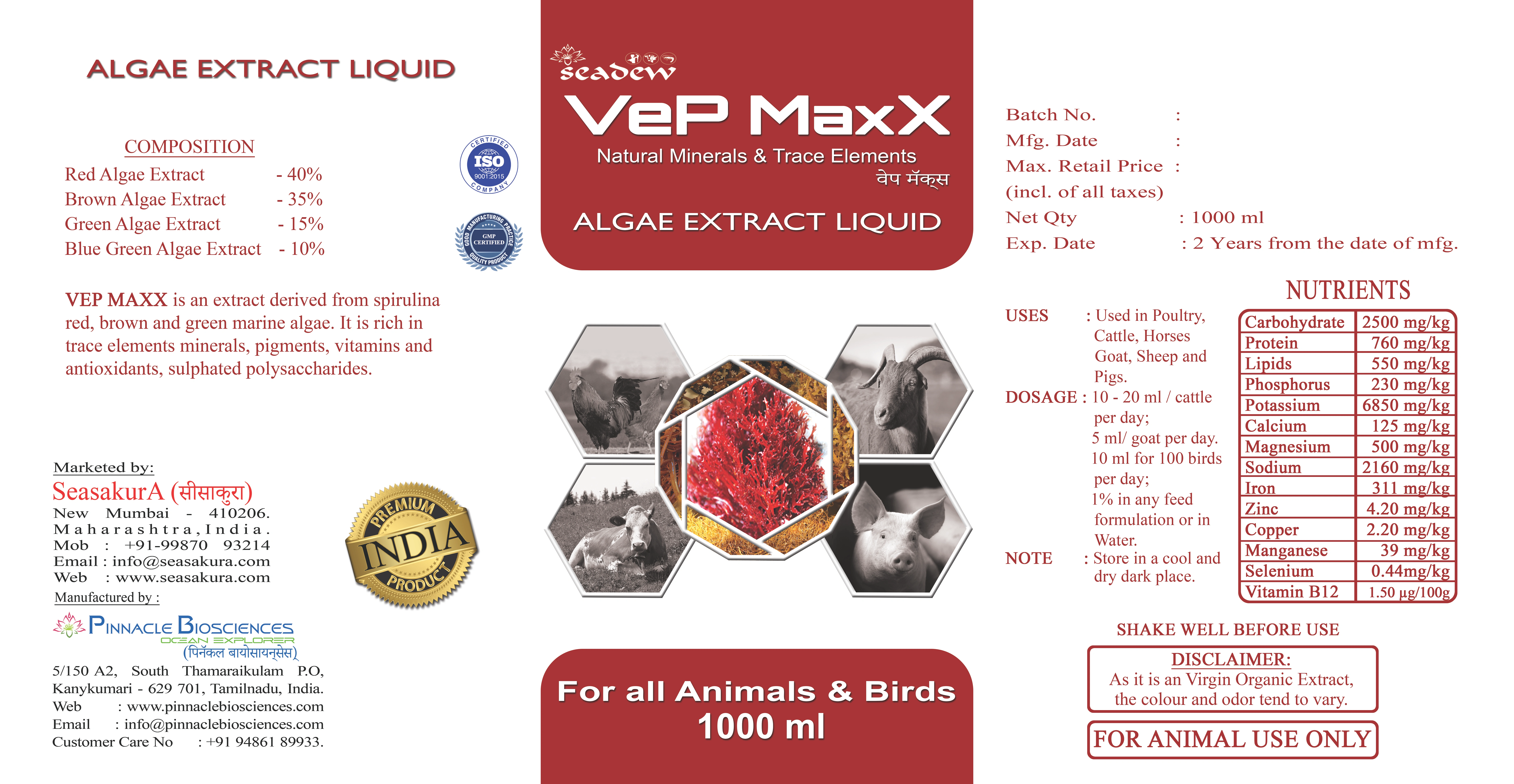
Vepmaxx, developed by Pinnacle Biosciences, is an innovative and versatile nutritional blend derived from a combination of brown seaweeds (Phaeophyceae), red seaweeds (Rhodophyceae), green seaweeds (Chlorophyceae), and blue-green algae. These marine algae are carefully selected to provide comprehensive support for animal health.
In their natural state, the polysaccharides found in seaweeds are inert, meaning they cannot be digested by animals, plants, humans, digestive enzymes or intestinal microbes. To make these valuable nutrients bioavailable, they need to be broken down into their monomer form, which can be processed by living organisms. Understanding this crucial aspect, Pinnacle Biosciences has formulated Vepmaxx by breaking down the seaweed polysaccharides into their monomers.
The resulting monomers, combined with chelated minerals, offer enhanced absorption capabilities. This means that animals can readily absorb and utilize the chelated minerals present in Vepmaxx, resulting in optimized nutrient uptake and overall animal health benefits.
Vepmaxx represents a cutting-edge solution that harnesses the power of marine algae and their beneficial components, providing a highly bioavailable source of essential minerals to support the well-being and performance of animals.
THERAPEUTIC USE
1. Improved mineral content: Vepmaxx is rich in minerals such as iodine, iron, zinc, and calcium, which can help improve the overall mineral content of animal feed.
2. Better animal health: By providing essential minerals, Vepmaxx can help improve the overall health of animals, promoting growth, reproductive health, and disease resistance.
3. Improved meat and dairy quality: Animals supplemented with Vepmaxx can produce meat and dairy products with a higher mineral content, leading to improved quality and potentially increased market value.Vepmaxxincreases a minimum of 20% milk yield in lactating animals.
4. Inhibits Methane Emissions: Effectively inhibits methanogenesis and minimizes methane emissions in livestock while supporting animal health and performance.
Description provided by PINNACLE BIOSCIENCES.